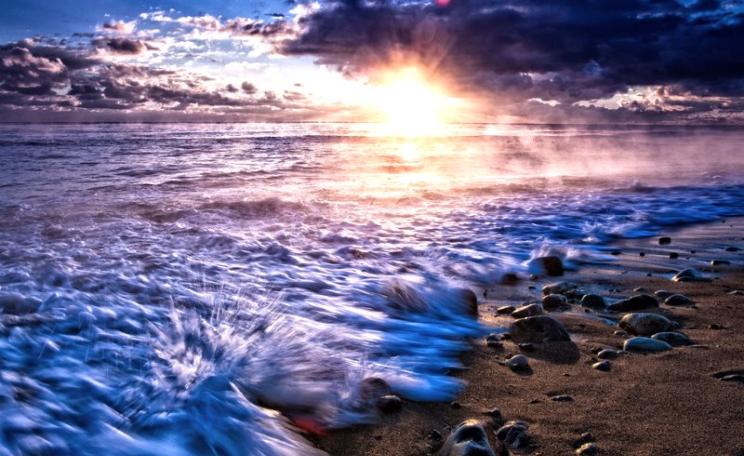
Radiation can be carried long distances by marine currents, concentrated in sediments, and carried in sea spray 16km or more inland, writes Tim Deere-Jones. So Fukushima poses a hazard to coastal populations and any who eat produce from their farms. So what are the Japanese Government and IAEA doing? Ignoring the problem, and failing to gather data.
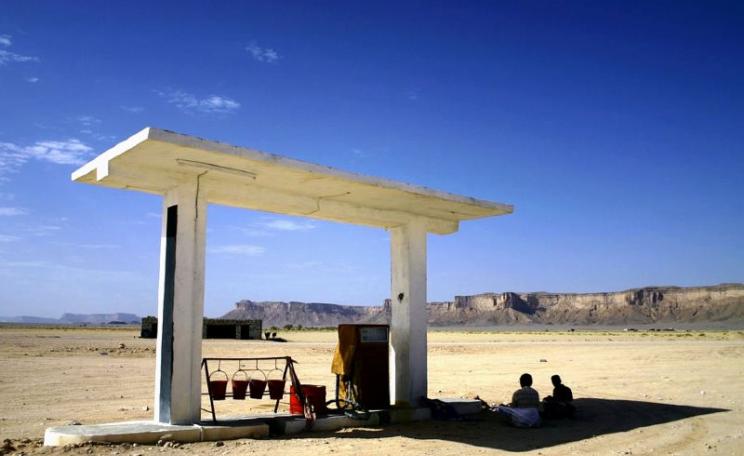
There's a plan afoot in Yemen, writes Martha Mundy, but no one is telling you about it. It's a plan so big that a country of 20 million people has to be starved and bombed into total submission, yet the world is indifferent. Yes, its oil. Lots of oil, and gas too, and lakes of fossil water, all lurking beneath the desert sands of the Arabian peninsula. How do we know? Because they told us.
UK local authorities have £14 billion invested in fossil fuels, campaigners revealed today. Now they should re-invest it in solar energy, new housing and other areas that generate local and global benefits - as well as providing better security for pension holders.
There could hardly be a bigger contrast to the UK, writes Dominic Hinde. Sweden is closing airports and nuclear plants, selling off coal mines, spending billions to cut its greenhouse gas emissions, increasing green spending in developing countries, and is determined to lead by example at COP21 in Paris. Will other nations follow the green trail they are blazing?
Something scary is lurking in the melting Arctic permafrost, write Tim Radford & Oliver Tickell: 1,700 Gt of carbon. That's 53 years worth of current emissions, and if we let it melt the impact would cost the world $43 tn. Or act now, and we could preserve the Arctic ice for a seventh as much.
The discovery that Volkswagen has been 'gaming' vehicle emissions tests has taken the world by storm, writes Paul Nieuwenhuis. But it comes as no surprise to campaigners who have long been aware of the huge gap between 'official' emissions and real word pollution. Where were the regulators? And why did it take an NGO to uncover the scandal?
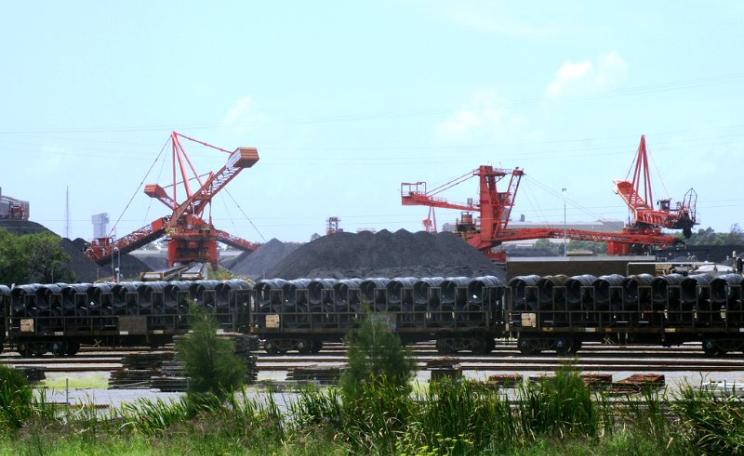
Pledges by investors to divest from fossil fuels have soared to $2.6 trillion - 50 times more than a year ago. 'Now is the time to divest', says Leonardo di Caprio, one of the latest to join the movement, which even includes Newcastle, Australia, home to the world's biggest coal port.
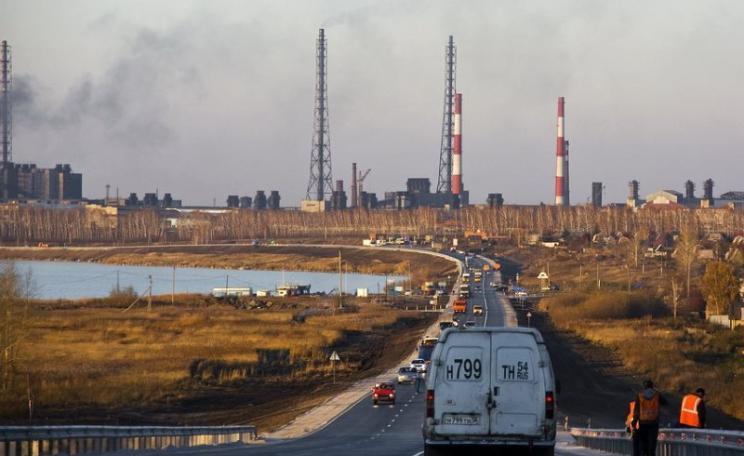
While other countries apply themselves to environmental challenges from climate change to nature protection, Russia - with its massive wealth of nature and natural resources - is stubbornly refusing to take part, writes Lucy E J Woods. And as the economy declines, the pressure is on: to ignore environmental regulations, and clamp down on environmental defenders.
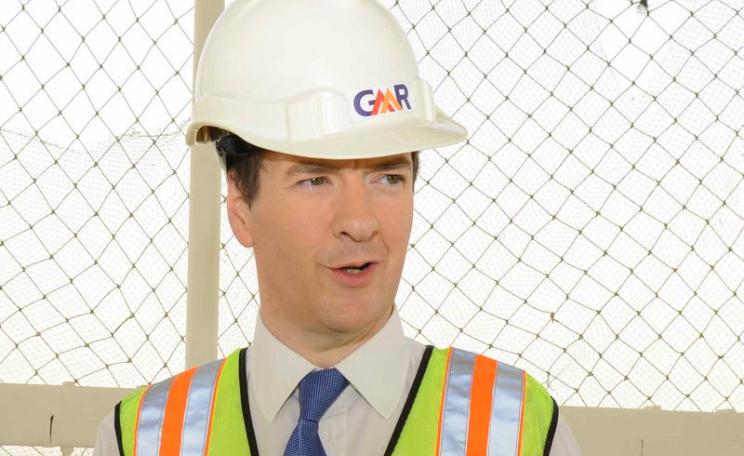
Today's announcement of a £2 billion government guarantee for Hinkley C confirms that Chancellor George Osborne and his Treasury cannot be trusted to run the UK's energy policy - which is precisely what they are doing. On top of decimating the renewables industry, now they're risking billions on a failed nuclear design owned by failing companies. It's time to stop the madness.
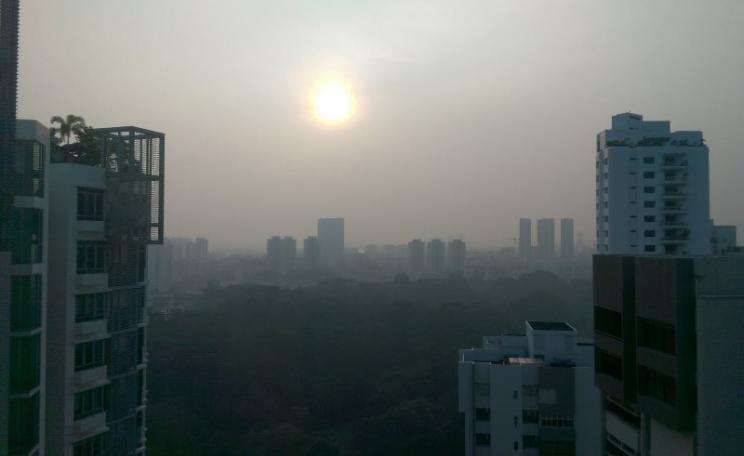
The burning forests and peatlands of Indonesia are once again casting a pall of choking smoke across the region, in the process releasing billions of tonnes of carbon. Promises to solve the problems stand betrayed - and COP21 commitments to tackle the problem are being weakened.
A new study shows it's not just neonicotinoids that impair bees' ability to navigate to nectar and pollen sources, and to their nests: now the herbicide glyphosate has been found to have the same impact even at very low levels.
The US's Nuclear Regulatory Commission just cancelled its study into cancer near nuclear plants citing the 'excessive cost' of $8 million, writes Chris Busby. Of course that's rubbish - similar studies in the UK have been carried out for as little as £600 per site, and in any case $8 million is small change for the NRC. The real reason is to suppress the unavoidable conclusion: nuclear power kills.
Scientists warn that burning up the planet's remaining fossil fuel would cause all Antarctic ice to melt and lead to 58m of sea level rise over 10,000 years, writes Tim Radford. But devastating impacts would strike much sooner, with oceans rising by 3m a century for the next millennium.
Forty years ago Monsanto carried out detailed studies of glyphosate and Roundup toxicity, write Richard Gale & Gary Null. But they have remained buried in filing cabinets ever since. Now a determined scientist has breached the wall of secrecy - and all the evidence is that Monsanto knew just how toxic its products were all along, while claiming they were 'safe as lemonade'.
Taxpayer-financed development banks have lent €500 million to Ukraine's biggest agribusiness company so it can undercut EU chicken producers, writes Fidanka Bacheva McGrath - while polluting the environment and grabbing land from local farmers.
Longer than England, almost as deep as the Grand Canyon, Russia's Lake Baikal is one of the world's greatest aquatic wonders, writes Bryce Stewart. But it's a fragile paradise: the limpid waters are warming much faster than the global average, with as yet unknown effects on its ecology. And it faces the danger of a huge dam on its principal tributary, Mongolia's Selenga River.
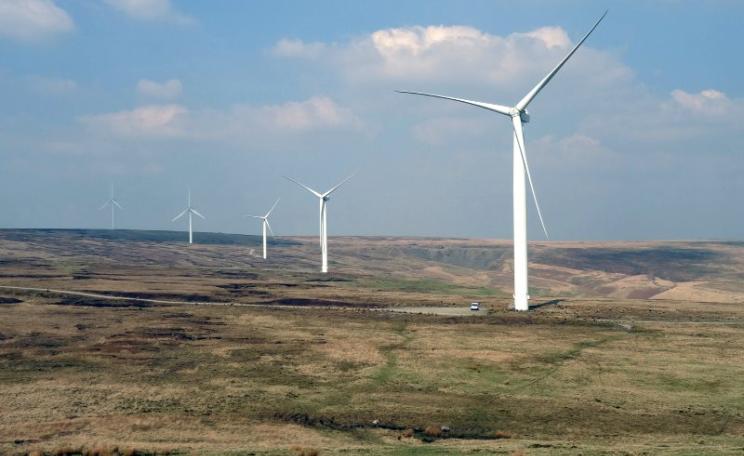
A new report by accountancy giant EY says the UK's Conservative government has sentenced renewable energy sector to 'death by a thousand cuts', writes Emma Howard, and left investors puzzled at inexplicable policy changes.
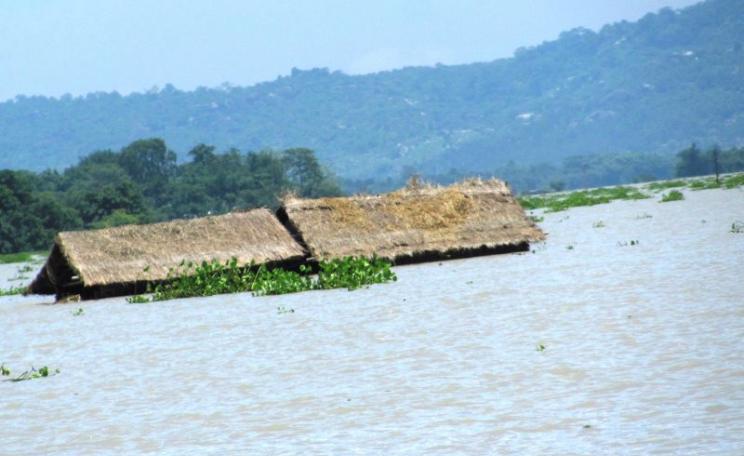
India's tea capital, Assam, has been hit by devastating floods for the second time in three years, writes Sneha Krishnan. But the government has failed to address key environmental issues like deforestation and soil conservation, or involve local communities in developing solutions. So ever more fertile land is lost to erosion, and millions of the country's poorest people suffer.
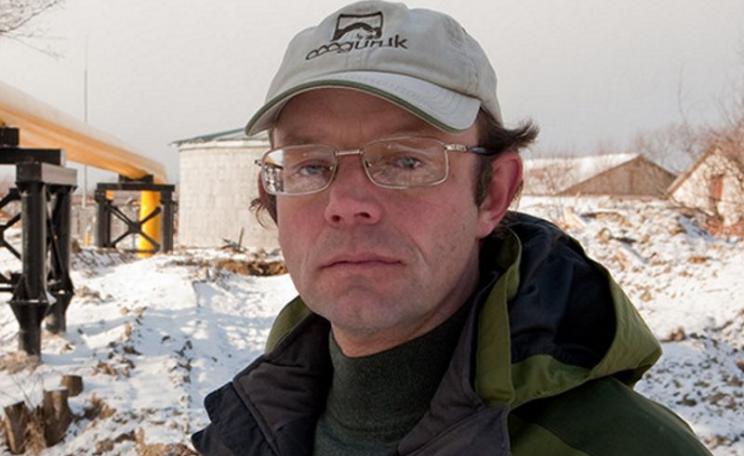
The respected Russian campaign group Sakhalin Environment Watch is being forced to choose between registering as a 'foreign agent' label and closing down, writes Oliver Tickell. Environmental campaigning, it seems, is now a 'political activity'.
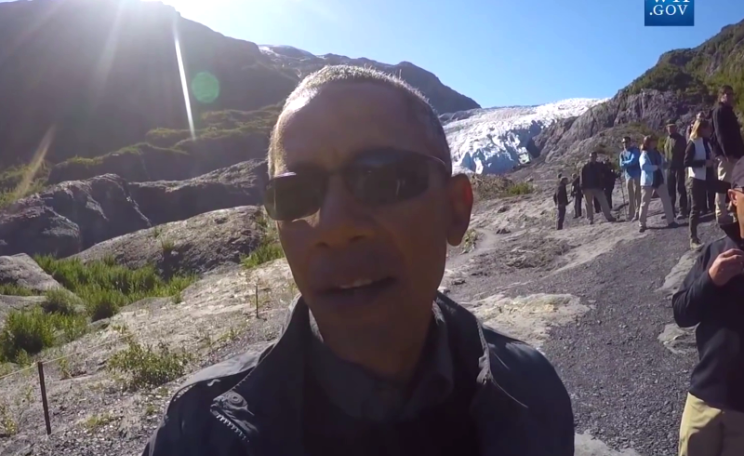
President Obama's whistlestop Alaskan tour highlighted his unique ability to believe in two completely contradictory ideas at once, writes Timothy Clark. On the one hand, the importance of climate change and the urgency of preventing dangerous warming. On the other, the importance of the Arctic's fossil energy and the urgent need to exploit it as rapidly and completely as possible.
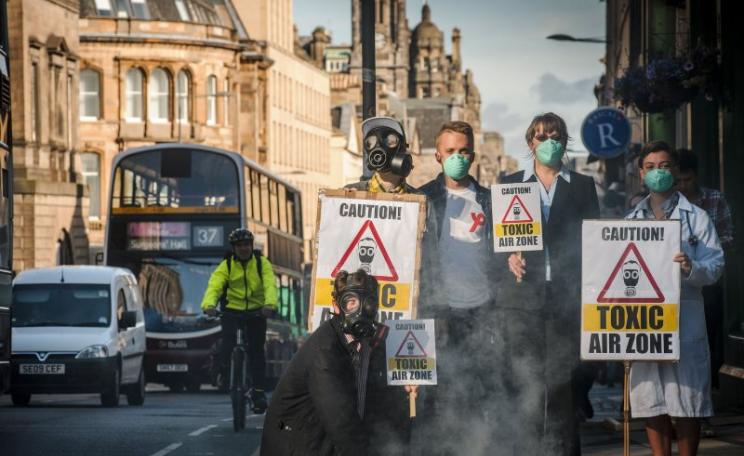
The UK government's response to the Supreme Court's order to clean up air quality in key urban areas has been condemened as vague, weak and slow, lacking in clear targets and compulsory measures. New figures reveal that over 50,000 people a year are being killed by air pollution.
The magnitude of Corbyn's victory today represents an irreversible seismic shift in British politics, writes Oliver Tickell. Finally the Tories face serious, principled opposition that will reveal them as the far-right ideologues they truly are. The reverberations will echo far, wide, long and deep, including to the US where the socialist Bernie Sanders is well on his way to winning the Democratic nomination.
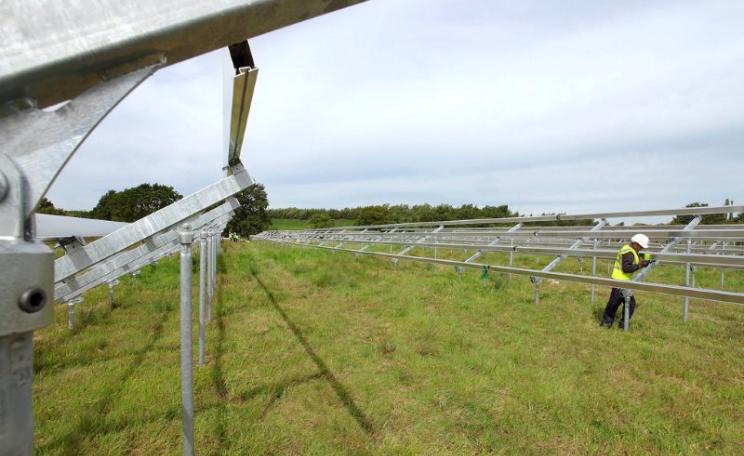
A stones throw from where Cuadrilla lost its bid to develop a fracking operation in Lancashire, a solar farm has just won planning permission with widespread local support, writes Ben Lucas. However a 194-turbine offshore wind farm near the Isle of Wight has been refused planning consent.
British Prime Minister David Cameron is receiving Israel's Benjamin Netenyahu into his Downing Street home just as Israel embarks on its ethnic cleansing of the Negev, writes Alia Al Ghussain. The imminent demolition of the 'unrecognised' Bedouin village of Umm Al Hiran and the eviction of its residents looks like the realization of the 'Prawer Plan' to Judaize the desert.