Resurgence & Ecologist presents the annual Festival of Wellbeing, 10th and 11th October. A weekend of talks and workshops designed to explore wellbeing, happiness and sustainability.
Commitment to action on climate change was once a banner of modernism adopted by by both Tony Blair and David Cameron, writes Leo Barasi. But no longer. The Tories have abandoned it entirely, while the Labour mainstream, in thrall to the twin narratives of 'austerity' and 'aspiration', looks the other way. So how to put climate change back on the centre-left agenda?
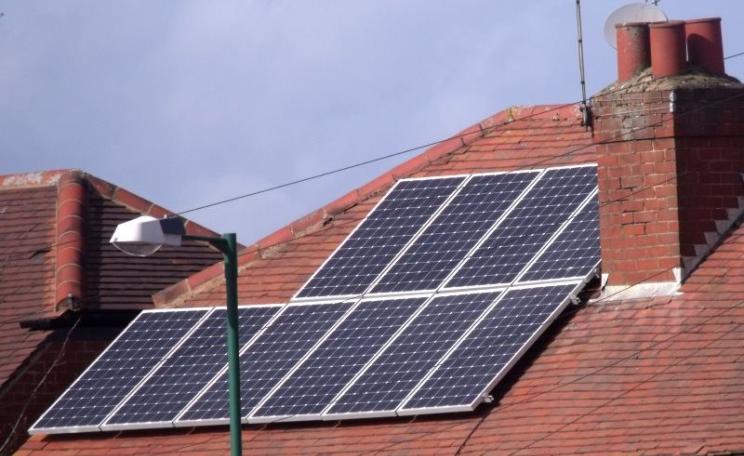
The UK government is to cut support for domestic rooftop solar to 13% of current levels, with similar cuts for bigger systems, and end all support for small scale renewables by 2019. The likely result, and surely the intention, is to kill off the UK's solar industry altogether.
The idea that GMO cotton offers hope to Africa's impoverished cotton farmers is facile and fraudulent, writes Arya Tajdin. In fact it only adds to their vulnerability. Their real problems lie in the structural oversupply of subsidized cotton on world markets, and the flood of 'kifua' - dead white man's clothing - that undermines the continent's textile industries.
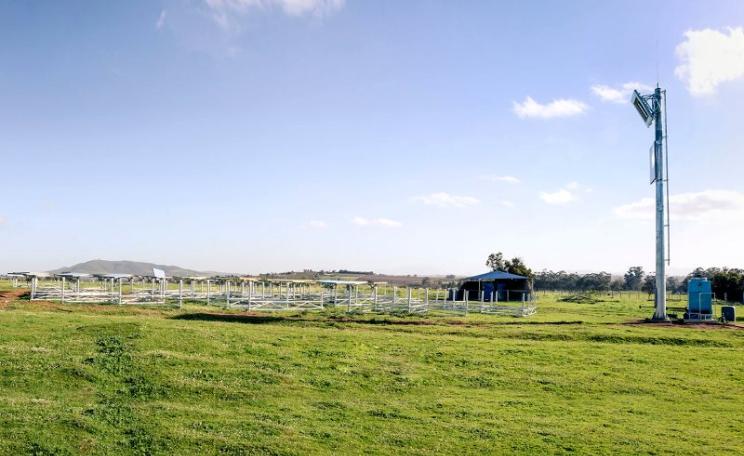
The 'other' solar technology, CSP, which uses mirrors to concentrate the sun's rays, is about to get a lot cheaper, writes Jeffrey Barbee. A South African team has developed a low cost design suitable for mass production that can be 'plonked' on site straight from the factory.
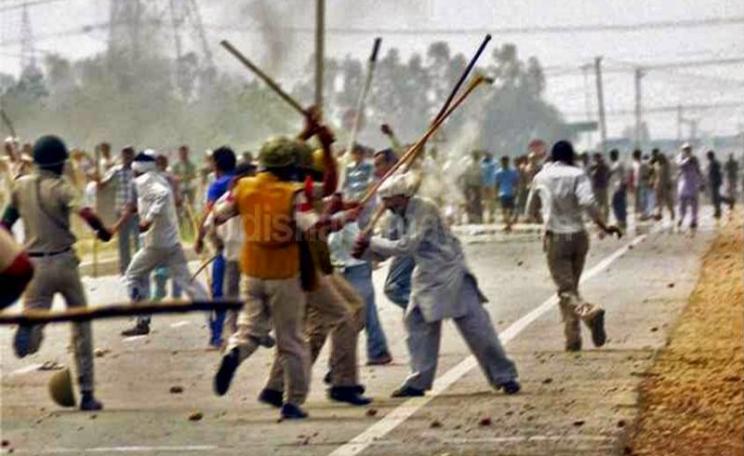
President Modi is determined to sweep away 'obstacles to growth' including the laws that allow marginalised communities to challenge the confiscation of their lands and forests for dams, mines and other 'development' projects, writes Arpitha Kodiveri. If proposed 'reforms' are enacted, the only remaining avenue of dissent may be one of armed conflict.
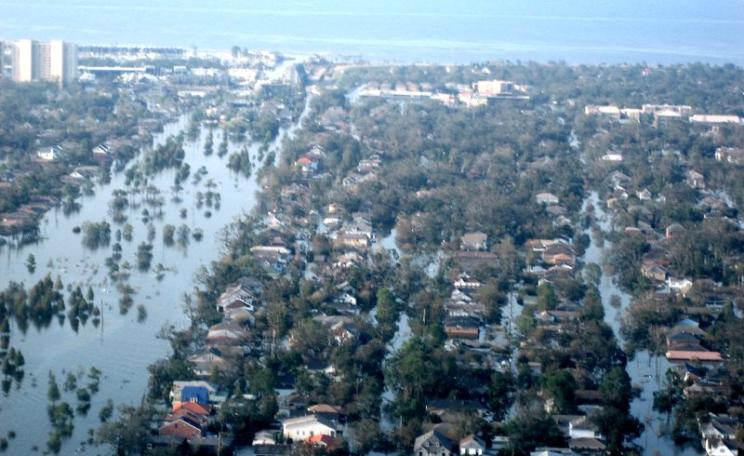
Climate change shows its true face in extreme events, writes Kerry Emanuel: the storm surge with a 12 inch head start thanks to rising sea levels, propelled by a wind that's 20 mph faster, dropping an extra inch of rain beyond the 'normal' storm. Hurricane Katrina and Typhoon Haiyan are sending us a clear message: the world must get ready for bigger and badder, fast.
A month after warning the government of legal action over its decision to allow farmers to use bee-killing pesticides banned under EU law, Friends of the Earth has filed a High Court legal challenge to have the 'derogations' declared unlawful.
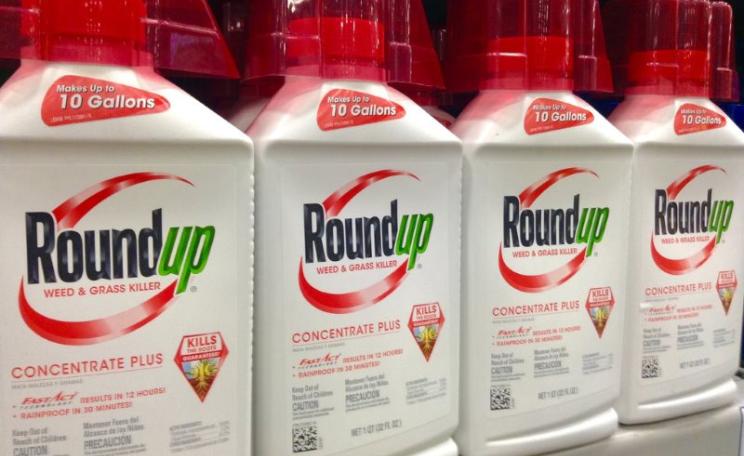
The EU's 'rapporteur state' on glyphosate, Germany, has recommended re-approval of the herbicide with its daily intake increased by 67%, write Drs Nancy Swanson and Mae Wan Ho. The verdict is based on a re-assessment carried out by Monsanto and a consortium of chemical companies, based on unpublished industry studies. It should be rejected outright.
Increasingly mild winters have caused an abundance of acorns and beech nuts in Europe's woodlands, writes Paul Brown, triggering a wild boar population explosion - just one of the effects of warming climate on wildlife populations.
As World Water Week kicks off in Stockholm today with a theme of 'Water for Development', the drought being deliberately inflicted on Palestinians is firmly off the agenda, writes Laith Shakir. While Israelis water their lawns, irrigate crops and swim in Olympic-sized pools, Palestinian communities a few kilometers away are literally dying of thirst.
A new study finds that the Roundup herbicide disrupts the hormonal system of rats at low levels at which it's meant to produce no adverse effects. By the same mechanism It may be causing the potentially fatal condition of 'adrenal insufficiency' in humans.
A growing protest movement is demanding strong controls on international investors and logging companies buying up Romania's forests, writes Raluca Besliu. In its sights is Austria-based Schweighofer, which stands accused of criminal malpractice and accepting illegal timber shipments. The popular outrage stirred up by corporate misdeeds is now stimulating a wider democratic revival.
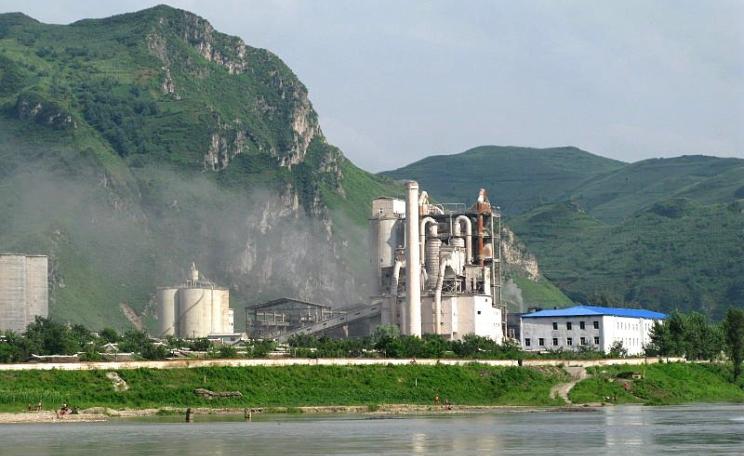
The IPCC has over-estimated China's emissions since 2000 by 14%, almost 3 gigatonnes of carbon since 2000, while its energy consumption has been 10% higher than realised, writes Eliza Berlage. The country is far more carbon-efficient than we ever knew.
It's a fair question, writes Doug Parr, but one to which we are getting no answers - the government is keeping its sums and energy models secret. It looks as if the energy department, DECC, is making things up as it goes along to justify its pro-nuclear, anti-efficiency and anti-renewables policies. And when it all goes disastrously wrong, who will end up paying for the mess? We will.
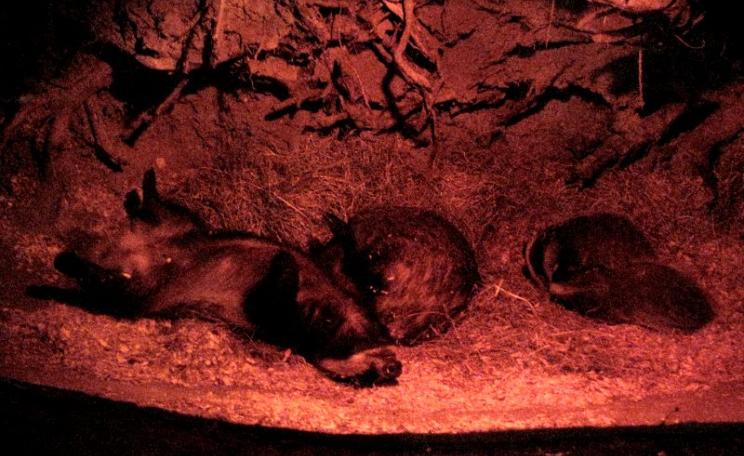
A scientific paper published today says badger persecution may be one of the reasons for the persistence of bovine TB hotspots, writes Oliver Tickell. A further finding is that the main risk factors for bTB are all to do with cattle - not badgers at all.
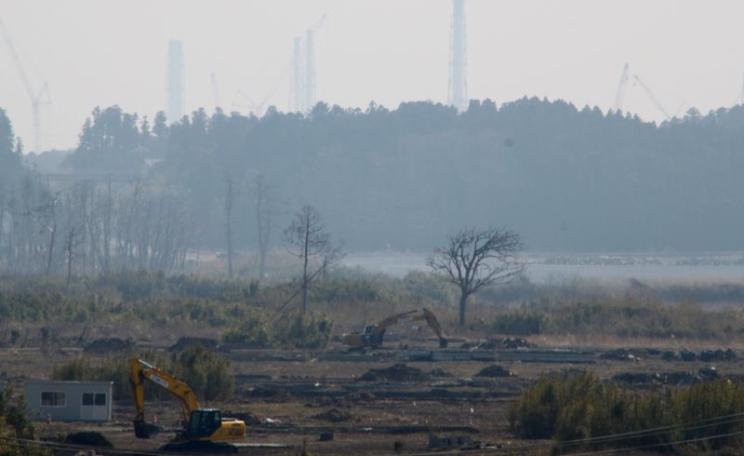
New evidence from Fukushima shows that as many as 2,000 people have died from necessary evacuations, writes Ian Fairlie, while another 5,000 will die from cancer. Future assessments of fatalities from nuclear disasters must include deaths from displacement-induced ill-heath and suicide in addition to those from direct radiation impacts.
China is by far the world's biggest producer of solar panels, writes Kieran Cooke. But the industry is suffering from over-capacity, razor thin profits and a failure to innovate.
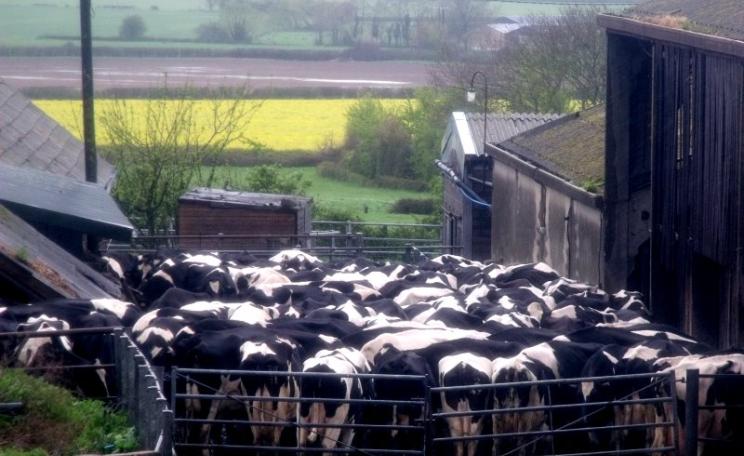
Just as the banks are 'too big to fail', so Britain's struggling dairy farmers are 'too small to save', writes Simon Fairlie. And it's not just the government that's happy to see 16 dairy farms go the wall every week - it's also the National Farmers Union to which most pay their dues. The NFU's paradoxical response to the milk glut is to push for ever higher, more intensive milk production.
Canadian mining company Gabriel Resources is seeking over $2.5 billion damages from Romania after it rejected a vast gold mine at Rosia Montana, writes Oliver Tickell. Incredibly, it is taking legal action under a UK-Romania trade agreement.
If you're expecting COP21 in Paris to save the world's climate you're in for a disappointment, writes Alex Scrivener. For governments, climate is secondary to the really big issues - like endless economic growth and ever-increasing corporate profit. But there's still plenty campaigners can do to shame politicians, businesses and investors into meaningful action.
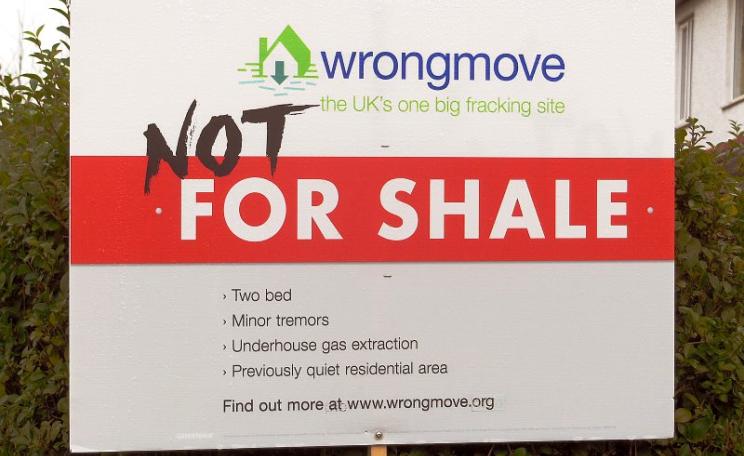
New measures to compel local councils to speed up frackers' planning applications have a clear intention, writes Oliver Tickell - to make it ever harder for planners to refuse permission.
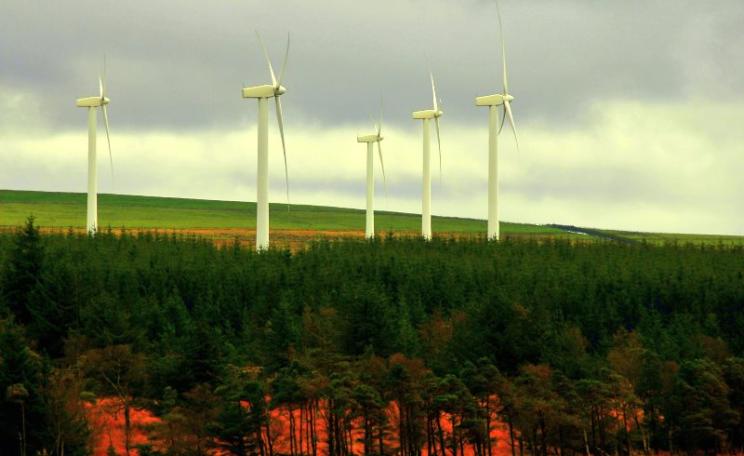
The success of the SNP and surveys carried out by DECC show that green energy is overwhelmingly popular, writes Keith Barnham. Labour's failure to support renewables and oppose nuclear power and fracking may have cost them the last election - but now, with the rise of Jeremy Corbyn there's a real chance for the party to put that right.
Pristine beaches, clear Caribbean waters, coral reefs, fertile land ... such is the homeland of the Garifuna people, writes Jeff Abbott. It's so lovely that outsiders are desperate to seize ever more of their territory to develop for mass tourism, oil palm plantations, illicit drug production ... and the land grabs have the full support of Honduras military government, backed to the hilt by Uncle Sam.