An new design of tidal power turbines will generate power at a third the price of current technologies, write Alex Kirby & Oliver Tickell, even at a lower price than offshore wind - without endangering marine life.
A new study finds that Indian farmers in rain-fed areas are being driven to suicide from the increased cost of growing Bt GMO cotton varieties that confer no benefits to them, writes Eva Sirinathsinghji. The extra expenses arise from buying new seeds each year, along with increased chemical inputs, while suffering inadequate access to agronomic information.
Scotland's small-scale farmers have welcomed their government's decision to prevent the growing of GM crops, aimed at enhancing the country's 'clean, green status', among a coalition of green NGOs.
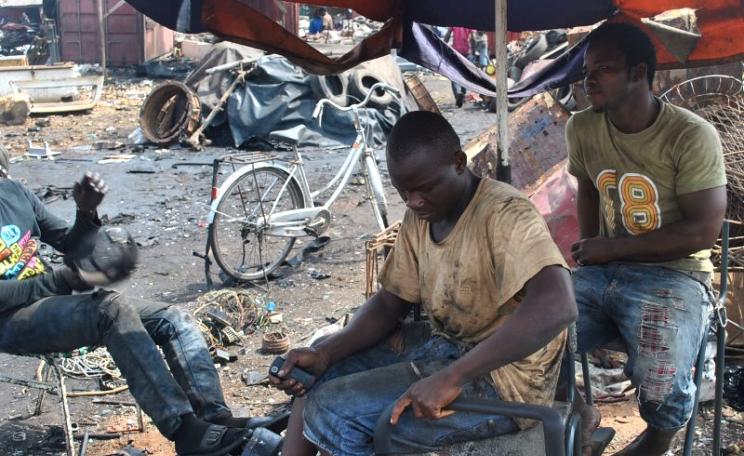
Most accounts of Agbogbloshie, the e-waste site in Accra, Ghana, persistently miss the point, writes Dagna Rams. Far from being a simple 'dump' for the world's trash, it is a huge recycling operation that pays for the wastes it receives, employs thousands of young men who would otherwise lack jobs, and plays a huge role in the national and global economy.
The loss of Indonesia's coastal mangrove forests for shrimp farming is a huge source of carbon emissions, writes Prodita Sabarini. But equally, a policy flip to preserve and recreate mangroves offers a major climate win.
Glaciers around the world are melting on a scale without precedent in recorded history, writes Alex Kirby. Measurements of over 5,000 glaciers show that they have been retreating so fast so far this century that even if climate is stablised, the ice losses will continue for years to come.
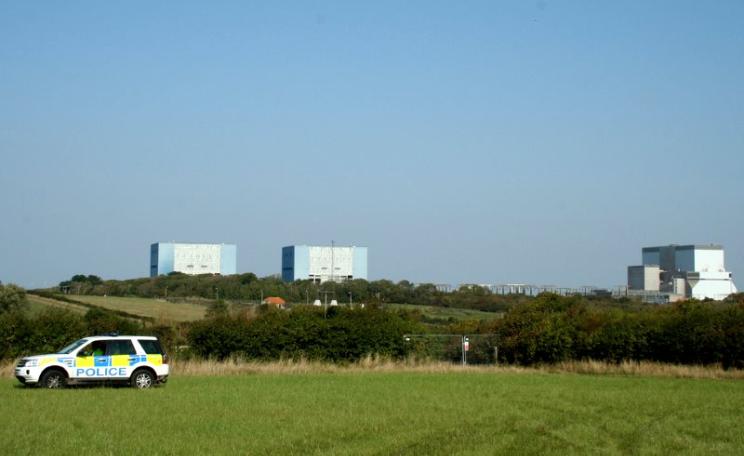
Following high-level criticisms of the Hinkley C nuclear plant from HSBC and the Chancellor's father in law, EDF, the company in line to build the power station, is fighting back hard, writes Oliver Tickell. But it could all be too late to rescue the doomed project.
Japan is living under the shadow of US militarism, write Taisuke Komatsu & Semanur Karaman - and most of all in Okinawa, the nation's southernmost archipelago. Against overwhelming local opposition but backed by Japan's government, the US is building a new military base that is seizing land and threatens the unique ecology of Oura Bay with its seagrass beds, dugongs and coral reefs.
Solar panels made using perovskite technology pay back the energy used to make them ten times faster than those using silicon. In time, this could lead to similar falls in price.
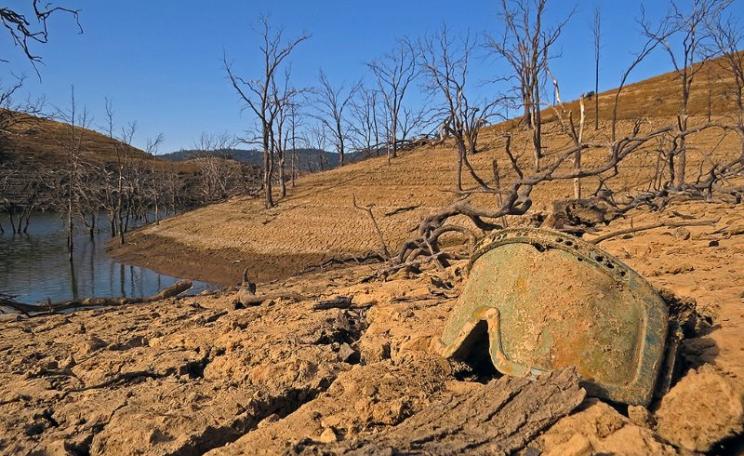
While households and small feel the brunt of California's drought, it's business as usual for agribusiness, writes Will Parrish. And despite the 'first user' principle that determines water rights, the state's indigenous tribes and the wild salmon on which they depend, have been left high and dry. The Public Trust Doctrine could change that - but only if the people demand it.
With the US, China, Germany and other countries firmly fixing their aim on a low carbon, renewable energy future, the UK government has chosen precisely the opposite track, write Noam Bergman, Lee Stapleton & Mari Martiskainen. Its mission to destroy wind and solar power, undercut energy efficiency and boost nuclear power and fracking threatens serious, lasting damage.
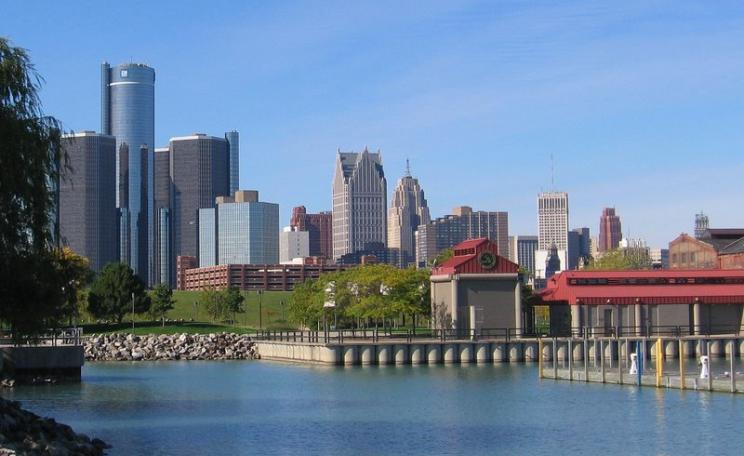
Detroit is the site of a neoliberal experiment that's already being repeated elsewhere, writes Chris Grove, with unpayable debt used to force the privatization of public services and the terminate democratic power and accountability. But as the city's poor find themselves cur off from water, a new, wider conception of human rights is emerging from the wreckage.
Japanese rice farmers won a reprieve last week when TTP negotiations in Hawaii ended without conclusion on opening Japan up to cheap US rice imports, writes Nicole L Freiner. But with Japan keen to export more cars to the US, the victory is a temporary one. At stake is a way of life, an ancient land-rooted religion, and the future viability of Japan's farming villages.
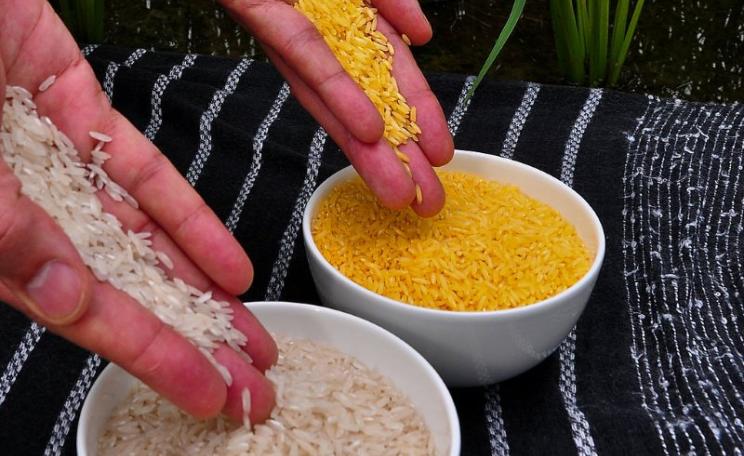
A key paper that's been widely cited to justify the use of GM 'Golden rice' to boost vitamin A nutrition has been withdrawn due to ethical breaches, with no proof of consent by parents of the children taking part in trials. But that's not the only objection.
The Conservative attack on the environment is being carried out for good reasons, writes Chris Rose: because they can; because it delights their support base; because it heads off UKIP; and because they think it carries no political risk. Now it's up the UK's green movement to prove them wrong. But have our 'herbivorous' NGOs got the stomach for a fight?
Previously suppressed documents show that Bayer and Syngenta, the makers of controversial 'neonic' insecticides subject to an EU ban, took part in and sought to influence a key meeting of pesticide experts to decide whether to lift a ban on their use in the UK.
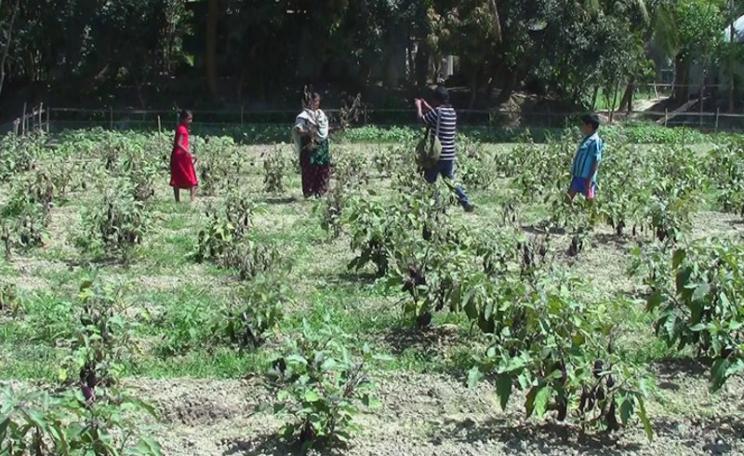
A BBC documentary claimed 90% success for a controversial GM crop in Bangladesh, Bt brinjal, writes Claire Robinson. But as journalist Faisal Rahman discovered, there's no evidence to support the claim, the BBC relied on biased sources, and its journalists failed to investigate reports of widespread crop failure. Was it all an exercise in pro-GMO propaganda?
A detailed update of key climate indicators by hundreds of scientists reveals that 2014 saw rises in temperatures, sea levels and greenhouse gases to record levels, writes Alex Kirby.
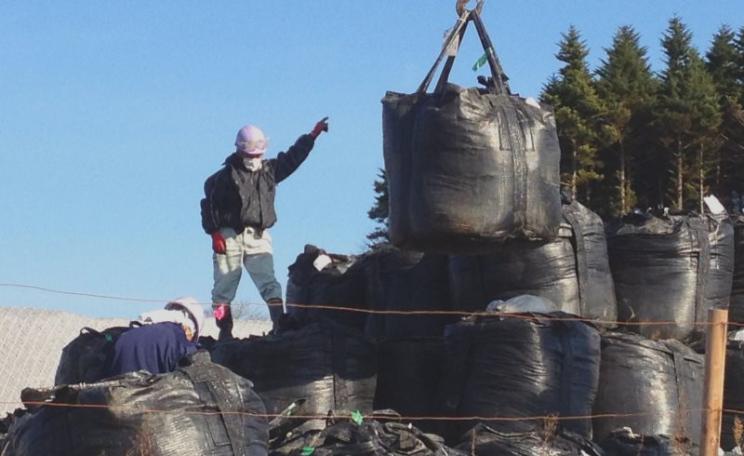
A massive decontamination exercise is under way in Iitate Village near Fukushima, writes Kendra Ulrich: step one in a plan to force 6,000 residents back into the evacuated zone in 2017. But as radiation levels remain stubbornly high, it looks like the real plan is to 'normalize' nuclear catastrophe, while making Iitate residents nuclear victims twice over - and this time, it's deliberate.
Friends of the Earth has taken the first legal steps towards striking out last week's emergency approval of bee-harming 'neonic' pesticides in England, granted last week despite a Europe-wide ban.
Forget tariffs, forget Obama's promises. The whole point of modern 'trade agreements' is to whack pesky labor, environment and health laws, writes David Morris, and so empower capital and corporate power against regulators, governments and democracy itself. Unconvinced? Just imagine what these deals would look like if they were there to empower people.
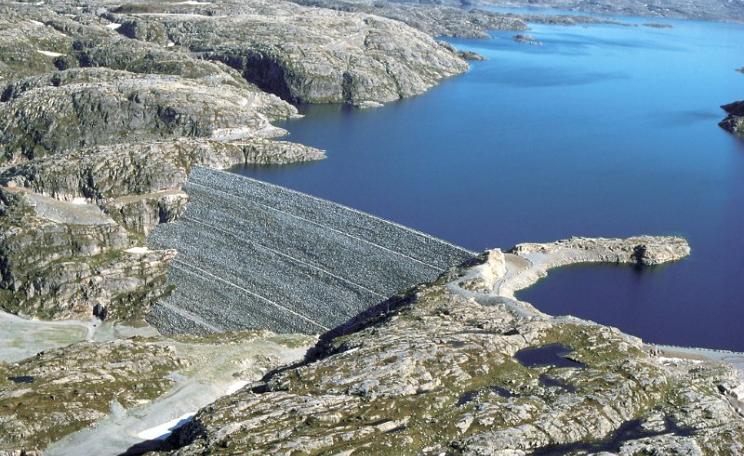
Engineers in Norway aim to put their mighty hydroelectric dams to a new purpose, writes Paul Brown - as giant batteries to store up surplus power from wind and sun across Europe, and put it back in the grid when generation falls off or demand is strong.
The outbreak of Ebola in West Africa had everything to do with logging, deforestation and the disruption of traditional agro-forestry by large scale industrial agriculture, writes Rob Wallace. The only long term solution to this terrible disease may lie in forest conservation, the restoration of agroecological farming systems, and the exclusion of agribusiness investment.
'Detox' campaigners scored a huge victory this week when EU countries voted unanimously to ban imports of clothes and textiles containing the toxic 'gender bender' chemical NPE.