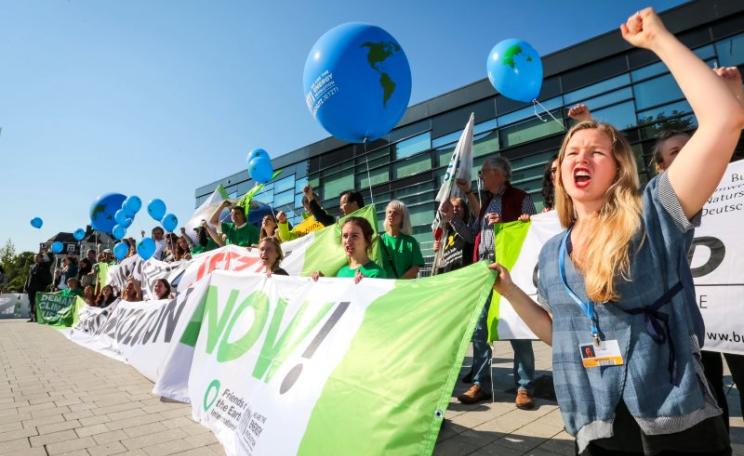
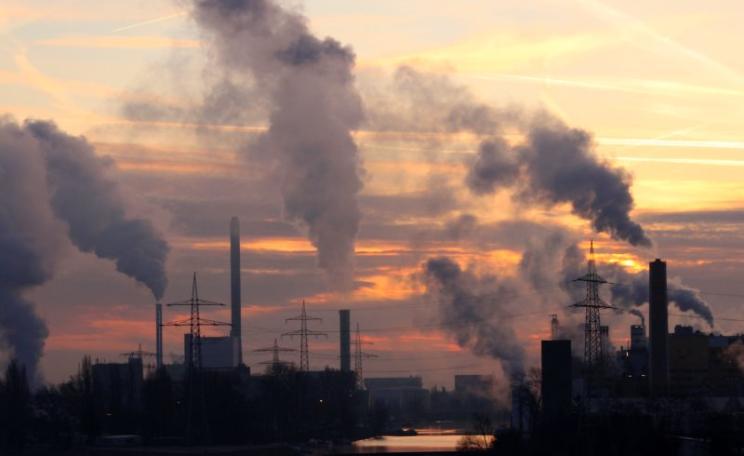
UN climate talks in Bonn ended today without the progress needed to secure agreement at the Paris COP in December - shortly after the G7 issued aspirational climate promises devoid of action, and heedless of warnings that Germany is already suffering the impacts of climate change.
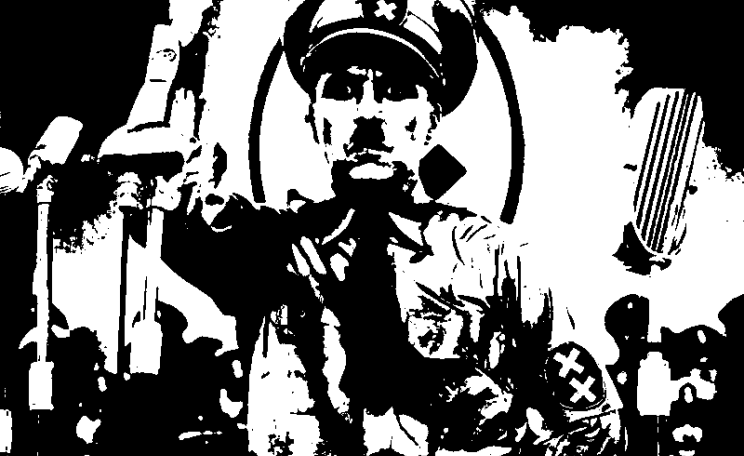
A consistent pattern is emerging in the UK government's plans and policies, writes Paul Mobbs: the stripping away of human rights and freedoms; the detachment of public institutions from democratic accountability; an increase of the powers of the state; and the empowerment of corporations at the expense of people. We must act to preserve our liberties, while we still can.
A long scheduled vote on the TTIP was suddenly postponed in the European Parliament today, writes Nick Dearden. Officially, this was because there were 'too many amendments'. But in reality TTIP backers smelt defeat and ducked the democratic test.
After six decades of oil exploitation, Nigeria's failure to provide for its citizens and develop its economy has exposed a hollowed-out state that benefits only the politicians and plutocrats, writes Joshua Goldfond. This is the environment in which Boko Haram has flourished, and as Nigeria proves incapable of effective action or reform, there's no end in sight to the nation's misery.
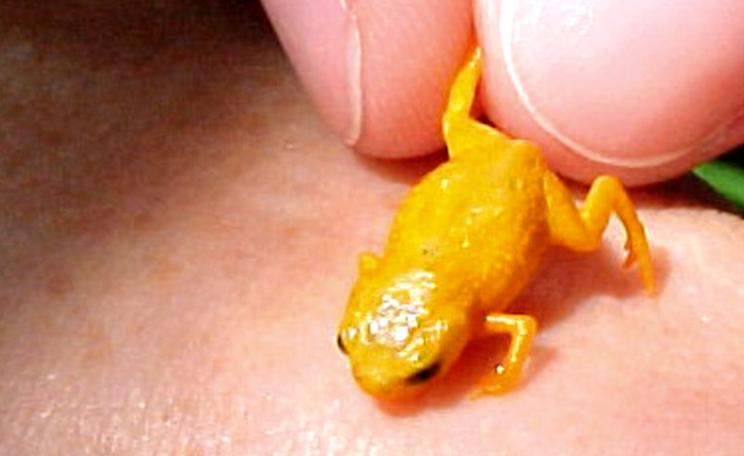
The Atlantic rainforest of Brazil is a biodiversity treasure, writes Miranda Dyson - as exemplified by the discovery of seven minute and beautiful frogs. But with the forest already reduced to under a tenth of its original extent, and going fast, they and countless other species may not survive much longer.
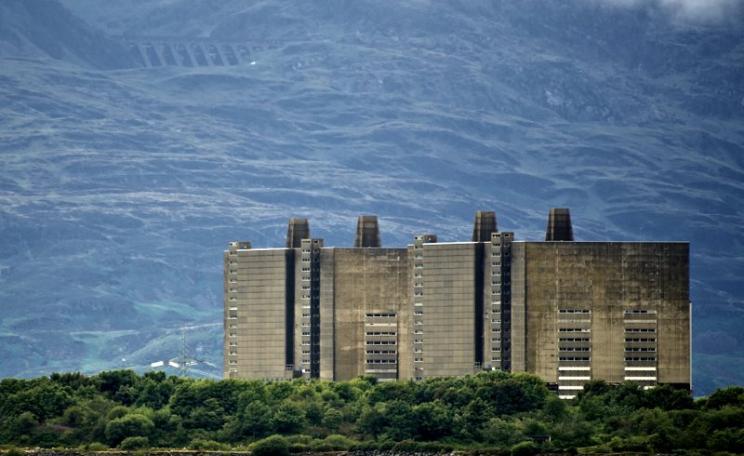
A study of cancer incidence downwind of the Trawsfynydd nuclear plant in Wales shows a doubling of risk, writes Chris Busby, mainly from breast cancer. People eating fish caught in Trawsfynydd Lake are also at elevated risk. It's yet more proof that the nuclear industry's favourite risk model is wrong, understating the actual dangers of internal radiation - ingested or inhaled - by a factor of 1,000 to 10,000.
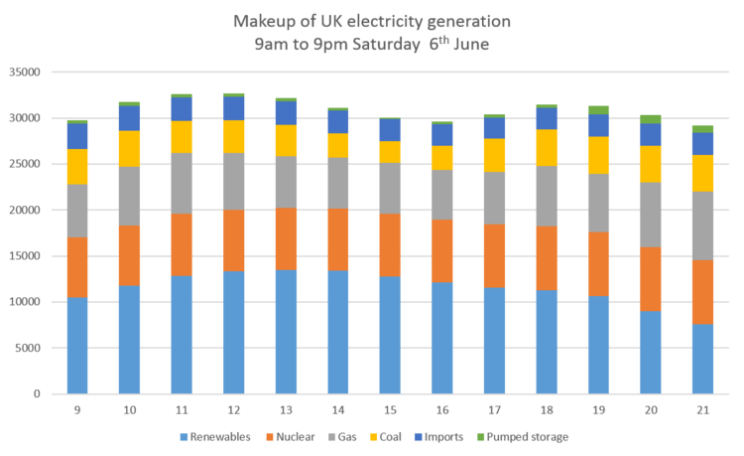
Thanks to the windy, sunny weather conditions on Saturday, the UK's output of renewable power reached an all-time record level of 43%, writes Chris Goodall. At the same time power from coal reached a low of just 7%, it what may be a record low contribution.
The mass spraying of glyphosate in Colombia, both on farmland and in the 'war on drugs', is a direct an attack on small scale farmers, rural communities and FARC rebels, writes W.T. Whitney Jr. But since the chemical was declared a 'probable carcinogen' Colombia has restricted aerial applications. The first step in a wider backlash against the toxic herbicide?
Climatologists have spotted an 'easy hit' to reduce global warming by cutting emissions of short lived forcing agents like soot from dirty power plants, 2-stroke engines and cooking fires, writes Miles Allen. But while we should take action on these pollutants, it must not come at the expense of holding back on cutting emissions of the big long term climate forcer: carbon dioxide.
Norway's sovereign wealth fund, worth over $900 billion, has today announced that it will divest from coal, a move expected to force the sale of investments worth $13.3 billion. Campaigners say that other funds have now 'run out of excuses' not to follow suit.
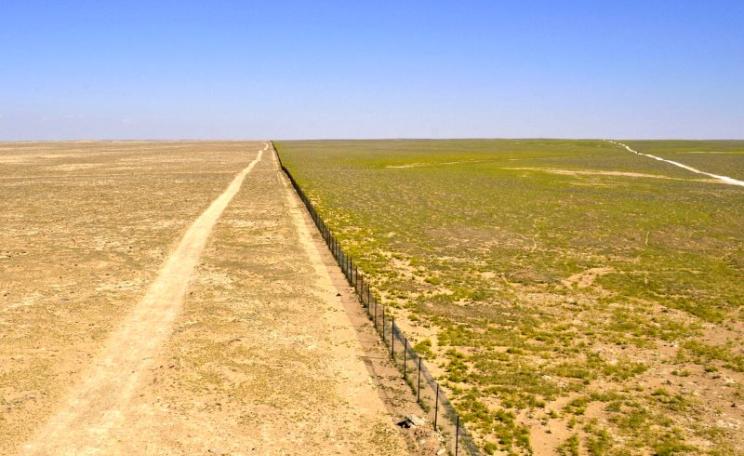
Civil war in Syria is the result of the desertification of the ecologically fragile Syrian steppe, writes Gianluca Serra - a process that began in 1958 when the former Bedouin commons were opened up to unrestricted grazing. That led to a wider ecological, hydrological and agricultural collapse, and then to a 'rural intifada' of farmers and nomads no longer able to support themselves.
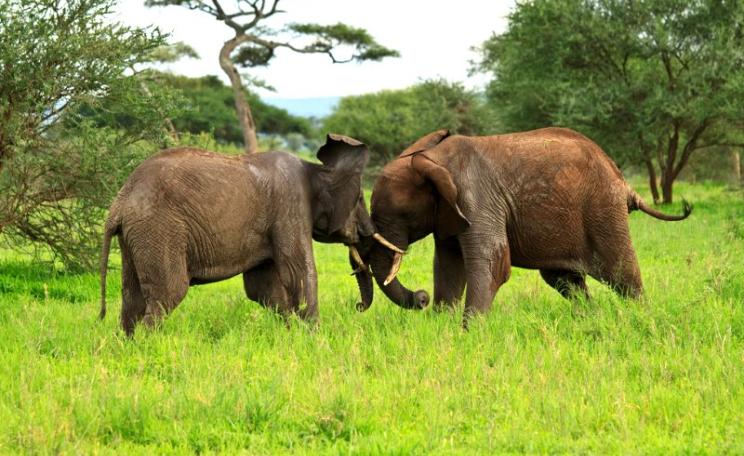
After six months of denial Tanzania has finally admitted that its elephants have suffered a catastrophic 60% decline in five years. But they still refuse to accept it's caused by poaching for ivory, rampant corruption and 'above the law' smuggling networks.
Lured by promises of aid and investment, African governments are rewriting laws to create lucrative opportunities for corporate agribusiness, writes Chris Walker - while consigning their own farmers to servitude and landlessness. But now farmers are rising up, as in Ghana where a new 'Monsanto law' threatens to end their right to grow, save and share their ancestral seeds.
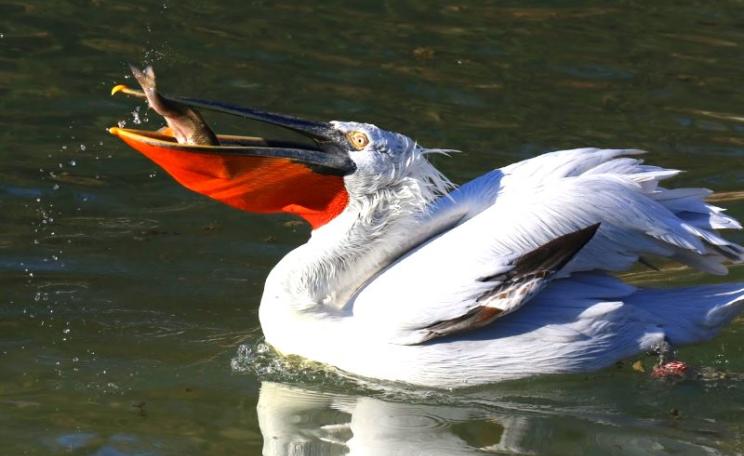
Conservation projects have pulled several endangered European birds back from the brink of extinction, but habitat loss, industrial farming, over fishing and climate change all represent growing threats that requires broader and deeper change in the EU and beyond.
Boading, dubbed China's 'greenest city', is the world's biggest maker of solar panels and wind turbines, write Caleb Goods & Carla Lipsig-Mumme. But it's also has the country's worst pollution. Green energy, electric cars and the batteries that power them are great, but with the heavy toxic footprint they carry from mine to factory, we must not delude ourselves that they are 'sustainable'.
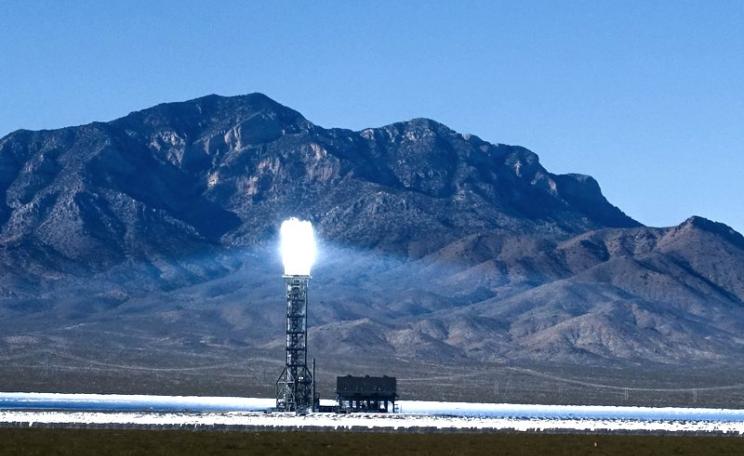
An ambitious plan to make a wholly renewable energy system cheaper than fossil fuels within a decade has been launched today and is set to receive its first hearing at the G7 Summit in Germany next week.
Australia's government can breathe a sigh of relief as UNESCO keeps the Great Barrier Reef off its 'World Heritage in danger' list, writes Emily Lindsay Brown. But in return, it has committed to protect the reef from farm run-off and dredgings, and to implement its 'Reef 2050' sustainability plan. If Australia fails, the Reef could be officially 'in danger' as soon as 2020.
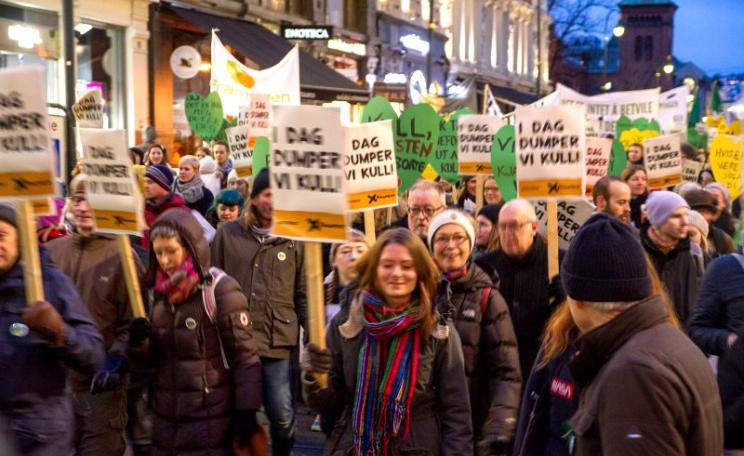
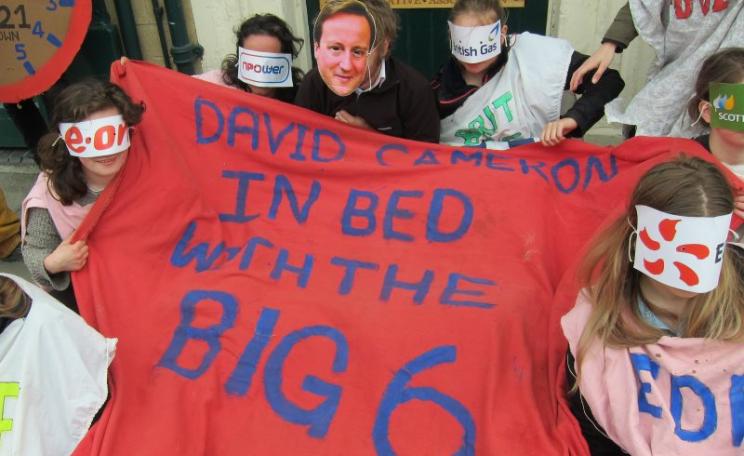
The fossil fuel industry and its political backers have been left reeling by an unprecedented series of direct action strikes against targets across the country to protest at continuing investment in and official support for fossil fuels, inaction over fuel poverty and the systematic neglect of renewable energy despite the global climate emergency.
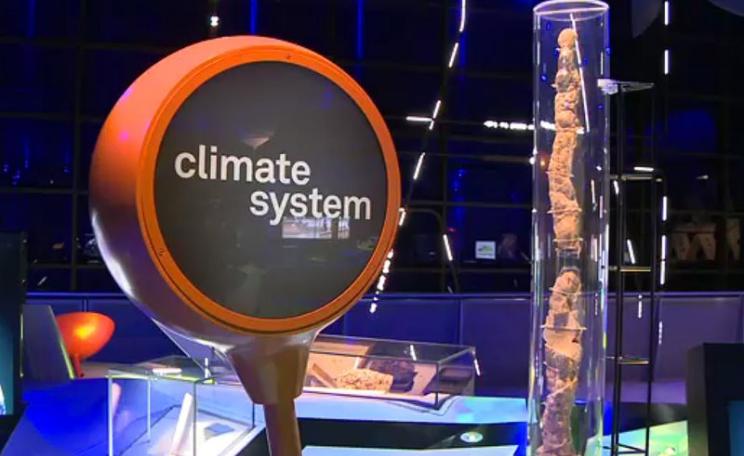
Emails released by the Science Museum show that Shell pressed its case to Museum staff to deny NGOs the opportunity to open up a debate on the company's operations in connection with an exhibition it had sponsored on waste and climate change, writes Terry Macalister.
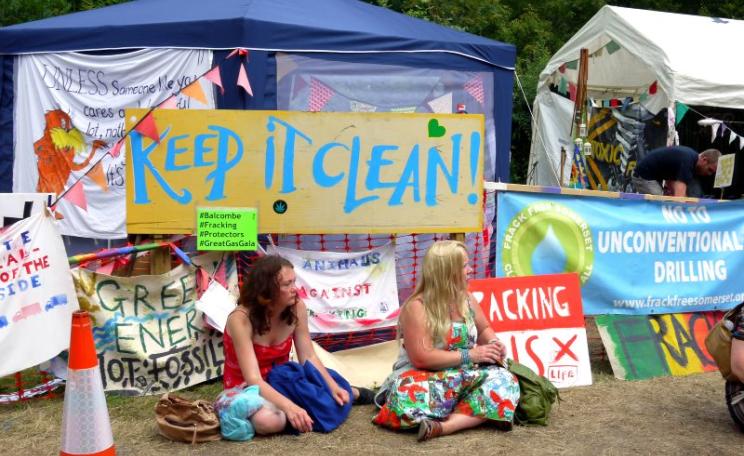
Emboldened by the Tory election victory and the appointment of Amber Rudd as energy Secretary, writes Ben Lucas, planning applications to frack have been coming in thick and fast - even in densely populated London boroughs.
To keep the world's coral reefs alive we may have to cool tropical seas by blocking the sun's rays above them, writes Tim Radford. Even if the world reduces carbon emissions, warming already 'in the pipeline' could kill 90% of the world's coral by 2050 unless we act.
As delegates prepare for the Bonn climate talks, India is being struck by extreme heat with a long-delayed monsoon season and a death toll of thousands, writes Liz Hanna. If this is an indicator of the warming world to come, it's giving us all the reasons we could possibly want to act decisively before it's too late.
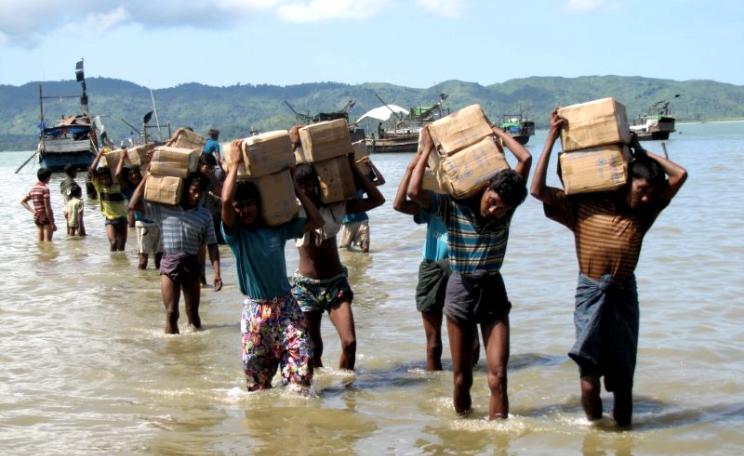
Decades violent expulsions, race laws and denial of citizenship lie at the root of the 'boat people' crisis in Thailand and Malaysia, writes Oliver Tickell. Attacks on the Rohingya minority have escalated since a new policy was announced in 2014 to permanently deny their rights.