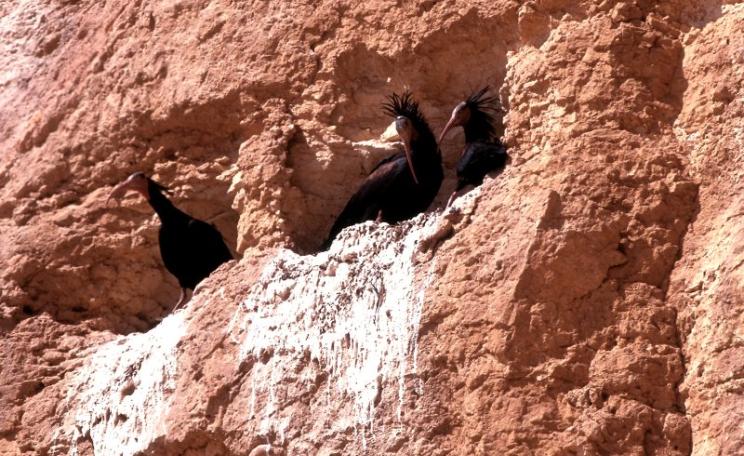
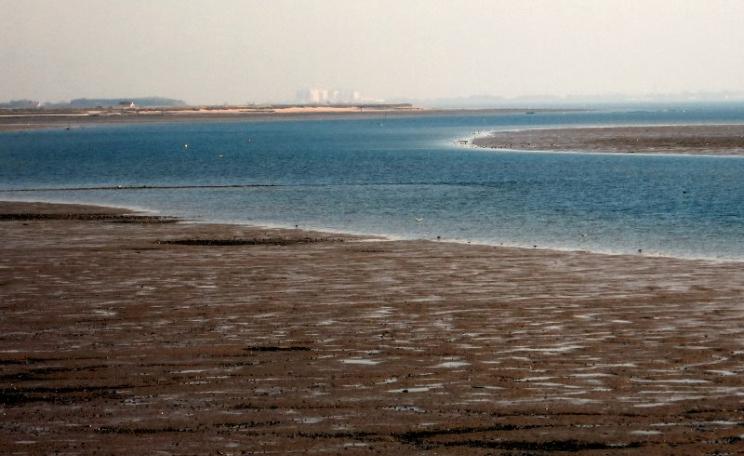
Reports that Syria's iconic Northern Bald Ibis colony is endangered by IS's capture of Palmyra are mistaken, writes Gianluca Serra. The species is already extinct as a breeding population for reasons unconnected with IS. The war that is destroying Syria came only as the last straw for a long-dwindling species whose plight the world chose to ignore.
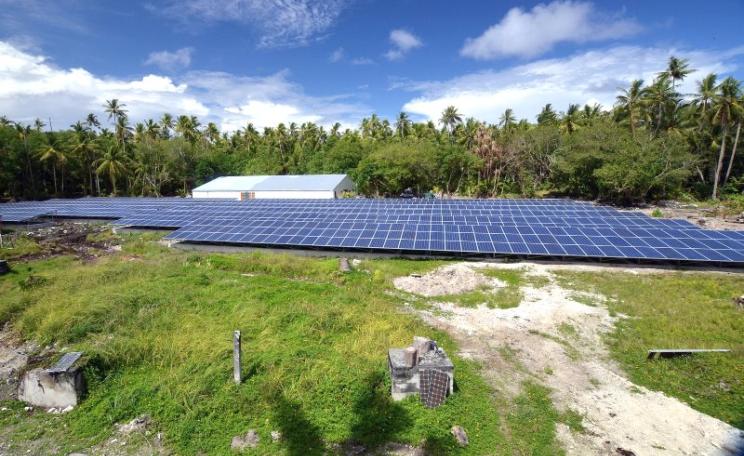
A host of Pacific nations are turning to renewable technologies to satisfy 100% of their energy, writes Maxine Newlands. Samoa is aiming to achieve 100% renewable energy by 2017, while Tokelau has already reached 94% including 100% of its electricity.
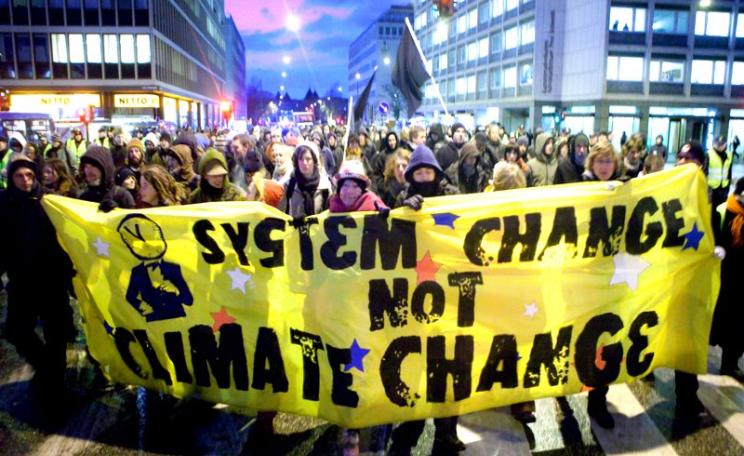
With barely six months until the Paris climate conference begins, negotiating texts remain a morass of alternative wordings, square brackets and legal uncertainties, writes Illari Aragon. With deep divisions between countries on major points of principle, negotiators are meeting next week in Bonn to thrash out differences - but it's far from certain that they will be able to do so.
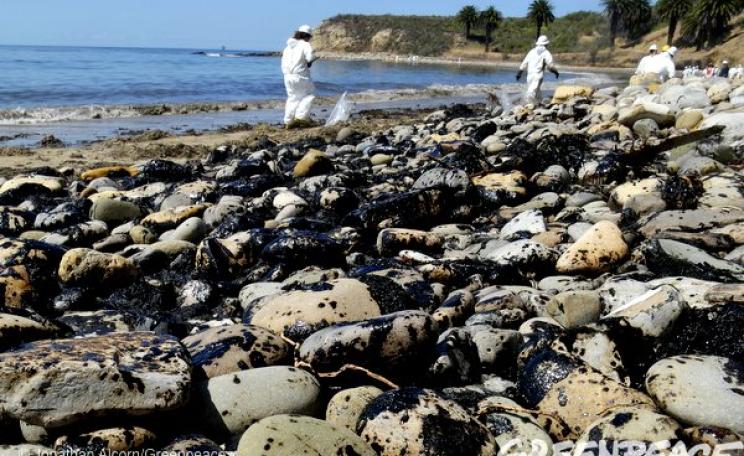
Shell claims a third party audit into its plans to drill for Arctic oil and gas has found 'no issues of significance', writes Joe Sandler Clarke. But the audit remains under wraps, and may never be released in full. Now Obama pledges his support for the project - just as it turns out that Shell selected the 'independent' auditor.
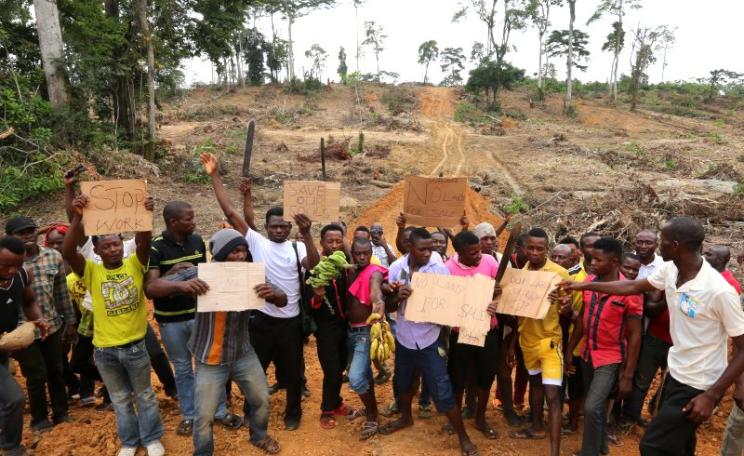
With the deadline due this year for the full implementation of Wilmar's 'No peat, no deforestation, no exploitation' promise, the oil palm giant is keen to push its green image in Europe. But for communities suffering its land grabs in Nigeria, nothing has changed. While Wilmar spins green rhetoric, its bulldozers are still destroying vast swathes of forest and farmland.
A new report from the IMF has quantified the prodigious subsidies doled out to the fossil fuel industries, writes Pete Dolack - an astonishing $5.6 trillion per year, over 7% of world product, including direct payments, tax breaks and unpaid environmental costs. The obscene scale of public largesse proves the need for a social movement to challenge global energy capitalism.
The widely touted 'carbon capture and storage' technology is much more expensive than wind and solar, says a Greenpeace report. It also represents a perverse subsidy to the fossil fuel sector that will only boost coal and oil, and delay the transition to a renewable energy system.
As part of a global week of action campaigners from Divest London have gathered to ‘Raise the Heat' on the Commonwealth Bank of Australia, writes Hal Rhoades - protesting its plan to invest in a ‘carbon bomb' coal project that endangers global climate and threatens to finish off the Great Barrier Reef.
The renewable power boom is excellent news for people and planet, writes Pete Dolack. But let's not get carried away: much energy that claims to be 'renewable; like biomass and big hydro, is no such thing. And greening our energy is just one of many steps to a sustainable world. The greatest challenges - like tackling the monster of infinite 'growth' - all lie ahead.
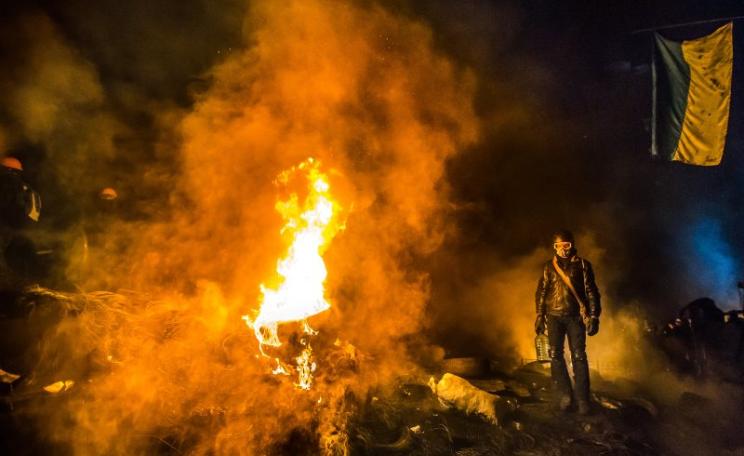
Over a year after violent conflict began in East Ukraine, indications are emerging of its severe environmental impacts in the highly industrialised Donbas region, and the grave health risks to civilians that will endure long into the future. The area will need international assistance both to reduce the hazards, and to 'green' the region's often polluting industries.
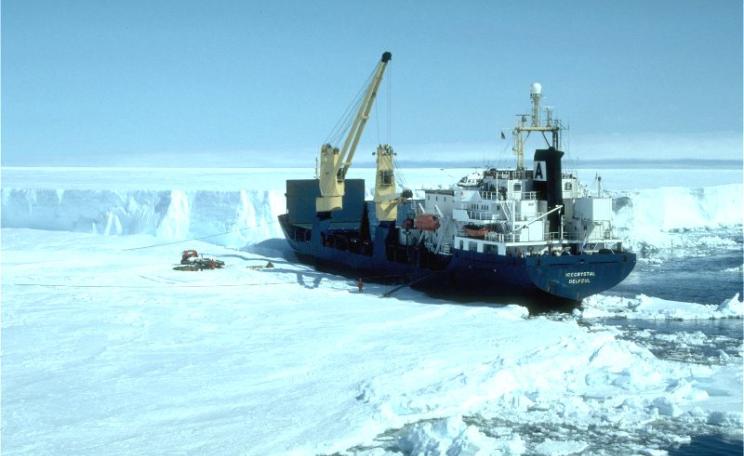
A dramatic shift has taken place in the glaciers of the southern Antarctic peninsula, writes Bert Wouters. Six years ago these previously stable bodies suddenly stated shedding 60 cubic kilometres of ice per year into the ocean. A stark warning of further surprises to come?
Germany's 'Energiewende' has made the country a global renewable energy powerhouse. So why have its carbon emissions gone up? Not because of nuclear closures, writes Melanie Mattauch, but because powerful fossil fuel companies have blocked effective climate action. Now the fight is on as public calls to keep the coal in the ground get too loud to ignore.
Greenpeace India is to fight on for another month after a surge of support from allies, new donors and staff, who have pledged to work through June for no pay after the Indian government blocked its bank accounts.
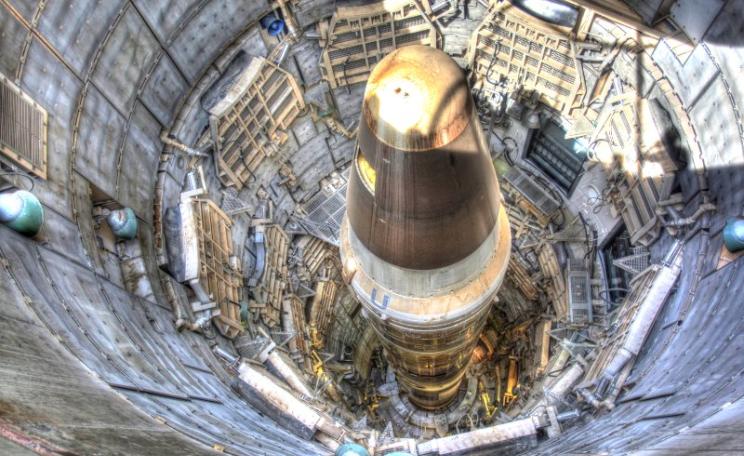
Important developments are unfolding at the Nuclear Non-Proliferation Treaty negotiations in New York this week, writes David Lowry. These include the surprisingly large scale of the US's warhead scrapping, and a grassroots rebellion against the nuclear states led by South Africa. But the UK and its media remain aloof from it all - intent on renewing Trident no matter what.
First the Pepsi-Cola bottling company in south India caused outrage by depleting groundwater. Next it was found to be operating without valid permits.Then as protests grew the company won a High Court order giving it police protection. Now locals are vowing to keep the plant shut for good.
Next to McDonalds, Burger King and KFC, Chipotle's Mexican Grill is a minnow, writes Jonathan Latham. But its decision to go GMO-free will ultimately compel all America's consumer-facing food brands to follow suit - because that's what their customers want. Could this be the beginning of the end of GMOs? That's what Monsanto, Dupont, Bayer and Syngenta fear.
China is struggling with a myriad of environmental challenges, writes Thembi Mutch, as the country 'develops' at breakneck speed with massive construction projects, and industrial expansion. But amid the chaos and filth, the Chinese people are mindful of their history and ancient principles of harmony with nature - something that many are working hard to restore.
The link between nuclear power and cancer is real, writes Chris Busby, and revealed in the UK's cancer statistics - if only you look for it. Previous approaches have focused on rare cancers over large, poorly selected populations. But look at common cancers among those most exposed to nuclear radiation, and the statistical evidence is overwhelming.
Despite massive clearance of carbon-rich forests for palm oil, cattle ranching, soybeans and other cash crops, writes Tim Radford, a new study finds that the net volume of carbon stored in trees is increasing thanks to their growing numbers on grasslands, on abandoned farmland, and in China.
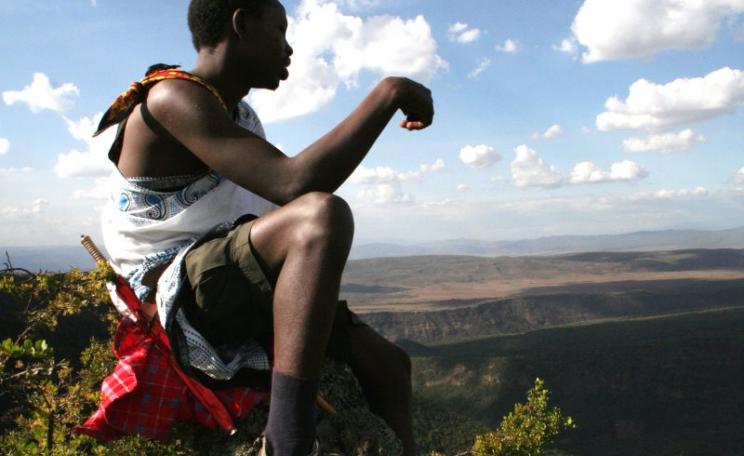
Persistent droughts are undermining the self-sufficiency of Maasai communities in the Great Rift Valley and worsening their living conditions, writes Simone Sarchi. Now these fearless warriors are fighting the battle against climate change through adaptation, education and technology, and by making peace with traditional enemies.
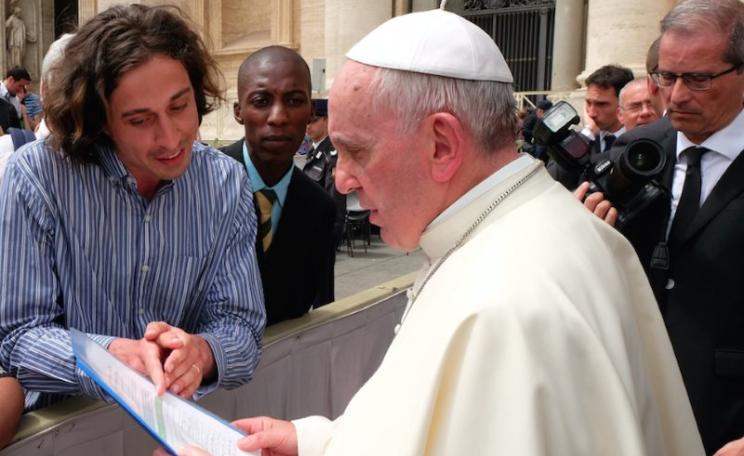
The Pope has urged Catholics around the world to sign a new faith-inspired petition calling on world leaders to limit global warming to 1.5C, shortly after declaring that there is 'clear, definitive and ineluctable ethical imperative to act' on climate change.
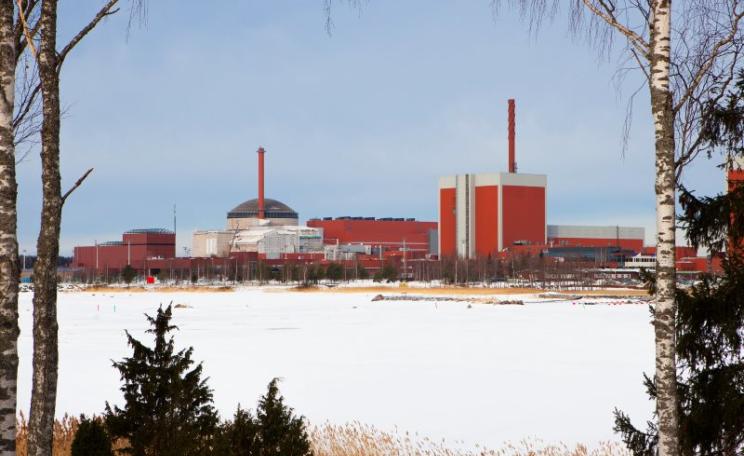
This week Finland cancelled its option for a second European Pressurised Reactor as the existing EPR project sinks into a abyss of cost over-runs, delays and litigation, writes Jim Green. It now looks like the EPR is a failed technology and its owner, French nuclear giant Areva, is fast running out of both money and orders as its 'hot prospects' evaporate.
Arctic warming is releasing ancient organic matter that's been deep-frozen for millennia, writes Tim Radford. And now scientists have discovered its fate: within weeks it's all digested by bacteria and released to the atmosphere as CO2 - with potentially catastrophic impacts on climate.
The military targeting of civilian infrastructure, especially of water supplies, is a war crime under the Geneva Conventions, writes Nafeez Ahmed. Yet this is precisely what NATO did in Libya, while blaming the damage on Gaddafi himself. Since then, the country's water infrastructure - and the suffering of its people - has only deteriorated further.