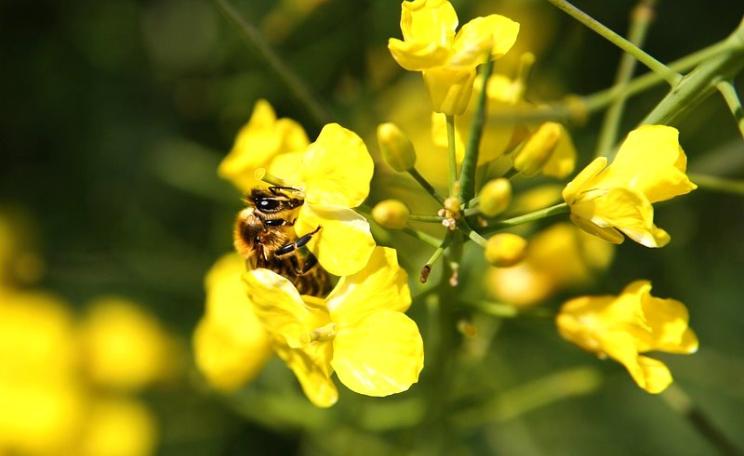
A damning expert critique of the National Farmers Union's application to use banned bee-toxic neonicotinoid pesticide seed treatment on a third of England's oilseed rape crop this autumn has forced the UK government to refuse the NFU's demand.
In a private letter to Tony Blair released today Prince Charles strongly urged Tony Blair to expedite a badger cull in 2005, raising the spectre of a third 'food scare' that would strike down British farming on the scale of BSE and Foot & Mouth disease.
Food and water shortages and sharp price hikes in the necessities of life are driving civil unrest and rebellion across the Middle East and North Africa, writes Nafeez Ahmed. Adding to the problem, many of the afflicted countries are of strategic importance for their oil and gas, putting them on the front line of destabilizing 'counter-terrorism' operations.
Powered by 100% renewable energy, Apple is maintaining its lead as the internet's greenest company, But others are lagging behind: Google has yet to reach 50% and relies heavily on coal, while Amazon's AWS, the massive 'dark cloud' of the web, won't even answer questions.
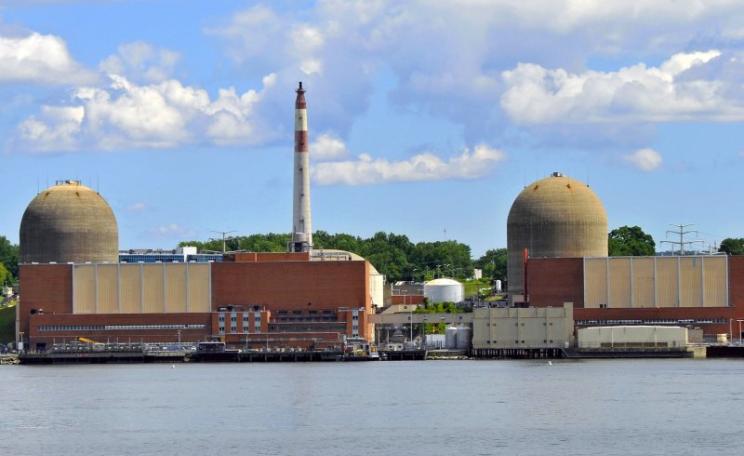
Following the accidental fire in a transformer at the troubled Indian Point nuclear site last weekend, and the unplanned release of oil into the Hudson River, calls are growing for the two remaining power plants to be shut down, writes Karl Grossman. The NRC is likely to extend its expiring licenses for another 20 years - but New York State could still refuse it a water use permit.
Our bees and wider farmland ecosystems have been seriously harmed by neonicotinoids, writes Dave Goulson. But that's just the start of the damage that modern farming is doing to wildlife in a countryside stripped of wild flowers and drenched by cocktails of pesticides. The problem is not just neonics, but the entire model of industrial agriculture.
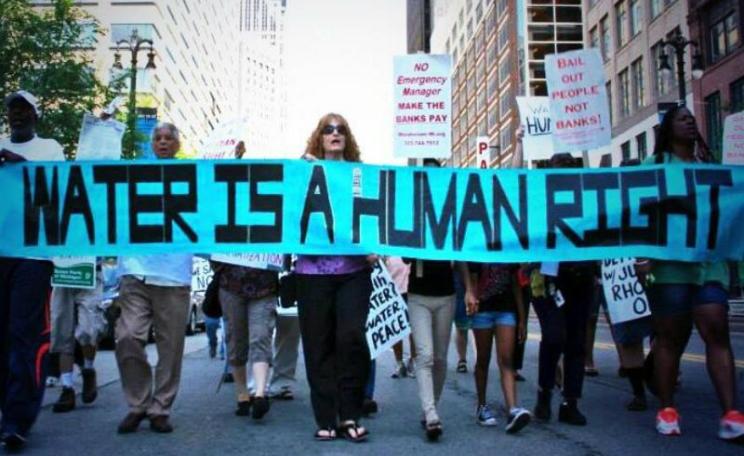
Ignoring cries of protest from impoverished communities and fierce international criticism, Detroit will begin to serve water shut-off notices on some 25,000 households tomorrow as it prepares to privatise its water department.
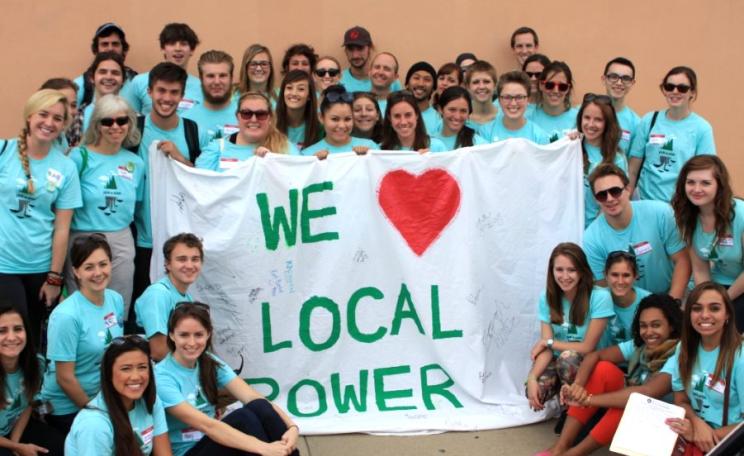
Fed up with being gouged by profit-driven corporations, let down by state neglect and under-investment, urban communities across the US are taking control of local services like public transport, energy, water, internet and telecoms, writes Max Holleran - bringing better service, lower prices and clean energy.
Governments and corporations are driving a global wave of ecologically disastrous airport-centered mega-projects each destroying as much of 100 sq.km of farmland and forests - sucking water, resources and economic activity from surrounding areas, excluding host communities and locking in high-carbon infrastructure for decades to come.
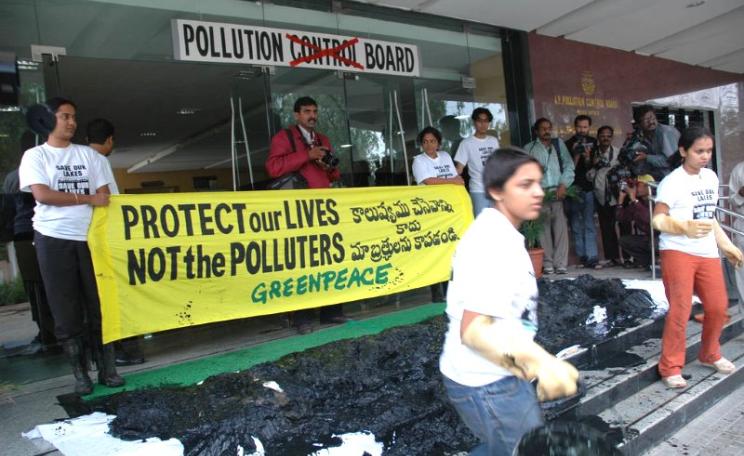
Greenpeace India has barely three weeks left to fight for its survival following a broad government crackdown on civil society. The green NGO has been left with funds for staff salaries and office costs that will last no later than 1st June.
Mainstream energy analysts cling firmly to the belief that fossil fuels will attract the lion's share of world energy investment for a long time to come, writes Michael Klare. But there are four compelling reasons why they are wrong. The renewable revolution is under way, and has already gathered an unstoppable momentum.
Sea level rise, storm surges and bursting dams all pose an increasing danger to nuclear power stations across the world, writes Paul Brown, as the long term risk posed by climate change combines with chance events from extreme weather events to earthquakes.
Industrial agriculture has become a prime driver of many of the world's most serious problems, writes Henrietta Moore: the loss of wild and farmed biodiversity, huge climate-changing emissions, and the entrapment of small farmers in ever-deepening cycles of poverty. But there is a solution: the widespread adoption of agroecological farming.
The Port of Seattle is violating its shoreline permit in allowing Shell to set up a 'home port' for its Arctic oil drilling fleet, according to Seattle officials. The finding could nix Shell's oil drilling plans for the 2015 season.
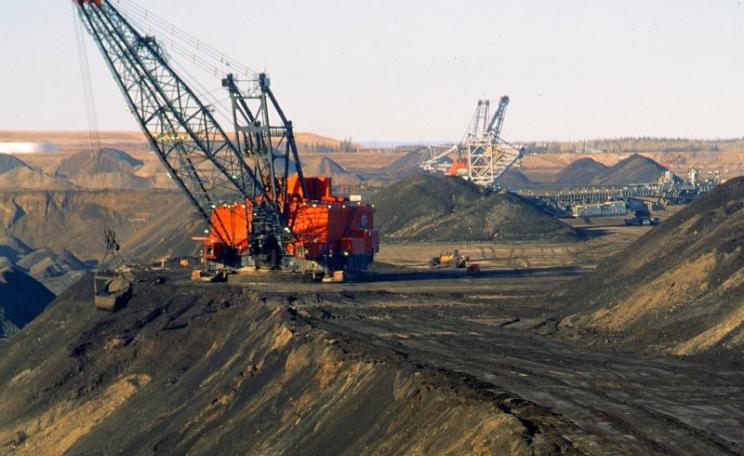
The 'death of peak oil' has been much exaggerated, writes Paul Mobbs. Take out high-cost 'unconventional' oil and production peaked ten years ago, and even North America's fracking and tar sands boom has failed to open up new resources both big enough to make good the shortfall, and cheap enough to reward investors. We really do need to be thinking 'beyond petroleum'.
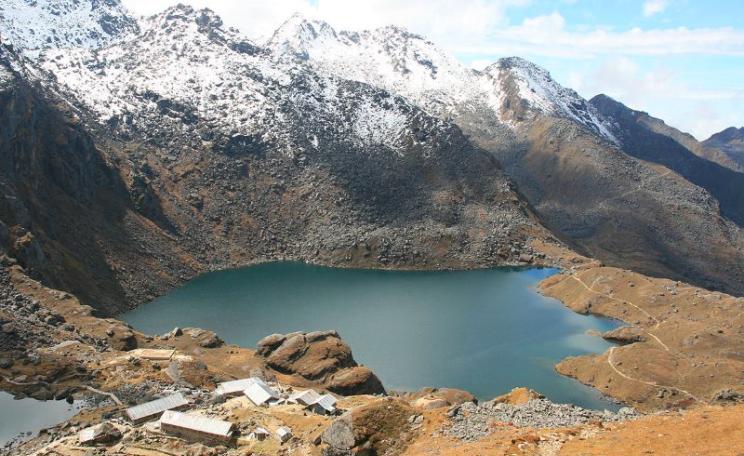
A spate of hydroelectric dam building in Nepal means that future earthquakes could send inland tsunamis flooding down the steep mountain valleys, writes Michael Buckley. Disaster was averted in last month's quake - a badly damaged dam was not yet filled. But despite the risks and the damage to river ecology, tourism and rural livelihoods, there's no sign of any policy shift.
The fracking boom has caused massive vegetation loss over North America's rangelands, writes Tim Radford, as 3 million hectares have been occupied by oil and gas infrastructure and 34 billion cubic metres of water have been pumped from semi-arid ecosystems.
The oil industry and oil producers have a long history of market manipulation, writes Karl Grossman, and we see it going on right now with the low oil price that's squeezing fracking and getting America back onto gas-guzzling SUV's. But longer term, solar power is going to win out, and even Saudi Arabia knows it. Its game? To make out big, while the going's good.
Tesla Energy's new mains power battery has just transformed the energy market - giving a huge boost to small scale renewable energy and killing off both fossil fuelled and nuclear power in the process.
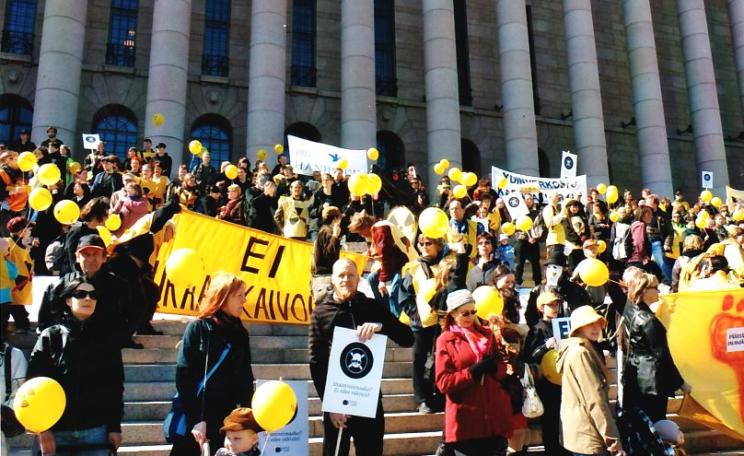
Does Finland suffer from a nuclear death wish? So it seems, writes Ulla Klötzer. Its government responded to the world's two greatest nuclear disasters by ... ordering a new nuclear plant. And as the Olkiluoto nuclear project descended into face and litigation over a disputed €5 billion, they resolved to build two more. This time, supplied by Russia's nuclear weapon-maker Rosatom.
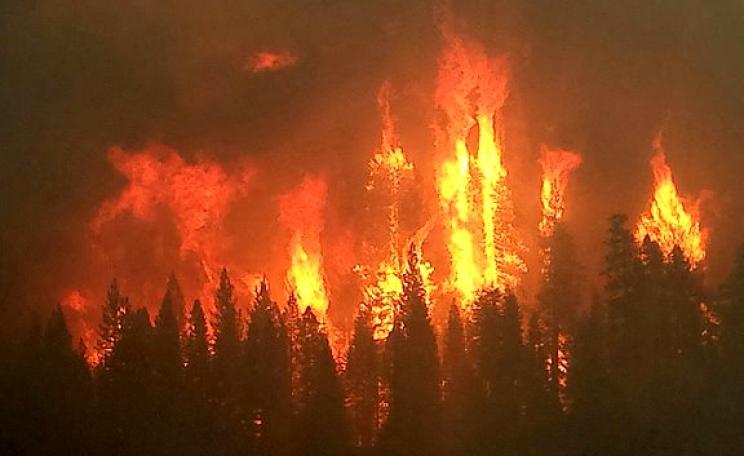
Forest fires raging near the abandoned Chernobyl nuclear disaster site in north Ukraine are releasing a surge of airborne plutonium particles as radioactive twigs, branches and leaf litter burn.
The risk of cancer from the world's top herbicide, glyphosate, is just the tip of the iceberg of health damage caused by exposure to pesticides and other toxic agrochemicals, writes Georgina Downs. It's time for governments to correct their scandalous failure to protect rural residents from the cocktails of poisons sprayed on crops.
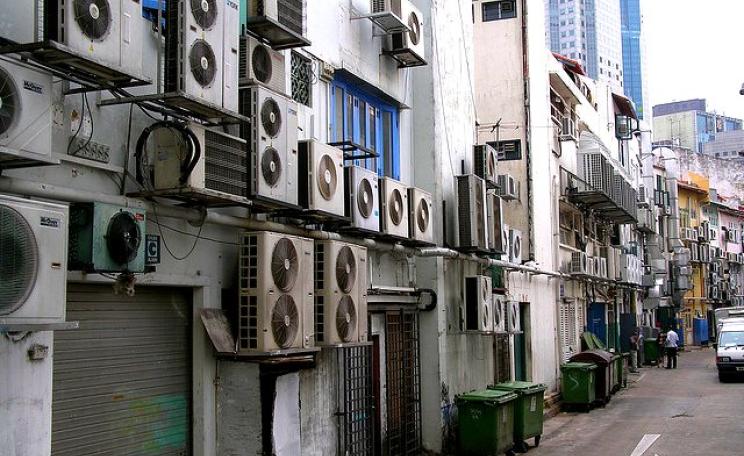
Moves to control powerful HFC greenhouse gases used in refrigeration could culminate in a landmark deal this November, writes David Doniger - the perfect prelude to the main Paris climate talks.
Palestinian children as young as 11 work on Israeli farms in the occupied West Bank, an HRW investigation reveals. While the EU buys produce worth $300m a year from the illegal 'settlements', undocumented child labourers are exposed to pesticides, paid well below the minimum wage, enjoy no employment rights, and toil long hours in hot fields and greenhouses.