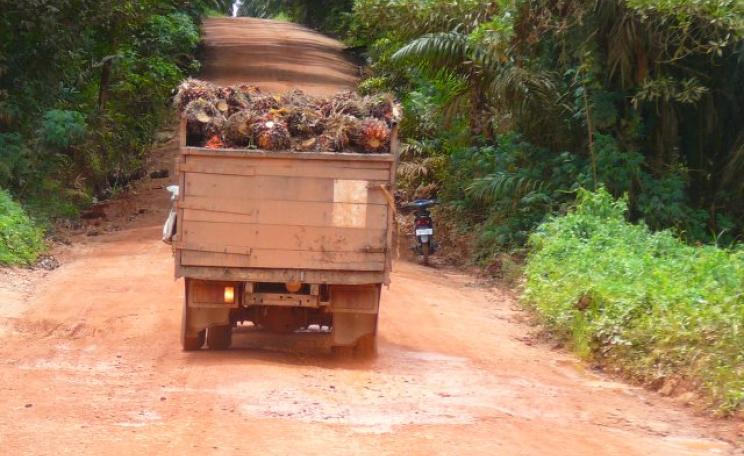
Rainforests around the world and the wildlife they sustain have a rosier future after the European Parliament voted to limit the growth of biofuels such as palm oil in the transport sector.
Australia's deliberate and calculated attacks on its indigenous population carry many of the hallmarks of genocide, writes John Pilger. And things are getting worse, not better, as states that have grown rich by exploiting Aboriginal land evict and demolish remote Aboriginal communities.
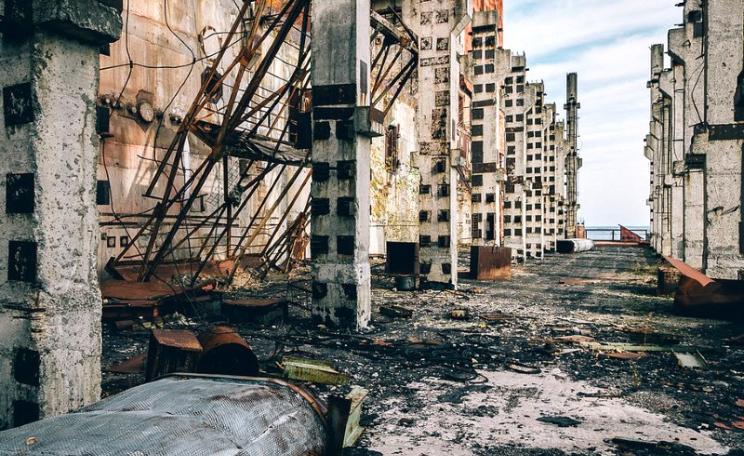
The stricken 4th reactor at Chernobyl presents a massive long term hazard, writes Kendra Ulrich. A planned €2.15 billion containment arch remains underfunded, and even if it's ever completed, it will only last 100 years. Meanwhile the intensely radioactive nuclear fuel will remain in place representing a long term risk of further huge radiation releases.
The dispersant used in the Deepwater Horizon clean-up appears to be more toxic to corals than crude oil, writes Danielle M DeLeo. It also increases the concentration of oil in seawater, leading to higher, more toxic exposures of oil components when they come into contact with corals and other marine organisms.
A new high-performance 'aluminum-ion' battery could be the technical breakthrough needed to boost the renewable energy takeover. It's safe, uses abundant low-cost materials, recharges in one minute and withstands many thousands of recharge cycles.
As if melting ice in Polar bears' Arctic habitat was not enough, Norwegian scientists have found that organic pollutants such as pesticide residues are disrupting their thyroid and endocrine systems, adding a further threat to the species' survival.
China's growing 'bling' culture has taken off big time, writes Thembi Mutch - yet it is widely reviled among ordinary people who in the face of China's industrial boom hold resolutely to traditional values of economy and frugality, quietly yearning for the old days of clean air and safe, wholesome food to fill their stomachs.
The European Commission has proposed new rules on foods derived from GMOs that would allow EU countries to opt out from the Europe-wide approval system - a move that has attracted strong criticism from all parties in the GMO debate.
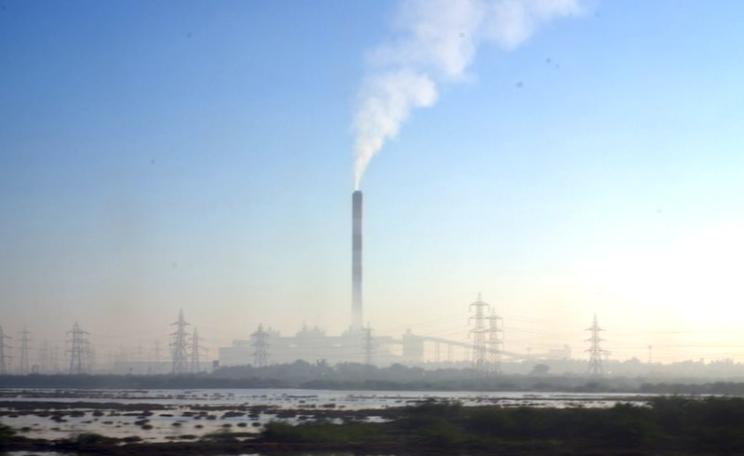
Prime Minister Modi's government has frozen the bank accounts of Greenpeace India, writes Praful Bidwai - provoking widespread protest from the environment and civil rights community. It's all part of a wider campaign against 'anti-national' movements that challenge India's development policies based on the aggressive exploitation of coal, minerals, big hydro and nuclear power.
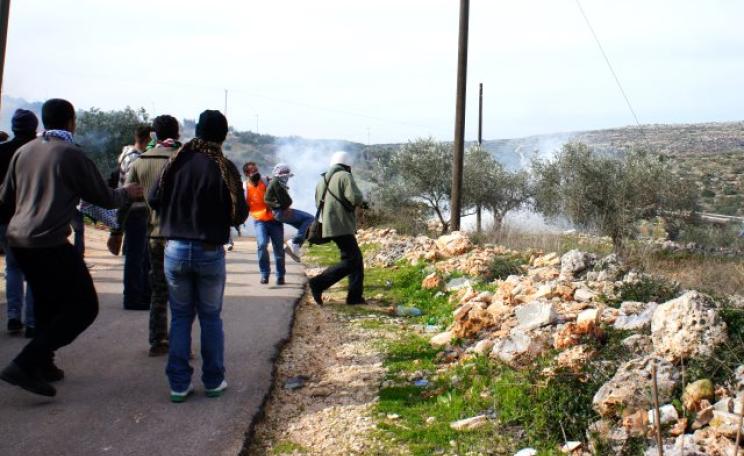
Not satisfied with seizing Palestinian land and water, Israeli settlers in the West Bank have found a new way to enrich themselves at their neighbors' expense - by stealing their fertile soil and transporting it to their own farms and gardens.
We are alive in a pivotal year, writes the Earth League. 2015 offers the opportunity to build a sustainable and prosperous future for people and planet. But if we fail to act on climate change, safeguard crucial ecosystems and biodiversity, and secure a just and equitable world order for all, grave and irreversible perils await Earth and all who dwell on her.
Local campaigners fearful of water shortages and industrial pollution have forced state authorities to cancel an unpopular plan to allocate land for a Coca-Cola bottling plant in Tamil Nadu, India.
The GMO industry has legitimised itself via a vast network of lobbyists and the assiduous capture of the politicians, regulators and scientists that should be holding it to account, writes Colin Todhunter. But as the failure of the GM revolution and its disastrous impacts become ever more evident, the industry's legitimacy is fast eroding away.
Banks preparing to launch a $400m bond issue for a global palm oil giant with a history of legal violations and broken standards have been warned of their 'high risk client' and the 'extreme and outstanding' social and environmental conflicts in the palm oil agribusiness sector.
Hopes of strengthening Britain’s energy security are often pinned on the fossil fuel industry says Vicente López-Ibor Mayor, as exemplified by the hysteria over the claimed 'discovery' of 100 billion barrels of oil beneath Gatwick airport. But the real long-term solution lies with abundant and ever cheaper decentralised renewables.
Forests are the traditional refuge of rebels, dissidents and all who seek freedom from the strictures of civilization, writes Ken Worpole. But for all the idea lives on in our hearts and minds, that role has now been usurped by our cities. Now, just as our forests have been enclosed and subdued, so our cities face a similar fate - one we must resist to preserve our liberty.
Russia's Lake Baikal is under threat by a massive dam and pipeline on the main river that feeds into it, that would supply mines with power and water, writes Anson Mackay. In line to fund the project? The World Bank.
Private water companies have never been more aggressive in their sabotaging of efforts to 'make water public', writes Satoko Kishimoto, with legal threats and challenges launched under 'free trade' agreements. But as citizens worldwide reject corporate water profiteering, the trend of water re-municipalisation has gathered unstoppable momentum.
The world's smart money is piling into renewable energy, solar power in particular, write Tim Radford & Oliver Tickell, as renewables pull away from fossil fuels in terms of both investment and new generation capacity added each year.
Lettuces, peppers and other vegetables grown under 'semi-slavery' conditions in Spain are filling supermarket shelves in the UK, writes Almudena Serpis. Workers are routinely abused, underpaid, sprayed with pesticide, and sacked if they dare complain, an C4News / Ecologist investigation has found. But now they are getting organised to defend their rights.
Police in India's Uttar Pradesh state yesterday opened fire on a 'sit in' by tribal protestors at the construction site of the Kanhar dam, now under construction in open contempt of court orders. Tribal leader Akku Kharwar and eight others were seriously injured by the gun fire.
Japan's latest plans for 'scientific whaling' in the Southern Ocean have fallen at the first hurdle, writes Tony Press. The IWC's expert panel says Japan's proposal contains 'insufficient information' on which to judge its validity, in particular the need for the 'lethal sampling' of over 3,996 Minke whales that is central to the research plan.
As the Greens announce anti-austerity policies in their election manifesto, Bennet Francis & Rupert Read examine the austerity narrative - and find it doesn't add up. By insisting that deficit reduction is necessary for growth, the politicians of austerity undermine the very meaning of the 'prosperity' they promise us.
A serious flaw in the steel reactor vessel of a nuclear plant under construction in France raises safety fears for the EPR design, write Paul Brown & Oliver Tickell - and casts a dark shadow over the UK's troubled Hinkley C nuclear project.