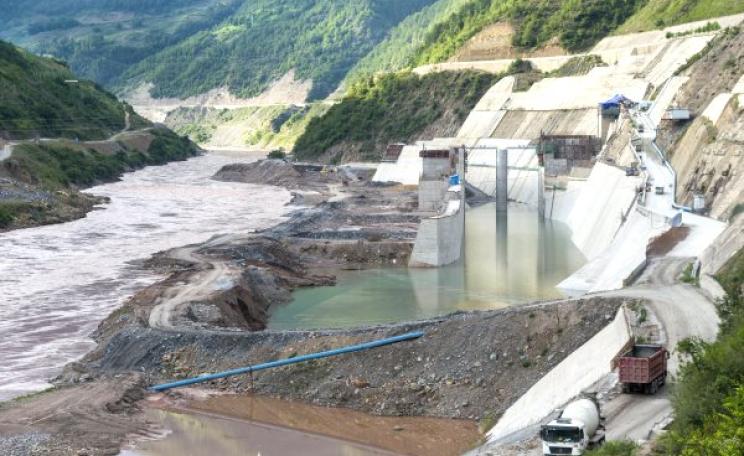
When Michael Buckley took a white water rafting trip in Tibet in 2005, he had no idea of the adventure he was embarking on - a ten-year investigation of China ruthless exploitation of Tibet's mineral and hydroelectric resources, and its systematic attack on indigenous Tibetans, their culture and their survival on the land.
Nicola Sturgeon secretly met with pro-fracking firm Ineos on the very same day that Scotland announced its shale gas moratorium, writes Kyla Mandel - giving rise to fears of a under-the-table stitch-up.
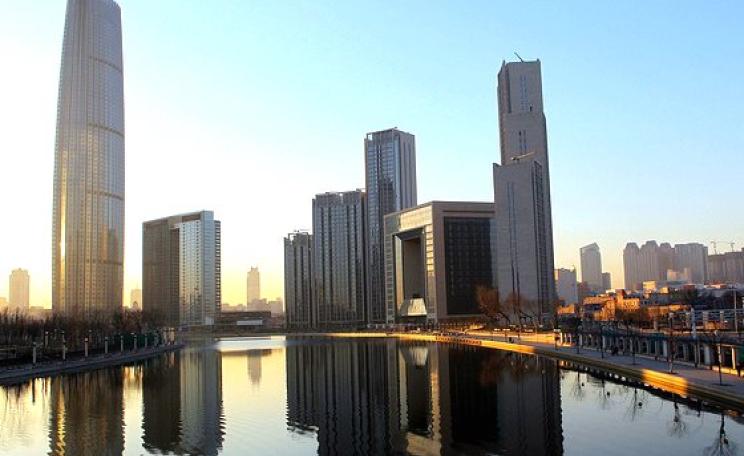
Rising anger by China's dispossessed - those displaced from their homes, villages and farms to make way for ever-expanding cities and infrastructure - is posing an existential threat to the ruling regime, write Samantha Hoffman & Jonathan Sullivan. At the root of the problem is the state's inability to tackle endemic official corruption and deliver justice to its citizens.
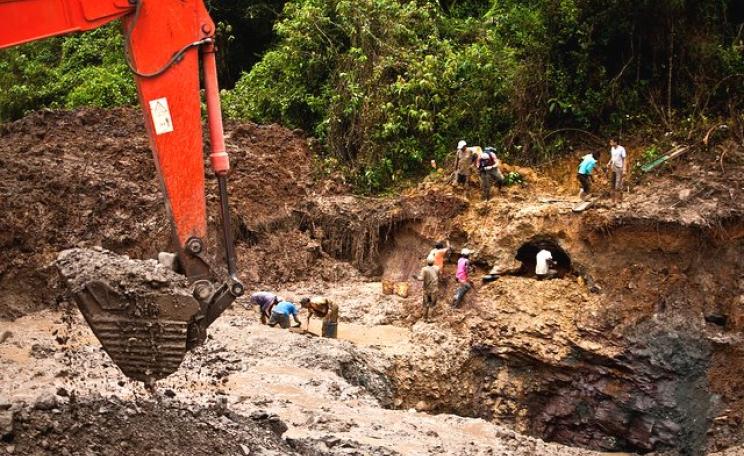
An indigenous leader in Colombia's 'gold belt' has been killed by unknown gunmen as tensions grow between indigenous communities and outside gold mining interests, many of them linked to illegal armed groups and the drug trade.
As south-east England goes onto an air pollution 'red alert', write Frank Kelly & Julia Kelly, be warned: in addition to causing respiratory and cardiovascular damage, the microscopic particles befouling the air also impact on the brains and nervous systems of unborn children whose mothers suffer high levels of exposure.
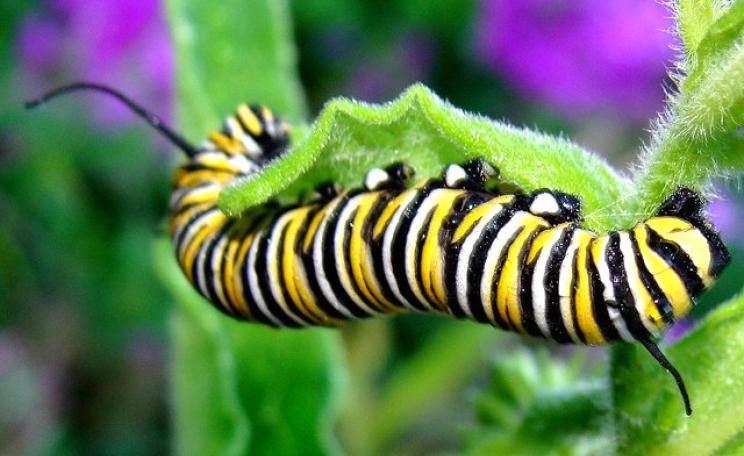
Monarch caterpillars are vulnerable to neonicotinoid toxicity at concentrations as low as 1 part per billion, writes Jonathan Latham, and that makes them vulnerable to residues from commercial crops - and even more so from horticultural use in plant nurseries!
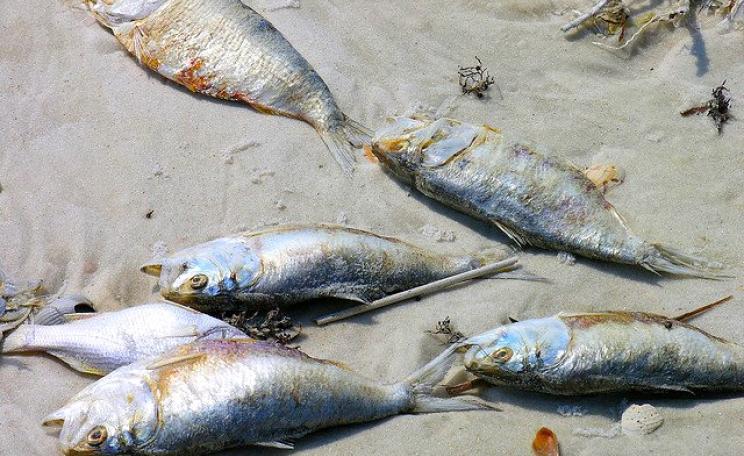
Oxygen levels in our oceans are falling, writes Lee Bryant, producing growing 'dead zones' where only the hardiest organisms can survive. The causes are simple: pollution with nutrient-rich wastes, and global warming. But the only solution is to stop it happening - or wait for 1,000 years.
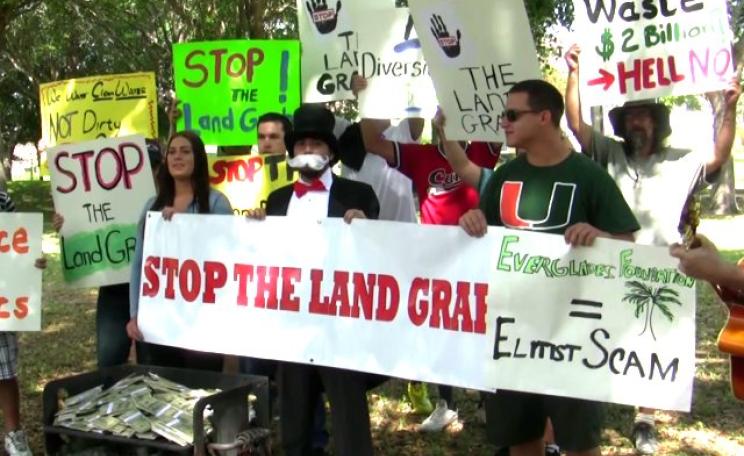
The Tea Party of Miami put up a convincing demo last week to oppose a 'land grab' that would see 46,000 acres of sugar farm land restored for Everglades conservation. Just one problem - the 'protestors' were actors each being paid $75 for the two-hour shift.
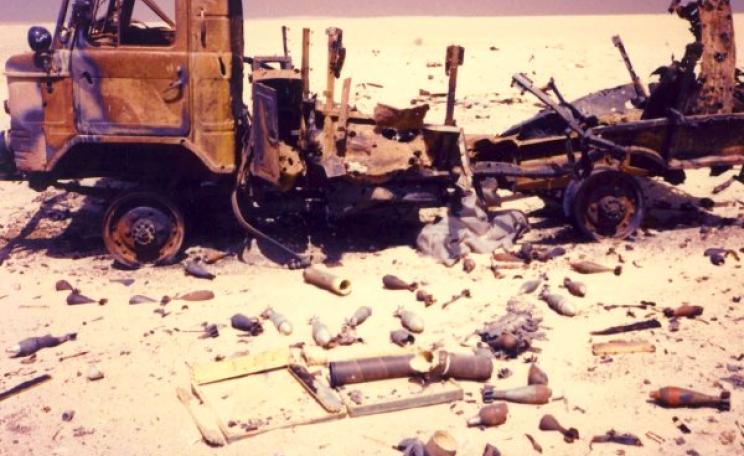
Iraq is working hard to remediate the environmental impacts of two Gulf wars and Saddam Hussein's chemical weapons programme, writes Wim Zwijnenburg. But it now faces new hazards deliberately caused by Islamic State - and is in desperate need of international support.
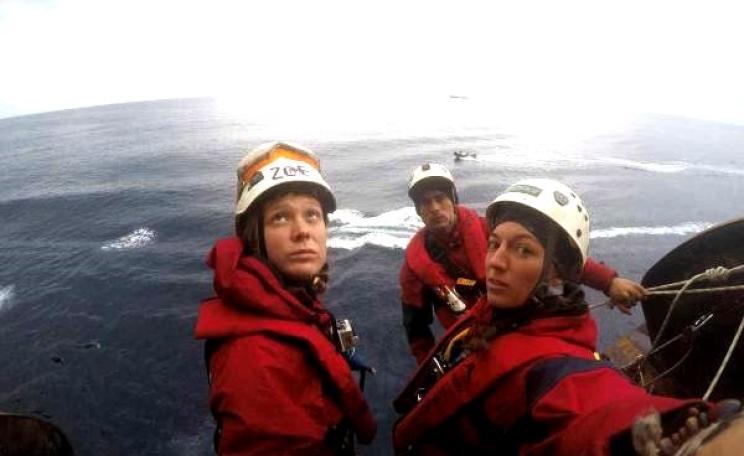
Days after Shell received US Government backing for its plans to drill in the Chukchi Sea in the Alaskan Arctic, volunteers from Greenpeace have occupied its 'Polar Pioneer' oil rig in the Pacific Ocean to demand a halt to all Arctic oil exploration.
A deal to give up 500,000 acres of public lands in Utah to the tar sands industry in return for 1.5 million acres of industry is a sacrifice too far, writes Alexander Reid Ross, as it disclaims the wider costs of massive water use and contamination in the headwaters of the Colorado River, already seriously stressed by drought.
Without water to feed its hydroelectric dams, drought-hit Brazil is turning to solar power - dubbed 'a fantasy' by the country's president just a few years ago, writes Jan Rocha. Now thousands of megawatts of floating solar panel 'islands' are to be installed on dam reservoirs.
California has responded to the drought by rationing water, with $500 fines for domestic 'water wasters', writes Evan Blake. But agribusiness and water-intensive industries like fracking remain untouched by the restrictions, even though they consume over 90% of the state's water.
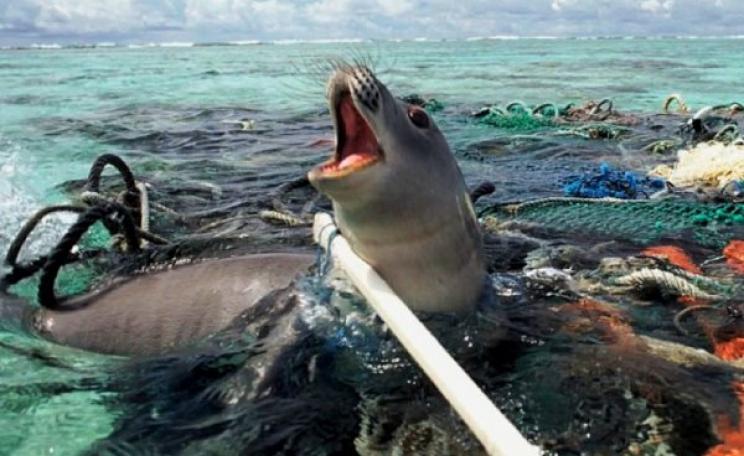
An unimaginably large volume of plastic debris is reaching the world's oceans every year, write Britta Denise Hardesty & Chris Wilcox - and it's set for a ten-fold increase over the next decade, adding to the already terrible toll on marine life from turtles to seals, sea birds and fish. The solution must be to give waste plastic value - if we can find a way.
After over a century of coal ash and colliery waste dumping, the Tyne and Wear coastline is no stranger to industrial pollution. But soon a horrific new technology - underground coal gasification (UCG) - will endanger human health and the environment, backed by unflinching Government support and generous lashings of taxpayers' money.
A survey of threatened Arctic mammals highlights melting sea ice as a prime threat to eleven keystone species, writes Tim Radford - meaning that efforts to conserve them may be doomed to failure unless we also tackle the causes of climate change.
Thanks to pro-GMO politicans and lobbying by powerful agribusiness interests the UK and other EU countries may soon find supermarket shelves flooded with GM foods, both imported and home grown, writes Linda Kaucher. We must press parliamentary candidates now to defend us from this serious and long-term debasement of our food and farming.
The Guardian Media Group is to divest its £800m fund from fossil fuels over five years. The terms of its promise appeared to leave the door open to natural gas and fracking, But GMG now insists that it aims to ditch all fossil fuels within five years.
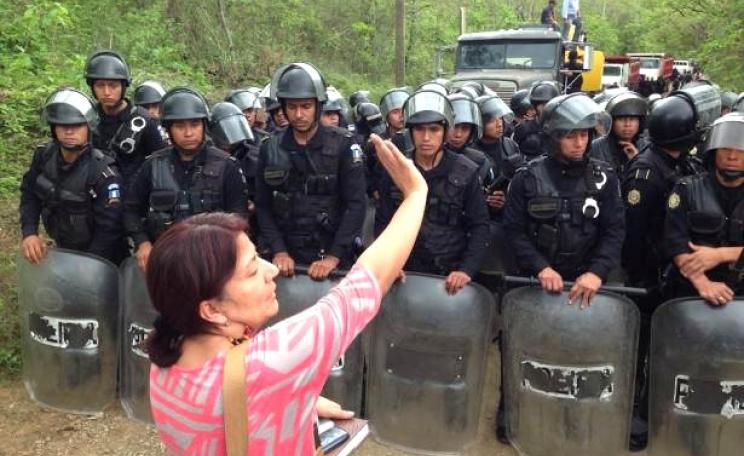
For over two years the small community of San José del Golfo has maintained a 24-hour barricade against the US-owned mine El Tambor that threatens to destroy their land and water. The non-violent resistance, led by women, is transforming the traditional 'macho' culture, and attracting support across Guatemala, and beyond.
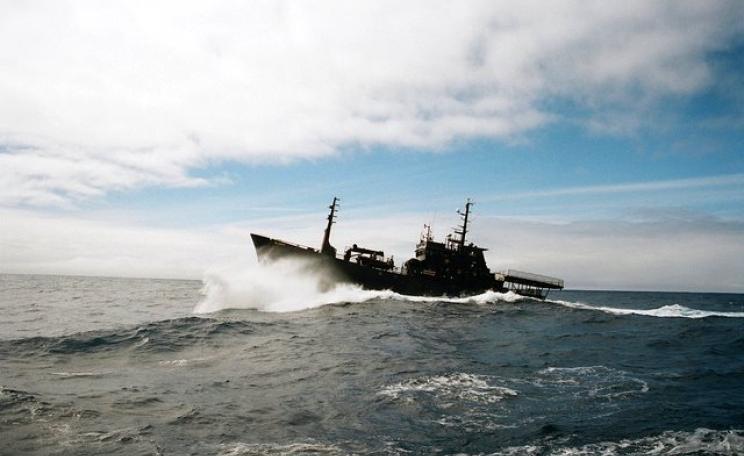
The first year of Sea Shepherd's campaign to close down illegal fishing operations in the Southern Ocean, dubbed 'Operation Icefish' has already led to the detention of two 'bandit' fishing vessels while a third is under pursuit.
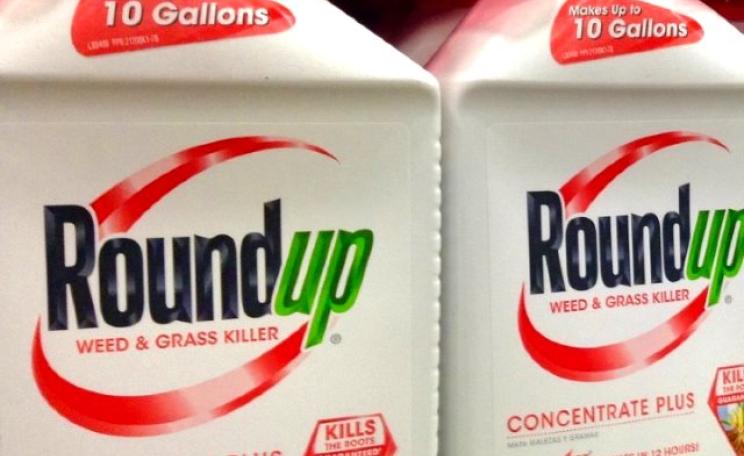
Scientists have discovered that exposure to three widely used herbicides including Monsanto's Roundup and Kamba causes pathogenic bacteria to develop resistance to medically important antibiotics.
Leaked papers reveal that the Trans Pacific Partnership trade deal would represent a historic transfer of power and money from the US and other governments to corporations.
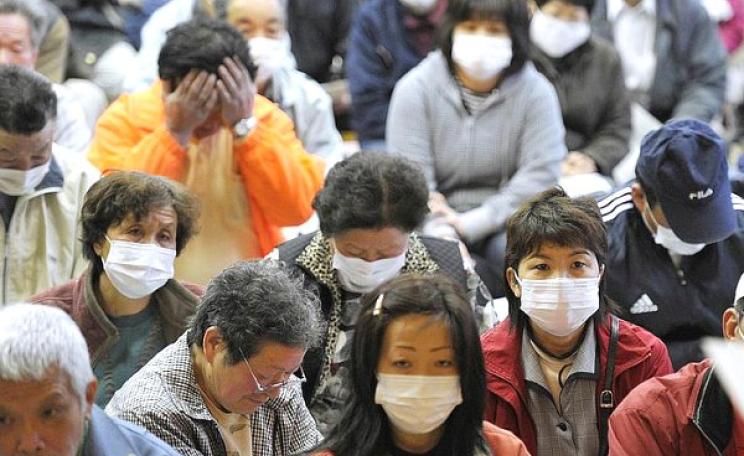
Public opposition to nuclear power in Japan remains strong, writes Jim Green, but piece by piece, Shinzo Abe's right-wing government has been putting the country's infamous 'nuclear village' back in control - boosted by draconian press censorship laws, massive interest-free loans, and a determination to forget all the 'lessons' of Fukushima. Is another big accident inevitable?
Thirty new heat tolerant varieties of bean - a staple food crop around the world's tropical regions - will help people survive in a world as much as 4C warmer that it is now, writes Alex Kirby - and look: no genetic modification!