Over 18 million people live off the natural bounty of the The Mekong Delta, writes Tom Fawthrop - the source of huge annual harvests of fish, rice, fruit, and one of the world's most productive ecosystems. But now huge dams threaten to strangle the Mekong river and the abundant life it supports, while the world sits idly by.
The world is already experiencing water scarcity driven by over-use, poor land management and climate change, writes Nafeez Ahmed. It's one of the causes of wars and terrorism in the Middle East and beyond, and if we fail to respond to the warnings before us, major food and power shortages will soon afflict large parts of the globe fuelling hunger, insecurity and conflict.
British MPs have rebuked the government for its secretive and apathetic response to public concerns over the TTIP EU-US trade deal, demanding that nations' 'right to regulate' for health, environment and the wider public interest must stand at the heart of any future agreement.
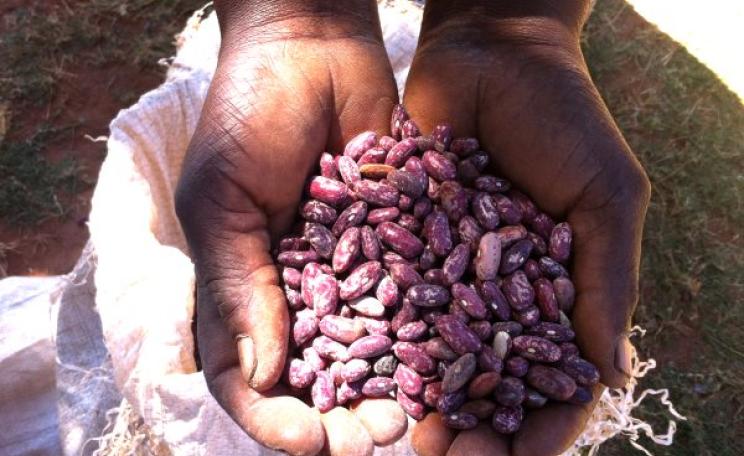
An elite group of aid donors and agribusiness corporations met in London this week to plan the takeover of Africa's seeds, writes Ian Fitzpatrick, replacing traditional seed breeding and saving by small farmers with a corporate model of privatized, 'improved', patented, genetically uniform and hybrid seeds in a profit-driven market.
High ranking academics have issued a stark warning to policy makers on the future of Britain's shale gas - your best bet is that we have none that can be recovered consistent with policy objectives.
Ecuador's president, Rafael Correa, has personally attacked eco-defender Carlos Zorrilla in TV broadcasts for resisting a vast new copper mine in a precious area of pristine cloud forest, and opposing the advance of oil exploration into the Amazon. Fearful for his life, Zorilla is now seeking international support for his, and his community's, battle for land, water and the natural world.
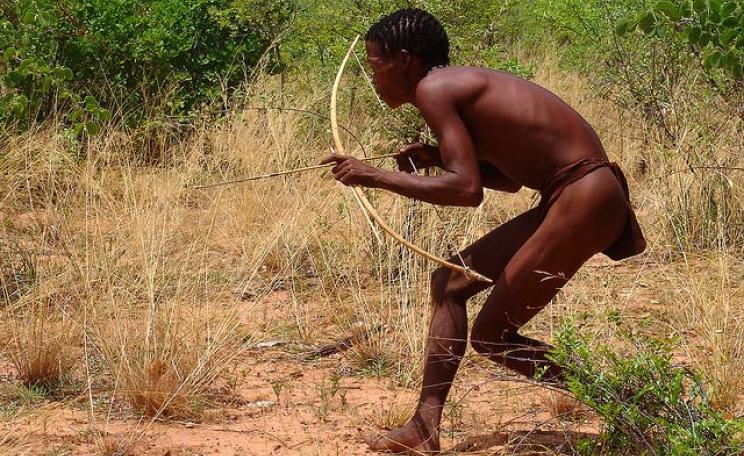
At the 'United for Wildlife' conference in Botswana, backed by princes Charles and William, Indigenous organizations from around the world are calling on world leaders to recognize tribal peoples' right to hunt for subsistence.
Botum Sakor national park is one of Cambodia's biodiversity hotspots, where indigenous tribes have long lived in harmony with the forest and its wildlife, writes Rod Harbinson. But now they are being violently evicted as the park is being sold off piecemeal to developers for logging, plantations, casinos and hotels. Now local communities are defending themselves and their land.
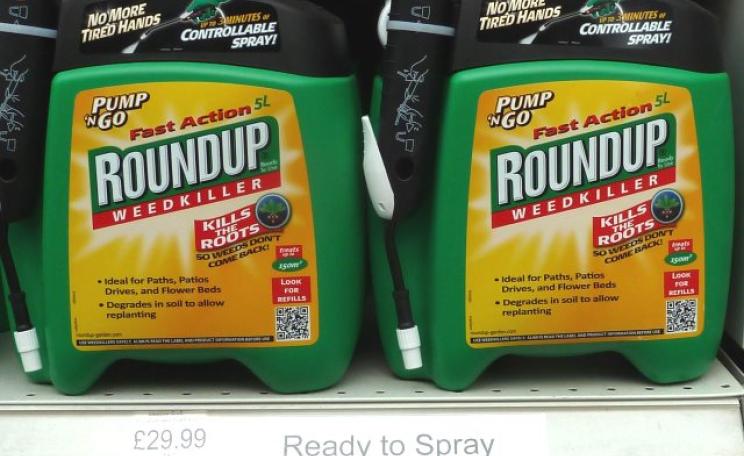
The International Agency for Research on Cancer has labelled the world's biggest herbicide, glyphosate, as 'probably carcinogenic'. Another four widely used organophosphate insecticides may also pose a cancer risk.
The latest salvo in the battle over Africa's seed systems has been fired, writes Stephen Greenberg, with the Gates Foundation and USAID playing puppet-masters to Africa's governments - now meeting in Addis Ababa - as they drive forward corporation-friendly seed regulations that exclude and marginalize the small farmers whose seeds and labour feed the continent.
To date the Amazon has been a huge carbon sink, soaking up billions of tonnes of our emissions from fossil fuels, write Oliver Phillips & Roel Brienen. But now that's changing, as trees grow faster and die younger: the sink appears to be saturating.
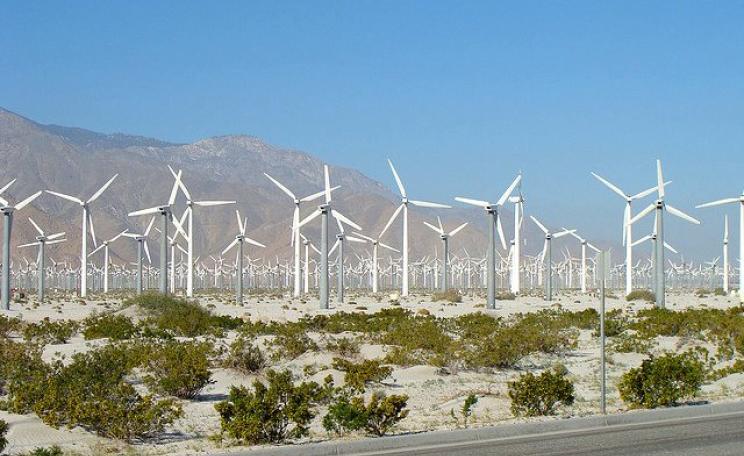
Wind generates almost a twentieth of America's power, writes Kieran Cooke - and that's set to double in five years, despite the phase-out of tax credits. Now the main constraint to future expansion is power line capacity.
On Monday the World Bank's Conference on Land and Poverty begins in the US. But farmer organizations, indigenous groups, trade unions and others denounce the whole exercise as a sham that, in tandem with other Bank initiatives, is all about accelerating corporate land grabs and robbing the poor that the Bank was founded to assist.
At the heart of Poland's capital, Warsaw, farmers have founded a flourishing encampment known as the 'Green City', writes Julian Rose. It's a focus of protest against the sell-off of their land to agribusiness, the arrival of GMO crops, and the imposition of a failed 'Western' model of farming that's creating huge corporate profits while debasing food and bankrupting small farmers.
Rising temperatures will result in more snow falling in Antarctica, and the build-up of ice will reduce sea level rise from other sources. But as the extra weight of ice makes Antarctica's glaciers flow faster, the continent will still be a net contributor to sea level rise.
Edelman, the global PR group, has a history of aggressive 'consent engineering' for the fossil fuel industry in North America, writes Paul Mobbs. So what are they doing running 'impartial' UK bodies including a Parliamentary group on unconventional oil and gas, and the 'independent' Task Force on Shale Gas? Are they really US-style 'astroturf' bodies designed to fool us all?
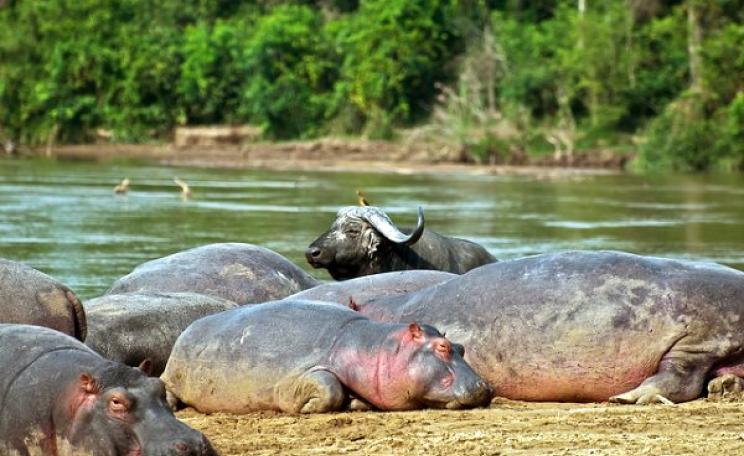
The Democratic Republic of Congo is to consult UNESCO, writes Melanie Gouby, over its wish to 'explore judiciously' for oil in Africa's first and most biodiverse National Park and World Heritage Site.
A new coal and biomass-fired power station could soon be built at Drax in Yorkshire, already the UK's biggest coal burner, writes Almuth Ernsting. It comes with a weak promise of possible 'carbon capture and storage' - an expensive, inefficient technology shunned elsewhere. As the Government's nuclear dream fades, could this be its equally flawed replacement?
Indian coal firm Adani is struggling to finance its proposed mega coal mine in Australia's Galilee Basin, write Marina Lou & Christine Ottery, as promised government support evaporates and a major investor looks set to pull out.
What's needed to pull the world's economy out of recession? According to the G20, it's a massive wave of 'infrastructure' development worth as much $70 trillion, writes Bill Laurance. But all the roads, mines, dams, pipelines and 'development corridors' will inflict massive damage on wildlife populations and natural havens, not to mention local communities that stand in the way.
Deep in the Algerian Sahara, the oasis town of Ain Salah is a focus of opposition to a new wave of fracking, with violent confrontations between police and up to 40,000 protestors, writes Alexander Reid Ross. They have two main concerns: preventing pollution to the aquifer that sustains them, and keeping out foreign oil giants like Total and Halliburton.
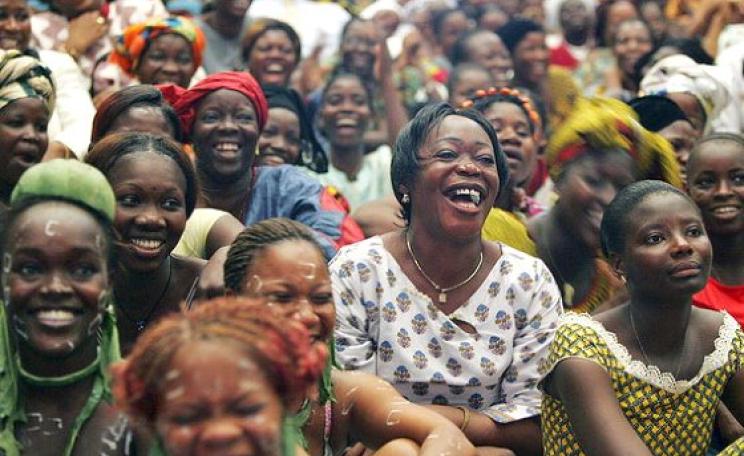
The global epidemic of violence against women and their systematic exclusion from the power structures that rule us are integral to man's violent exploitation of Earth and her resources, writes Nafeez Ahmed. The fight to save the Earth must begin with the empowerment of women - and that means ending our complicity in their oppression, and servitude.
The Kwegu people of Ethiopia's Lower Omo Valley are facing starvation because of the loss of their land to a huge sugar plantation, the destruction of their forest and the damming of the Omo river - supported by a UK, EU and World Bank funded 'aid' program.
Chemical giant Bayer has failed in its attempt to sue Friends of the Earth Germany over its claims that its pesticide Thiacloprid harms bees. Now pressure is growing on the EU to add the neonicotinoid to the three already banned.