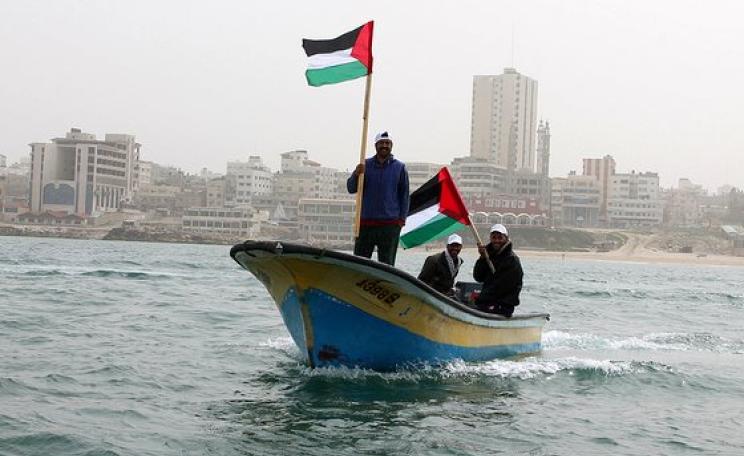
Under the ceasefire between Israel and Hamas last August, Gaza's fishers were meant to be able to work up to six miles from the coast, writes Charlie Hoyle. In fact, Israel is routinely attacking boats within the zone, arresting fishermen, and seizing boats and nets, never to be returned. Only last week, one fisherman was shot dead after allegedly straying over an invisible boundary.
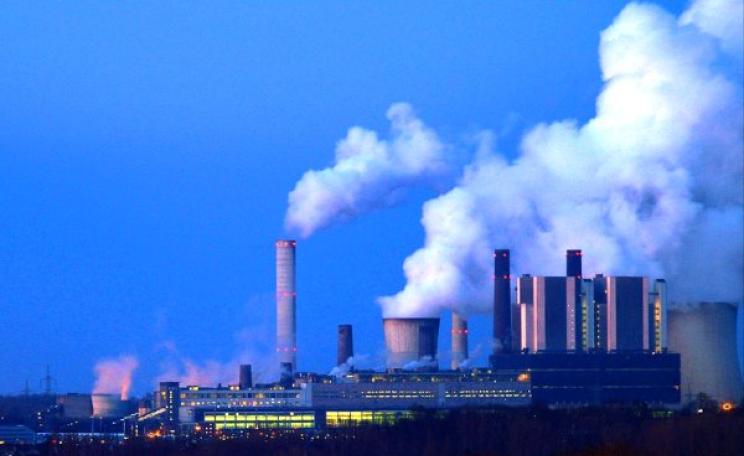
Coal is Europe's biggest source of mercury and sulphur pollution, writes Kyla Mandel, killing tens of thousands of people a year. So how come more than half the members appointed by EU governments to set air pollution standards for coal plants are industry representatives?
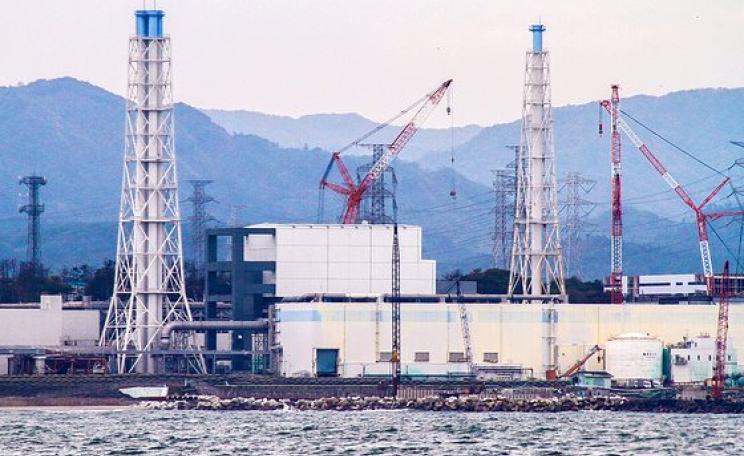
Four years ago today the world's biggest nuclear disaster since Chernobyl took place at Fukushima, Japan. Total clean-up costs are estimated around $0.5 trillion, writes Jim Green - but work to defuse the dangers has barely begun, the site is flooded with radioactive water making its way to the sea, and underpaid and illegally contracted workers are suffering a rising toll of death and injury.
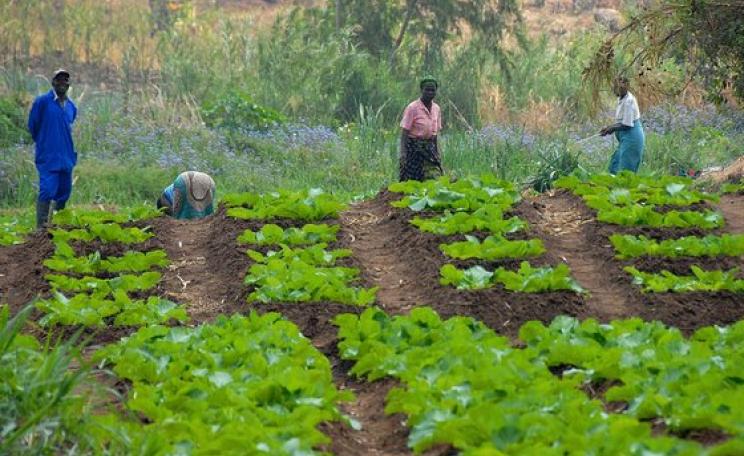
Corporate interests have skewed the entire development agenda for agriculture in Africa, writes Ian Fitzpatrick. Instead of investing in sustainable, small scale farming along agroecological principles that raise production and support rural communities, governments - including the UK's - are backing destructive industrial farming and land grabs.
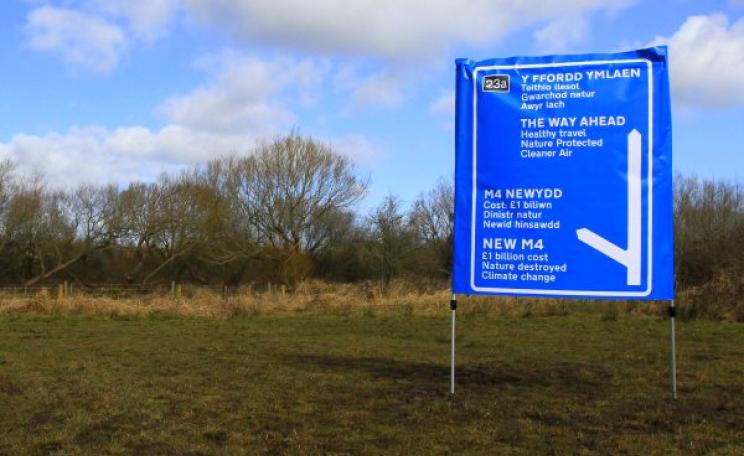
A Friends of the Earth Cymru legal challenge to the Welsh Government's 'irrational' plan to drive a new branch of the M4 motorway across the highly protected Gwent Levels wetlands begins in the High Court today.
Determined to flood 10,000 hectares of precious rainforest for a power station producing a meager 108MW of power, the Cambodian government has expelled a big 'fishbone in their throat' - eco-defender Alex Gonzalez-Davidson, who has galvanized local and nationwide protests against deforestation, land grabs and official corruption.
The illegal killing of songbirds on the UK's military base on Cyprus has reached record levels, a study by RSPB has shown, with an estimated 900,000 birds trapped, killed and eaten in autumn 2014.
Climate change probably caused the savage drought that struck Syria nearly a decade ago, writes Alex Kirby - and helped to trigger the civil war that has so far claimed over 200,000 lives.
Naomi Klein famously called for a 'grand coalition' of the progressive left to fight climate change and Earth-destroying capitalism, writes Alexander Reid Ross. And now it's happening, drawing together diverse strands that encompass the fight for social and racial justice, the right to work, health, clean air and fresh water, and our freedom to be alive and thrive on this our one planet.
The UK's troubled Hinkley C nuclear power station faces a legal challenge from Germany's biggest energy co-op, which claims that the subsidy package will distort energy markets across Europe and disadvantage renewable generators and vendors.
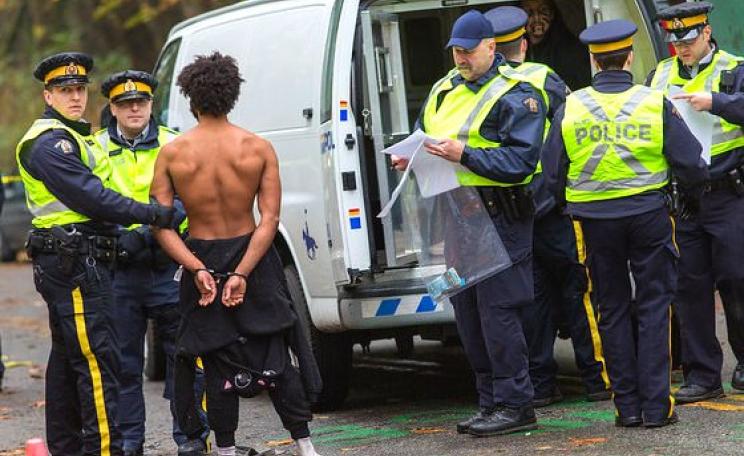
Canada's 'Anti-Terrorism Bill' proposes a massive increase in the power of security services, writes Pete Dolack - and in the crosshairs are campaigners against a tar sands industry that's intent on releasing 240 billion tonnes of CO2 into the atmosphere, and those fighting the pipelines needed to get the heavy crude to market. Who are the real 'extremists'?
Whale and dolphin experts from across the world today launched a new campaign at the European Parliament to ban dolphin captivity in Europe, putting an end to a long saga of abuse and exploitation.
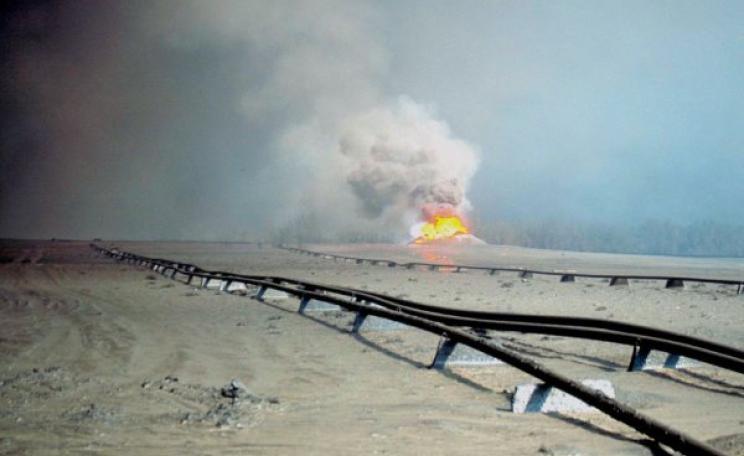
Look beneath the surface of the wars in Iraq, Syria, Afghanistan, Libya, Ukraine, and what do you find? Oil, gas, and contested pipeline transit routes. Never mind high-sounding talk of human rights, national sovereignty, international law and UN Resolutions, writes John Foster - fossil energy is the world's main driver of armed conflict.
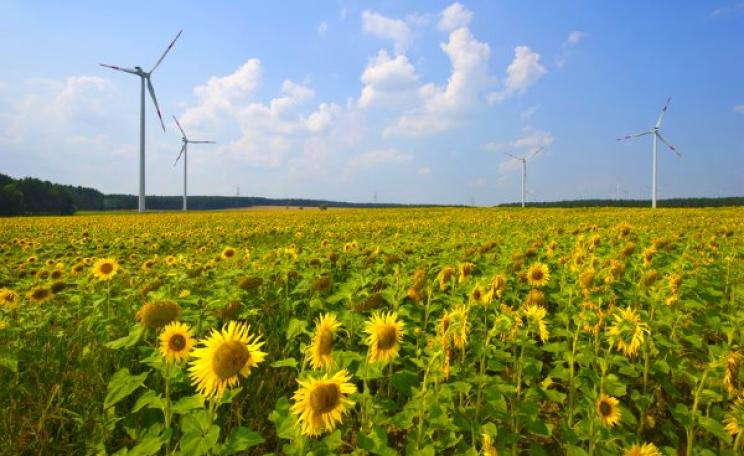
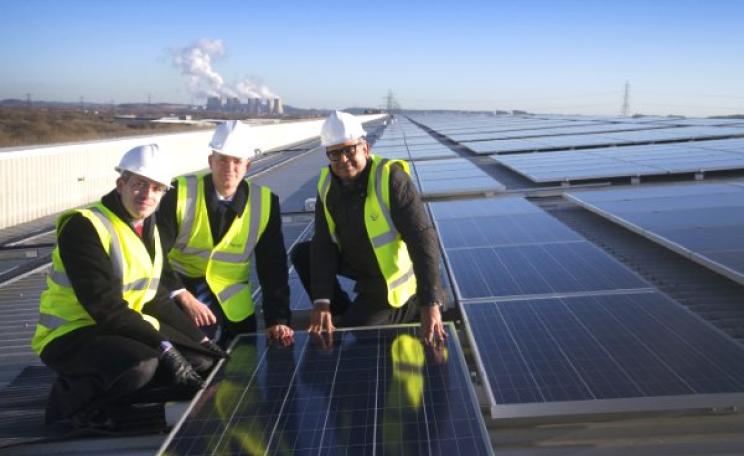
The UK will soon complete a record year for solar installations, almost doubling the nation's solar capacity. But drastic and overtly discriminatory changes to support for renewables may see solar installations collapse to 1% of current levels.
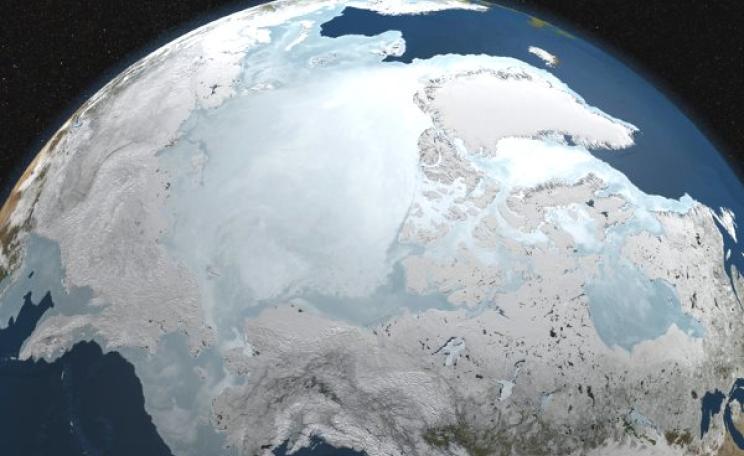
Global warming has been on vacation for a few years, writes Nafeez Ahmed. But that's only because the excess heat - two Hiroshima bombs-worth every second - has been buried in the deep ocean. But within a few years that's set to change, producing a huge decade-long warming surge, focused on the Arctic, that could overwhelm us all.
China's farming boom has massively increased food production, writes John Dearing - especially of meat. But it has come at a massive cost: the wholesale pollution and destruction of core ecosystems.
Mainstream climatologists predict a 15% fall in rainfall over the Amazon if it is stripped of its rainforest. But the 'biotic pump' theory, rooted in conventional physics and recently confirmed by experiment, shows that the interior of a forest-free Amazon will be as dry as the Negev desert. We must save the Amazon before it enters a permanent and irreversible dessication.
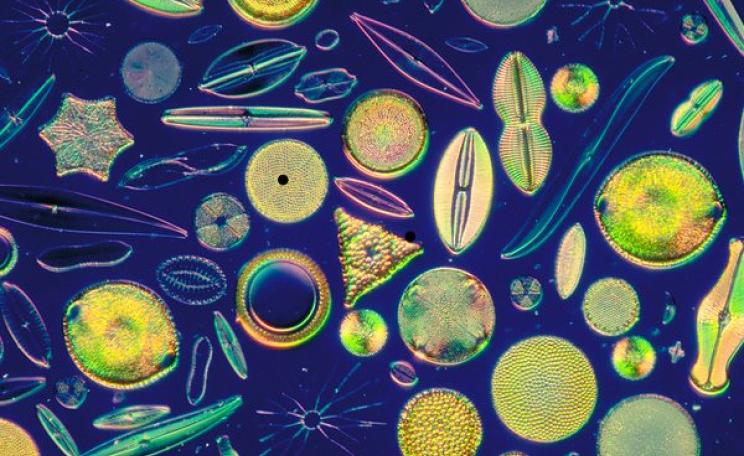
Increasing acidity in the Southern Ocean is slowing the growth of diatoms, reports Tim Radford. Why worry? Because these tiny plankton sustain essential marine ecosystems, and are highly effective at drawing CO2 down into the deep ocean.
As tensions grow between US-dominated NATO and Russia, former cold warrior William R. Polk hears the echoes of the Cuban missile crisis - only this time, it's Russia that feels forced to fight for its vital strategic interests. We must hear the lessons of 1962 Cuba - and negotiate a just and durable peace, before we sleep-walk into a world-destroying war.
China has just recorded its first fall in emissions from burning fossil fuels in 15 years, writes Lauri Myllyvirta. The sharp decline has surprised analysts, and reflects the fast growing proportion of renewables in the country's power supply.
Last November Tanzania's President Kikwete tweeted his promise that the evictions of indigenous Maasai people and their villages near Serengeti National Park would stop. But now another round of evictions is under way: thousands of Maasai have been evicted at gunpoint and their homes burnt to ashes. The Maasai say: 'We need your help!'
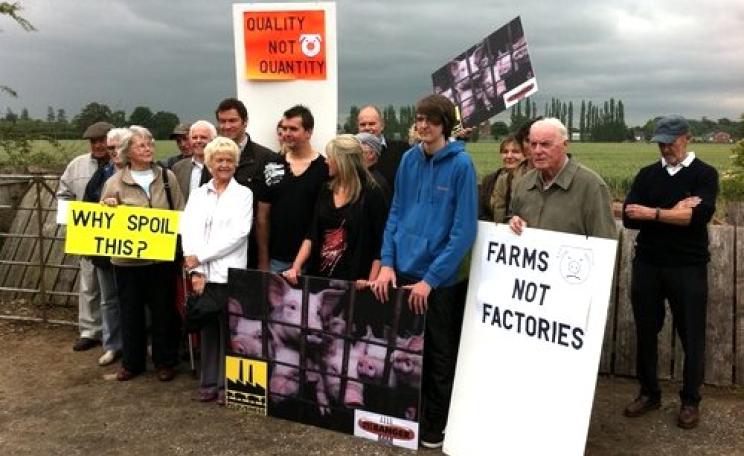
A proposed factory farm at Foston, Derbyshire, condemned by locals as a 'pig prison' for 25,000 animals has been refused a permit by the Environment Agency because of the powerful stench it would emit and potential risks to health and the environment.
Israeli settlers in Palestine's South Hebron Hills last week cut down an orchard of 36 olive trees, in the latest attack of a decades-long war against Palestinian culture and survival in which has seen the cutting, burning and bulldozing of over a million olive, fruit and nut trees.
As scientific evidence grows of the many ways in which glyphosate - pipe-cleaner, herbicide and antibiotic - damages the environment and health, governments and regulators turn a blind eye, writes Dr Eva Sirinathsinghji, and the EU has even raised allowable residue levels. It's time for us all to put bans in place wherever we can!