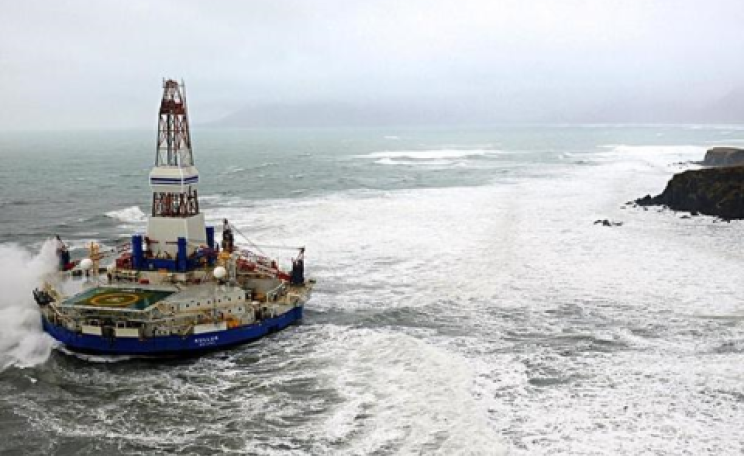
Royal Dutch Shell CEO Ben van Beurden has announced that the company will not attempt to drill in the Alaskan Arctic in 2014. Greenpeace responds: 'Get out for good!'
Scandinanvia's biggest pension fund manager will cut all its investments in 'climate villains', writes Sophie Morlin-Yron - including 40 companies in the coal, tar sands and palm oil sectors.
A radical experiment in community supported agriculture is attempting to break farming's reliance on fossil fuels and unsustainable practices. Andrew Wasley met green farmer Ed Hamer for this exclusive extract from The Ecologist Guide To Food.
India's planned power expansion depends overwhelmingly on coal, with over a hundred huge new generation units planned by 2030. Sarah Stirk reports on the nightmare the dash for coal is bringing to once peaceful rural communities.
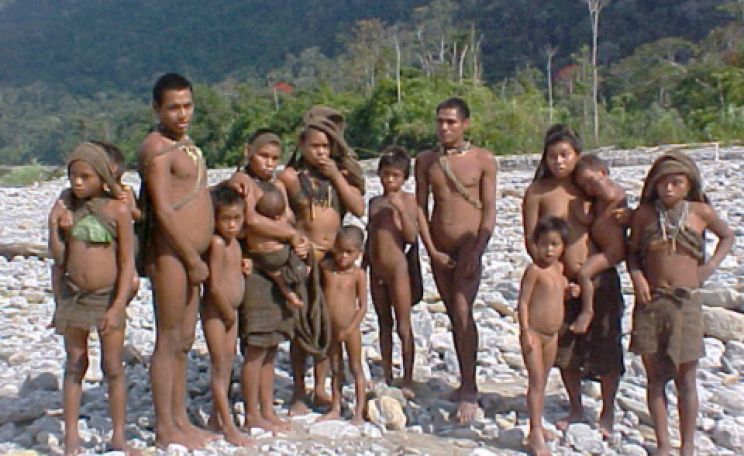
Peru has approved the highly controversial expansion of the Camisea gas project onto the land of isolated Amazon tribes - who will be put at risk of a massive death toll or extinction from introduced diseases.
A growing movement is opposing fossil fuel industry sponsorship of the arts. Pop-up protests and performances denouncing Shell, BP and others are winning the popular vote, writes Chris Garrard.
2013 was a bad, bad year for Big Coal, writes Bob Burton. If the coal industry's PR dream is for a stream of exuberant articles selling the story line that coal is clean, cheap and desirable, then 2013 delivered the opposite. 2014 will be even worse.
UK solar entrepreneur tells world leaders at Davos: fracking for shale oil and gas cannot help to avert a global energy crisis - and a global oil crisis could strike in 2015. Alex Kirby reports.
A landmark court ruling has set back Shell's plans to drill for Arctic oil. It represents a great victory for indigenous peoples and environmental groups - and a serious setback for the oil giant's Arctic expansion.
Europe's new targets for carbon emissions and renewable energy are severely retrograde and fly in the face of both science and economics. They will endanger climate and retard the renewable energy revolution.
Kris O'Donnell, a peaceful cameraman and Legal Observer at Barton Moss anti-frack camp, was attacked by Greater Manchester police yesterday. He is under arrest in hospital with a broken eye socket.
Amazon tribes in Peru's rainforest are at risk of 'massive deaths' from new diseases to which they lack immunity, gas company Pluspetrol admits - as it tries to expand its Camisea gas project into a Reserve for isolated indigenous people.
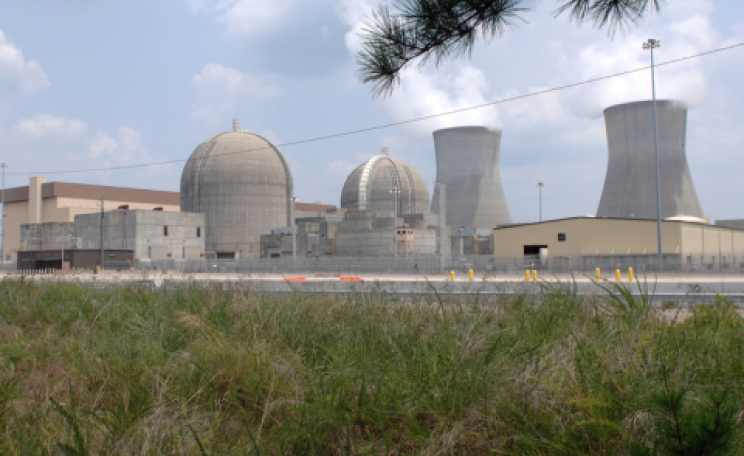
Toshiba, the 60% owner of NuGen, has announced it will build 3 AP1000 reactors at Moorside, England - much faster and cheaper than Hinkley C. But the whole proposition, writes David Toke, is seriously implausible.
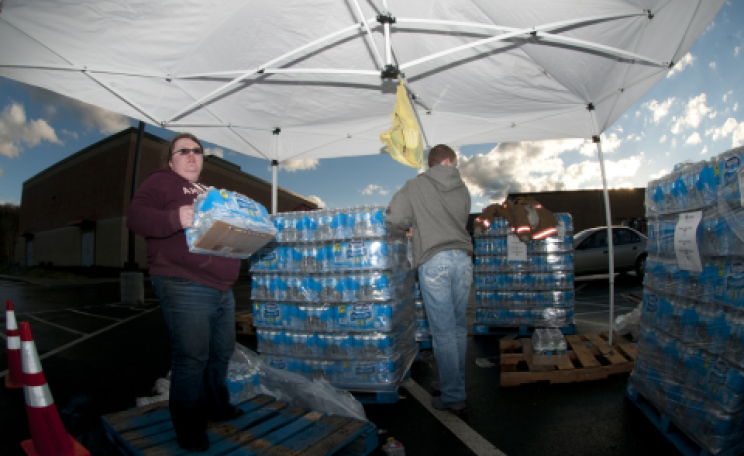
On January 9 thousands of gallons of a toxic chemical used to produce “clean coal”, spilled into Elk River, leaving 300,000 with no water supply. Trish Kahle asks - how could this happen?