Governmental action on climate justice could take a number of forms: ethical investment, community-owned energy systems, cutting subsidies, and litigating against carbon-heavy corporations. MARIANNE BROOKER reports
Margaret Thatcher was the first world leader to put climate change at the top of the agenda. Lord Lawson, her chancellor then, is now a mouthpiece for climate denial. So how does he explain her political support for the scientific consensus? BRENDAN MONTAGUE investigates
Elephants are sublime creatures. But in Thailand they are forced to undergo Phajaan, the breaking of the spirit of the elephant - so that they will submit to the wishes of tourists. BELLA LACK, an ambassador for the Born Free Foundation, is exposing this cruel practice
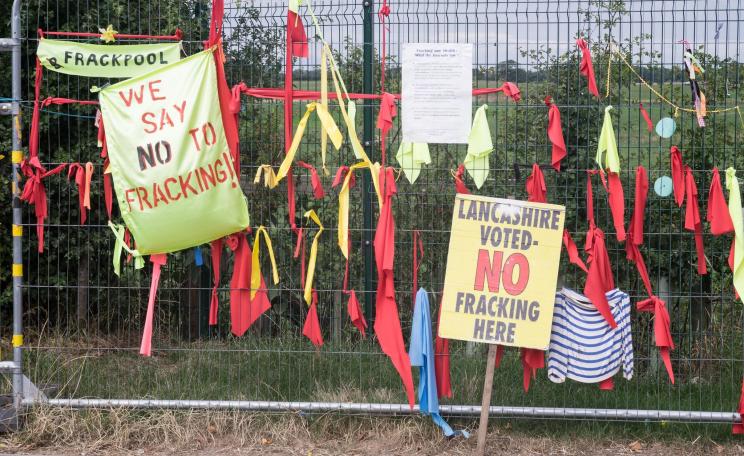
Campaigners have slammed a decision to allow test drilling despite opposition from the local council over night time noise, the impact on local roads and the green belt. CATHERINE EARLY reports
Margaret Thatcher as British Prime Minister would be the first politician of global stature to address the increasingly urgent concerns about climate change, writes BRENDAN MONTAGUE
Experts have said that fracking style oil exploration could be linked to a series of earthquakes that have rocked rural Surrey since April. ROD HARBINSON investigates
Enough of the quick fixes, the sticking plasters that scarcely cover the wound. What farmers need now is help to get off the treadmill, and that requires a wholesale rethink of our food and farming systems - argues HELEN BROWNING
Two proposed hydroelectric dams in Bolivia are set to create a serious socio-ecological calamity. They are emblematic of the injustices that have been a consistent feature of the Morales government. JONATHAN ELWELL investigates
Scientists were warning about the dangers of climate change even before America discovered and used oil on an industrial scale. Here, we see how in the 1980s it appeared politicians would rise to the challenges it presents. BRENDAN MONTAGUE investigates
A protester acquitted last week of trespassing on the Bradley coal mine site in County Durham has spoken exclusively to The Ecologist. ALEXANDRA HEAL reports
The French grain-grower Paul François was the first citizen to successfully sue Monsanto over a toxic weedkiller, six years ago. There are considerable parallels between his case, and the recent ruling that RoundUp caused Dewayne Johnson’s cancer. NATALIE SAUER investigates
Newly developed pesticides, which could potentially replace neonicotinoid insecticides, may reduce the reproductive success of bumblebees, a study published in Nature has concluded. MARIANNE BROOKER reports
The Institute of Economic Affairs (IEA) helped Thatcher's rise to power and when she became prime minister she followed their programme. This success allowed the IEA to fundraise from industry giants—including oil and tobacco. BRENDAN MONTAGUE investigates
The UK’s voracious appetite for wood-fueled energy is sounding alarm bells among environmental advocates, health groups, and those living near clear-cut forests. SASHA STASHWICK argues that biomass is worse for our environment than burning coal.