The sudden death of 200,000 critically endangered saiga antelopes in the remote steppe grassland of Central America was caused by unusual environmental conditions, reports BRENDAN MONTAGUE
Animal charities are calling on the government to take action on cruel puppy trade, live farm animal exports, foie gras and fur imports, farm subsidies and severe animal experiments to ensure UK can maintain its ambition of being as pioneer for animals as Britain exits EU. BRENDAN MONTAGUE reports
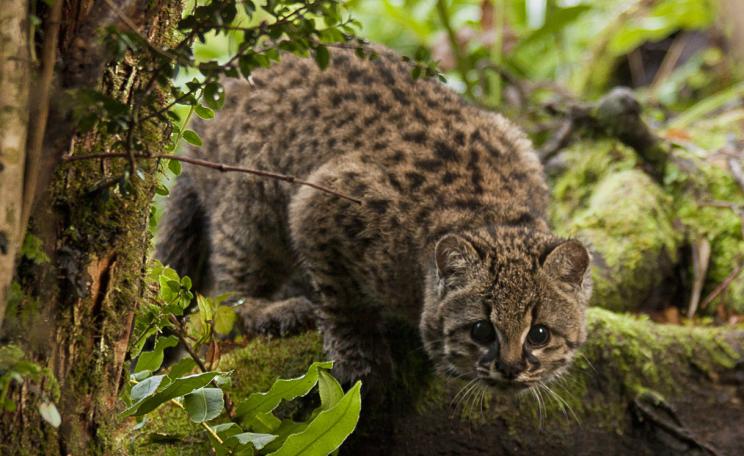
The forest living güiña wildcat in Chile has a reputation for attacking livestock, and so it has been assumed that its declining population was due to human persecution. But new research suggests the real cause is habitat fragmentation. The ground breaking study will also help us support other wild carnivores, reports BRENDAN MONTAGUE
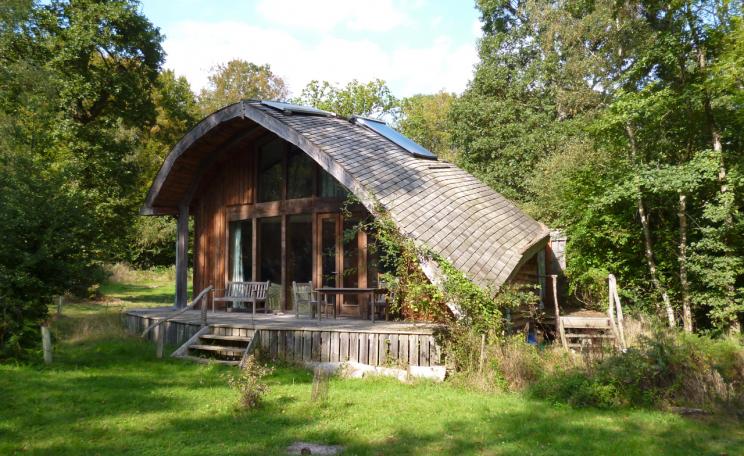
The Wildlife Trusts is urging developers to build homes that simultaneously give people an inspirational place to live and help reverse wildlife and habitat decline, reports CATHERINE EARLY
A start-up company wants to build a high-risk power plant next to LNG and oil tanks classified as major accident hazards in Milford Haven. No public authority has stepped in to protect residents and workers, argues ALMUTH ERNSTING. Are we now living in a post health and safety world?
The Trade Bill currently passing through parliament could result in Britain doing trade deals which undergo less scrutiny than through the European Union. This is not taking back control, argues SOPHIE HARDEFELDT
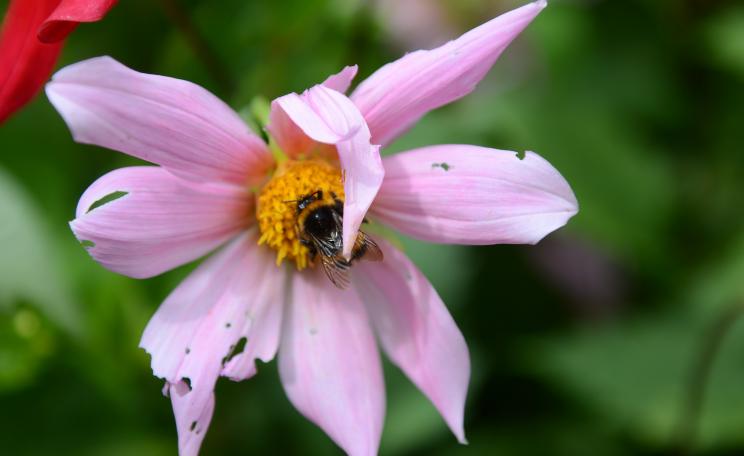
The decline of honey bees in the UK has been well documented. Is it a demonstration of climate change and, if so, what can be done? QUENTIN SCOTT, director at renewable energy investment company Low Carbon, discusses how it has partnered with Plan Bee to educate communities and support biodiversity
Ideas to protect the UK’s natural resources and reduce waste and pollution have been published in the government’s long-awaited 25-year plan. But campaigners fear the proposals are not strong enough, CATHERINE EARLY reports
Pastoralist communities have lived in the most challenging environments in Africa for more than 6,000 years. But a dangerous mix of stereotyping, changing governance and climate change is now threatening their way of life. CURTIS ABRAHAM investigates
Springwatch Unsprung presenter Lindsey Chapman talks poetry, Blue Planet II and why we need to amplify diverse voices in the fight against climate change in the first of our new Voices for Nature interview series from our nature editor ELIZABETH WAINWRIGHT
A recent academic study examined the data relating to growth in mining exports and the growth in environmental conflicts across Colombia, Ecuador, Peru and Bolivia. The correlation is almost perfect. MARIO PEREZ-RINCON and NICK MEYNEN examine how 'victims' of such conflict can become environmental ‘warriors’.
Resilience is something of a buzzword - a necessary one in times of austerity and increased anxiety about work. BRENDAN MONTAGUE had read the literature about how being in nature, telling stories and connecting with people all increase resilience. And then he experienced it first hand when he attended a weekend workshop at Hazel Hill Woods in Salisbury. This is his story.
A coalition of social justice groups, trade unions and environmental organisations including Trade Justice Movement, Global Justice Now, Traidcraft and Unison is calling for a more democratic system of agreeing Brexit trade deals. BRENDAN MONTAGUE reports
Young Friends of the Earth Norway and Greenpeace lost a historic case against the Norwegian government yesterday over new licenses for arctic oil drilling. Though a visible and damaging loss, permeating through are billows of optimism and shifting environmental governance. KATIE HODGETTS reports
New years’ resolutions typically consist of promises to exercise more, sleep better and generally be more healthy and less stressed. As everyone returns to work this can be a real challenge. A practice originating in Japan and now being trialled by the RSPB and on Forestry Commission holidays could help you achieve all this and more. CATHERINE EARLY reports