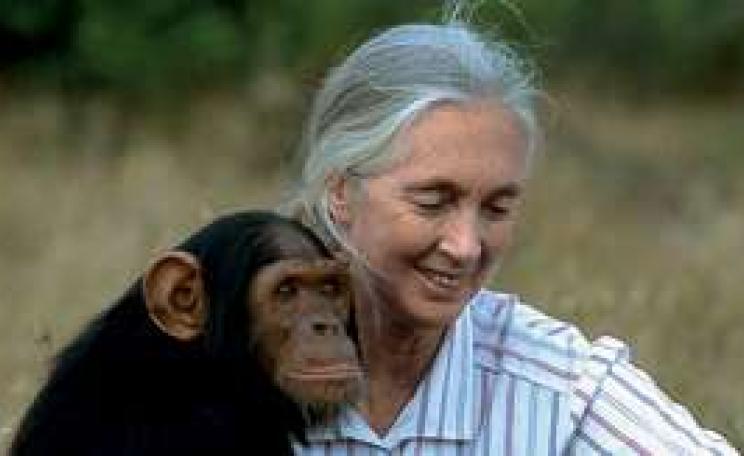
The UN Climate Talks witnessed a crisis point. Nothing on the table seemed to match the scale of the challenge and corporate interests are rife. As the talks in Poznan in 2008 were coming to an end, we took stock with three key protagonists. To find out more <a href="http://coinet.org.uk/discussion/climate_radio/unct_p"> click here
A dose of flu in winter is as inevitable as a broken boiler – and usually as harmless. But as public health expert Dr Michael Greger explains, intensive farming of animals around the globe may mean we are hatching out an influenza timebomb
With her free-ranging flock of conservation grazers, Britain's only close shepherd is resurrecting a greener way to manage the countryside. Dixe Wills reports
Tracy Worcester's film <i>Pig Business</i> exposes the abuses of factory farming and challenges consumers to make a stand. Phil Moore meets a woman on a mission.
The pesticide industry knows all too well that nature quickly develops immunity to its chemical armoury. But a new study by scientists at the Instituto Gulbenkian de Ciencia (IGC) and the Faculty of Science of the University of Lisbon, in Portugal has shown that a species of worm can develop resistance to a common pesticide in just 20 generations, or 80 days.
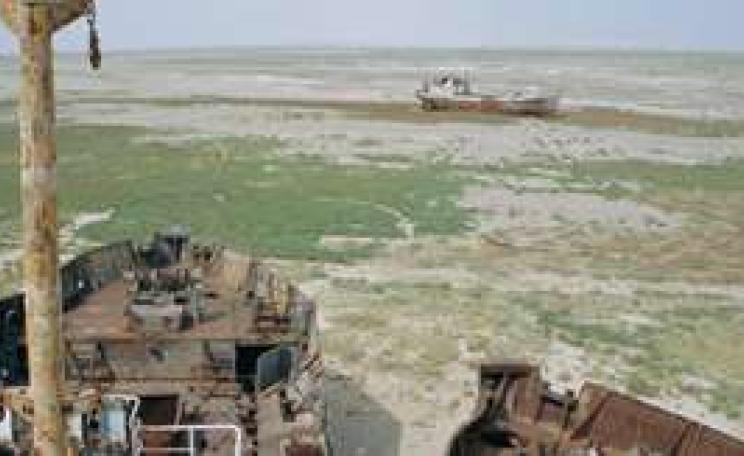
Does the Aral Sea, the biggest environmental disaster of the 90s, offer us cause for hope? Paul Miles reports, and sees parallels with a bigger man-made disaster – climate change
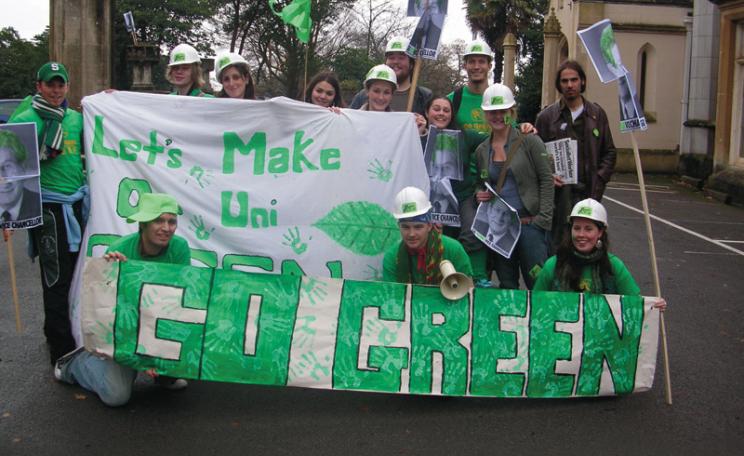
From ‘First’ to ‘Failed’, student activist group People & Planet has created a new way of ranking the UK’s universities – according to their environmental credentials.
If we hope really hard maybe things will get better – or maybe it’s time to consider a new plan of action. Michael Nelson and John Vucetich propose a virtuous approach to environmental change.
A former Washington scientific adviser has called for a worldwide ban on neonicotinoid pesticides that have been implicated in the decline of the honeybee population.