Relationships, like so many other aspects of modern life, are increasingly subject to the pressures of commercialisation. ‘Buy this and you’ll be happy’, suggests the marketing. And one recent product, both intimate and as impersonal as can be imagined, boasts particular success…
Pat Thomas, Health Editor of the <i>Ecologist<i/>, responds to Felicity Lawrence's article in the Guardian on the link between junk food and mental health
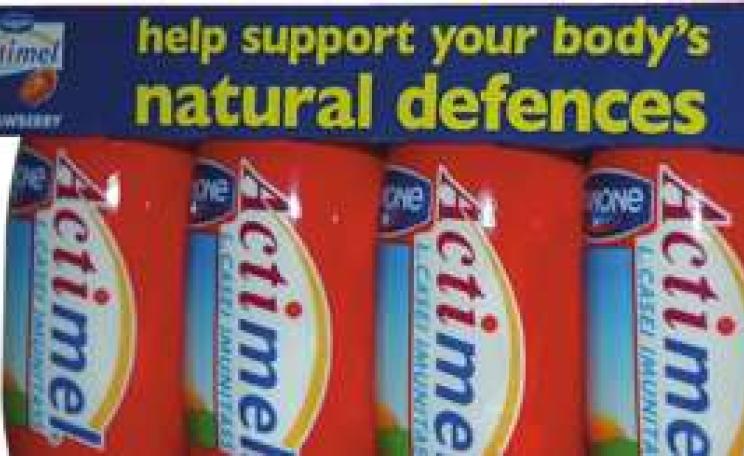
The human gut is a unique ecosystem and the hallmark of any healthy ecosystem is the presence of a diversity of micro-organisms. If you are a slave to probiotic drinks you could be encouraging an unhealthy imbalance. Pat Thomas reports.
How do we define ourselves in time and space? A new book England In Particular suggests it is the commonplace, the local and the distinctive that tells us where we are
In August 2006, German chemicals company BASF applied to start GM potato field trials
in Cambridge and Derbyshire as early as next spring. The GM industry is making many
claims about this product, but are these based on the truth? Andy Rees investigates
Is it worse than Mc Donalds? The BLT sandwich is an icon, the ultimate symbol of convenience culture. Tesco alone sells 5 million a year. This is what the £1.80 you pay for your BLT buys...
The exuberance of childhood celebrated in books such as Just William is now frowned upon as inappropriate behaviour, resulting in more and more children being prescribed behavioural drugs. Rachel Ragg investigates
By radically changing the way we acquire our food, the development of agriculture has condemned us to live worse than ever before. Not only that, agriculture has led to the first significant instances of large-scale war, inequality, poverty, crime, famine and human induced climate change and mass extinction.
By Clive W. Dennis (winner of the Ecologist/Coady International Institute 2006 Essay Competition)
We are enamoured of fragrances, and virtually every aspect of our lives is touched by a fragranced product. But is it a touch too much? Pat Thomas reports.