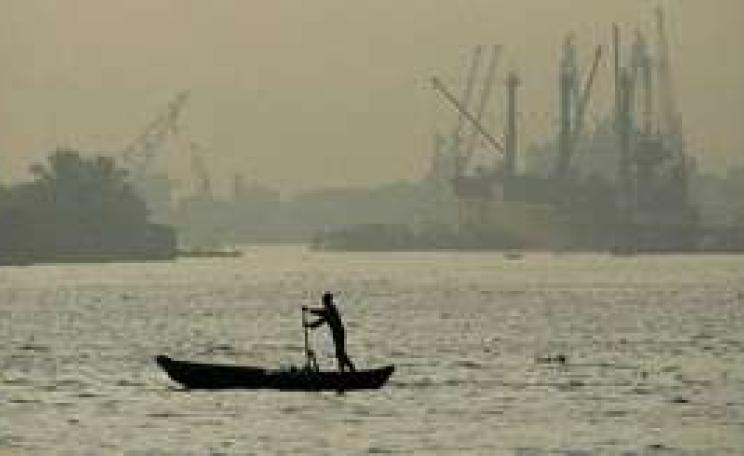
Isolated by the surrounding desert, Kashgar was once
an oasis on the old Silk Road. Now the city is being overwhelmed in the rush to open up the region’s oil and gas reserves. By Dan Box.
Ploughshares actions started in 1980 in the US. They have taken place in many different countries, with weapons as diverse as rifles, warships, missiles, submarines and aircraft being dismantled or damaged.
In the 1930s US dentist Weston Price travelled the world to study the diets of ‘primitive’ peoples. He found a startling lack of disease and proof that a system of environmentally-friendly local food production is the best way to ensure human health.
Why are GM crops being grown, how are plants genetically modified, where is it being cultivated, who’s in control and what is being researched and developed?
The GM public debate, which runs throughout June and July, is the public’s chance to express any concerns it may have over the growing of GM crops in Britain. Andy Rowell explains why your participation is vital
Our sick society and stupid economics are dragging the planet to the edge of apocalypse. Earth’s survival depends on a completely new way of thinking. By Kirkpatrick Sale
Bizarrely formed and practising one of nature’s most mysterious parenting methods, the seahorse is the victim of an international trade that kills 20 million of them every year. By Davina Langdale
Does it annoy you that the earth is being destroyed to benefit a tiny minority? Enough to do something about it? Derrick Jensen invites you to join him on the barricades
In the 1960s psychologist Stanley Milgram tested a cross section of ordinary Americans to see if they’d administer potentially lethal electric shocks to a mild-mannered little man, sitting in an electric chair. The findings stunned the world.
George Monbiot argues that fair trade is the answer to world poverty. He proposes a radical new system that would also rein in corporate
power and protect labour rights and the environment.