Ladakh is framed by the Karakoram mountains to the north and the Himalayas to the south. Yet even in this remote environment the forces of global consumerism are intruding. Nicola Graydon reports on the locals' inspiring defence of their culture
Costing over $1 billion, the Karahnjukar hydroelectric dam in Iceland is a hugely controversial project. Mark Lynas journeyed to the blasting face, hoping to work out for himself whether this industrial elephant is green or brilliant-white.
Action and Information on Sugars (AIS) was created by public health dentists and dietitians in the mid-1980s to dispel the myths about sugars and health propagated by the sweet foods industries. One of our greatest successes was a campaign to stop GlaxoSmithKline (GSK) claiming that its Ribena ToothKind drink ‘did not encourage tooth decay’. The claim was endorsed by the British Dental Association (BDA).
‘Refined'. Of a higher quality. The result of conscious improvement. Not so with sugar. Refined sugar has been depleted of its vitamins and minerals. What is left consists of pure, refined carbohydrates.
This beautiful but deadly plant proliferates in lakes across Africa – choking everything in its path. Why, asks Tom Hargreaves, have all attempts to manage it failed?
Have you ever heard of – let alone tasted – the Rats Tail radish, the Crookneck squash or the Prince of Prussia pea? We report on what’s being done to save Britain’s rich agricultural heritage.
Say: ‘I am happy to pay for environmental degradation, chronic illness and labour rights abuses in countries that grow flowers for Western consumers but cannot feed their own people.’
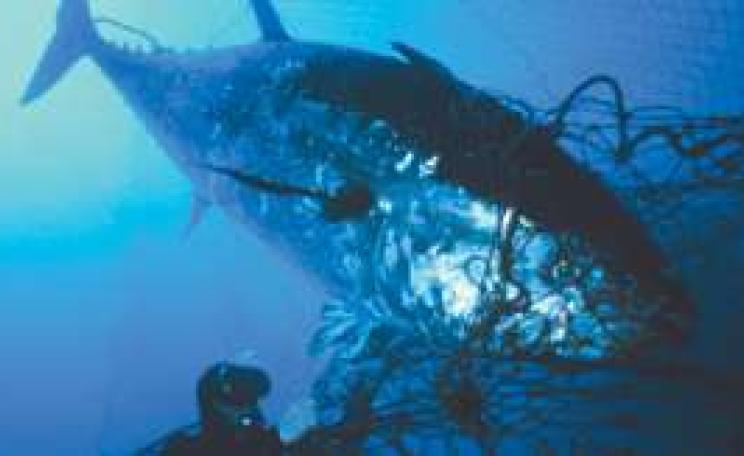
Already on sale in some British supermarkets, is farmed cod really the long-term solution to the problem of declining wild populations.
By Tom Hargreaves
Janine Roberts describes how De Beers cons the world into paying so much for its cheap, plentiful diamonds and turns a blind eye to the eradication of the oldest culture on the planet.