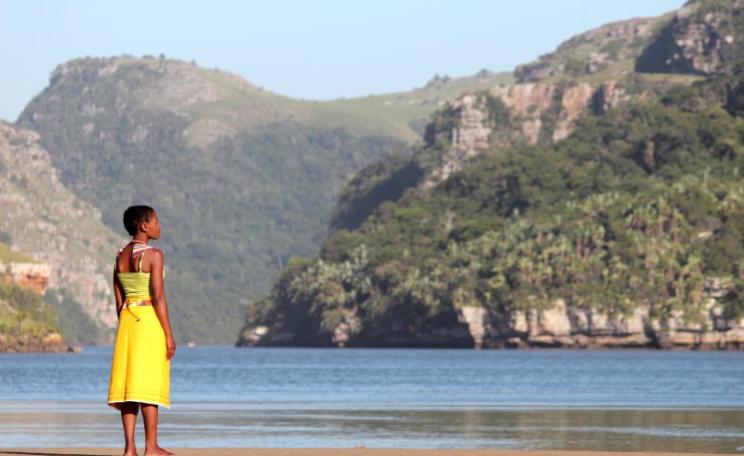
How do you solve the problem of ‘retired' mine pits aka huge abandoned holes in the ground? Turning them into lakes is a popular solution but maybe not the best one says ANICA NIEPRASCK who should know since she grew up in the Lausitz region of Germany in a community surrounded by these massive, dangerous and polluting land holes
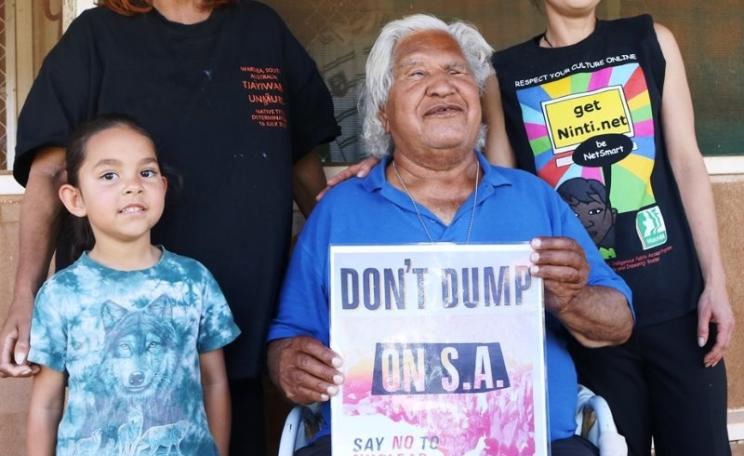
The rejection of a plan to import vast amounts of high-level nuclear waste from around the world for profit was a significant result for campaigners but that threat is still far from over, writes JIM GREEN
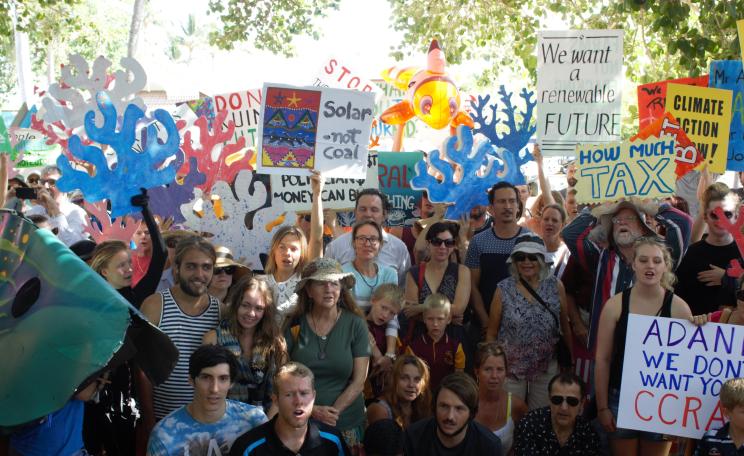
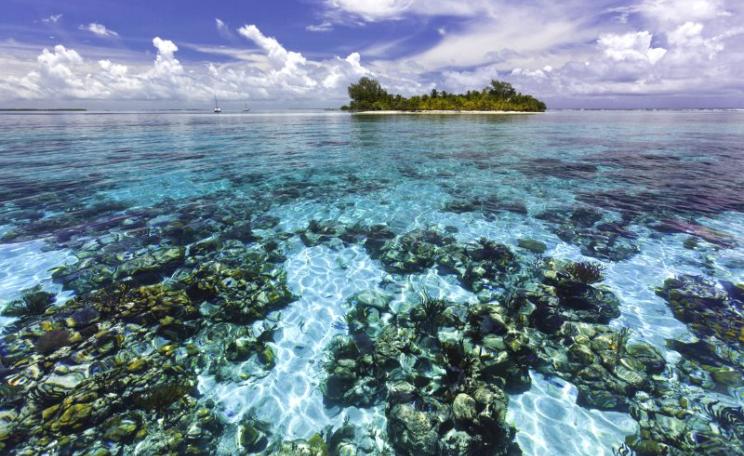
Australia's governments and mining giant Adani have announced the go ahead for a mega mine - despite the United Nations Educational, Scientific and Cultural Organization's (UNESCO) warnings over climate change and the likely impact on the Great Barrier Reef. MAXINE NEWLANDS reports
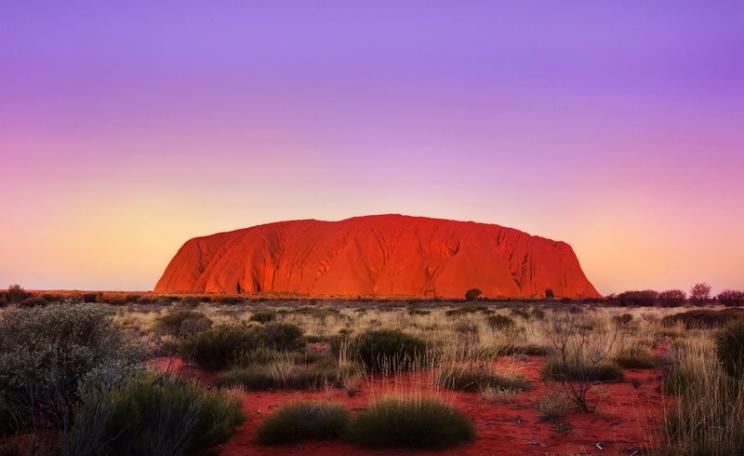
For 80 years Australia's Aboriginal peoples have called for land rights and sovereignty, writes Harry Hobbs. And for 80 years they have been ignored or brushed aside. But now delegates meeting at Uluru have issued a 'statement from the heart' demanding constitutional reform to empower Indigenous people to take 'a rightful place in our own country'. Their call must be heard!
The participation of the fossil fuel industry in UN climate talks represents clear a conflict of interest, writes Pascoe Sabido. And nowhere has this been more apparent than at this month's UNFCCC meeting in Bonn, where fossil fuel representatives have slowed progress to a snail's pace. With just six months to go before November's COP23 negotiations, it's time to defy the US, EU and Australia, and kick fossil fuel lobbyists out!
Natural disasters like flood and drought have cost the Australian government more than A$12 billion since 2009, write Tayanah O'Donnel & Josephine Mummery, with even harsher weather events predicted for coming decades. Clearly, it's just the time for Australia to eliminate funding for research on adapting to climate change.
A $4m plan to move 80 rhinos from South Africa to Australia is inept, patronising, a waste of scarce resources that contributes nothing to conservation, and betrays an outdated neocolonial mindset, writes Matt Hayward. The money should be spent on successful but underfunded community-based rhino conservation initiatives in Africa that benefit entire ecosystems.
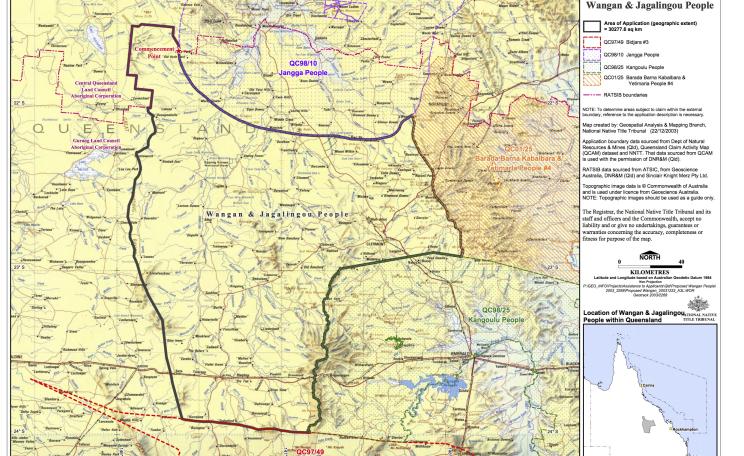
Indigenous elders from the Wangan and Jagalingou (W&J) people have put mining company Adani - and Australia's governments - on notice to quit the Carmichael mine project over native title claims. MAXINE NEWLANDS reports
Australian politicians are putting the Great Barrier Reef at risk by approving one of the world's largest coal mines, say activists and marine scientists. MAXINE NEWLANDS reports
Australian Greens' Leader Richard Di Natale has called for the prospect of a Trump Presidency and a post-Brexit Britain to be the chance to break old alliances and forge new deals to save the planet. MAXINE NEWLANDS reports
A 350-member Citizens' Jury convened to decide on whether a massive nuclear waste dump would benefit South Australia just gave the plans a big 'No!', writes Ian Lowe. SA Premier Weatherill must drop his attempt to reverse that decision with a referendum, and accept the jury's well informed, democratic verdict.
An officially convened 350-strong Citizens' Jury has decisively rejected South Australia's plans to import over half a million tonnes of high and intermediate level nuclear waste for long term storage, writes Jim Green. This has dealt a powerful blow against the project from which it is unlikely to ever recover, and represents a major victory for campaigners, indigenous Australians and economic sanity.
Australian educator, author and co-inventor of Permaculture, Bruce Charles 'Bill' Mollison, died on the 24 September 2016 in Sisters Creek, Tasmania. He has been praised across the world for his visionary work, and left behind a global network of 'peaceful warriors' in over 100 countries working tirelessly to fulfill his ambition to build harmony between humanity and Mother Earth.
Knitting Nannas Against Gas (KNAG), an anti-fracking group held their national gathering in the heart of Australia's Coal Seam Gas (CSG) industry where the ‘Nannas' workshopped ways of evading arrest, media strategies, avoiding defaming energy companies, lawful protest, successful campaigns, protest songs and nanna naps. MAXINE NEWLANDS joined them for the gathering
Campaigners have forced the biggest shareholder in a titanium mining project on south Africa's 'Wild Coast' to withdraw, reports Rachel Lees. But they now fear the project itself will continue under the auspices of local 'front' companies, while the big profits enrich the British and Australian investors that are the real masters of Africa's neo-colonial minerals boom.
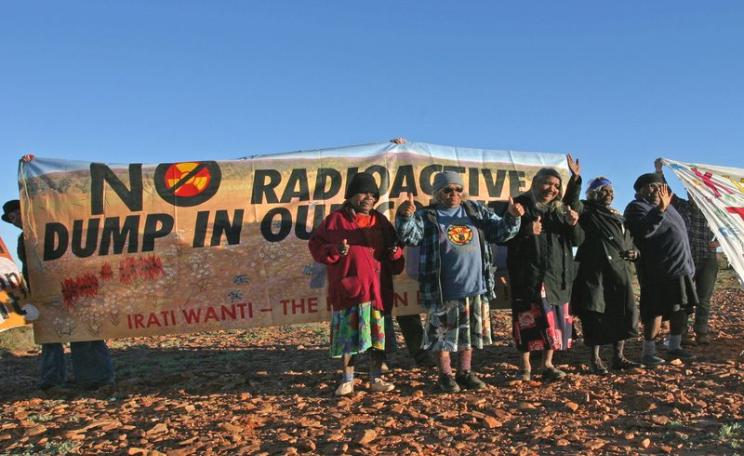
Australia's nuclear industry has a shameful history of 'radioactive racism' that dates from the British bomb tests in the 1950s, writes Jim Green. The same attitudes persist today with plans to dump over half a million tonnes of high and intermediate level nuclear waste on Aboriginal land, and open new uranium mines. But now Aboriginal peoples and traditional land owners are fighting back!
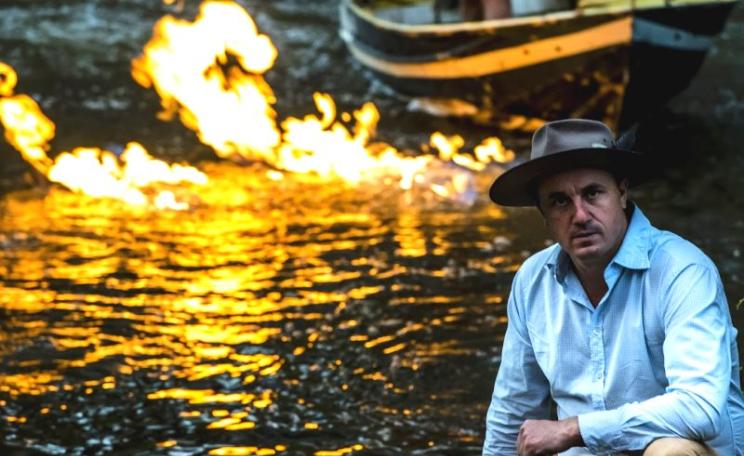
So much methane is bubbling into a river surrounded by hundreds of fracking wells that it's a fire hazard! Local campaigners blame the coal seam gas industry for the gas releases which are spreading along Queensland's river Condamine and gaining in intensity.
Australian governments have long waged a one-sided war on the continent's Aboriginal peoples, writes John Pilger. And now a new weapon has come into play: the starvation of the most remote, culturally intact communities. It's all part of a multi-faceted program of physical and cultural annihilation. And yet the world is silent.
Large areas of the Great Barrier Reef are dying in what may be its greatest ever 'bleaching' event, writes James Dyke. The mass loss of the photosynthetic algae that sustain the coral is the result of this year's massive 'El Niño' perturbation to Pacific weather patterns, and global warming. Australia's response? The government has just approved leases for the world's biggest coal mine.
New research from Australia's Great Barrier Reef shows that no-take marine reserves don't just mean more and bigger fish, write Camille Mellin, Aaron MacNeil & Julian Caley. They also boost the resistance of reef communities to disturbances like storms, bleaching and predation, and speed their subsequent recovery. It's time for global rollout of coral reef marine reserves!
Precious World Heritage Sites that protect vital biodiversity and human cultures are at risk from oil decelopment and other industries. Under threat are not just nature, wildlife, land and water but the 11 million people who depend on the 114 sites' environmental quality for their livelihoods.
In 1975 Indonesia invaded the small Pacific country of East Timor, writes John Pilger, and then massacred a third of its population to suppress demands for independence. Now unearthed documents show the genocide was supported by Australia so it could grab the oil and gas reserves of the Timor Sea. Despite East Timor's independence, won in 1999, Australia is still stealing its oil and gas revenues worth $5 billion and counting.
The main claim used to justify nuclear is that it's the only low carbon power source that can supply 'reliable, baseload electricity', writes Mark Diesendorf - unlike wind and solar. But not only can renewables supply baseload power, they can do something far more valuable: supply power flexibly according to demand. Now nuclear power really is redundant.
Australia's rainforest state, Queensland, is destroying well over 100,000 hectares of native vegetation a year, and rising, write Martine Maron, Bill Laurance & colleagues, including 'at risk' habitats and Koala bear forests. This is more than reversing the entire nation's eco-restoration programs and pushing endangered species ever closer to extinction.