Because as reader Felix Schenuit points out, more science cannot resolve the political dilemmas involved: debate is needed on the values and interests at stake.
Climatekeys launches in London tomorrow and promises to be music to the ears of activists keen to learn and teach about climate change while also aware of the need to remain positive. JULIA MARQUES shares her inside view.
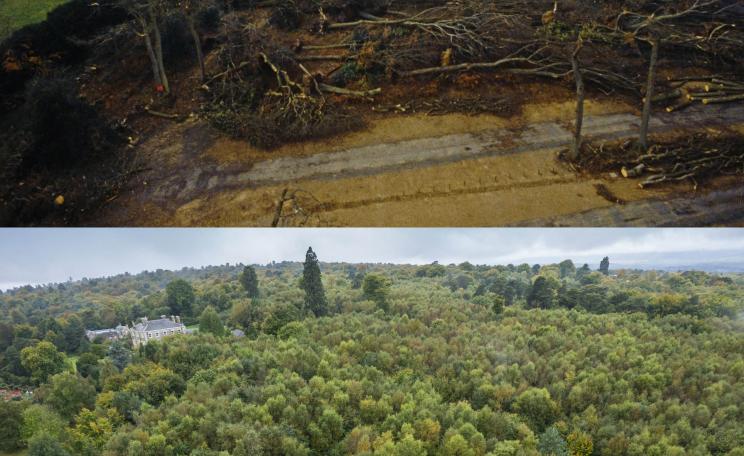
As 110mph winds raged across southern England, Britain's Great Storm of 1987 wreaked devastation across scores of National Trust woodland. But thirty years later, nature has proven resilient. BRENDAN MONTAGUE reports
Environment secretary Michael Gove said he is convinced “climate change is a danger” but that efforts to cut greenhouse gas emissions must not come at the expense of economic growth. MAT HOPE of DeSmog UK reports
Britain will become 'world leaders in decarbonising our economy' claims John McDonnell at his speech to the Labour Party conference in Brighton today. And with Labour still ahead of the polls, his radical agenda for renewable energy could become government policy, reports BRENDAN MONTAGUE
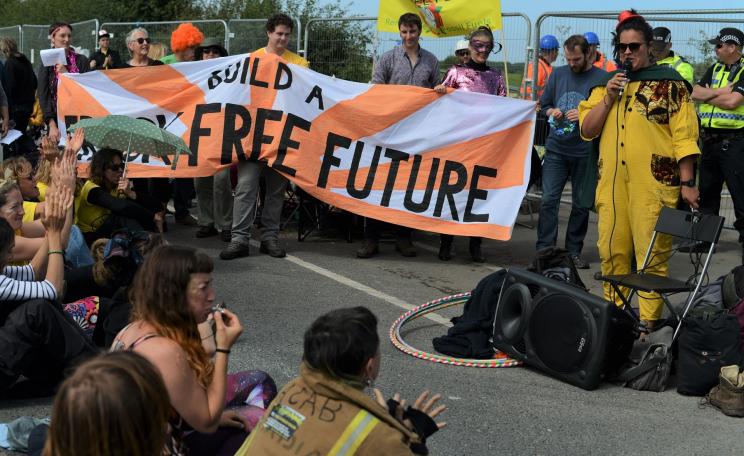
Thousands of protesters have occupied a coal mine near Cologne - the single largest emitter of CO2 in Europe. NICK MEYNEN argues that history is on their side, especially when politicians fail to take heed of climate science
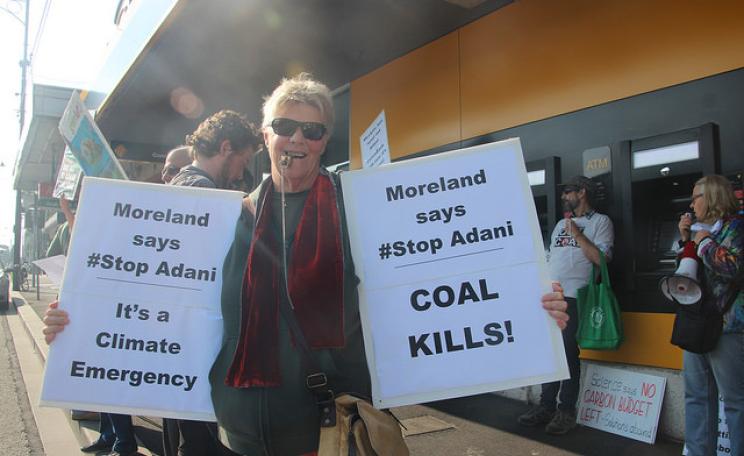
The Adani-Carmichael Coal Mine is an enduring stain on Australia’s underdeveloped environmental policies, with new fraud cases and environmental assessment reports weighing the venture down. Australian environmentalist MARIAH SAMPSON takes a look at the current state of affairs surrounding the plans for the biggest open coal mine in the world.
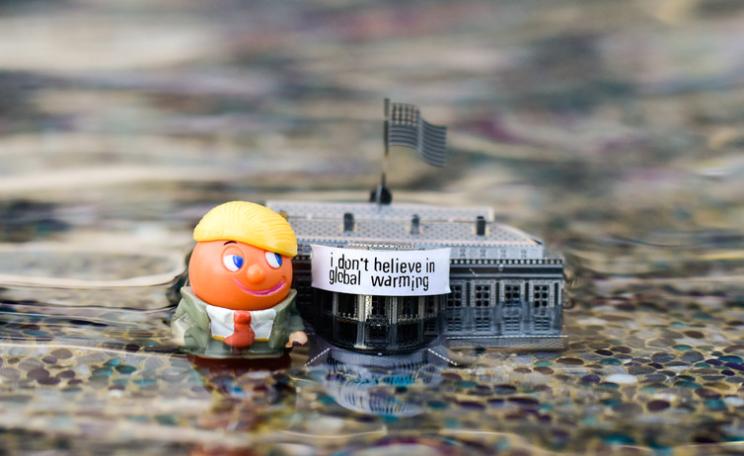
Donald Trump has walked away from the Paris Agreement and environmentalists are having to deal with a climate denier occupying the White House. The best way to reach out to Trump supporters may be to warn against local pollution rather than talk about icebergs or atmospheric science, argues energy politics expert TAE HOON KIM
The sale of a slice of Saudi Aramco will be the biggest initial public offering (IPO) in human history. The Crown Prince believes his company is worth a total of $2 trillion. But investors must consider current low oil prices and climate mitigation policies when assessing value. BRENDAN MONTAGUE reports
The Shock of the Anthropocene has been translated from French into English and published by Verso. NATALIE BENNETT, the former Green Party leader, explains how it is an important, informative and interesting book which all ecologists should read.
Forum for the Future, an international sustainability non-profit, has published a report in which former energy bosses, ministers and civil servants advise the Big Six energy companies to back renewables, reports BRENDAN MONTAGUE
What do Mr Blobby, Spiderman and Dumbledore have in common? And Bez from 80s rock band Happy Mondays, local residents, farmers, students and solidarity groups from around the UK? These characters assembled for a climate carnival in Lancashire, reports LYDIA NOON
They organise, research and protest: a new generation of climate activists around the world is prepared to do everything they can to protect the climate. The Ecologist has talked to young climate activist around the world. These are the top ten young climate activities working to stop Donald Trump.
One of the world's biggest energy companies has been caught out in what may be the biggest ever climate scandal, writes Bill McKibben. Way back in the 1980s ExxonMobil knew of the 'potentially catastrophic' and 'irreversible' effects of increasing fossil fuel consumption, but chose to cover up the findings, spread misinformation on climate change, and go for high carbon energy sources.
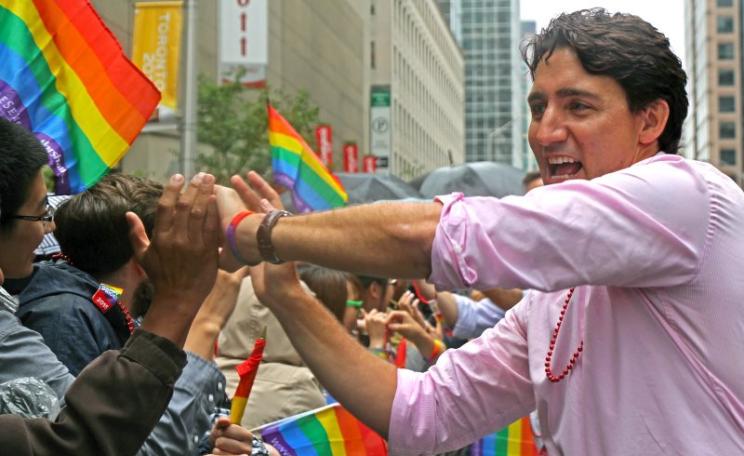
It's all change in Canada with the dramatic ousting of anti-environment Conservative Prime Minister Stephen Harper, writes Carol Linnitt. Under the new Liberal PM Justin Trudeau things are looking a lot better for climate, science, environment, transparency and First Nations. But Canada is still set to go into the Paris climate talks with the same weak level of commitment.
The 'knowns' of climate change are already plenty scary enough, writes Bill Laurance. But far more worrying are the unknowns. And in a system as complex and convoluted as the global climate system there are lots of them, creating scope for many nasty surprises to emerge.
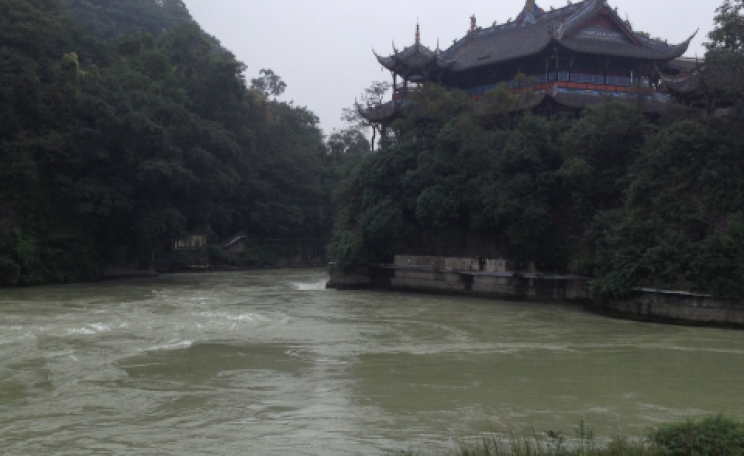
One unintended consequence of China's spectacular economic growth is a growing water shortage, reports Joshua Bateman. As rivers run dry, aquifers sink, climate harshens and pollution spreads, he asks: can China solve its water crisis?