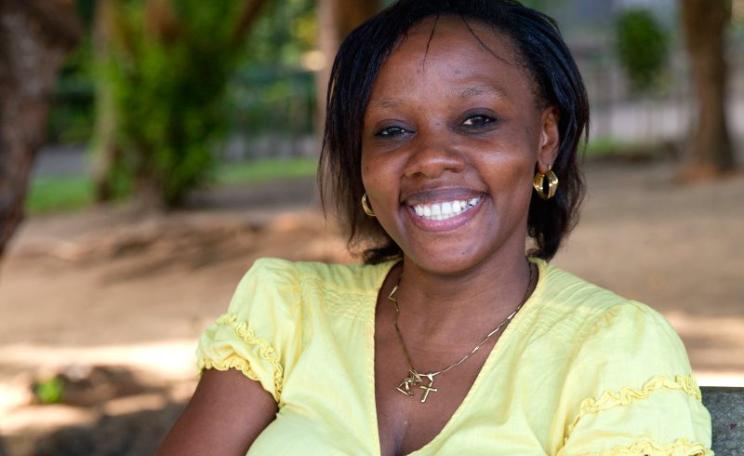
Lead poisoning from industrial pollution has imposed a terrible toll on Kenyans, writes Sophie Morlin-Yron, and single mother Phyllis Omido is no exception - lead from a nearby metal refinery badly damaged her own son's health. But it was when she decided to fight back against the polluters that a whole new realm of threats and dangers opened up.
Nicola Sturgeon secretly met with pro-fracking firm Ineos on the very same day that Scotland announced its shale gas moratorium, writes Kyla Mandel - giving rise to fears of a under-the-table stitch-up.
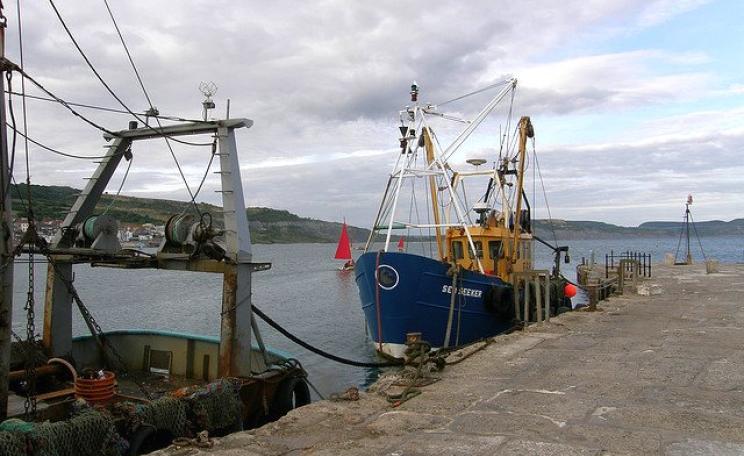
There's strong public support for protecting marine wildlife, writes Horatio Morpurgo - so why aren't politicians championing the cause? Labour and Tories alike fear to challenge the big fishing companies that have come to believe they own Britain's offshore waters and seabed. Now it's up to use to prove they're wrong.
When seeking a new Vice-Chair for the BBC Trust, would you seek out a distinguished journalist? Or the Chairman of Europe's biggest arms company, one with a murky past of corruption and supplying deadly weapons to despotic governments? For the British oligarchy, writes Harry Blain, the answer is obvious.
Thinking people of all stripes are agreed in their opposition to cruel, exploitative animal farming, writes Ronnie Cummins. So it's time for them to move beyond sterile 'meat-eater versus vegetarian' debates, and unite in their opposition to the daily atrocities of industrial agriculture.
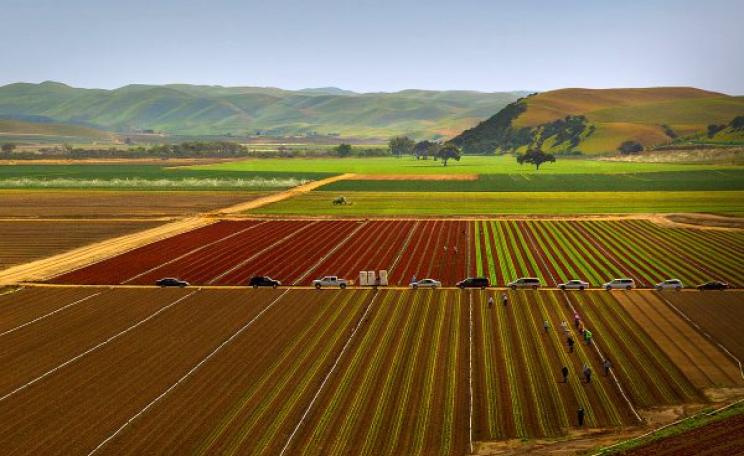
California has responded to the drought by rationing water, with $500 fines for domestic 'water wasters', writes Evan Blake. But agribusiness and water-intensive industries like fracking remain untouched by the restrictions, even though they consume over 90% of the state's water.
Ever since its creation in 1970 the US-EPA has been a failing organization, writes Carol Van Strum in her review of 'Poison Spring' - serving the corporations it was there to regulate, falsifying data, suppressing the truth about pesticide toxicity, and crushing whistleblowers.
The Guardian Media Group is to divest its £800m fund from fossil fuels over five years. The terms of its promise appeared to leave the door open to natural gas and fracking, But GMG now insists that it aims to ditch all fossil fuels within five years.
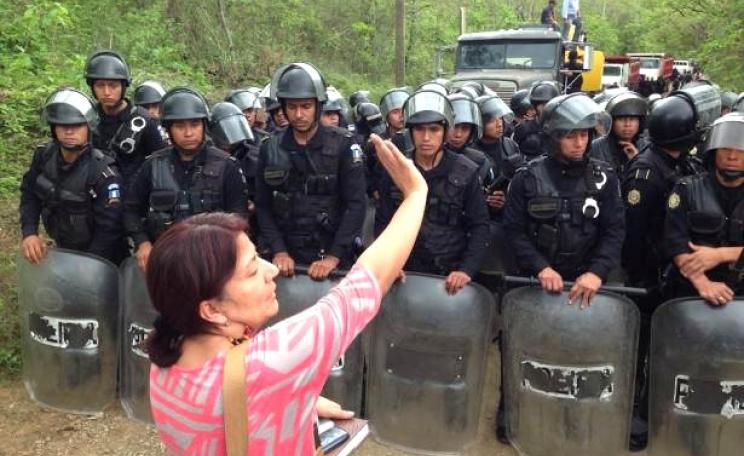
For over two years the small community of San José del Golfo has maintained a 24-hour barricade against the US-owned mine El Tambor that threatens to destroy their land and water. The non-violent resistance, led by women, is transforming the traditional 'macho' culture, and attracting support across Guatemala, and beyond.
Scientists have discovered that exposure to three widely used herbicides including Monsanto's Roundup and Kamba causes pathogenic bacteria to develop resistance to medically important antibiotics.
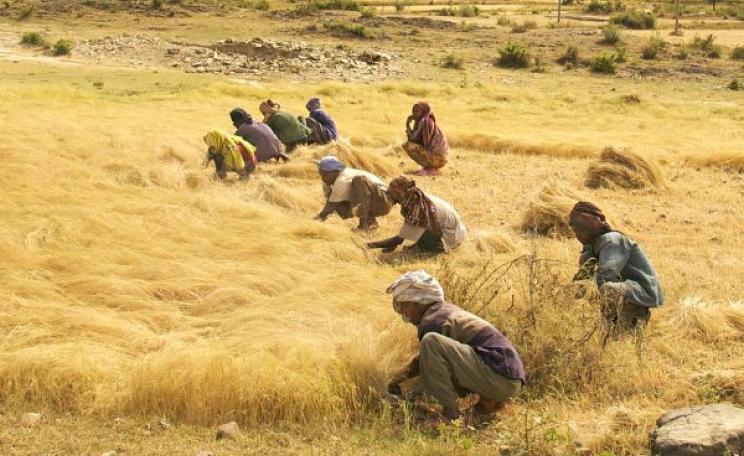
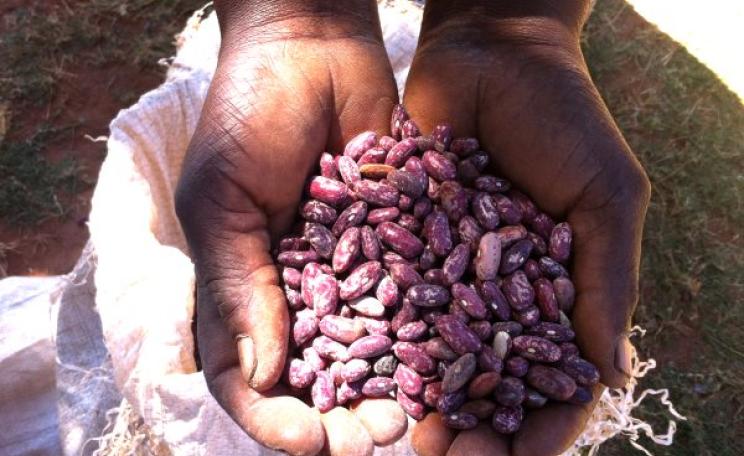
An elite group of aid donors and agribusiness corporations met in London this week to plan the takeover of Africa's seeds, writes Ian Fitzpatrick, replacing traditional seed breeding and saving by small farmers with a corporate model of privatized, 'improved', patented, genetically uniform and hybrid seeds in a profit-driven market.
Botum Sakor national park is one of Cambodia's biodiversity hotspots, where indigenous tribes have long lived in harmony with the forest and its wildlife, writes Rod Harbinson. But now they are being violently evicted as the park is being sold off piecemeal to developers for logging, plantations, casinos and hotels. Now local communities are defending themselves and their land.
The International Agency for Research on Cancer has labelled the world's biggest herbicide, glyphosate, as 'probably carcinogenic'. Another four widely used organophosphate insecticides may also pose a cancer risk.
The latest salvo in the battle over Africa's seed systems has been fired, writes Stephen Greenberg, with the Gates Foundation and USAID playing puppet-masters to Africa's governments - now meeting in Addis Ababa - as they drive forward corporation-friendly seed regulations that exclude and marginalize the small farmers whose seeds and labour feed the continent.
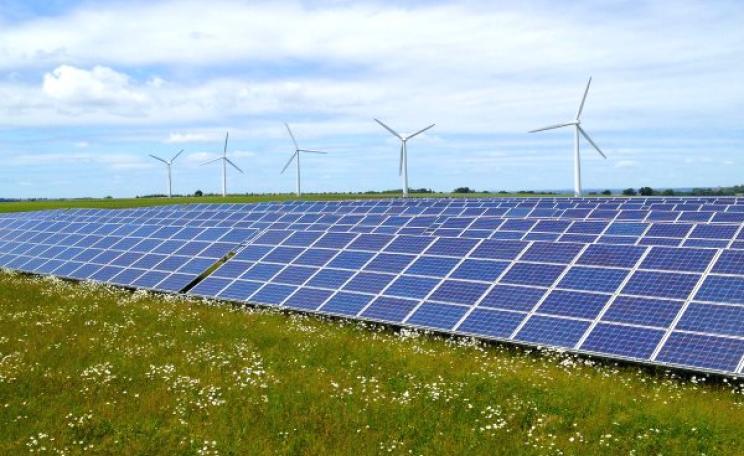
Britain's corporate energy oligarchy has failed us, writes Calum McGregor. It's given us widespread fuel poverty, unfair tariffs, constant price hikes, billions siphoned off to shareholders, and chronic under-investment in renewables. Now is the time for a new model: public and co-operative ownership of energy infrastructure under participative democratic control.
Journalism in the United States is a dying profession, says Paul Craig Roberts, recipient of the International Award for Excellence in Journalism 2015. Corrupted by corporate wealth and power, and intimidated by a repressive state, the mainstream media have assumed a new role as messengers of fear, hatred and naked aggression that's driving the world to nuclear war.
At the heart of Poland's capital, Warsaw, farmers have founded a flourishing encampment known as the 'Green City', writes Julian Rose. It's a focus of protest against the sell-off of their land to agribusiness, the arrival of GMO crops, and the imposition of a failed 'Western' model of farming that's creating huge corporate profits while debasing food and bankrupting small farmers.
Edelman, the global PR group, has a history of aggressive 'consent engineering' for the fossil fuel industry in North America, writes Paul Mobbs. So what are they doing running 'impartial' UK bodies including a Parliamentary group on unconventional oil and gas, and the 'independent' Task Force on Shale Gas? Are they really US-style 'astroturf' bodies designed to fool us all?
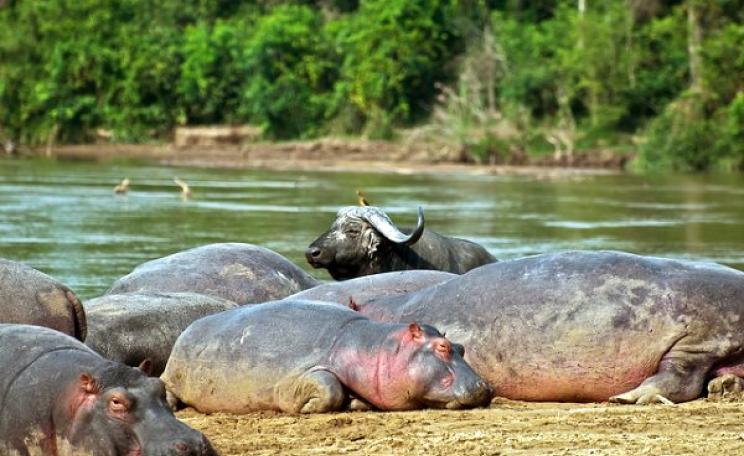
The Democratic Republic of Congo is to consult UNESCO, writes Melanie Gouby, over its wish to 'explore judiciously' for oil in Africa's first and most biodiverse National Park and World Heritage Site.
Deep in the Algerian Sahara, the oasis town of Ain Salah is a focus of opposition to a new wave of fracking, with violent confrontations between police and up to 40,000 protestors, writes Alexander Reid Ross. They have two main concerns: preventing pollution to the aquifer that sustains them, and keeping out foreign oil giants like Total and Halliburton.
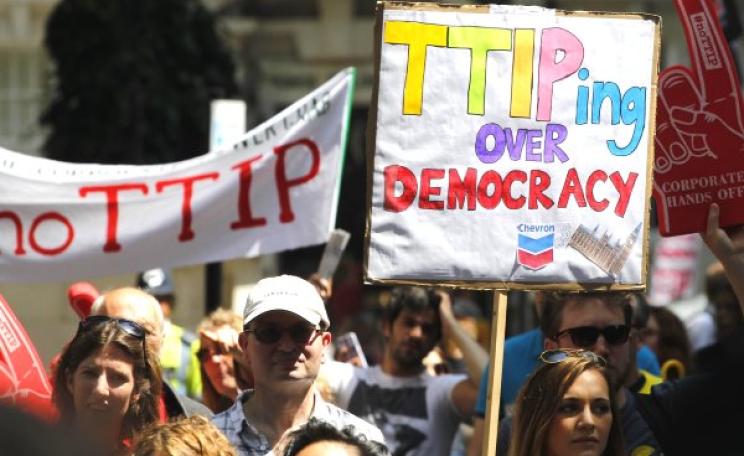
There's only one principle behind TTIP, CETA and other 'free trade' agreements, writes Conor J. Lynch. And no, it's not 'free trade' but 'corporate profit' - at the expense of consumers, taxpayers, environment, workers and democracy itself.
Chemical giant Bayer has failed in its attempt to sue Friends of the Earth Germany over its claims that its pesticide Thiacloprid harms bees. Now pressure is growing on the EU to add the neonicotinoid to the three already banned.
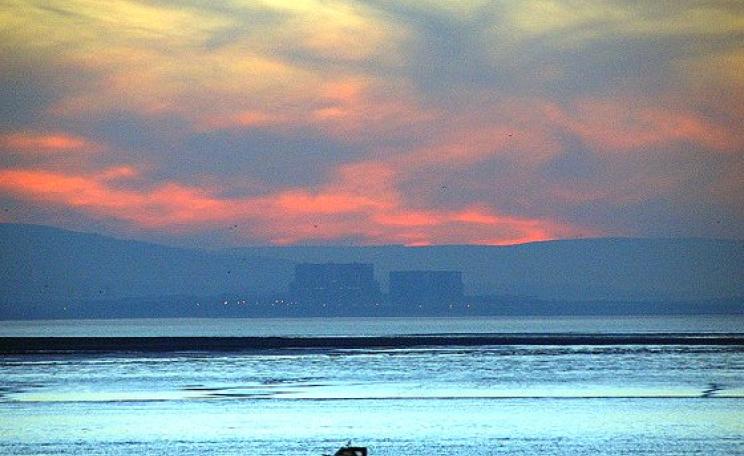
The Hinkley Point C nuclear power plant never made sense, writes Jonathon Porritt, but as legal challenges gather, finance fails to materialize, the cost of renewable energy keeps on falling, and the 'dead duck' EPR design is prepared for burial, even nuclear fanatics are turning against the doomed project.
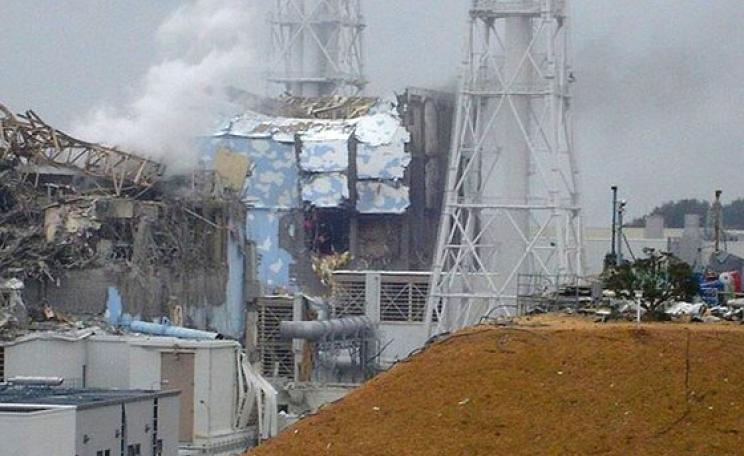
The Fukushima catastrophe four years ago today was no natural disaster, writes Arnie Gundersen. Operator TEPCO and nuclear regulators were well aware of the danger of tsunamis, but put money before safety. Nuclear power remains the only energy source that can destroy a country overnight - and it's time to ditch it!