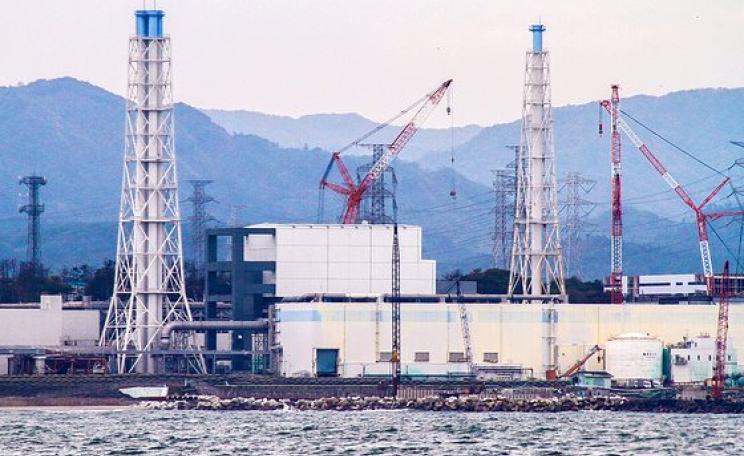
Four years ago today the world's biggest nuclear disaster since Chernobyl took place at Fukushima, Japan. Total clean-up costs are estimated around $0.5 trillion, writes Jim Green - but work to defuse the dangers has barely begun, the site is flooded with radioactive water making its way to the sea, and underpaid and illegally contracted workers are suffering a rising toll of death and injury.
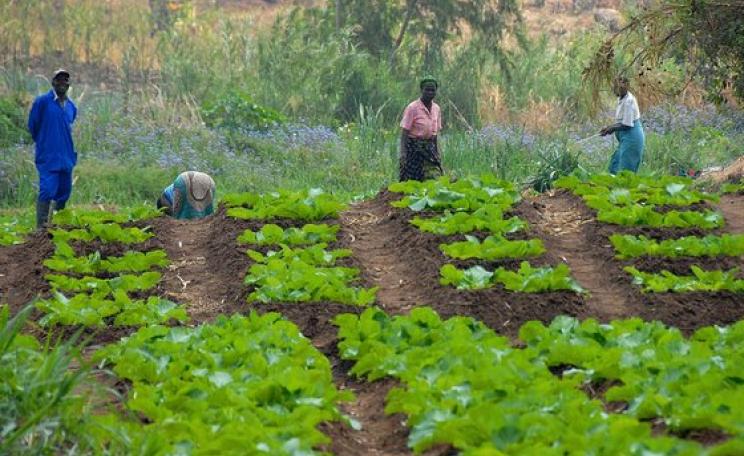
Corporate interests have skewed the entire development agenda for agriculture in Africa, writes Ian Fitzpatrick. Instead of investing in sustainable, small scale farming along agroecological principles that raise production and support rural communities, governments - including the UK's - are backing destructive industrial farming and land grabs.
Determined to flood 10,000 hectares of precious rainforest for a power station producing a meager 108MW of power, the Cambodian government has expelled a big 'fishbone in their throat' - eco-defender Alex Gonzalez-Davidson, who has galvanized local and nationwide protests against deforestation, land grabs and official corruption.
Naomi Klein famously called for a 'grand coalition' of the progressive left to fight climate change and Earth-destroying capitalism, writes Alexander Reid Ross. And now it's happening, drawing together diverse strands that encompass the fight for social and racial justice, the right to work, health, clean air and fresh water, and our freedom to be alive and thrive on this our one planet.
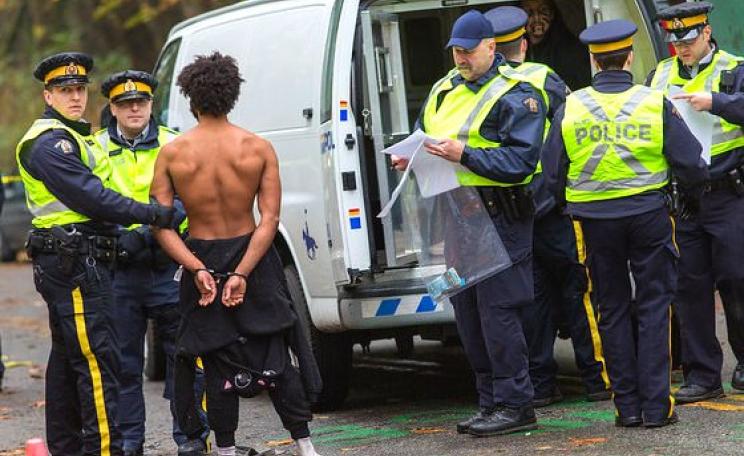
Canada's 'Anti-Terrorism Bill' proposes a massive increase in the power of security services, writes Pete Dolack - and in the crosshairs are campaigners against a tar sands industry that's intent on releasing 240 billion tonnes of CO2 into the atmosphere, and those fighting the pipelines needed to get the heavy crude to market. Who are the real 'extremists'?
Naomi Klein's magnum opus on climate change, capitalism and the growing resistance to extreme energy is positive, inspiring and full of hope, writes Jonathon Porritt. But it's also deeply challenging: the 'everything' that has to change is not just government and corporations, but you, me and the ideas that guide our lives.
Modern industrial capitalism is based on a simple premise, writes Derrick Jensen: our mother Earth is a great store of raw materials for us to pillage, and a vast trashcan for our endless volumes of waste, no matter how long-lived and deadly. How can this be changed? First we must regain our own sanity.
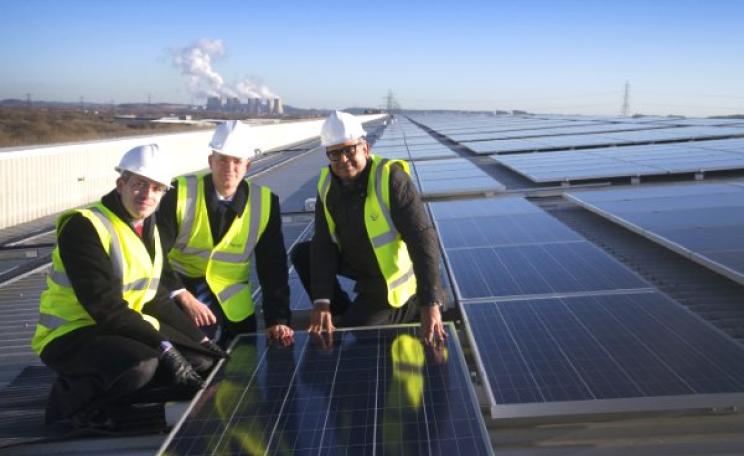
The UK will soon complete a record year for solar installations, almost doubling the nation's solar capacity. But drastic and overtly discriminatory changes to support for renewables may see solar installations collapse to 1% of current levels.
Last November Tanzania's President Kikwete tweeted his promise that the evictions of indigenous Maasai people and their villages near Serengeti National Park would stop. But now another round of evictions is under way: thousands of Maasai have been evicted at gunpoint and their homes burnt to ashes. The Maasai say: 'We need your help!'
Green leader Natalie Bennett may have been lost for words on LBC yesterday, writes Adam Ramsay - but at least she doesn't charge £25,000 for a speech or £10,000 to have dinner with you. Unlike Jack Straw, Malcolm Rifkind and other politicians so deeply mired in corporate influence that they can't even see what they have done wrong.
The rainforest habitat of chimpanzees and other great apes is being destroyed by the expansion of palm oil projects in central Africa, according to new evidence from Greenpeace.
Montana legislators have brushed off the attempts of farmers, ranchers and landowners to effect 'zoning' regulations to protect them, their land, their water and their livestock from the toxic impacts of fracking. Now they say: 'See you in Court!'.
The failure of the UK's privatized electricity oligopoly - expensive, uncompetitive and slow to adopt renewable technologies - is being repeated across the global south, writes Christine Haigh: over £100 million of UK 'aid' is supporting energy privatization in the very countries that can least afford it.
A small community in Uganda is challenging a UN-backed international oil palm venture that has expropriated small farmers and obliterated an entire forest on a Lake Victoria island to establish a vast plantation. Three years after the grab, Friends of the Earth groups are backing the islanders legal action, which is launched today.
Deep in the text of the TPP trade deal lurk little-known provisions to boost the profits of Big Pharma, writes Conor J. Lynch, by extending patent terms and suppressing 'generic' alternatives - as if the industry's 23% margin wasn't enough already. As for the millions that will suffer hardship, ill health or death from higher drug prices ... it's their fault for being poor.
Africa's biotech establishment is deploying its biggest guns to attack NGOs opposed to GMO crops to help push through Ghana's corporation-friendly Plant Breeders Bill - a key element in the corporate enclosure of Africa's farming, seeds and agricultural heritage.
The raft of 'free trade' agreements under negotiation represents a massive seizure of power by corporations, writes Joyce Nelson - effectively stripping democratic governments of their power to legislate for health, environment, labour or anything else that could reduce corporate profit. But the mainstream media are mysteriously silent.
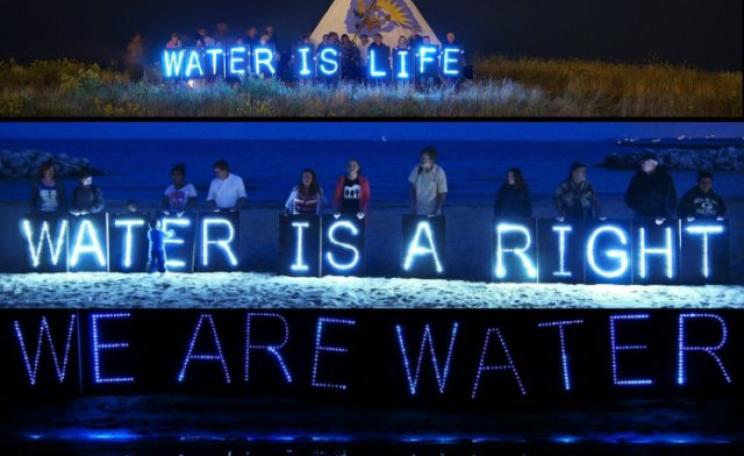
The US and other governments are pushing a failed model of water privatization, writes Victoria Collier - but water is a human right, not just a commodity to be traded for profit or monopolized by corporations, and citizens and communities worldwide are fighting back, from Detroit to Cochabamba, from Berlin to Malaysia, to reclaim their water commons.
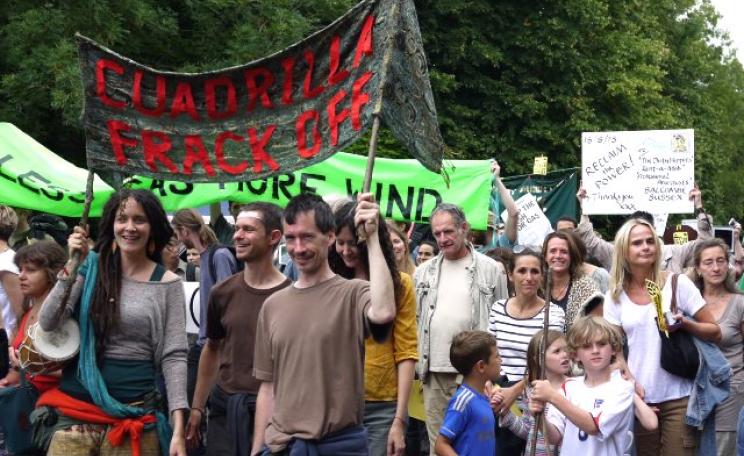
The UK fracking company Cuadrilla has collapsed in value as a result of falling oil and gas prices, popular protests and growing political opposition, writes Brendan Montague. Now investors are having to write off hundreds of millions they sunk into the industry.
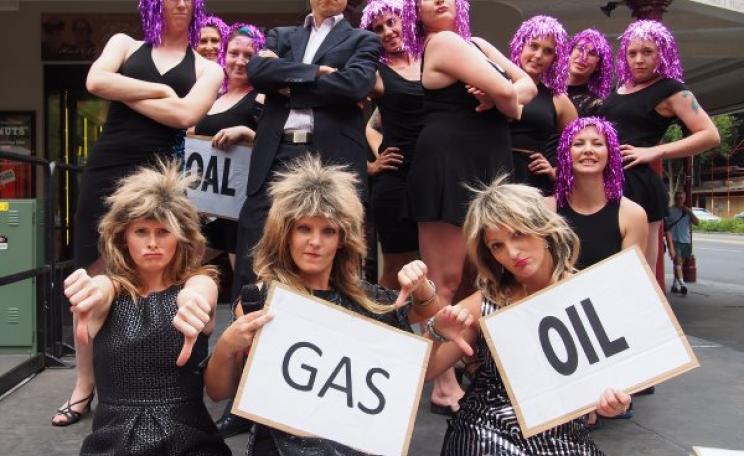
Increasing numbers of investors are waking up to the reality that the fossil fuel era is coming to an end, writes Yossi Cadan. But there's one sector that hasn't yet got the message: the fossil fuel industry itself is determined to keep on piling good money after bad. So join the worldwide divestment party this weekend and help ram the message home!
Across Africa, laws are being rewritten to open farming up to an agribusiness invasion - displacing the millions of small cultivators that now feed the continent, and replacing them with a new model of profit-oriented agriculture using patented seeds and varieties. The agencies effecting the transformation are legion - but they are all marching to a single drum.
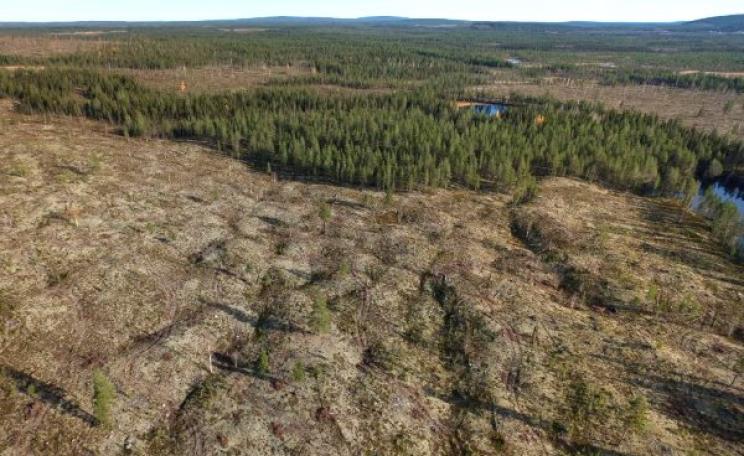
Sweden's biodiverse ancient forests will be largely wiped out within two decades, writes Alec Forss - and along with it will go thousands of species that depend on mature forest ecosystems. But with powerful logging companies riding roughshod over the law, regulators, politicians and certifiers, who is to stop the destruction before it's too late?
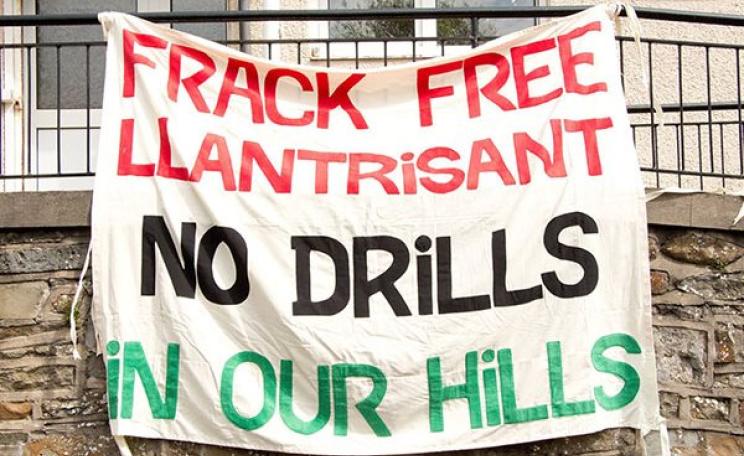
This week the Welsh Assembly voted for a moratorium on fracking. But IGas company bosses insist that the Welsh Government is powerless to stop them pushing ahead with test drilling plans - as all the key decisions are made in Whitehall.
'Conservation' is destroying those who've nurtured their surroundings for timeless generations, writes Stephen Corry - the Indigenous Peoples who have actually fashioned those precious places that we now mistake as 'natural'. It's time for a new conservation ethic that recognizes them as senior partners - not as 'squatters'' and 'poachers' to be evicted and criminalized.