Two decades ago the world's first GM foods went on sale, writes Pat Thomas. The consumer flirtation with GMOs soon died away, yet the biotech industry has grown into a global behemoth, driving agricultural intensification and sending agro-chemical sales through the roof. It's time for us to take a stand once again and insist: there are better, healthier ways of growing food.
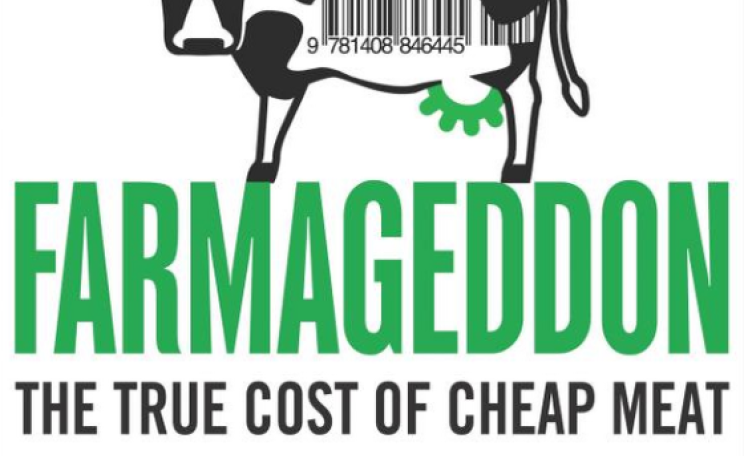
So just how serious is the impact of industrial farming? Worse than you could ever imagine, writes organic farmer Julian Rose in this review of 'Farmageddon - the Real Price of Cheap Food', which lifts the lid on the industry's human and ecological devastation, and the systematic cruelty inflicted on the animals that feed us.
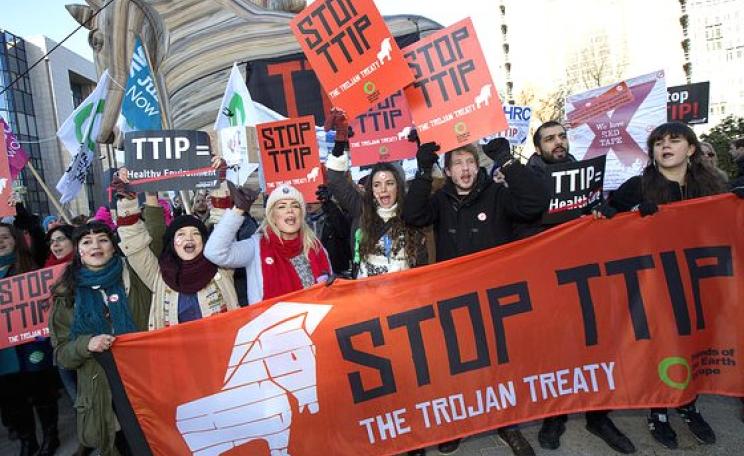
As 300 protestors gather at the European Commission to protest at the resumption of TTIP trade talks between the EU and the USA, Oliver Tickell finds that the EU's newly released draft 'chapter' on food safety and animal welfare is a disastrous capitulation to corporate interests that will strip governments of their powers to regulate.
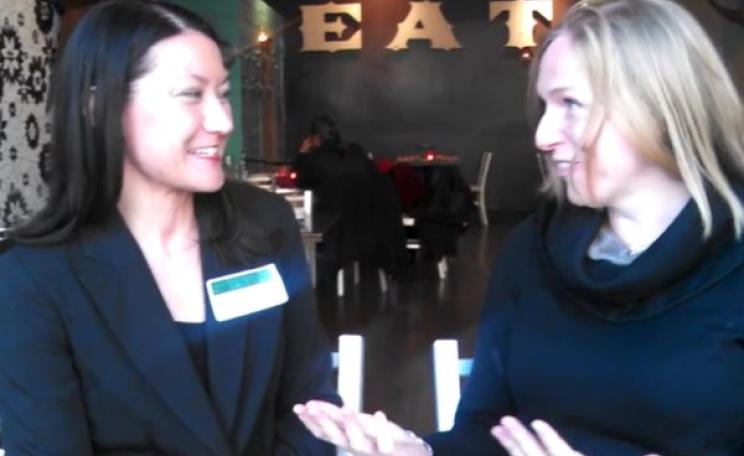
Moms Across America founder Zen Honeycutt took on Monsanto chief Hugh Grant at the company's Annual General Meeting - and won, winning 53% of the vote on a call for Monsanto to reform its practices and safeguard the health of millions of children exposed to its toxic products - and Roundup in particular. In her own words, this is what took place ...
Faced with climate change, economic doldrums and collapsing oil prices, the government has the perfect opportunity to put Britain on the right track, write Simon Bullock & Tony Bosworth - reduce our dependency on fossil fuels, and invest in renewables and efficiency. So what's it actually doing? The exact opposite.
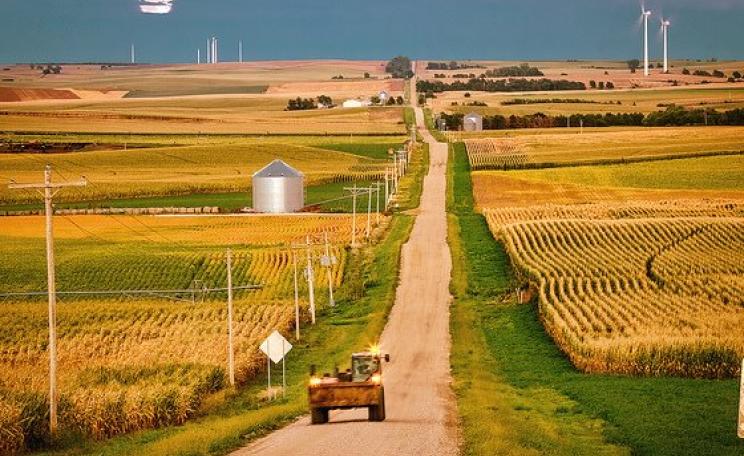
Republican Nebraska's energy is all publicly owned or cooperative, writes Thomas M. Hanna, and prices are among America's lowest, with great service standards and a strong commitment to renewables. Decentralised and locally accountable, this could be the model that replaces inefficient, unresponsive monopolies - both nationalised and corporate.
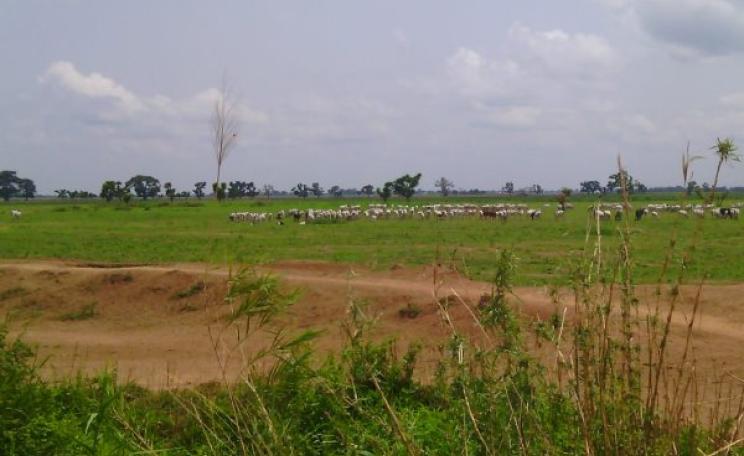
Development secretary Justine Greening is facing questions over UK involvement in a massive land-grab in Nigeria that is evicting local farmers from 300 square kilometres of fertile farmland to clear the way for a rice farm owned and controlled from the US and Canada. A 45,000-strong community faces landlessness and destitution.
The lesson of fracking in the US and Canada is a simple one, writes Naomi Klein. The fracking industry is vicious, brutal and will stop at nothing to get its way. British anti-frackers can celebrate yesterday's achievements - but the fight ahead will not be an easy one.
The European Commission has confirmed that it will drop its 'circular economy' package, writes James Crisp, in the face of protest by MEPs and environment ministers. The EC's insistence that a future version would be 'improved' - but in in unspecified ways - only raised suspicions of a deregulatory coup by Europe's dirtiest businesses.
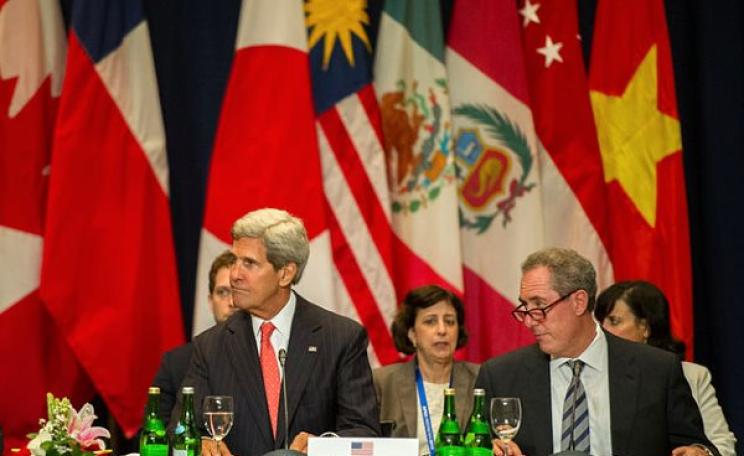
Even as the controversial TTIP 'trade' deal runs into sand, writes Glyn Moody, a spate of similar deals to empower corporations over national governments and democratic forces are being negotiated even more secretively - like CETA, TPP, TISA - and could become cemented into binding treaties before civil society even knows of their existence.
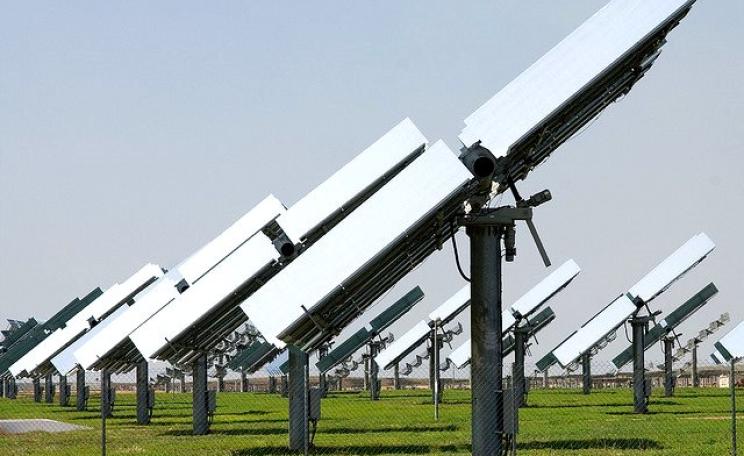
Launched at Davos this week, a WEF report on electricity generation predicts that solar power will cost twice as much in 2030, as the lowest cost sources today, writes Chris Goodall. It's sources? WEF isn't telling. But if 'facts' like these are driving the decisions of big energy CEOs, heaven help their companies in years to come.
The world's collective failure to tackle climate change comes down to one big problem, says Naomi Klein: the clash of climate necessities against corporate power and a triumphant neo-liberal world order. So after decades of government dithering, she told Oliver Tickell, it's time for civil society to unite and build a radical justice-based movement for climate action.
Last week the consortium holding a £22bn contract to clean up the Sellafield nuclear site was sacked, writes David Lowry. But this is just the end of a long and scandalous tale of corporate profit at taxpayers' expense, and the active collusion of ministers and senior officials in fighting off Parliamentary scrutiny.
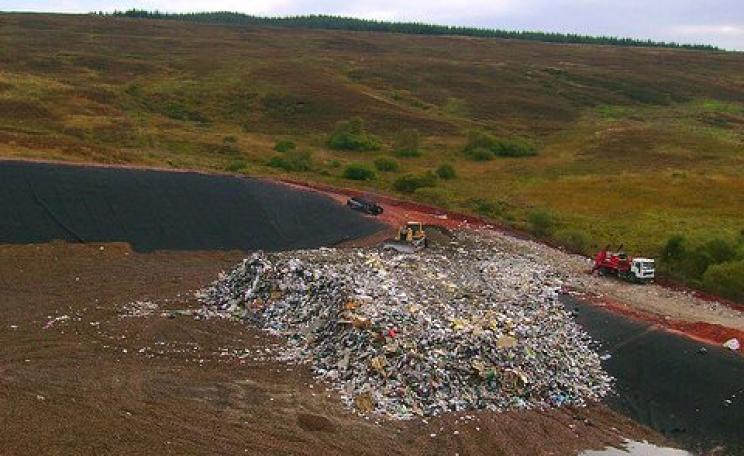
Nearly a year ago at the height of the UK floods, tragedy struck an ordinary family in Surrey as toxic gas from a nearby landfill site killed a 7-year old boy, Zane. Now the authorities appear determined to exculpate the source of the poison - an old landfill site - even as they prepare for a massive increase in hazardous waste from fracking.
The Information Tribunal has ordered Tate, the charity which runs two of London's biggest art galleries, to release details of financial support from the oil company BP, writes Richard Heasman - and they have until 27th January to comply.
With a million families struggling to stay warm this winter, energy bills will be a hot election issue, writes Doug Parr. But Government actions have repeatedly favoured the 'big six' energy incumbents at the expense of consumers, competition, low-cost renewables and energy efficiency, locking us into high bills for years to come.
A fierce dispute is raging over whether glyphosate, the world's biggest weedkiller, causes cancer, writes Arthur Neslen. The row has pitched EFSA, the EU's food regulator, against 96 of the world's top medical scientists - and comes shortly before the EU is to decide on renewing glyphosate's licence.
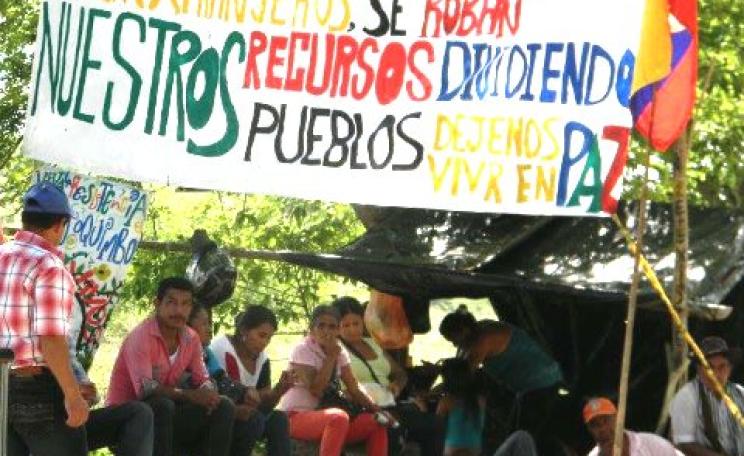
For the world's multinational corporations, the climate crisis is just another business opportunity, writes Philippa de Boissière. One example is Enel-Endesa's 'climate friendly' 217m high El Quimbo dam in Colombia - a huge exercise in expropriation at taxpayer expense, backed by police violence against strong local resistance.
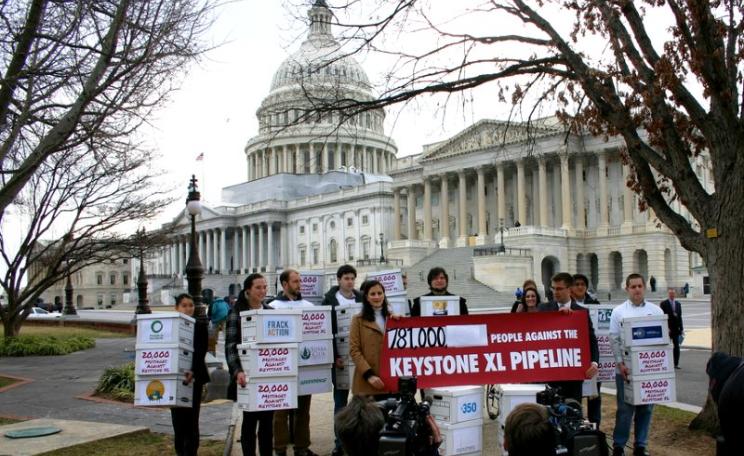
The US government is being sued for $15 billion for its cancellation of the Keystone XL tar sands pipeline last year in order to combat climate change. The legal challenge under NAFTA sends a warning to all countries contemplating similar 'free trade' agreements.
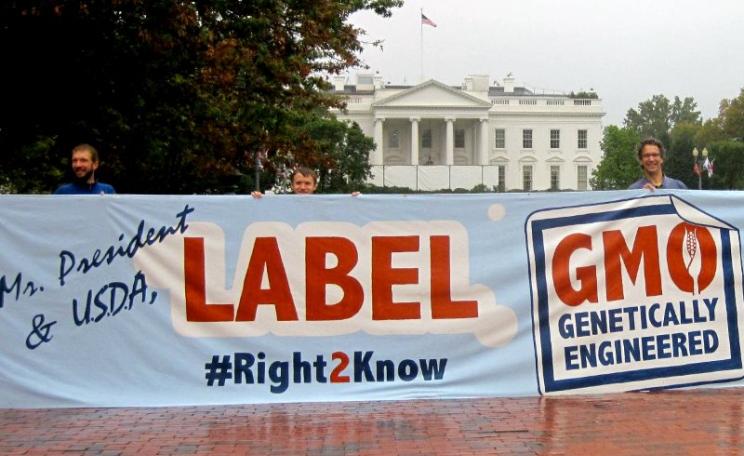
The citizens 'right to know' campaign about GMOs has put the food industry on the defensive, big time, writes Carey Gillam. But that only creates the impression they have something to hide. if GMOs are as great as they claim, they should be only too glad. It's time they switched sides and got with the people they feed.
The UK government celebrated Christmas by donning Santa suits and throwing a £1 billion subsidy down the fuming smoke stacks of the UK's biggest power companies, writes Alan Simpson - a massive payment at the expense of UK energy users, for doing what they should be doing anyway. Have a Brave New Year!
This day 20 years ago one of Britain's most committed and effective environmental campaigners died trying to save a coastal forest in southern Madagascar from mining, writes Yvonne Orengo. The world has been a poorer place without Andrew Lees - and his fears for the Petriky forest and local indigenous communities have been proved all too close to the mark.
A new wave of ruthless conquistadors has arrived in Peru, write Aldo Orellana Lopez and Philippa de Boissière - global corporations after minerals, oil, gas, timber, land ... And instead of brandishing the Bible and the sword, they proclaim high sounding policies on environment and human rights, while co-opting police and politicians in their pillage of resources.
Sarawak's lucrative logging industry has given rise to dynasties of enormous wealth and political power, writes Chris Lang, as revealed in this courageous investigation by Lukas Straumann. And the kingpin is multi-billionaire Abdul Taib Mahmud, Chief Minister of Sarawak for 33 years, whose whose property empire spans the globe.