The new Commission may have dropped environmental protection from its 2015 work plan - but it's pressing ahead with a new Directive to protect corporate secrecy, threatening consumers, journalists, whistleblowers, researchers and workers.
Privatised energy has failed us, writes Sam Lund-Harket. While energy company chiefs earn millions of pounds a year, one in ten English households live in fuel poverty. But there is another way. All over the world countries and communities are taking energy, water and other essential public services back under democratic control.
COP20 has just laid the foundations for a non-agreement in Paris in 2015, writes Assaad Razzouk - thanks to the pernicious influence of fossil fuels, poisoning debate and subverting serious climate action. Now there's only one earthly power big enough to fight back.
An anti-environment plot by Junckers' Commission would abandon agreed 'green' laws for clean air, waste reduction and recycling. But the leak of key documents to EurActiv has stimulated fierce opposition by Green MEPs and environment groups, while eleven EU countries have called on Junckers to hold to the green laws and speed up their implementation.
Peru, notorious for its brutal exploitation of forests, oil and minerals, theft of indigenous lands and murder of eco-defenders, is an unlikely host for the COP20 climate talks, writes Alexander Reid Ross. Except that Peru's actions reflect the corporate land-grabbing agenda manifest in the false solutions on offer in Lima this week. It's a time for resistance, not compromise!
It's the fossil fuel industry's latest stroke of genius - a coal substitute that's cheaper, dirtier and more toxic than coal itself, writes Ben Whitford. The waste product of refining heavy oil from Canada's tar sands, petcoke is stored in open mountains around Chicago's 'Slag Valley', sending plumes of sticky black dust over poor neighborhoods every time the wind blows.
The UK Government plans to lock consumers into a 2.5bn a year, 15-year spend to support peak-time fossil power generation - while undermining energy demand savings capable of achieving the same purpose more cleanly and cheaply. But today the 'unlawful' system has been hit by an ECJ lawsuit.
After an apparent cave-in to Europe's pesticide industry, the European Food Safety Authority's latest guidance on pesticides conflicts with European law, writes Georgina Downs - by ignoring the real-life agrochemical exposure of rural residents. Commission President Juncker must step in and demand the withdrawal of this disgraceful document.
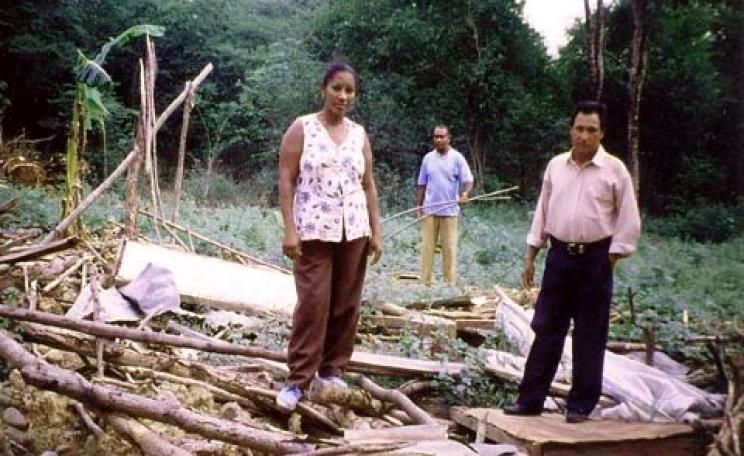
Las Casitas is a small community living on the edge of one of the world's largest coal mines, writes Richard Solly - one inhabited by the descendants of escaped slaves, located in the poorest region of Colombia. The village is under imminent threat of forced displacement by the brutal corporation that runs the Cerrejón coal mine.
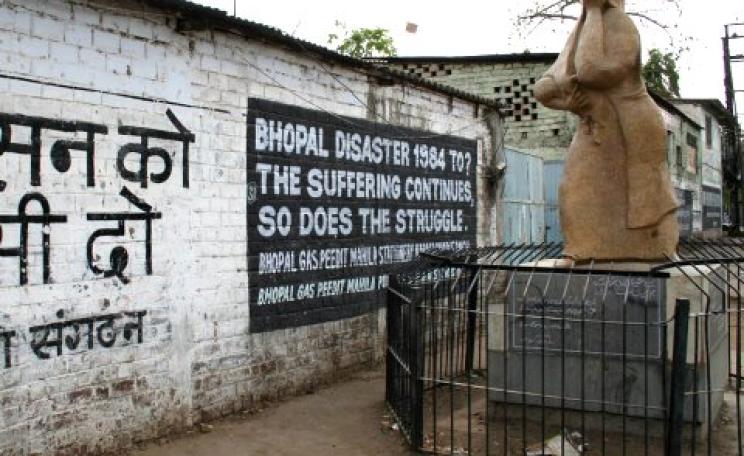
Thirty years ago today, Union Carbide's pesticide factory in Bhopal, India, released toxic gases that killed 3,787 people and injured over half a million, writes Vijay Prashad. The site is still contaminated, victims remain uncompensated, and the area suffers from a high rate of serious birth defects. Yet UC's CEO evaded justice, to die in a Florida nursing home this year at the age of 92.
Two huge open pit mines in northern Norway are on the verge of approval, writes Tina Andersen Vågenes - even though they would dump hundreds of millions of tonnes of tailings in fjords where wild salmon spawn. Scientists are voicing serious concerns, and protests are growing, but government and mining companies appear determined to push the projects forward regardless.
Last February's explosion at the WIPP dump for long-lived intermediate-level nuclear waste from the US's nuclear weapons program remains unexplained, writes Jim Green. But with the site's history of ignored warnings, 'missing' safety culture, lack of supervision and dubious contractor appointments, it surely came as no surprise - and further accidents appear inevitable.
The UK's community energy sector was badly hit by the financial regulator's sudden decision this summer to disallow renewable energy co-operatives, writes Tammy Calvert. A consultation on the topic ends tomorrow, Friday - so get your views in quickly while you can!
Oregon's 'Yes on 92' GMO labeling supporters are just 809 votes from winning, forcing a recount in which they are confident of prevailing - despite being hugely outspent by a corporate 'no' campaign that received nearly $5 million from Monsanto alone.
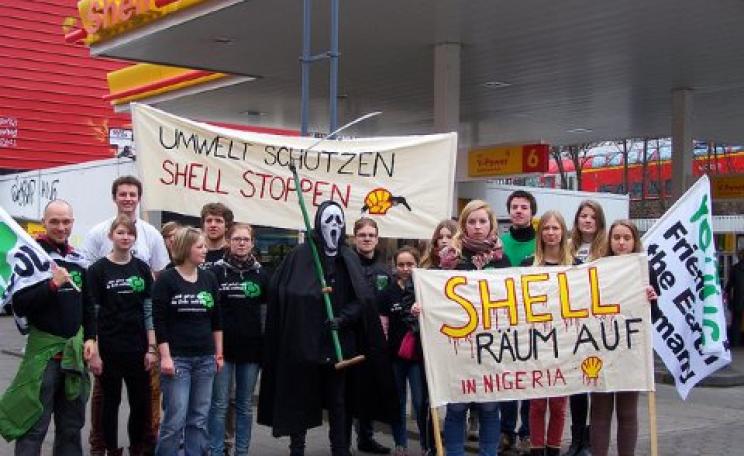
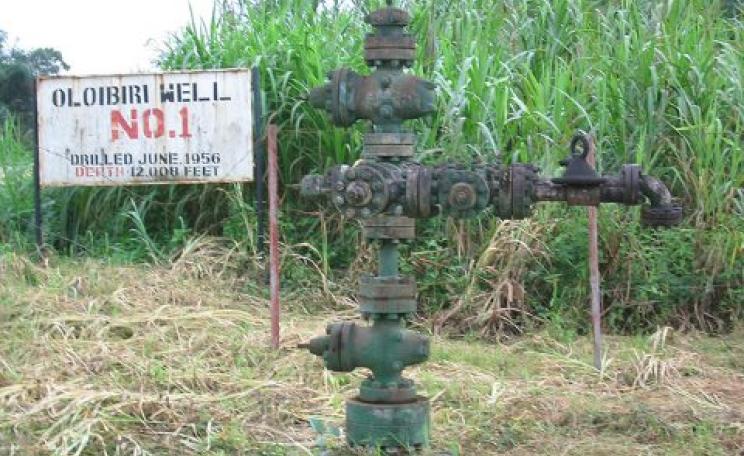
A London court has forced Shell to disclose documents about its pipelines and oils spills in Nigeria, writes Sarah Shoraka - and they reveal that the company has lied about the scale of oil spills in previous legal actions, and concealed the terminally poor condition of its pipelines.
All over the world, small farmers are being forced off their land to make way for corporate agriculture, writes GRAIN - and it's justified by the need to 'feed the world'. But it's the small farmers that are the most productive, and the more their land is grabbed, the more global hunger increases. We must give them their land back!
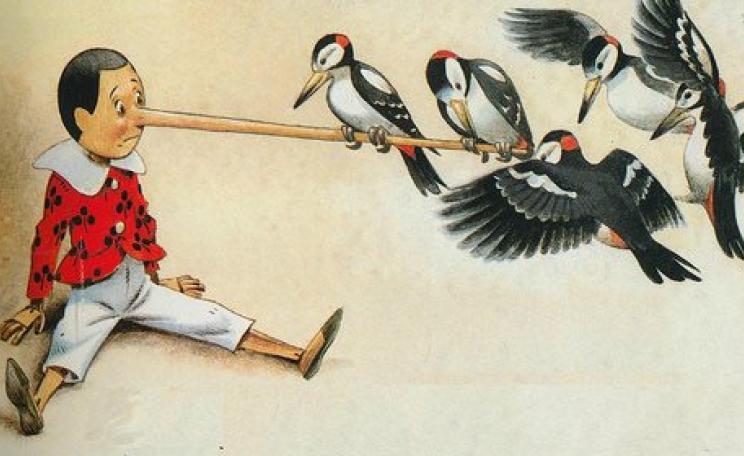
Who has the longest nose of them all? Worthy winners of France's fiercely contested 'Prix Pinocchio' 2014 were selected last night, recognising corporate greed, hypocrisy and malfeasance, based on a record vote since the awards began.
NGOs, scientists, anti-GM groups, celebrities, food manufacturers, and others representing 57 million Americans today publish an Open Letter to the UK and the entire EU warning of the serious and manifold hazards of GMO crops - and promising their support in our fight against them.
Far from creating a 'level playing field' for business, TTIP favours foreign corporations over domestic ones - while undermining governments' right to legislate for public health, safety and wellbeing. Australia got the message in 2011 after being sued for its anti-smoking policies - now Europe must catch up!
A voter initiative in Maui, Hawaii requires a suspension of GMO crops pending a safety review to be paid for by Monsanto and other corporations - although corporations spent almost $8 million trying to defeat the measure. Monsanto is now preparing a legal challenge.
This Tuesday voters in Oregon and Colorado will have the chance to strike a decisive blow for consumers' right to know by forcing the labeling of GMO ingredients. Big Food is spending big to mislead and confuse voters, writes Ronnie Cummins - but the outcome is looking too close to call.
Science is to corporate science as Hyperion to a satyr, writes Ralph Nader. And there is no better example of this than Monsanto's realm of GMOs, biocides, super-aggressive lawyers and tame regulators - brilliantly exposed in this new book of essays, edited by Sheldon Krimsky and Jeremy Gruber.
Small-scale fishing communities are key to any transition towards an ecologically and socially just food regime. But backed by the World Bank, powerful corporate interests are seizing their fish, seas and shores in the name of 'sustainability'. A revolution of the poor is needed to rebuild food sovereignty - and restore the oceans to the global commons.
A new book charges the world's biggest conservation group with forging links with global corporations that are using its name to 'greenwash' environmentally damaging activities, writes John Vidal - in the process becoming too close to industry, and over-dependent on corporate funding.