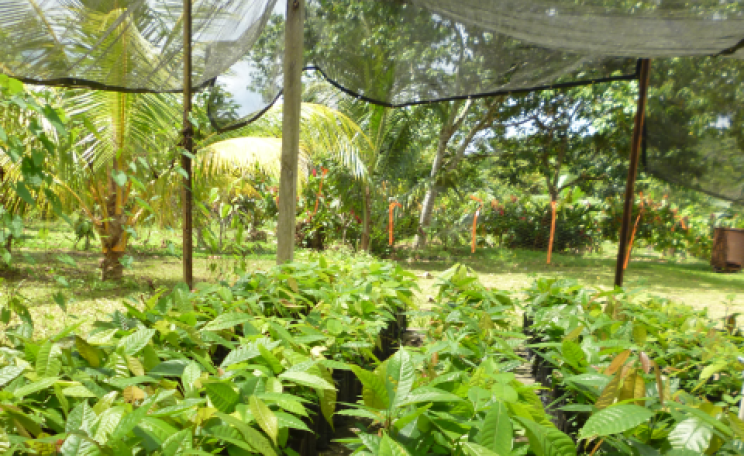
Monsanto, DuPont, Syngenta, Limagrain are among the companies to buy into Africa's indigenous seed companies. It's all part of the corporate takeover of the continent's agriculture at the expense of the small farmers who feed most of Africa's people.
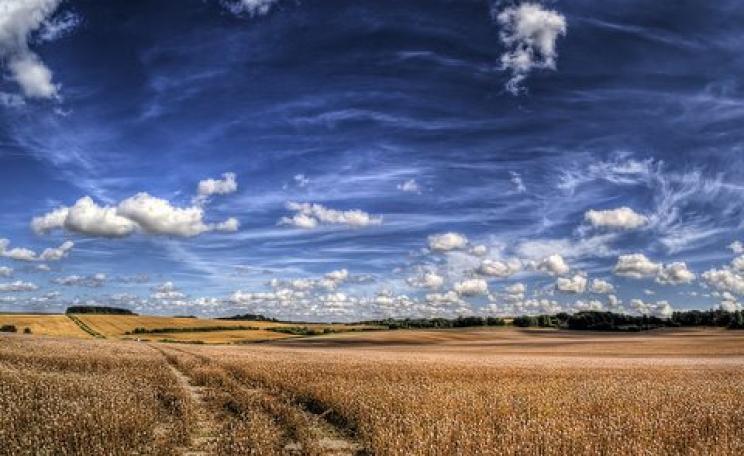
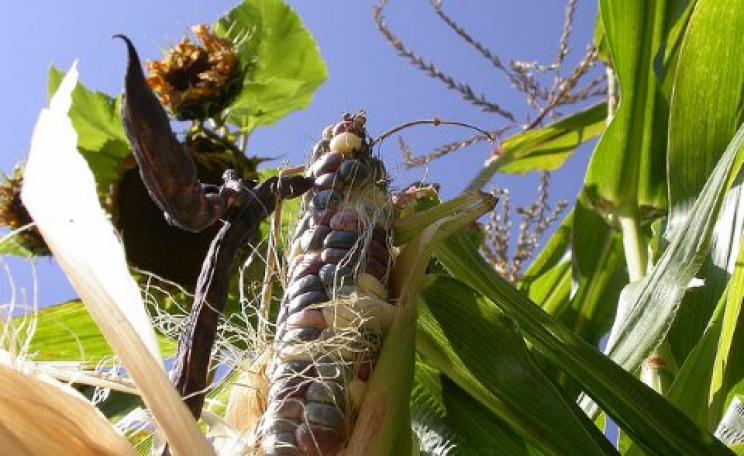
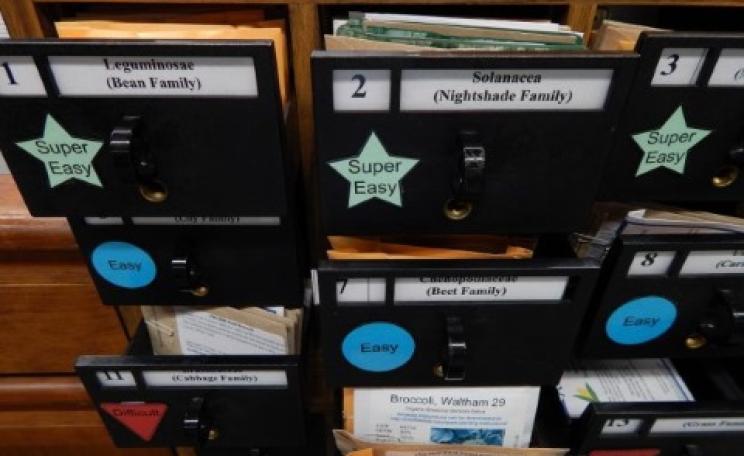
Seeds are essential to our food and our entire lives, writes Rowan Phillimore. So join in celebrating and sharing them at a series of events this month in London, Bristol, Devon, Oxford, Lancaster, Herts - and begin the fightback against corporate domination of seeds and oppressive government regulation.
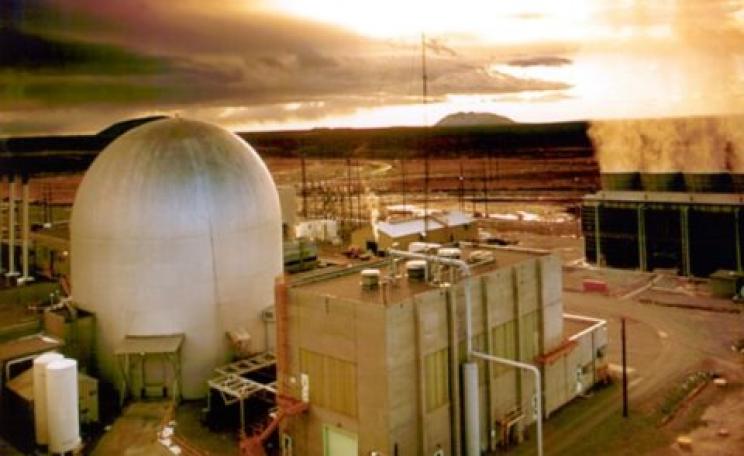
There's an Alice in Wonderland flavour to the nuclear power debate, writes Jim Green. Lobbyists are promoting all sorts of new reactor types - an implicit admission that existing reactors aren't up to the job. But the designs they are promoting have two severe problems. They don't exist. And they have no customers.
When Shell decided to quit its Arctic oil exploration it cited 'insufficient quantities' of oil and gas, writes Louise Rouse. But that was not the whole story: what tipped the balance was a combination of investor discontent, reputational damage and public opposition on an unprecedented scale.
The Global Alliance for Climate-Smart Agriculture made its high-profile launch at the New York Climate Summit. But for a huge coalition of civil society organizations, it's a 'greenwash' initiative designed to promote intensive profit-driven industrial agriculture at the expense of small farmers, environment, and the real solutions.
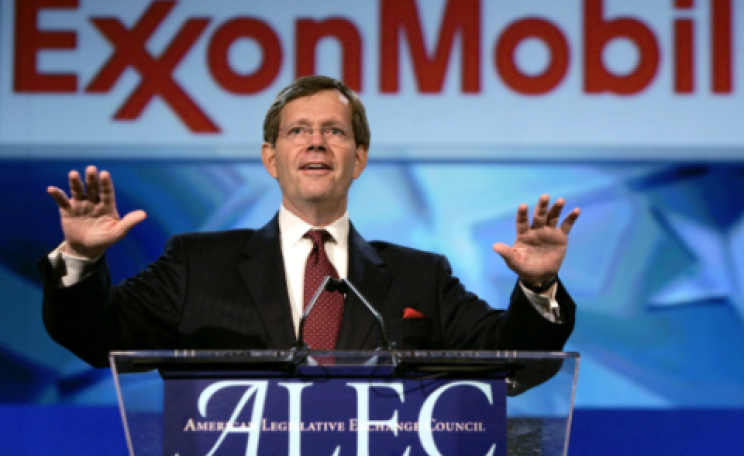
Google and Facebook have both recently quit ALEC, the corporate-funded climate change-denying US body that drafts right-wing laws for adoption by state legislatures. In a letter to Google, ALEC claims it does not deny climate change - an assertion strongly challenged by campaign group Forecast the Facts.
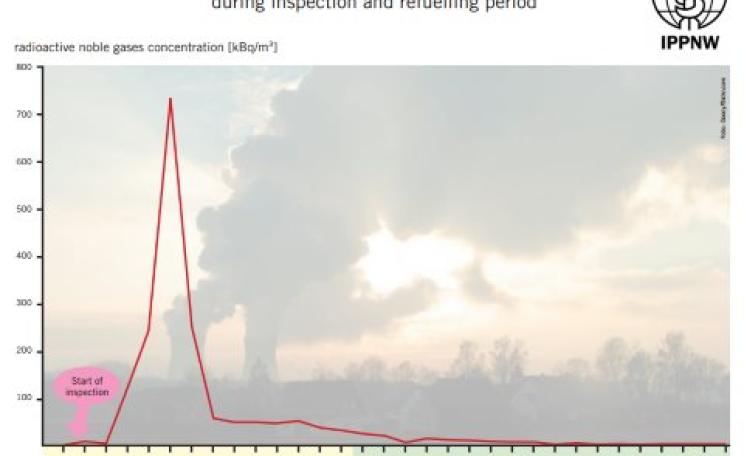
When nuclear reactors are refueled, a 12-hour spike in radioactive emissions exposes local people to levels of radioactivity up to 500 times greater than during normal operation, writes Ian Fairlie. The spikes may explain infant leukemia increases near nuclear plants - but operators provide no warnings and take no measures to reduce exposures.
Governments must shift subsidies and research funding from agro-industrial monoculture to small farmers using 'agroecological' methods, according to the UN's Special Rapporteur on the Right to Food. And as Nafeez Ahmed notes, her call coincides with a new agroecology initiative within the UN's Food and Agriculture Organisation.
Coca-Cola is the latest company to join the agricultural 'scramble for Africa', writes Miriam Ross. Backed by £600 million of British aid under the guise of 'food security' and 'nutrition', a vast give-away of Africa's land is under way that will condemn small farmers to landlessness and poverty.
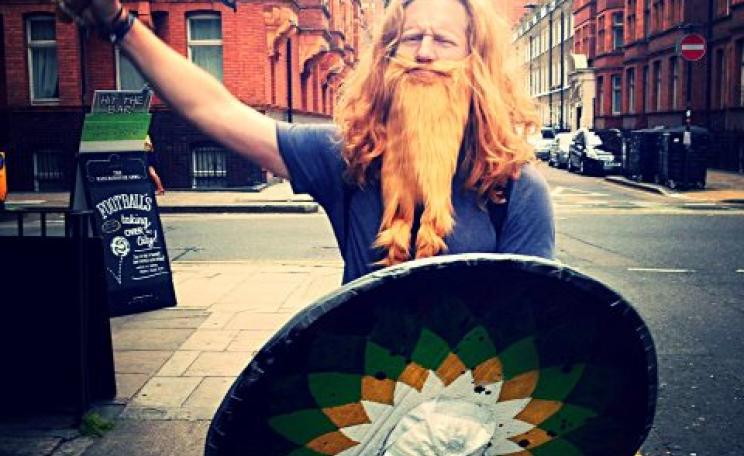
Amid ongoing creative protests over BP's sponsorship of the British Museum, Danny Chivers wants to know - why the harsh security tactics? Why the searches, exclusions and arrests, all for a paltry 1% or less of the Museum's funding? Is this their policy, or is it BP that's calling the shots?
At first it looked like a journalistic coup, writes Neil Crumpton - the BBC's 'scoop' that FOE was no longer opposed to nuclear power. Except that FOE remains firmly anti-nuclear as it has been for decades. The spotlight must now be turned on the BBC itself, and its little-known but shocking links to the nuclear industry
The widely used herbicide glyphosate has been judged 'safe', write Pete Farrer & Marianne Falck. But by the time it's used, it's in a 'formulation' with toxic surfactants, which escape EU regulation despite their known dangers. Germany alone has forbidden the use of the most dangerous surfactant - but is keeping its evidence secret.
Hidden from mainstream media exposure, the World Bank and IMF loan has opened up Ukraine to major corporate inroads, writes Joyce Nelson. Loan conditions are forcing the deeply indebted country to open up to GMO crops, and lift the ban on private sector land ownership. US corporations are jubilant at the 'goldmine' that awaits them.
Hunter Lovins is on a mission, writes Sophie Morlin-Yron: to put the transformational technologies we already have to work for the benefit of people and business - and to re-create the economy so it's no longer a machine for polluting the planet and devouring natural resources, but a mechanism for building and sustaining natural and human capital.
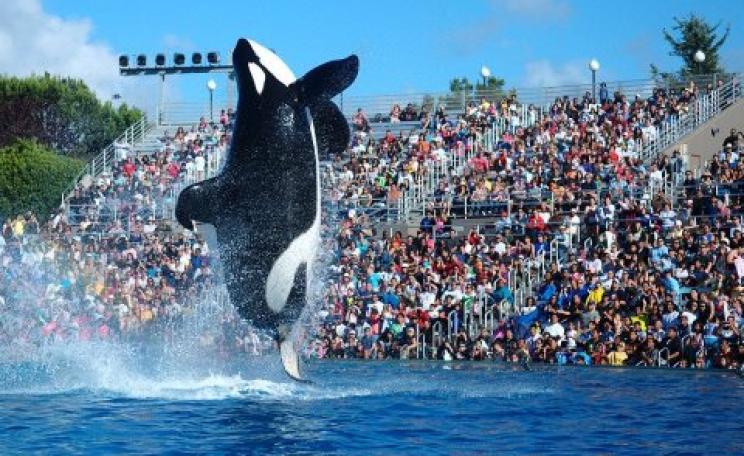
Seaworld San Diego is about to build the world's biggest tank for its captive orcas. Fifty foot deep and covering 1.5 acres, it's almost twice as big as current tanks and will represent an improvement in living conditions when complete in 2018. But for Sea Shepherd, that's missing the point. For these wild and majestic sea mammals, only the ocean will do.
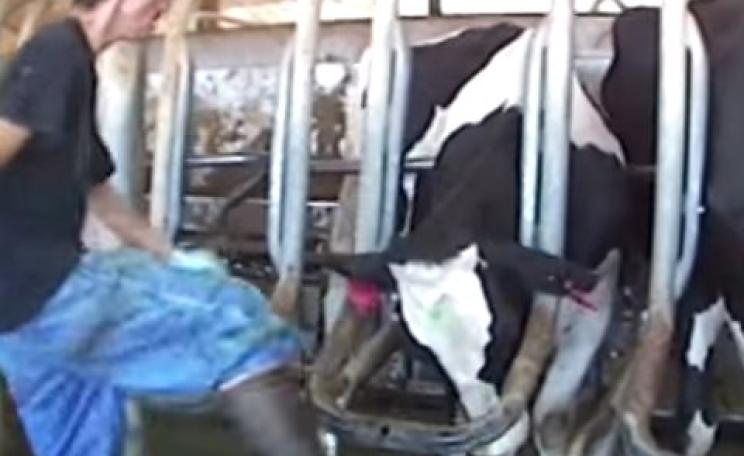
A legal challenge to a draconian Idaho law that outlaws free speech about animal abuses on factory farms has survived a 'motion to dismiss' in a federal court. The challenge, mounted by free speech, animal welfare, food and environment groups, claims the 'ag gag' law is unconstitutional.
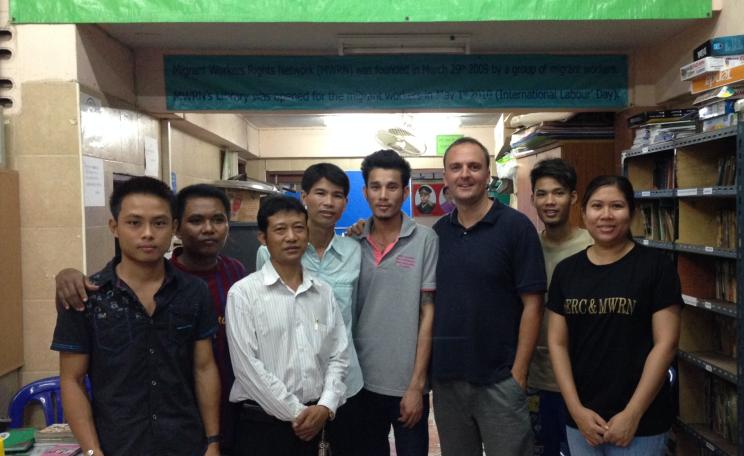
Thanks to Andy Hall's investigations of abuses of migrant workers in Thailand's fish and pineapple industries, a criminal trial begins today in Bangkok - his own. He faces eight years in prison and a $10 million fine for exposing their crimes in a devastating report that has inspired international action against the companies involved.
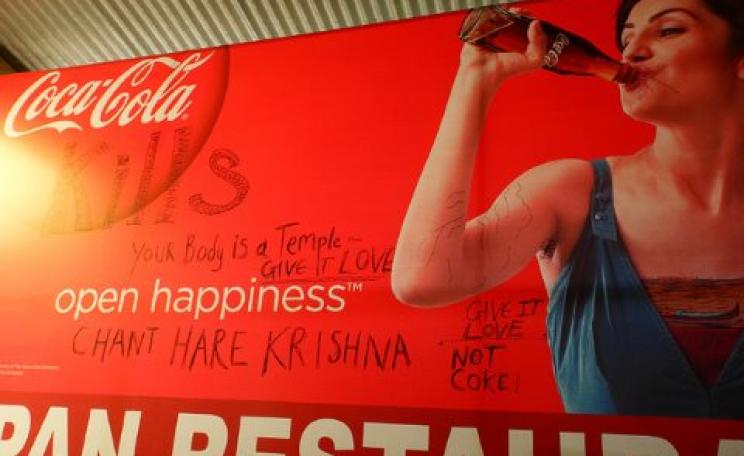
After a 15-year battle, local campaigners infuriated by pollution, over-pumping of groundwater and land-grabbing have finally forced the closure of Coca-Cola's $25 million factory near Varanasi.
First corporations gained legal personhood, writes Don Fitz. Next they seized the right to force 'free trade' on unwilling populations. Now they are making sure that 'corporate rights' trump citizen rights - like the right to wholesome food and a healthy environment. That's where the 'Right to Farm' constitutional amendments come in ...
It's a global phenomenon - we are consuming more calories, and more of those calories are the same, writes David Nally. Just ten crops produce 75% of our food, as factory-farmed meat, sugar, wheat, corn, soybeans and palm oil displace more nutritious and diverse diets. It's not good for us, or the planet - but it's great for corporate food monopolists!
Campaigning has never been so easy - sign an Avaaz petition here, send an email there ... and the world is soon put to rights, no? No, writes Paul Mobbs. We must examine the impacts and implications of our e-life, from climate change to corporate dominance, and take control of the technologies we increasingly depend on.
An invisible cloud of man-made chemical toxins is sweeping the globe, writes Tony McMichael - disrupting ecosystems, damaging human health and shortening our lives. Our response so far has been utterly inadequate, as Julian Cribb reveals in his new book. But there are solutions - and it's up to us to get them implemented.
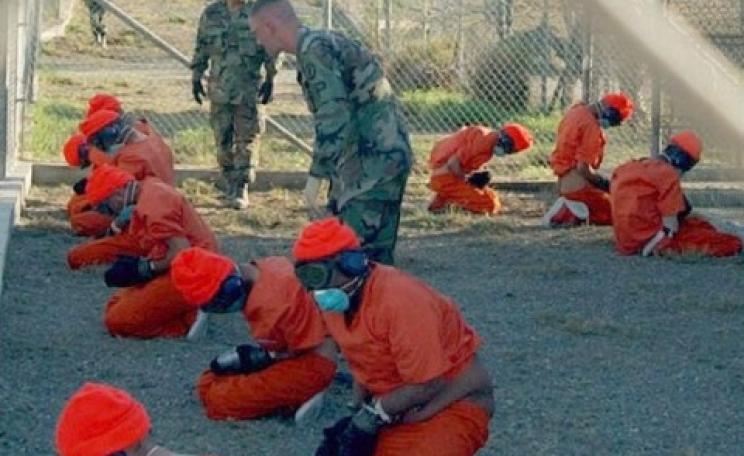
G4S, the UK government outsourcer that supports Israeli security functions in the West Bank, will now supply 'custodial services' to Guantánamo Bay Naval Base, writes Clare Sambrook. Shocked? You shouldn't be. G4S is impervious to public criticism and defies international law with impunity.
A Pennsylvania seed library stands accused of 'agri-terrorism' over alleged breaches of the Seed Act 2004, reports a bemused Kevin Carson. Have USDA and state agriculture departments become the enforcement branch of the agribusiness crime syndicate?