Corporations can be incredibly innovative, writes Paul Levy. But it's not always in good ways. Think of VW's clever device for fooling emissions tests, social media software that's way too intrusive for its own good, or sugary drinks marketed as 'healthy' when they're no such thing. Sadly, there's a lot of it about!
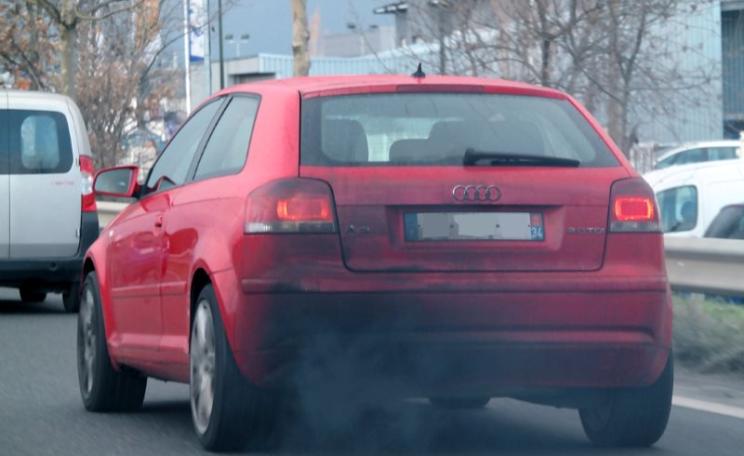
It was a remarkable spectacle, writes Damian Kahya: MPs trying to get straight answers out of VW's top man in the UK over the 'dieselgate' scandal. Of course our cars gave false test results. But who would ever believe those stupid tests anyway? How many people died from all the extra pollution? None! There was no pollution!
The UK government is punishing renewable energy for its success in generating 25% of the country's electricity, writes Stuart Parkinson. But there's no austerity when it comes to the bloated military-nuclear industrial sector, no matter how egregious its failures or extreme its cost overruns. Our future prosperity is being sacrificed - and its costing taxpayers billions.
Declining tuna stocks are not the only consequence of an out-of-control tuna industry, writes Cat Dorey. A major tuna fishing method used in tropical seas is causing serious damage to coral reefs and attracting a huge 'bycatch' of sharks and other species. Now responsible producers and retailers are taking matters into their own hands - and you can help!
Industrial agriculture and industrial food processing have combined to produce something extraordinary, writes Julian Rose: 'KRISS the unrecognisable croissant'. Just don't make the mistake of confusing it with food. Devoid of nutrition, laced with hydrogenated oil and a long list of artificial ingredients, if you care about your own health and that of our planet - give KRISS a miss!
The UK's official agency for car pollution testing has taken £80 million from the auto industry in ten years, a Greenpeace investigation reveals, while its senior staff and engineers have a 'revolving door' relationship with car makers.
With all the EU's GMO exemptions filed, a clear majority - by number, population and area of farmland - have chosen to be GMO-free, writes Mary Dobbs. But the rules surrounding their opt-outs are complex in the extreme and many countries will find it hard to maintain their GMO-free status - specially if the Commission and the biotech corporations like Monsanto and Syngenta choose to exercise their powers.
Peru is in hot competition with Brazil to be the main focus of Amazonian deforestation, writes Clément Doleac. A neoliberal government desperate to hand over the country's forests, oil, gas, minerals and indigenous lands for corporate exploitation is unafraid to break national laws, turn a blind eye to air and water pollution, and respond to any challenges with overwhelming violence.
Fifteen EU states have now joined the GM-free movement as the 3rd October deadline for registration nears, along with four regions. They collectively account for 65% of the EU's arable cropland, and 65% of its population, and Greenpeace expects more to sign up.
Britain has a huge role in effecting the global energy transition to renewables, new shadow energy secretary Lisa Nandy told the Labour Party Conference. But that will mean a complete reversal of Tory policies to attack wind and solar, lock us into polluting fossil fuels and overpriced nuclear power, and maintain 'big six' profits at consumers' expense.
For the women farmers of Tamil Nadu life has long been a struggle, Sheelu Francis told Tristan Quinn-Thibodeau, all the more so following the advent of 'Green Revolution' industrial agriculture. So now women's collectives are organising to restore traditional foods and farming methods, resulting in lower costs, higher yields, improved nutrition, and a rekindling of native Tamil culture.
VW's pollution cheating has caused thousands of premature deaths, write Mike Berners-Lee & Chris Goodall, creating costs that could destroy the company's entire shareholder equity. But this is no 'Black Swan' event. It is an early example of the existential threat to the fossil fuel economy.
Shell's US president says the oil giant's unpopular drilling operations in Alaska's Chukchi Sea will stop for the 'foreseeable future' as exploratory drilling finds little oil and gas to justify its $7 billion investment.
The Sustainable Development Goals are a wish list that few could disagree with, writes Nick Dearden. But the delivery plan is to rely on 'free' markets, corporations and technocratic government - although these 'solutions' are at the root of the problems the SDGs aim to solve.
With all diesel cars failing EU clean air standards in real world driving, and the worst 22 times over the limit, there's only one real solution, write Steffen Böhm & Ian Colbeck: adopt sustainable transport strategies to keep cars off our streets and break our dependence on them.
As ever more companies and governments pledge to 'go green' and protect forests, the world's tribal peoples should be among the main beneficiaries, writes Amy Dickens. Yet the reverse is the case. All too often the promises are purest greenwash, used to conceal the human and environmental tragedy of land-grabbing for plantations, mines, logging and even 'conservation'.
Forty years ago Monsanto carried out detailed studies of glyphosate and Roundup toxicity, write Richard Gale & Gary Null. But they have remained buried in filing cabinets ever since. Now a determined scientist has breached the wall of secrecy - and all the evidence is that Monsanto knew just how toxic its products were all along, while claiming they were 'safe as lemonade'.
The EU Court has made a landmark judgement we should all be glad of, writes Tess Crean, firming up our right to know when products contain chemicals known to be seriously damaging to health. Now we must make sure that reluctant regulators step up to the mark.
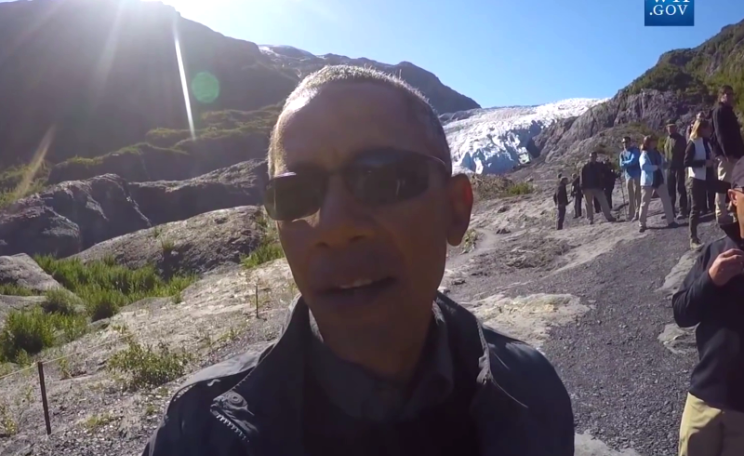
President Obama's whistlestop Alaskan tour highlighted his unique ability to believe in two completely contradictory ideas at once, writes Timothy Clark. On the one hand, the importance of climate change and the urgency of preventing dangerous warming. On the other, the importance of the Arctic's fossil energy and the urgent need to exploit it as rapidly and completely as possible.
The NYT's expose of Kevin Folta's PR role as a pro-GMO shill in the employ of Monsanto barely scratched the surface of a huge web of corporate money, influence and intrigue that permeates the US's premier universities and scientific institutions, writes Jonathan Latham - from Harvard and Cornell to the AAAS. Why the reticence to name all the names?
The 'Kevin Folta affair' has cast the hard light of day into the dubious PR tactics of the GMO industry, writes Claire Robinson - recruiting and paying scientists as secret shills to promulgate a pro-GM message without revealing their funding sources.
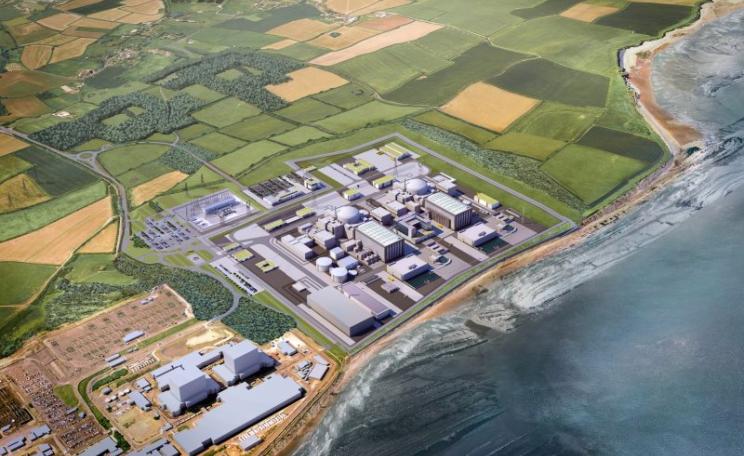
EDF has indefinitely postponed its Hinkley C nuclear plant in Somerset, England, as a new IEA analysis shows that its power will cost UK energy users three times more than it should, writes Oliver Tickell. A similar reactor in France is running six years late and three times over budget - and may never be completed.
It's tough being a filmmaker on the front line of environmental defense, writes David Lavallee - challenging corporate control of the Earth's resources, not to mention governments and security services, all of them intent on extracting every last drop of oil and gas from the world's most pristine places. All the more so when holding a camera makes you an instant 'eco-terrorist'.
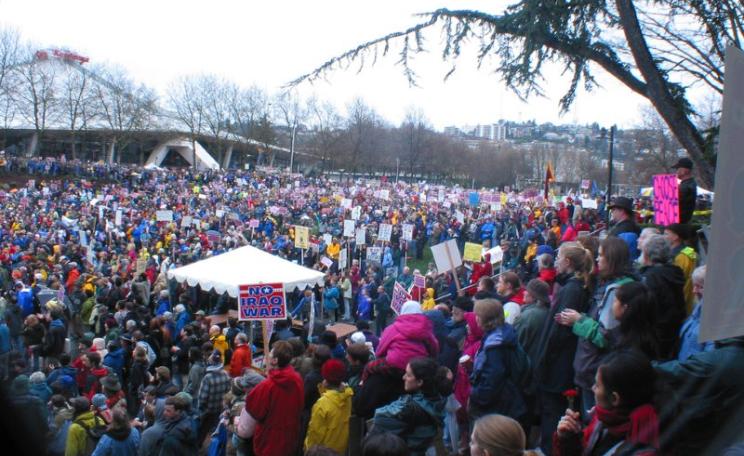
Supporters of the Iraq War dominate the UK's public institutions, despite its dismal failure. Why? Because it's the touchstone for adherence to the neo-liberal consensus and all its dogmas, writes Craig Murray, from TTIP to austerity and the corporate takeover of public services. But now, with the rise of Corbyn and the SNP, the deep state is finally facing a real challenge.