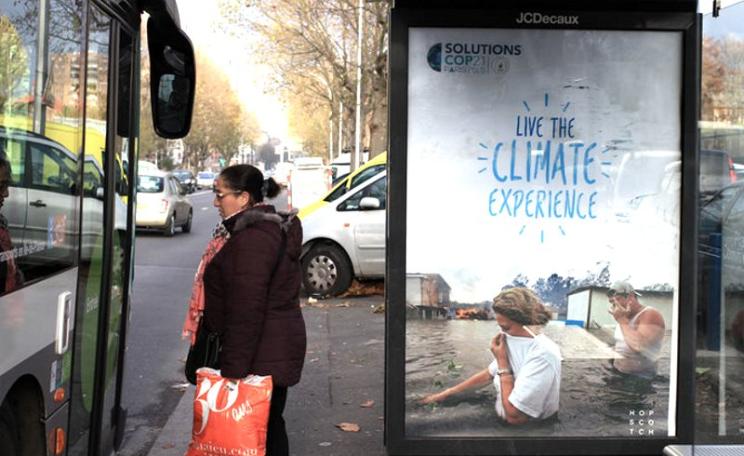
Civil society may have been kept out of the COP21 conference centre, even forbidden to march on the streets, writes Thomas Dekeyser. But climate activists have found an new means of expression: the 'Brandalism' of 600 advertisements in bus shelters across Paris, replacing corporate brand-building with subversive messages on climate and consumerism.
Monsanto was accused of 'crimes against humanity and the environment' at COP21 in Paris this week, writes Pavlos Georgiadis. And now the evidence against it is being gathered for presentation at a 'Monsanto Tribunal' taking place next October in The Hague.
The health of Europe's citizens is on trial as the EU's food safety regulator challenges the World Health Organisation over glyphosate and cancer, writes Corporate Europe Observatory. On the WHO side, published, peer reviewed science, real world epidemiology and open processes. While the EFSA conclusion is based on secret industry studies and opaque procedures. Will science or realpolitik win the day?
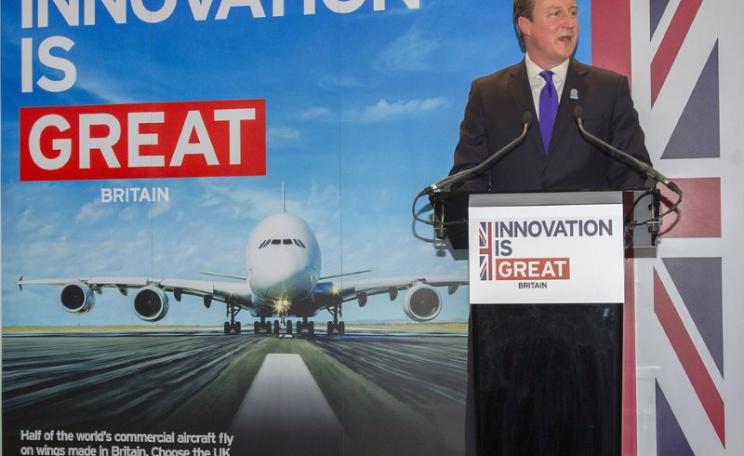
As protestors gather to oppose yet another illegal war in the Middle East, Colin Todhunter asks why David Cameron is so keen to bomb. Of course there's access to oil and routes for gas pipelines, but beyond that, it's about re-entrenching militarism into our national culture, and re-asserting the dominance of capital over people.
The US Environmental Protection Agency has just withdrawn its authorization for a toxic mix of two herbicides, glyphosate and 2,4-D, to be used on GM crops. The move came in response to a lawsuit claiming the initial registration was unlawful.
As negotiators from around the world gather in Paris for what's hoped to be a groundbreaking climate summit, many will be surprised to discover that COP21 is funded by some of the world's biggest coal burners, writes Pavlos Georgiadis, and a leading financier of coal and tar sands development. Shouldn't we just ... kick them out?
‘Climate Smart Agriculture' can be applied to anything from industrial monocultures to agroecology, writes Helena Paul - and fertiliser, biotech and agribusiness corporations are seizing the chance to cash in. Now COP21 host France is proposing to use soils as a giant carbon sink - a fine idea in itself, but not if it's used to 'offset' continued fossil fuel emissions, and to greenwash industrial agriculture.
'No deforestation' pledges by global food corporations are yielding results, writes William Laurance. But now the Indonesian and Malaysian governments are calling on them to abandon their promises - even as the region's rainforests go up in smoke, cleared for new oil palm plantations. The companies must hold firm to their commitments.
A new investigation of palm oil plantations, companies and auditors has found that the Roundtable on Sustainable Palm Oil is failing to deliver on its promise, writes Chris Lang. Widespread fraud, collusion between auditors and companies, conflicts of interest, and a flawed complaints system mean that RSPO-certified palm oil may be destructively and illegally produced.
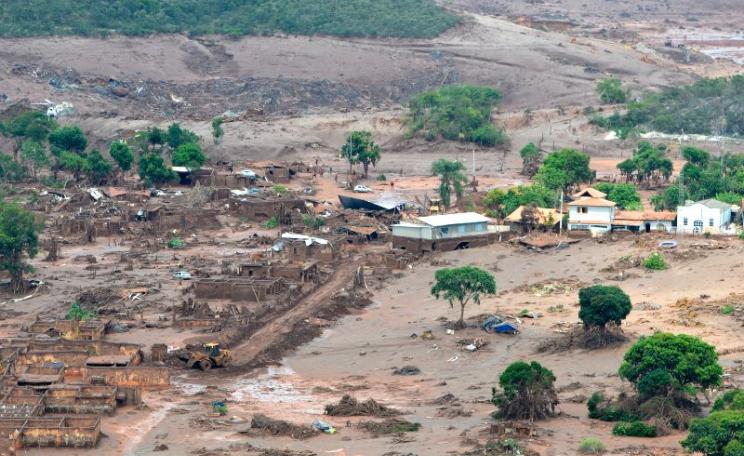
Brazil has suffered its biggest ever industrial disaster, write Ana Luisa Naghettini & Geraldo Lopes. Breached and overflowing dams have released a massive slug of toxic muds and tailings from iron mining into the country's fifth largest river system that provides drinking water for downstream cities, destroying ecosystems in rivers and vast areas of biologically fragile ocean.
Europe's top food safety regulator has ruled that the world's top selling herbicide, glyphosate, does not cause cancer - in defiance of the WHO and overwhelming scientific evidence. The decision opens the way for a 10-year EU re-approval next year, before its Chemicals Agency has released its own findings.
As Aung San Suu Kyi's National League for Democracy takes a strong lead in Burma's elections, Nafeez Ahmed warns that the military will remain the real power in the land. And as UK, EU, US, Chinese and Gulf state energy corporations compete to exploit Burma's hydrocarbons, don't expect them to denounce the ongoing genocide of the Rohingya, and anyone else in the way of their oil and gas infrastructure.
The rise of corporate eco-activism makes a refreshing change from the usual 'campaigners versus corporation' dynamic, write Steffen Böhm & Annika Skoglund. And for companies that embark on this path - like Lush, Ecotricity and Interface - it can work out well for them and the environment. But heed the disastrous consequences for those, like BP, who said one thing, and did another.
Greece is Europe's sandbox for the neoliberal free-for-all to follow if the EU and the US sign off on the TTIP trade and investment treaty, writes Pavlos Georgiadis. The termination of public services, the cut-price sell-off of public assets, the dismantling of environmental protection, the democratic closedown, the rule of corporations and finance capital ... all coming your way soon.
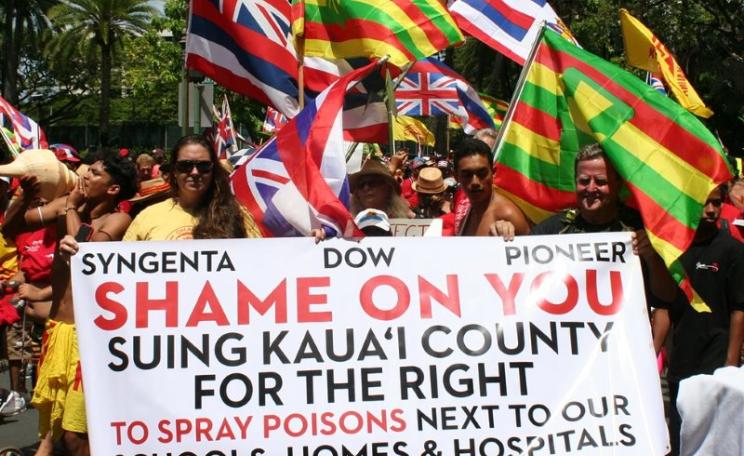
Hawaii has got everything, writes Christopher Pala, and not just for holidaymakers. It's also the perfect place for biotech companies to develop GMO corn varieties and spray them with toxic agrochemicals. People are getting sprayed too - and doctors report high rates of birth defects. But grassroots efforts to restrict the use of pesticides have twice been over-ruled by state courts.
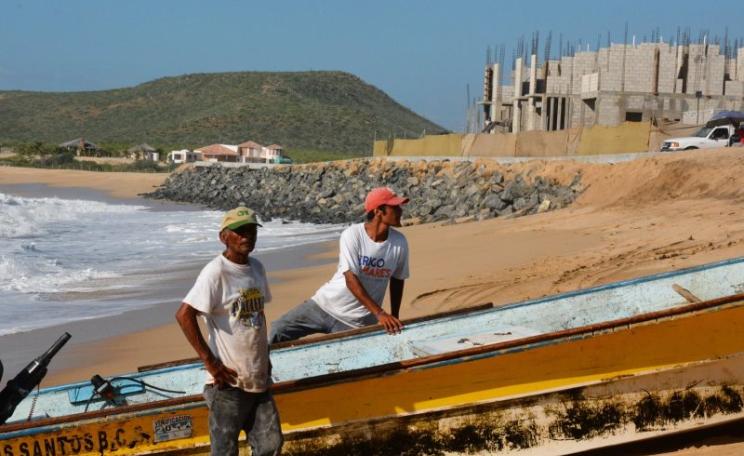
Resistance is growing in Todos Santos, Baja California, to a tourism and University campus mega-development of 4,500 homes that claims to be 'free range and locally sourced', writes Viviane Mahieux. It has already grossly disfigured one of Mexico most gorgeous beaches, while locals fear it will drain their aquifers and obliterate a harmonious community.
There's been a big fuss about the 'ISDS' clauses in the TTIP trade deal that would allow US corporations to sue the EU and its member states for 'lost profits', writes Maude Barlow. But ISDS is already in CETA, the already negotiated EU-Canada trade deal - and nothing would be easier than for US companies to use it as their 'back door'. We must make sure CETA is rejected at its final hurdle.
It was all going so well for Chevron - a New York court had ruled that a $9.5 billion judgment against it set by Ecuador's supreme court for massive pollution deep in the Amazon was corrupt and fraudulent. But then its star witness broke ranks and admitted, in another court, that he had lied, and the only bribes were coming from Chevron. Will Ecuador's pollution victims finally get justice?
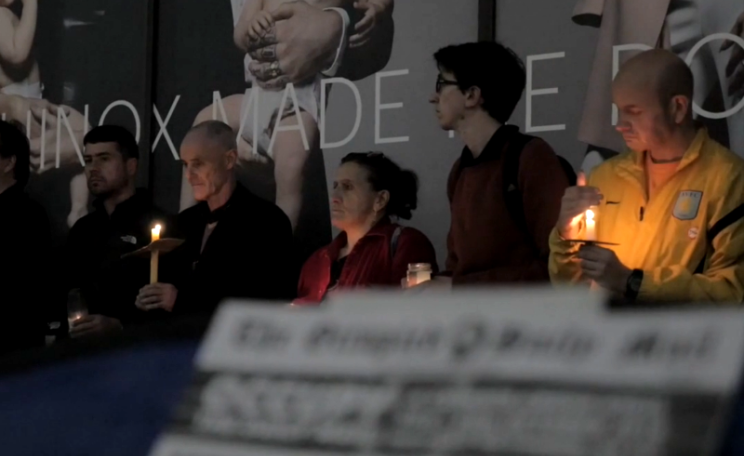
Climate protestors claimed a big win after a successful 48-hour vigil outside the Daily Mail's London offices with Green Party Leader Natalie Bennett that won wide support from the Mail's own journalists. More events will follow in the run up to COP21.
Buried in the minutes of an obscure new quango is evidence of vast corporate capture of the UK government, writes Christine Berry. The order of the day is to strip away business regulation without regard to the public costs - so long as companies save money.
Eight Greenpeace expeditions to far-flung corners of the Earth all found ubiquitous traces of PFCs, writes Gabriele Salari. These toxic, long-lived chemicals are widely used on outdoor garments to make them proof to the fiercest of storms - even though there are safe alternatives and most people don't need them anyway. If you're buying outdoor gear, be sure to choose PFC-free!
Last week BP's Peter Mather - who claims to have 'green and yellow oil' flowing in his veins - took to the airwaves on Radio 4's The Bottom Line'. Evan Davies asked some tough questions, writes Chris Garrard - but failed to mention the shocking case of Colombian trades unionist Gilberto Torres, kidnapped and tortured for 42 days by paramilitaries employed by BP's joint venture partner.
Austrian timber company Schweighofer is linked to large-scale illegal logging which accounts for half of Romania's timber production. An EIA investigation finds that almost all the illegal timber ends up in the company's mills.
Climate Smart Agriculture sounds like a great idea, write hundreds of civil society organisations worldwide. But in truth it's a PR front for international agribusiness to promote corporate agriculture, pesticides and fertilisers at COP21, with a heavy dose of greenwash. Countries must resist the siren calls - and give their support to true agroecology that sustains soil, health, life and climate.