Germany's association of judges and magistrates has condemned the EU's plan to create a special court for investors and corporations to sue national governments, writes Nick Dearden. The proposed new court would: have no legal basis; supplant the sovereignty of member states; and usurp the role of national courts. The chances of TTIP and CETA ever being agreed just took a big step back.
Why is BP sponsoring the Science Museum's 'Late' event? It's all part of creating 'scientific consent' for fossil fuels, writes Drew Pearce, in the face of scientific certainty about climate change and the need for drastic cuts in carbon emissions. That's why we gatecrashed their latest show last week.
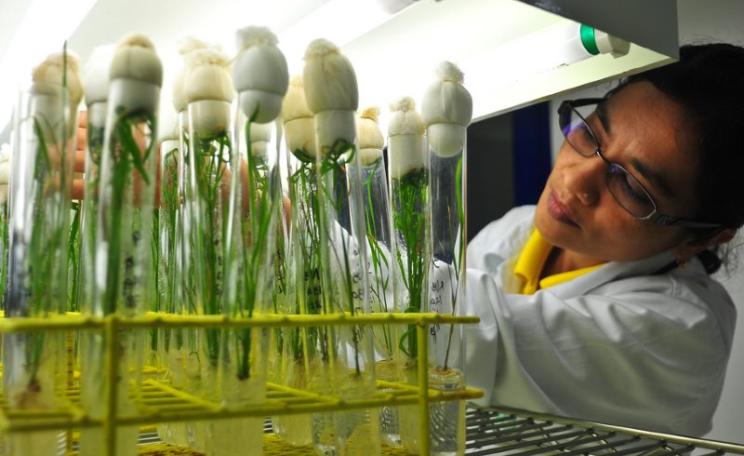
Biotech corporations have invested billions in a range of new 'GM 2.0' technologies designed to redesign the world's germplasm and create new generations of super-GMOs, writes Nina Holland. And powerful investors have no intention of letting tedious EU regulations get in the way of the profits they are now poised to reap - no matter what the laws actually say.
How can progressive movements rise above merely being right, to mount effective mass opposition to corporate rule and the dictatorship of the super-wealthy? By learning from Gandhi, writes Colin Todhunter, and devising new campaigns that engage with people's everyday concerns - like access to safe, wholesome, affordable, 'open source' food.
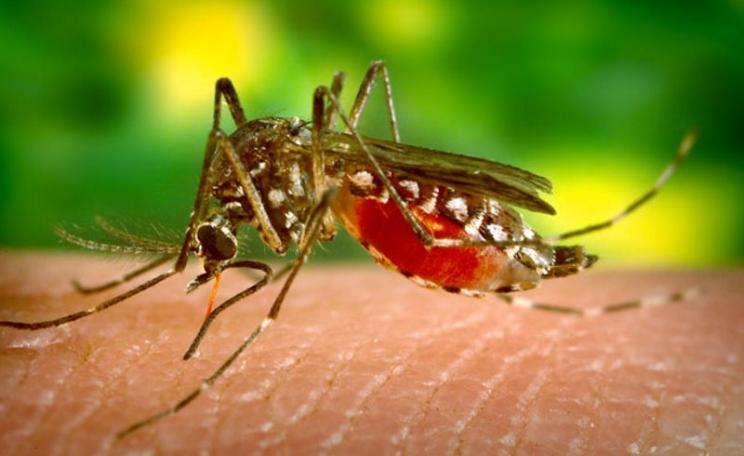
In Brazil's microcephaly epidemic, one vital question remains unanswered: how did the Zika virus suddenly learn how to disrupt the development of human embryos? The answer may lie in a sequence of 'jumping DNA' used to engineer the virus's mosquito vector - and released into the wild four years ago in the precise area of Brazil where the microcephaly crisis is most acute.
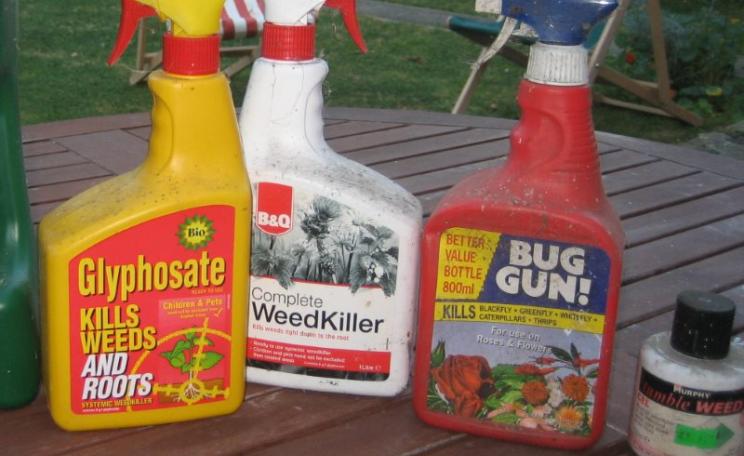
The European Commission must not re-approve the 'probably carcinogenic' weedkiller glyphosate so long as its assessment is based on secret industry studies, actual products are not investigated, and in the absence of scientific criteria for endocrine disruption, write 66 MEPs in this Open Letter to Commissioner Andriukaitis, in charge of health and food safety.
Why are we so surprised at the Google tax heist? It's not because there's anything new about it, writes Donnachadh McCarthy. It's because our own political class have long their noses in the trough, and the tax-dodging billionaires that own our mainstream media are anxious to hide the swindle that's keeping them rich, and us poor.
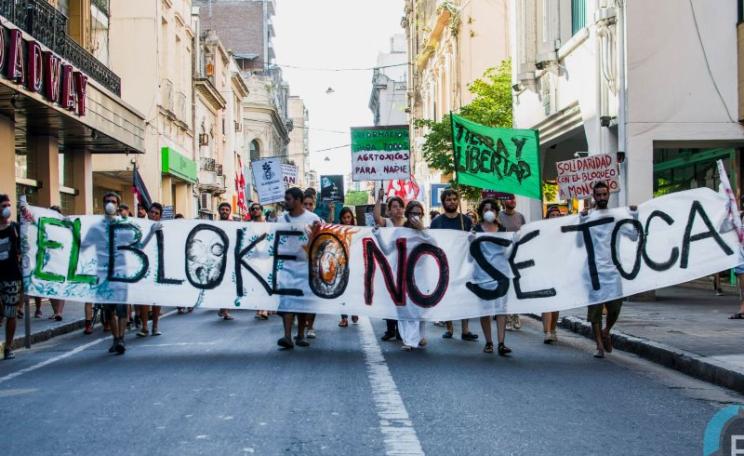
Protesters have now blocked a Monsanto seed factory in Córdoba, Argentina for over two years, writes Ciara Low. Another eviction attempt is now imminent, and campaigners are calling for a big mobilization this Sunday to fortify the blockade and send out a strong message to Monsanto and its acolytes: 'No Pasaran!' - 'They shall not pass!'
Monsanto has acquired a commanding role in the biotech, seed and agro-chemical industries, writes Carmelo Ruiz. So why is the company desperate to merge with its rival Syngenta? The truth is the company is in deep trouble, as its top-selling Roundup herbicide runs out of steam, and its rivals combine to challenge its dominance.
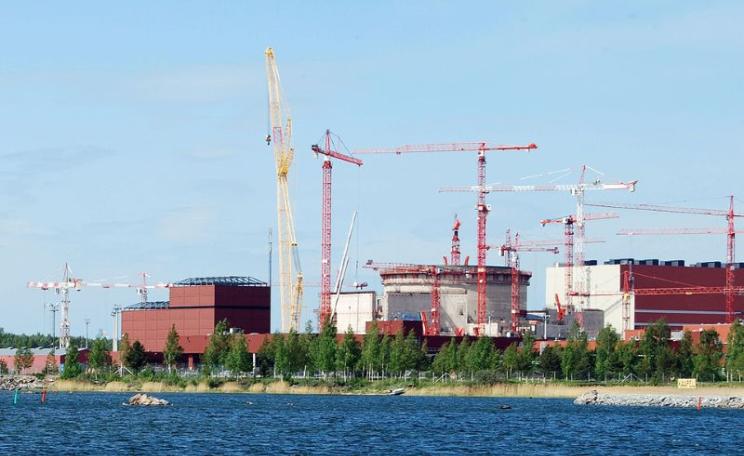
Just as EDF was due to make its 'final investment decision' on Hinkley C, writes Oliver Tickell, another delay. In spite of incredibly generous subsidies, the company is unable to finance it. Its last hope is to persuade the French state to take a 10% stake in the doomed project.
Inequality is on the agenda at the World Economic Forum in Davos this year, write David Sogge & Nick Buxton. A good thing, right? But look at the proposed 'solutions': ramp up the neoliberal 'development' model; lighten business regulation; pursue globalisation with greater vigor ... Yes, you got it. They would all accelerate the transfer the world's wealth upwards to corporate elites.
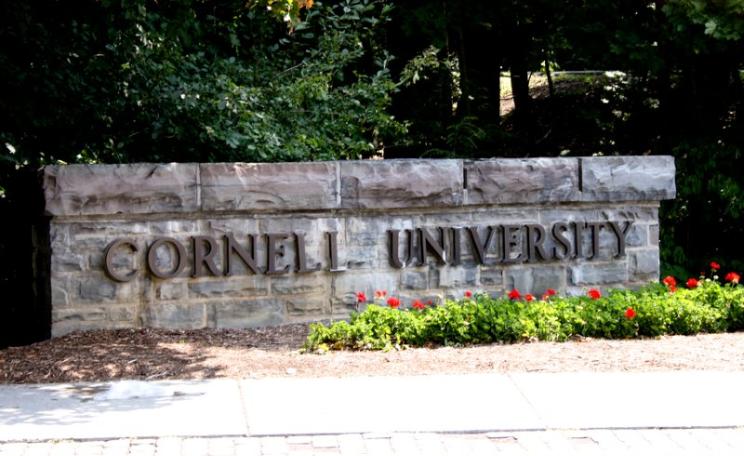
Cornell, one of the world's leading academic institutions, has abandoned scientific objectivity, writes Stacy Malkan - and instead made itself a global hub for the promotion of GM crops and food. Working with selected journalists and industry-supported academics, Cornell's so-called 'Alliance for Science' is an aggressive propaganda tool for corporate biotech and agribusiness.
The Gates Foundation - widely assumed to be 'doing good', is imposing a neoliberal model of development and corporate domination that's opening up Africa's agriculture to land and seed-grabbing global agribusiness, writes Colin Todhunter. In the process it is foreclosing on the real solutions - enhancing food security, food sovereignty and the move to agroecological farming.
A third of all food that's produced in the world is thrown away. What's going on? Diana Moreno finds some answers in her own experience working in a German supermarket. Leading the list is the mind-numbing 'culture of rush' that permeates high-volume, low margin retailing, and which subjects workers and customers alike to the soul-less logic of the production line.
According to classical economics Adam Smith's 'invisible' hand' of free markets produces the greatest good for us all, writes JP Sottile. But what happens when rip-roaring 'external costs' are left out of the equations? Wars, repression, pollution, resource destruction and climate change. And because that invisible hand is connected to Mother Nature, it's coming back to strike us.
The 'New Alliance', backed by £600m of UK aid, is meant to improve food security, reduce malnutrition and lift people out of poverty, writes Aisha Dodwell. But it's all a huge con - delivering corporate welfare, attacking small farmers, enabling land grabs - and leaving a trail of poverty and human devastation. It draws praise from only a single review of its activities: its own.
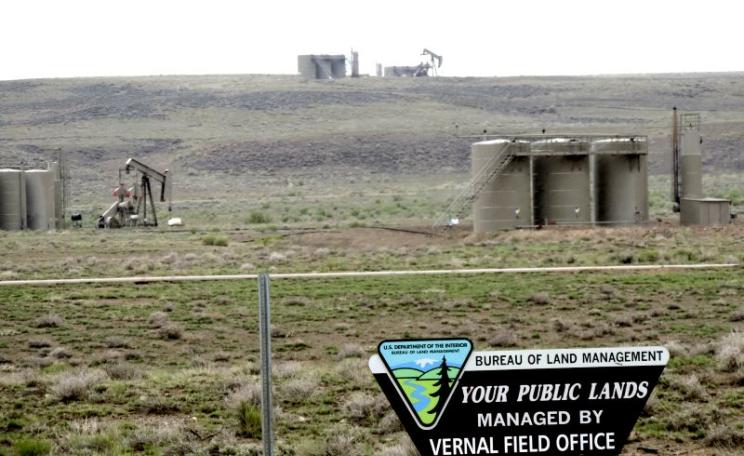
Now that the US is signed up to ambitious Paris targets to limit warming, it too must play its part in keeping fossil fuels under the ground, write leading US campaigners. So let's make an immediate start by halting all new federal oil and gas leasing on public lands pending a full climate and environmental impact study.
The Philippines is taking a huge leap forward in the climate wars, writes Ellen Baker, with the world's 'top 50' energy giants standing accused of violating international human rights law as a result of their fossil fuel production. This is the first such investigation ever to take place anywhere in the world - and it just opened up a whole new front of corporate vulnerability.
GMO promoters enthuse about how GM crops will be able to help the poor and hungry, far in the future, writes Claire Robinson. But they are silent about the currently-planted GM crops - 99% of them herbicide-tolerant or insecticidal. Could it be because opponents of the technology are being proved right at every turn?
TransCanada has just made a big mistake by bringing its $15 billion lawsuit against the US government for refusing the Keystone XL pipeline, writes Sam Cossar-Gilbert. The move has exposed the real nature of 'trade deals' like TTIP and TPP - and why all democrats must rally to defeat them.
The cash-strapped French energy giant EDF may sell off profitable stakes in its in its eight existing UK nuclear reactors to raise money for the Hinkley Point C project. But with no example of the EPR design planned for Hinkley even near completion, it may all prove a risk too far.
Farmers on Palawan are being tricked into giving land away to palm oil companies with local government support, writes Rod Harbinson. Under the palm oil company 'leases' the farmers lose all rights to their land, never receive any money, and are saddled with 25 years of debt. Those who resist the land grabs are now in fear for their lives following the murder of a prominent campaigner.
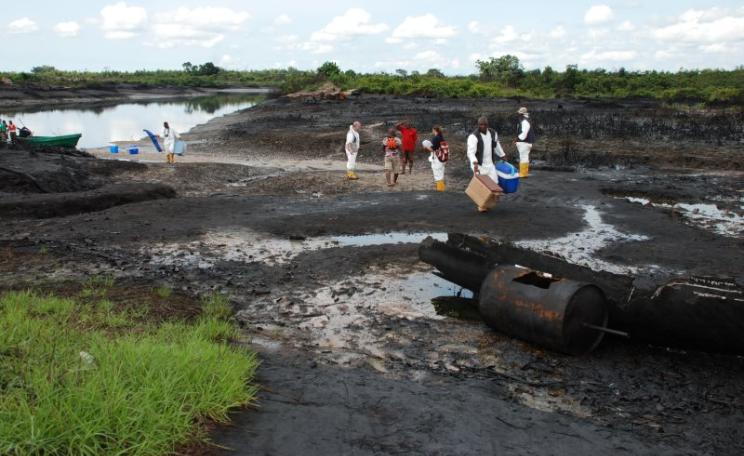
In a landmark judgment today, four Niger Delta farmers have won the right to sue Dutch oil multinational Shell in the Netherlands courts after oil spills destroyed their farms and fish ponds. The case sets a precedent for other victims of corporate environmental and human rights harms around the world.
Campaigners at COP21 in Paris are calling for a new 'upstream' carbon tax to be levied on fossil fuel producers, writes Henner Weithoener, and so send a clear market signal and finance poor countries' compensation for 'loss and damage' caused by climate change.