Agroecology is key to retaking control over food, farming and land from the 'monstrous machine' of agribusiness, biotech, big finance and 'free trade', writes Colin Todhunter, as it represents a truly viable alternative to agriculture for corporate profit. But such are the powers ranged against the world's small farmers that it must be supported by a broad-based, global people's movement.
The 'Biotechnology Food Labeling Uniformity' bill has been introduced to the US Senate to require clear, simple labelling of GMOs nationwide - informing consumers while saving manufacturers from a confusing patchwork of state regulations. Could it defeat the dreaded DARK Act?
A year after Shell was forced into a £55 million settlement with an indigenous community in Nigeria devastated by oil spills, a UK High Court judge has allowed two new such cases to proceed on behalf of some 43,000 subsistence farmers and fishers whose livelihoods have been wiped out by the same cause.
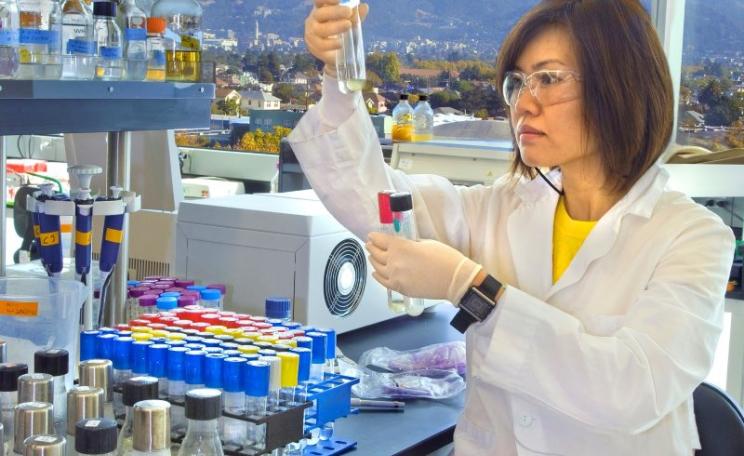
A synthetic biology plant producing the anti-malarial drug artemisinin has just shut down as it's much cheaper to use wormwood grown by African farmers, writes Almuth Ernsting. The technology is even further from making affordable diesel, with a production cost of $20-50 per litre. No wonder investors are losing patience - and confidence - in loss-making synbio companies.
French nuclear parastatal EDF is facing problem after problem - zombie nuclear projects in the UK, Finland, China and France, a fleet of 'beyond the grave' reactors, a dropping share price and its drooping credit rating. But is it really as bad as all that? Jonathon Porritt has exclusive access to the leaked Agenda of its latest board meeting. And the answer is - no. It's even worse.
Those who dare suggest that pesticides might be implicated in Brazil's microcephaly outbreak are being furiously attacked as irrational, nonsense-spouting 'conspiracy theorists', writes Claire Robinson. But the attackers have an uncanny ability to get their own facts in a twist. And among them are writers linked to industries with huge economic interests in the matter.
The European Commission is poised to renew the licence for glyphosate - the herbicide last year deemed ‘probably carcinogenic' by the WHO - for another 15 years. The decision follows from EFSA's contrary finding, based on secret, non peer-reviewed, industry-funded studies.
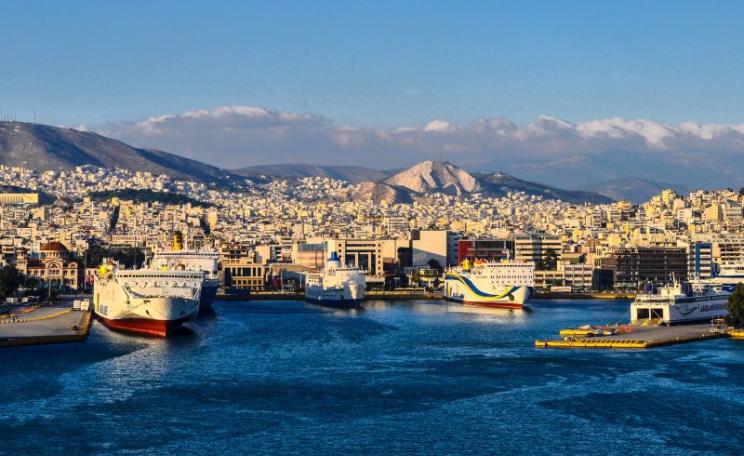
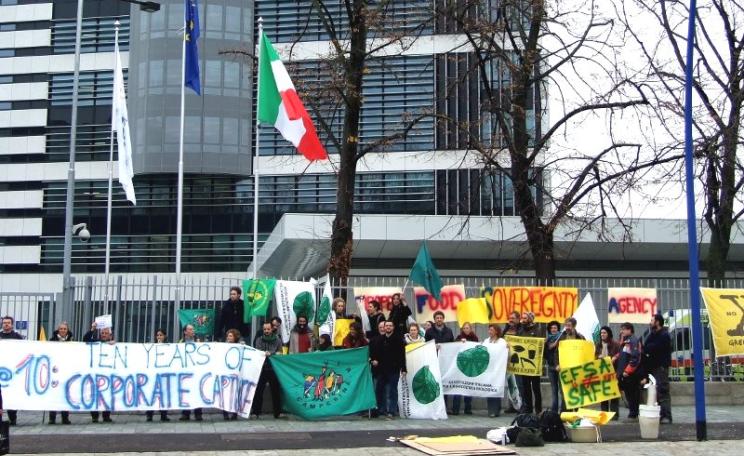
Europe's economic crisis has offered vast business opportunities to an all-powerful nexus of financial interests that have snapped up valuable state assets at bargain basement prices, defrauding the poorest countries of countless billions of euros, write Sol Trumbo & Nick Buxton. The EU's highest institutions are in the grip of a deep, systemic corruption that knows no boundaries.
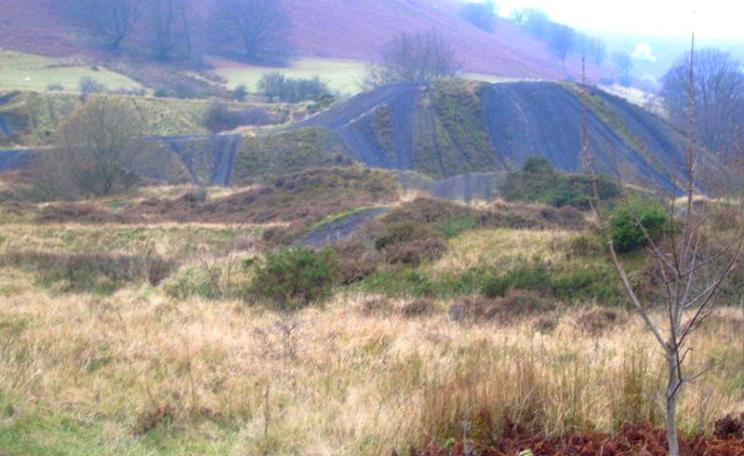
A tangle of undercapitalised companies are coming forward to cash in on old deep coal mines in Wales, writes Guy Shrubsole - by digging them all out from above from huge open cast pits. But local communities, alarmed at the noise, pollution and destruction of landscape, increasingly see coal as an industry that's best consigned to the scrapheap.
The chemical industry and the European Food Safety Authority are refusing to disclose key scientific evidence about glyphosate's risks, citing 'trade secrets' protection, writes Corporate Europe Observatory. They must be compelled to publish the 'mysterious three' scientific studies EFSA used to assess glyphosate as 'unlikely' to cause cancer to humans - contradicting the IARC's view.
As the twelfth round of negotiations over the EU-US TTIP mega-trade deal begins in Brussels today, the chances of a treaty being concluded are looking weaker than ever, writes Guy Taylor. Time is running out, complex legal issues are crowding in, and most important of all, public opinion on both sides of the Atlantic is turning against the massive 'bill of corporate rights' that TTIP represents.
The corporate dominance of 'free' media in western democracies imposes deep structural constraints on what may be reported, and how, writes Jonathan Cook. Syria is now the latest example of skewed reportage - and even journalists seeking to analyse the problem must carefully avoid the real reasons for it.
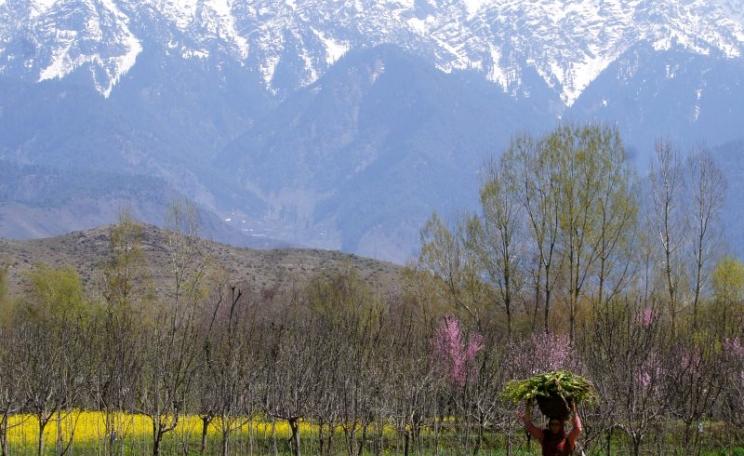
India's farmers are the targets of structural violence aimed at uprooting indigenous agriculture and replacing it with an intensive corporate model based on GMOs and agrochemicals, writes Colin Todhunter. But as Monsanto's GM cotton succumbs to insect infestations despite repeated pesticide applications, agroecological farming is an increasingly attractive option for cultivators.
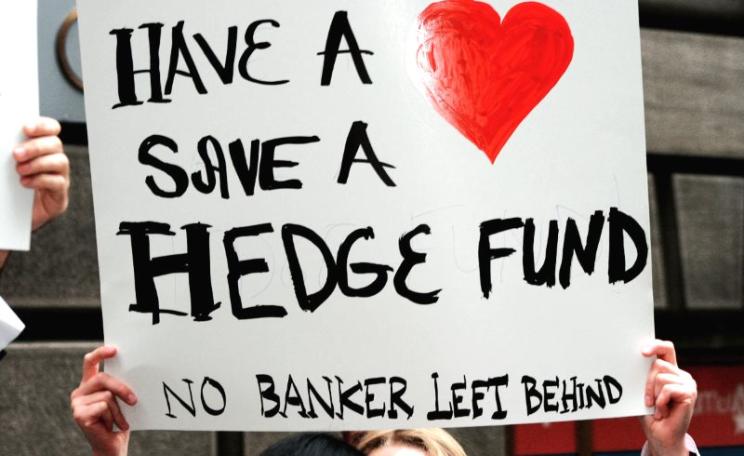
The private banking system that dominates North America and Europe works very well indeed, writes Ellen Brown - for the bankers. As for us, it's a disaster, as the banks use their monopoly over the creation of money itself, at interest, as a tool to extract ever more value from us and the entire economy. But there is another way!
The increasingly militant protests by dairy farmers against low prices forced on them by the corporate 'free market' represent serious and effective resistance against the 'free trade' agenda being forced on the world by neoliberal governments, writes David Miller. They are the first steps to building a new global food system that respects food, people, culture and environment.
Global oilseed, agribusiness and biotech corporations are engaged in a long term attack on India's local cooking oil producers, writes Colin Todhunter. In just 20 years they have reduced India from self-sufficiency in cooking oil to importing half its needs. Now the government's unlawful attempts to impose GM mustard seed threaten to wipe out a crop at the root of Indian food and farming traditions.
New research indicates that agricultural policies aimed at alleviating poverty in Africa are making things worse, writes Lawrence Woodward. Backed by 'development' aid, big business is forcing modern farming practices on unwilling rural communities. Only the rich benefit, while the poor carry the burden of landlessness and debt.
As Cuadrilla's application to frack in Lancashire goes to public inquiry today, protestors from Greenpeace have installed a full-size 'fracking rig' in Parliament Square, London, complete with flare and deafening sound effects, to let MP's know just how great it is to have a fracking well on your doorstep.
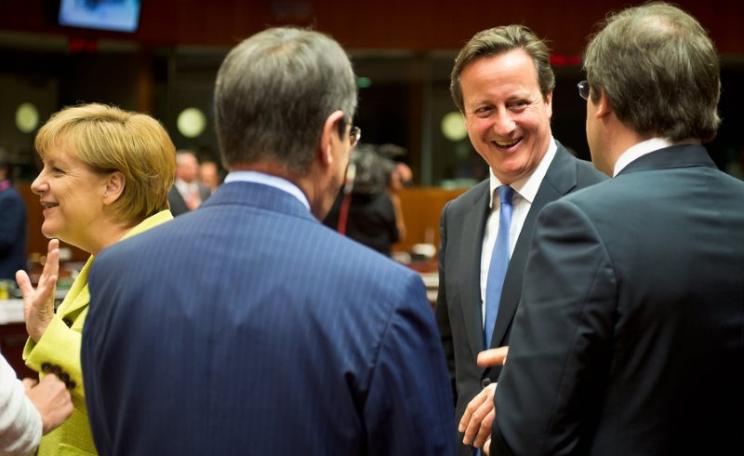
A British exit from the EU wouldn't liberate us from the extreme neoliberalism epitomised by TTIP, writes Caroline Lucas. On the contrary, UK governments have been the strongest drivers of the EU's 'free trade', pro-corporate agenda. Despite all the EU's faults - and they are many - it is protecting us from much, much worse.
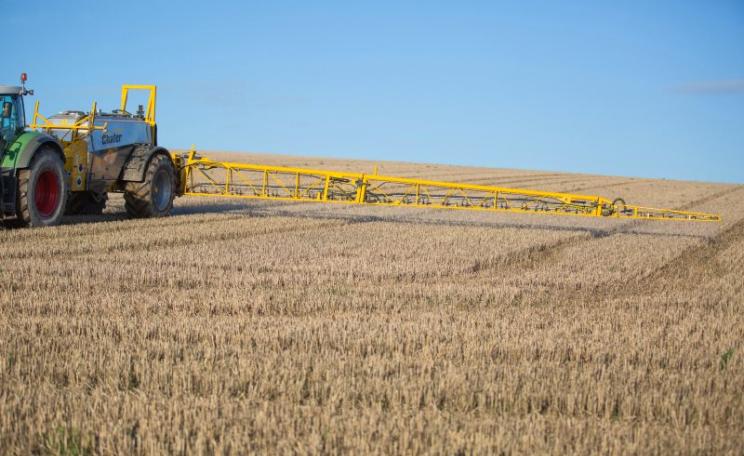
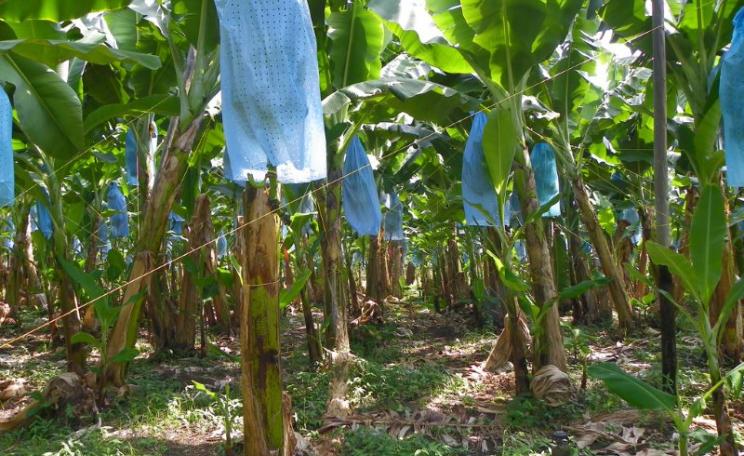
Bananas are at the sharp end of industrial agriculture's chemical war on pests and pathogens, writes Angelina Sanderson Bellamy. But even 60 pesticide sprays a year isn't enough to keep the diseases at bay. It's time to seek new solutions with little or no use of chemicals, working with nature, growing diverse crops on the same land - and breaking the dominance of the banana multinationals.
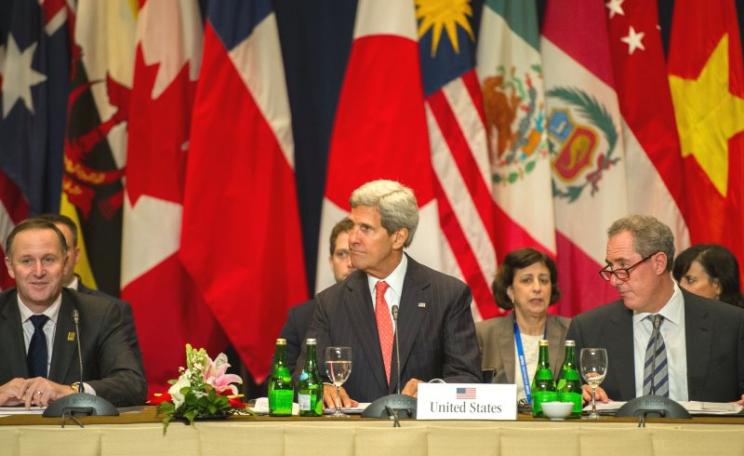
Boosters of 'free trade' agreements - like the Trans Pacific Partnership that's being signed today - like to make big promises, writes Pete Dolack: trillions of dollars of economic gains, billions of dollars of investment, millions of new jobs. But there's only one certainty, and it's one they never mention: the permanent redistribution of power and income from working people to capital.
Trade ministers will sign the Trans Pacific Partnership 'free trade' deal today, writes Sam Cossar-Gilbert. But don't be fooled by the razzmatazz. Resistance to the agreement is growing fast, and the more people find out about it and its devastating impact on jobs, health, human rights and environment, the less they like it.
The true nature of western civilization is hard to grasp from within, says Professor John McMurtry, because we perceive it through media whose primary purpose is not to convey the truth, but conceal it. What is actually playing out is a global war of empire and capital against the Earth and her people, backed up by the omnipresent threat of overwhelming force.
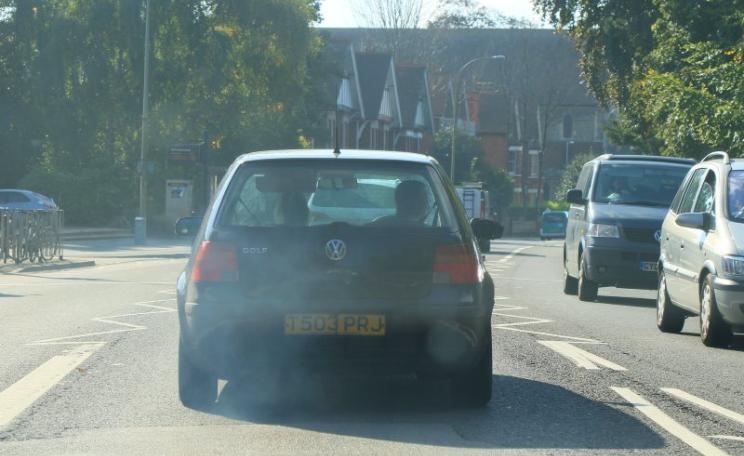
Right wing MEPs in the European Parliament including UK conservatives today voted car makers a 'get out of jail free' card over air pollution that's killing tens of thousands of citizens a year, allowing their vehicles to emit double the legal limit for nitrogen oxides.