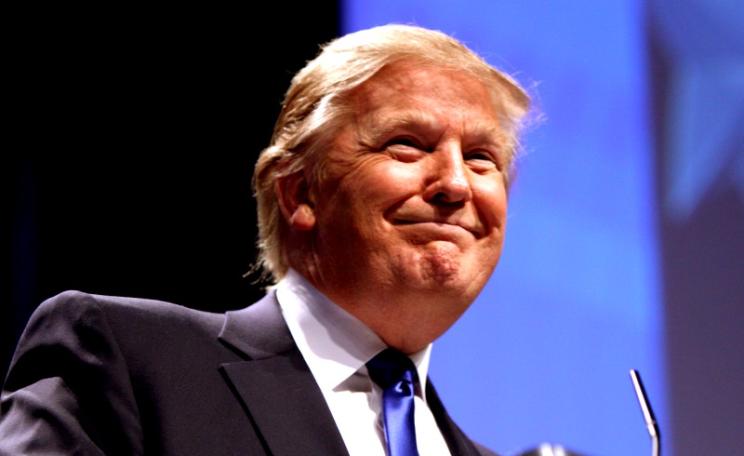
There are many good reasons to criticise Donald Trump, writes John McMurtry. But none of these matter to the US media, political and corporate powers determined to keep him out of the White House. With his radical talk of halving military spending, controlling Big Pharma and exiting 'free trade' agreements, Trump is a direct threat to the parasite capitalism that's destroying America.
The global pesticide and bioscience giant Monsanto is a byword for evil for millions of campaigners and concerned citizens, writes JP Sottile. But that has never stopped it getting its way with the people that matter - politicians and regulators. And now the company is on the verge of biggest victory ever - winning clearance to spray biologically active RNA sequences on US crops.
Italian prosecutors have raided Shell's offices to investigate the suspicious acquisition of a huge offshore oil field in Nigeria, writes Vanessa Amaral-Rogers. The oil block, sold by the Government for $20 million to a shell company owned by the oil minister, was later acquired for $1.1 billion by Shell and Eni.
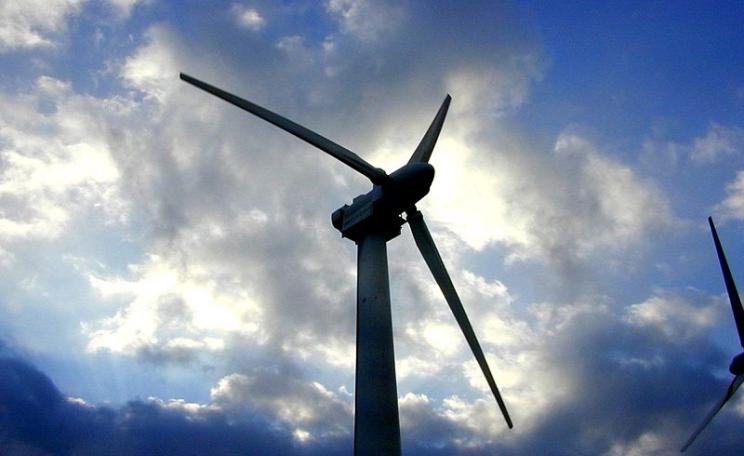
EDF in the UK may be propelled by its disastrous nuclear ambitions, writes Chris Goodall. But across the Atlantic it's another story: the company is the US's biggest wind developer, and selling its power, profitably, for under 40% of the price it has been promised for Hinkley C, including federal tax credits.
ExxonMobil has long known that climate change is real and dangerous, write Louise Rouse & Naomi Ages, while denying it in public and supporting climate change deniers. Now they accuse their critics of 'chilling' climate science and the search for solutions. The truth is the precise opposite.
An unprecedented coalition of 20 Attorneys General from US states and the Virgin Islands have combined to hold fossil fuel companies accountable for the deception they have inflicted on customers and the wider public over climate change, writes Lauren McCauley, in a move hailed as a 'turning point' in the battle to save the climate.
Groups representing over 5 million Nigerians are resisting Monsanto's attempt to introduce GM maize and cotton, writes Vanessa Amaral-Rogers. With growing evidence of harm to human health and environment, and failing GM crops in other countries, they say Monsanto's applications must be refused.
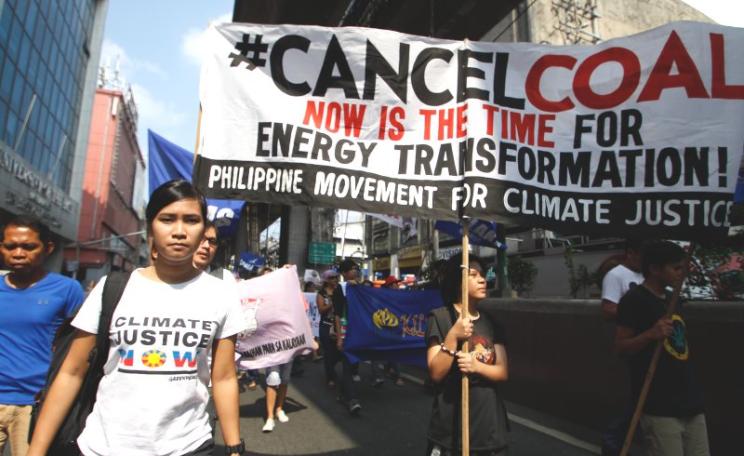
JP Morgan's announcement that it's pulling out of coal is purest doublespeak, writes Assaad Razzouk. But it's not the only financier to engage in climate hypocrisy, as banks prepare to lend $5 trillion to build 2,440 new coal power stations. To deliver the Paris Agreement they - and the loans that would finance them - must be cancelled.
MPs today grilled EDF Energy supremo Vincent de Rivaz over the troubled Hinkley C nuclear plant in Somerset. He insisted that the project was definitely going ahead - but refused to say when the 'final investment decision' was due. Confused? Bewildered? Frustrated? So were the MPs.
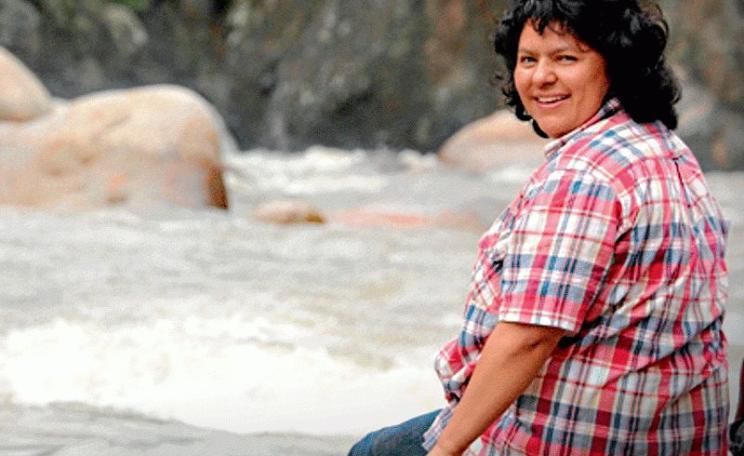
The Government of Honduras is intent on framing the only witness to the murder of Berta Cáceres as the one guilty of the crime, writes Beverly Bell. Gustavo Castro Soto, an eco-defender from Mexico, is now in effective detention in his country's embassy in Tegucigalpa in fear of his life, having himself been injured in the attack and seen the real assassin. The US Government must break its resounding silence.
The small state of Vermont is changing the face of US food as companies hasten to comply with its GMO labeling rule which comes into effect in July 2016. Mars and General Mills - and now Kelloggs and ConAgra - are the latest companies to announce their labels will comply with Vermont law US-wide - and many more are sure to follow.
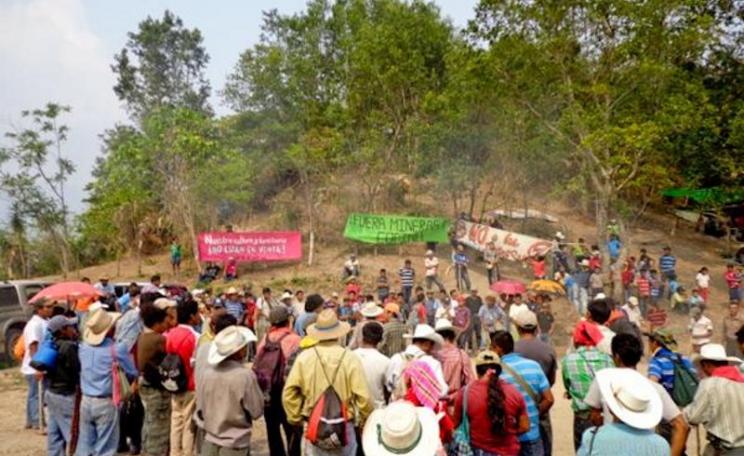
Since the Obama-Clinton coup in Honduras the murder of eco-defenders and other activists has become a routine instrument of government, writes Dan Beeton. We must demand an end to the killings, the restoration of political freedom, and a halt to the tide of corporate megaprojects - beginning with the Agua Zarca dam.
Backed up the Information Commissioner, DECC refuses to release the documents it sent to the European Commission to support its massive subsidy package for the Hinkley C nuclear plant, writes Terry McAlister. But now the case will go before a tribunal which could order their release.
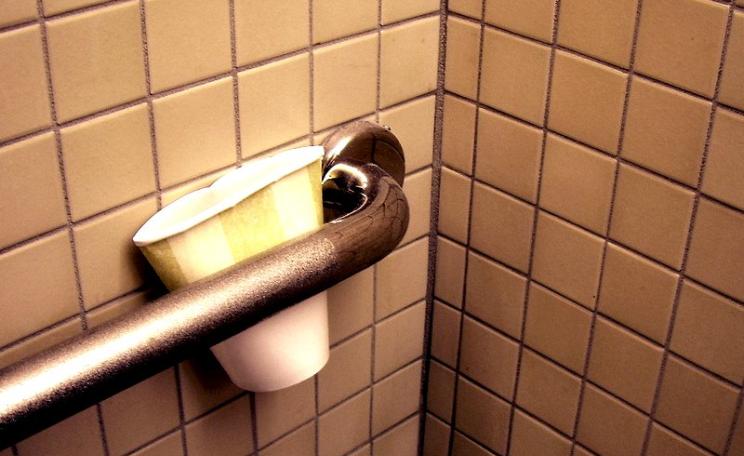
Our insatiable appetite for expensive coffee is causing a global trail of waste and destruction, writes Donnachadh McCarthy. Following the successful campaign for a 5p plastic bag levy, it's time to move on to a much larger 25p levy on disposable coffee cups - making those that profit from the waste carry the cost of its disposal.
The European Union's carbon market, the EU ETS, is meant to cut pollution in a cost effective way. But a new report shows that it handed the EU's biggest emitters a €24bn bumper payout over six years. Not so much the 'polluter pays' principle but the precise opposite: people pay, and polluters profit.
Is the UK sinking into authoritarian rule? That's how it looks, writes Jonathon Porritt, as the government joins with right wing media and fossil fuel companies to attack local democracy and environmental campaigners. Is this 'merger of state and corporate power' a sign of more, and worse, to come?
Barring a miracle Marco Rubio is set to be Trumped in the Republican primary tomorrow in Florida, his home state, putting an effective end to his campaign. But it's not for want of support from one of the US's biggest frackers, Devon energy, and its politically active CEO Larry Nichols. And with or without Rubio, Nichols's influence on the red states' energy policy is only going to get bigger.
Climate change is perhaps our generation's greatest challenge, and few people are better placed to know it than academics in our top universities, writes James Dyke. But they are still accepting huge sums of fossil fuel money, in the process helping donors in their quest to extract and burn ever more coal, oil and gas. This must stop.
To understand how technology is used in the real world we must appreciate who owns and controls it, writes Colin Todhunter: whose interests it serves, and how it works in an economic system driven by profit, geopolitics and the compulsion to capture and control markets - while the monopolists proclaim a noble ideology of 'free choice' and 'democracy'.
Oil giant BP is the UK's single biggest EU lobbyist, spending over £2 million reaching out to European policy makers in 2014, new figures show. But citing hard times, the company has dropped its controversial sponsorship of the London's Tate Galleries - and more such branding deals may bite the dust.
Media furore over the shooting down of a helicopter in Tanzania masks a bigger picture of commercial hunting and evictions of indigenous tribes in the name of wildlife, writes Navaya ole Ndaskoi. It's time to rethink 'white saviour' mythology and develop new models of conservation that respect and engage with African communities, recognise their achievements, and inspire a new generation of conservation heroes.
Some of the world's most powerful figures tout the benefits of GMOs, writes Stacy Malkan, but what's the real story? Facts on the ground expose the PR spin, half truths and outright propaganda that has come to dominate a public conversation that is not so much about engineering genes, but engineering truth for the benefit of multinational corporations.
It has been an epic battle, writes Aisha Dodwell. Monsanto and other corporations are desperate to get the world's number one herbicide, glyphosate, relicenced in the EU. But their network of power has been challenged by doctors, scientists and a global movement of people. With today's postponement of the EU's decision, we have just scored a major victory.
A new study shows that 99.6% of Germans are contaminated with the herbicide glyphosate, writes Nicole Sagener. The news comes as the EU puts off a crucial decision on whether to re-authorise the chemical, described by IARC as 'probably carcinogenic', until 2031.