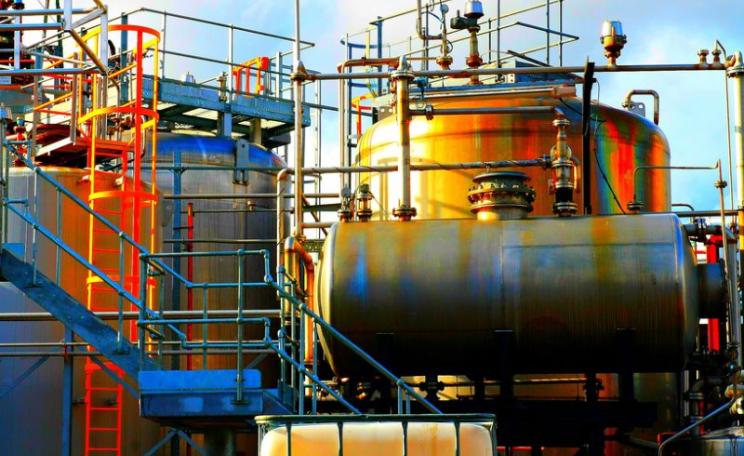
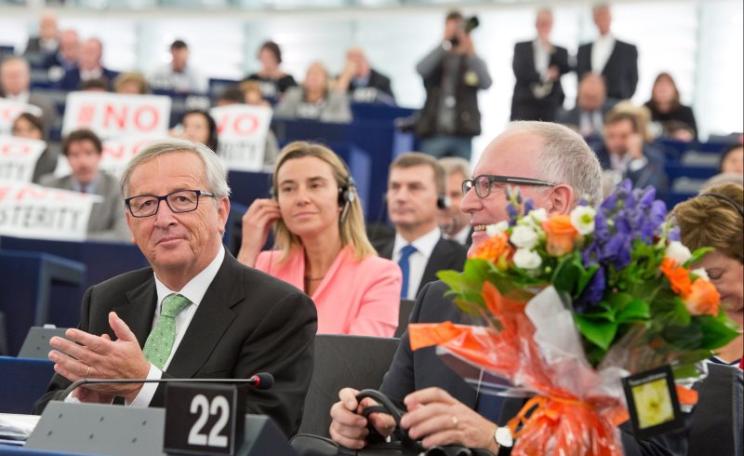
Apparent 'victories' in the fight against toxic chemicals - like the EU's failure to re-approve glyphosate yesterday - are illusory, writes Jonathan Latham. The real problem is not one of specific 'bad actors', but the entire system that allows new, likely to be toxic compounds to pollute the environment in near-total ignorance of their impacts. It's time to take our campaigning to a whole new level.
The UK's 'Green Deal' energy efficiency scheme was a massive failure, writes Sue Roberts. But few knew just how bad until the NAO's report - which reveals that its main effect was to line the pockets of the Big Six energy companies, load the public with expensive loans, create a tangle of red tape, and engineer the collapse of the UK's nascent energy efficiency sector.
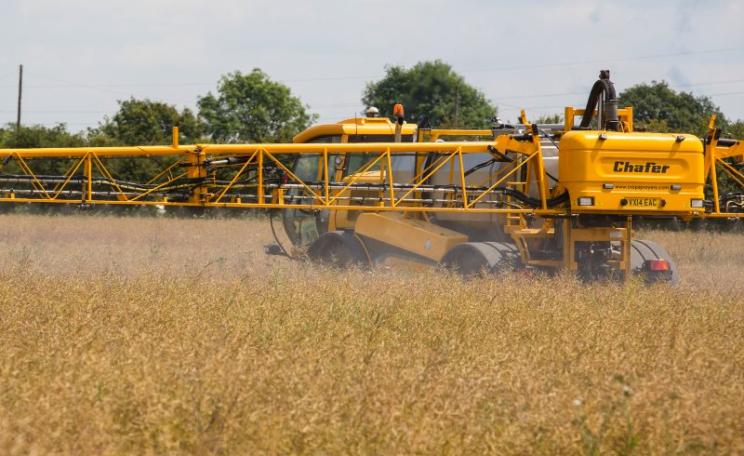
With EU ministers due to decide tomorrow on the future of the glyphosate in the EU, Colin Todhunter finds evidence of collusion between regulators and the corporations whose sales of the 'probably carcinogenic' herbicide add up to many billions of dollars a year - evidence that underlies a legal action alleging fraud by the European Food Safety Authority against the EU's 508 million citizens.
Another week, another series of disasters for EDF and it's Hinkley C nuclear power project, writes Oliver Tickell, with the company's credit rating downgraded partly due to its exposure to the project, and its Chinese partner CGN ruling out a takeover of the site. How much longer can the tragicomedy continue before the curtain falls?
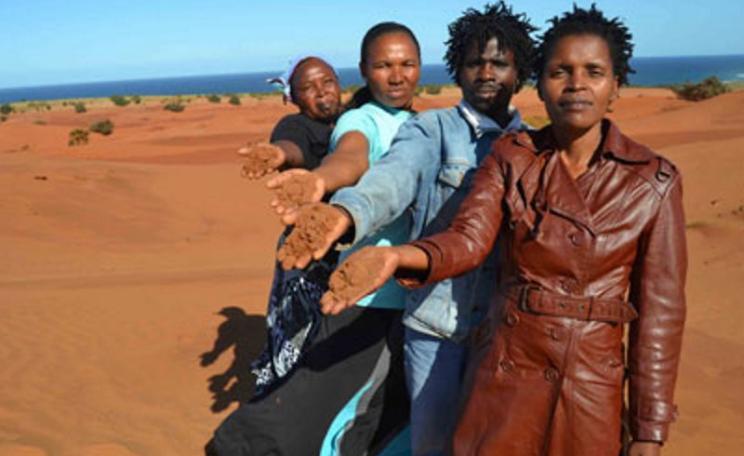
The pristine landscape of South Africa's Wild Coast is under threat from mining, writes Hal Rhoades, and the communities standing up to defend the land are facing deadly consequences: harassment, threats, physical assault and murder. Attacks on mine opponents have taken four lives so far and many others have been injured. But the opposition is growing and gaining international support.
The corporate war on traditional farming is nowhere fiercer than in India, writes Colin Todhunter. After decades of the 'Green Revolution' that have impoverished the nation's soils, water, biodiversity and cultivators alike, agribusiness is poised for its final strike. But now the small scale farmers who produce most of the country's food are rediscovering ancient agroecological alternatives.
The leaked chapters of the EU-US TTIP 'free trade' deal reveal a shredding of health, environmental and other protections for consumers and citizens, writes Pete Dolack. It's a wet dream for corporate monopolists and profiteers, and the elite bureaucrats that serve them. But for civil society it represents an irreversible destruction of democracy itself.
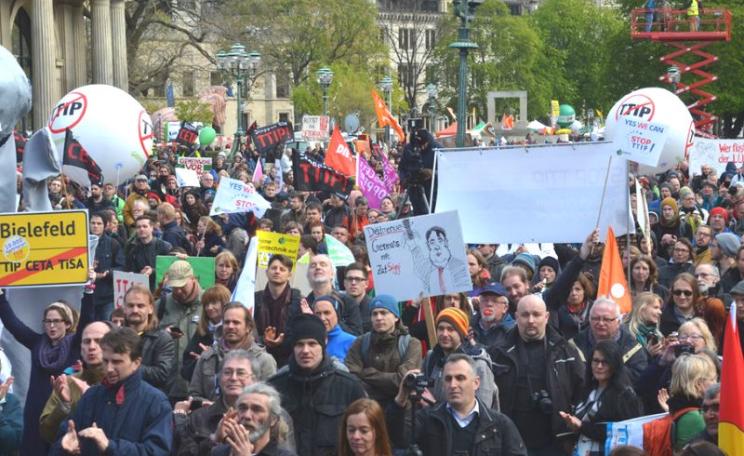
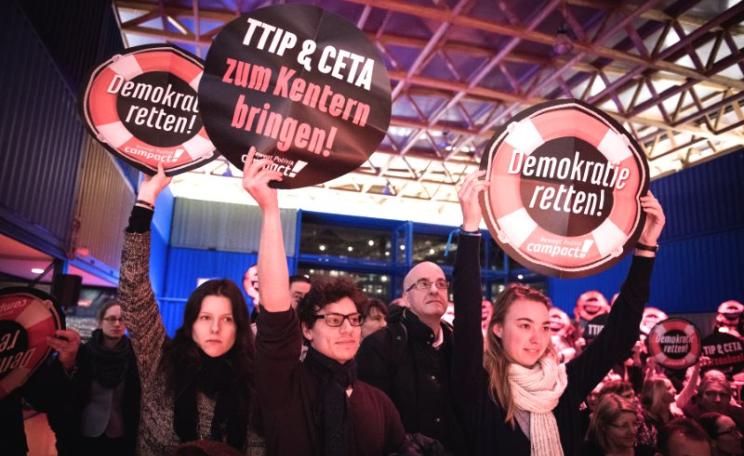
The TTIP EU-US trade deal has finally hit the rocks with massive popular opposition on both sides of the Atlantic gaining serious political traction, write Guy Taylor & Nick Dearden. There's now a good chance that TTIP will be defeated - but first we must make sure that CETA, the equally toxic EU-Canada 'Trojan Horse' deal, bites the dust.
The British establishment does nothing quite so well as lies, cover-ups and high-level corruption, writes Georgina Downs - whether it's the Hillsborough disaster or permitting polluters to poison us. Georgina won her own High Court legal victory protecting rural residents from pesticide exposure as long ago as 2008 - only to have it snatched away as Court of Appeal judges closed ranks.
Secret documents leaked to Greenpeace from the EU-US TTIP negotiations show that environmental protection, climate change mitigation, consumer protection, public health and sustainability are sacrificed throughout to corporate profit and commercial interests.
Maude Barlow, Chair of the Council for Canadians, has dedicated her life to fighting injustice, and so-called 'free trade' deals in particular. In this interview with Nick Dearden, Maude explained how CETA, the Canada-EU trade and investment agreement, is every bit as dangerous as TTIP, but has somehow escaped the same level of media and campaign focus - and what we can do about it.
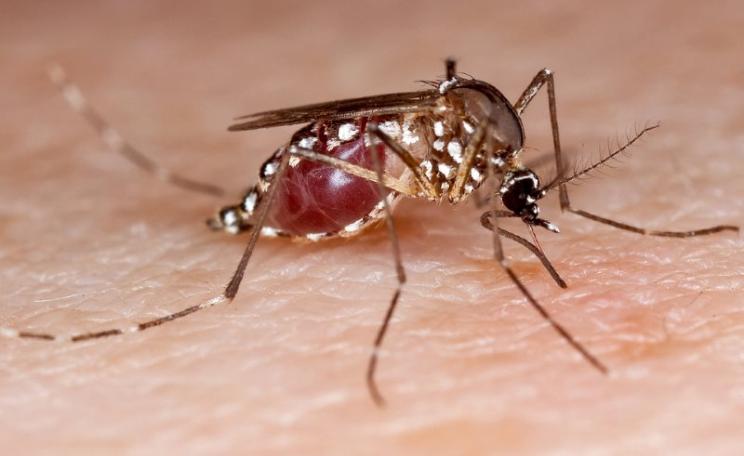
Investment analysts say Oxitec's GM mosquito technology 'won't work, is way too expensive, and is many years from generating even minuscule revenue', writes Claire Robinson. As shares in its owner, Intrexon, slump, three law firms have announced they are investigating.
The Chernobyl nuclear catastrophe may have scared most of the world off nuclear power, write Jan Haverkamp & Iryna Holovko. But mysteriously, not Ukraine, where the reactor meltdown actually took place. Thirty years on more than half of Ukraine's electricity is still nuclear, while the power sector is dominated by powerful oligarchs. So what are the chances of a post-nuclear Ukraine?
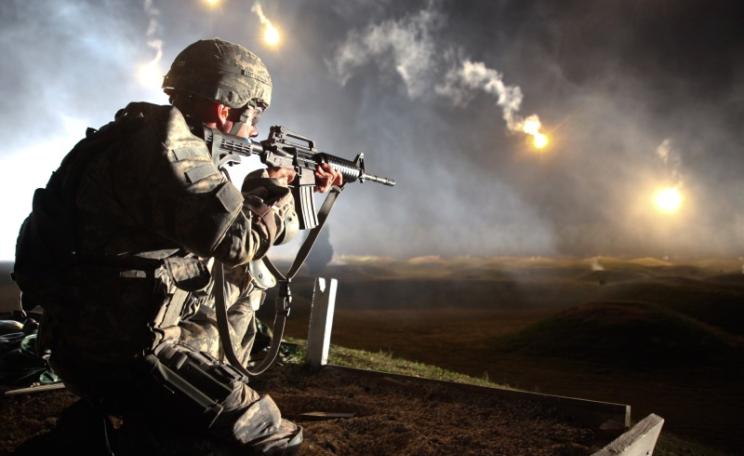
With its 800 bases in 80 countries, the US's global military domination is often seen as an altruistic exercise to ensure world peace and harmony, writes Pete Dolack. It is, of course, the opposite: the essential underpinning of the US's predatory economic power, always ready to strike down any challenge to the rights and privileges of its corporate conquerors and financial oligarchy.
What's the point of farming? To produce an abundance of wholesome food, writes Colin Tudge, while supporting a flourishing rural economy and a sustainable, biodiverse countryside. Yet the powers that be, determined to advance industrial agriculture at all costs, are achieving the precise opposite. It's time for a revolution in our food and farming culture, led by the people at large.
The Reuters news organisation has just sullied its reputation with a disgraceful attack on the WHO's specialist body on cancer, the IARC, writes Claire Robinson. Resorting to smear, innuendo and anonymous critics, it relies heavily on discredited industry sources including tobacco defenders in its attempt to undermine IARC's view that glyphosate probably causes cancer.
The Stop TTIP coalition is warning that under a 'stealth clause' in CETA the trade deal could come into force without a single parliamentary vote - including its ISDS provisions allowing investors to sue governments in secret courts. US corporations would then be able to sue EU nations - even if TTIP fails.
Environmentalists are near unanimous in believing the UK should remain in the EU, writes Harry Blain. Yet that puts us in the same camp as many of our fiercest enemies - neoliberal governments and corporate lobbyists for fossil fuels, cars and other polluting industries. Meanwhile the EU itself is increasingly undermining its own environmental protections as it pursues 'free trade' agreements around the world. Time for a rethink? You bet!
BP's plans to explore for oil in the deep seas of the Great Australian Bight came under fire today at the company's Annual General Meeting in London, writes Graham Readfearn. The drilling would risk the ocean's rich marine wildlife - while blowing a massive hole in Australia's COP21 emissions targets.
The latest country to be hooked under 'free trade' agreements is Colombia, writes Pete Dolack, sued for tens of billions of dollars by US and Canadian gold mining companies for valuing its national parks and the high-altitude Andean wetlands that provide 70% of the nation's water above the profits of foreign corporations. Free trade or clean water? You can't have both.
The 'cancer industry', including charities with close links to chemicals corporations, is always keen to blame cancer victims for their morally deficient lifestyles, writes Colin Todhunter. But the real fault lies with the commercial interests touting bad food, nutritionally unbalanced and laced with toxic agrochemicals - like the ubiquitous glyphosate - and their residues.
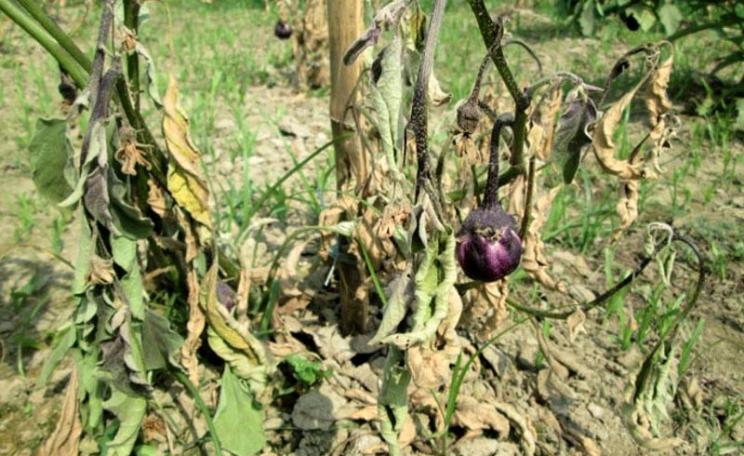
There's absolutely no evidence for BBC Panorama's claim of 90% success for Bt brinjal in Bangladesh, writes Claire Robinson. But that has not stopped the BBC Trust from dismissing all complaints against its monstrously dishonest report. Nor has it diminished the jubilation of GMO cheerleaders.
The proposed Directive on Trade Secrets Protection is meant to repress industrial espionage, write Corporate Europe Observatory & Co-signatories. But under its Draconian provisions, punitive lawsuits, jail sentences and €350,000 fines await journalists, campaigners and whistle-blowers. The European Parliament must reject this wicked law tomorrow!
Disregarding revelations of systemic political corruption in Brazil's hydropower sector, President Dilma Rousseff is ploughing ahead with a cascade of giant dams on the mighty Tapajos river. Among the companies touting to win huge construction contracts are France's EDF and Engie, and Germany's Voith and Siemens - in a consortium led by Brazil's Electrobras, which stands accused of high-level corruption over four other dam projects.