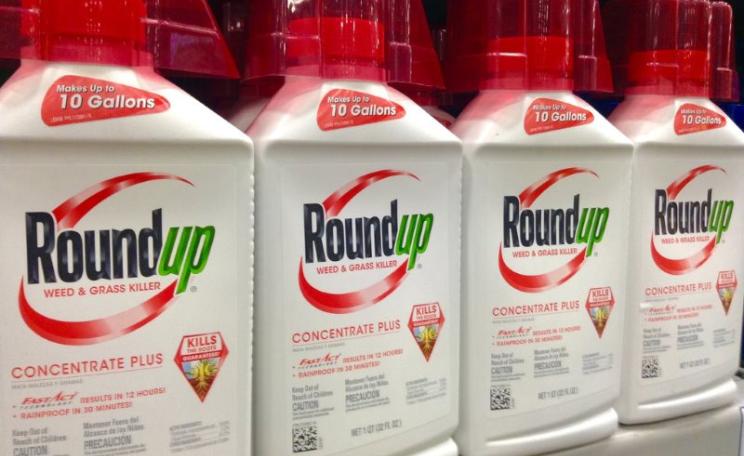
Following scientific confirmation of the severe hazards to health caused by residues of glyphosate weed killers in food, the Soil Association is calling on bakers and retailers to stop 'pre-harvest' spraying on arable crops. The SA's Peter Melchett just sent out this letter - adapt as necessary and send to retailers, bakers, makers of cereals, pasta, biscuits and others.
Confronted with climate change, disasters and their human victims, governments are all to quick to adopt a security response, write Nick Buxton & Ben Hayes. We saw it in the US after Hurricane Katrina. We see it now in Europe. And there's a host of powerful corporations keen to cash in on the opportunities. But the solutions they offer will only deepen the crises we face.
Are GMOs safe? Up to a point, writes Jonathan Latham - provided you're not eating them. That's certainly not proven to be safe, indeed the hazards are numerous: protein encoding viral DNA fragments, herbicide metabolites, biotoxins whose operation is not understood, poorly conducted experiments ... and those are just the ones we know about.
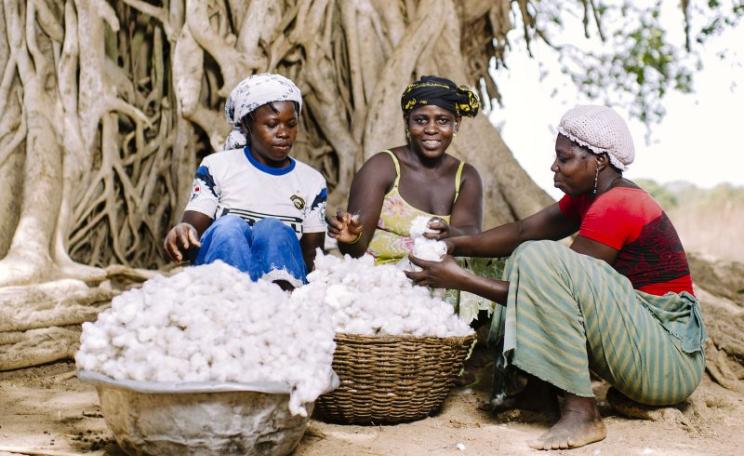
The idea that GMO cotton offers hope to Africa's impoverished cotton farmers is facile and fraudulent, writes Arya Tajdin. In fact it only adds to their vulnerability. Their real problems lie in the structural oversupply of subsidized cotton on world markets, and the flood of 'kifua' - dead white man's clothing - that undermines the continent's textile industries.
It sounded wonderful: a futuristic 'garden bridge' across the Thames dripping with flowers and foliage, writes Will Jennings. But really it's a private enclosure of valuable public space, mature trees and views, backed by £60m of taxpayers money, that delivers no benefits to London's wildlife, environment or transport needs.
Following a series of disastrous failures in India, one of Coca-Cola's most important markets, the company is desperate to rebuild its reputation by claiming 'water neutrality'. But the idea is absurd, writes Amit Srivastava, and does nothing to benefit the communities that suffer from the depleted aquifers it pumps from.
We owe a deep debt of gratitude to Dr Frances Kelsey, write Helena Paul & Philip Bereano. In 1960, she defied her bosses at the FDA to prevent the licensing of thalidomide in the USA, saving thousands from being born with serious deformities. Her tough approach to minimising the risk from new drugs contains lessons we ignore at our peril.
The EU's 'rapporteur state' on glyphosate, Germany, has recommended re-approval of the herbicide with its daily intake increased by 67%, write Drs Nancy Swanson and Mae Wan Ho. The verdict is based on a re-assessment carried out by Monsanto and a consortium of chemical companies, based on unpublished industry studies. It should be rejected outright.
A new study finds that the Roundup herbicide disrupts the hormonal system of rats at low levels at which it's meant to produce no adverse effects. By the same mechanism It may be causing the potentially fatal condition of 'adrenal insufficiency' in humans.
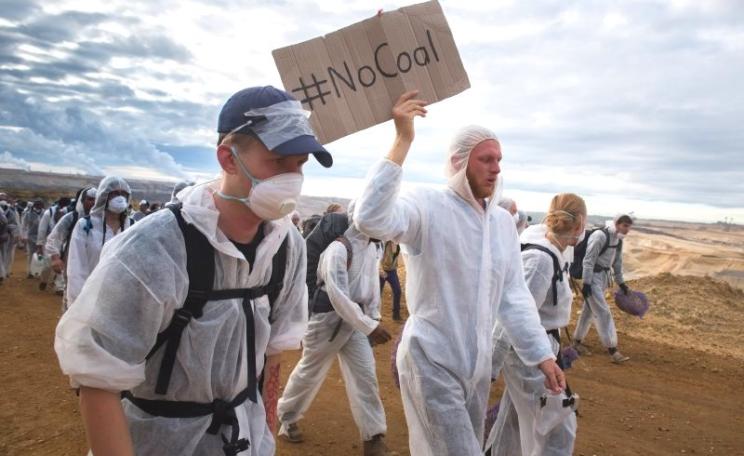
Last weekend Toni Belly was occupying Germany's biggest open cast coal mine in the once lovely Rhineland area, one of thousands of protestors from 350.org and other groups determined to shut the operation down. Nursing his bruises and eyes still sore from pepper spray, he set down his account of an unforgettable day of action.
A growing protest movement is demanding strong controls on international investors and logging companies buying up Romania's forests, writes Raluca Besliu. In its sights is Austria-based Schweighofer, which stands accused of criminal malpractice and accepting illegal timber shipments. The popular outrage stirred up by corporate misdeeds is now stimulating a wider democratic revival.
Canadian mining company Gabriel Resources is seeking over $2.5 billion damages from Romania after it rejected a vast gold mine at Rosia Montana, writes Oliver Tickell. Incredibly, it is taking legal action under a UK-Romania trade agreement.
If you're expecting COP21 in Paris to save the world's climate you're in for a disappointment, writes Alex Scrivener. For governments, climate is secondary to the really big issues - like endless economic growth and ever-increasing corporate profit. But there's still plenty campaigners can do to shame politicians, businesses and investors into meaningful action.
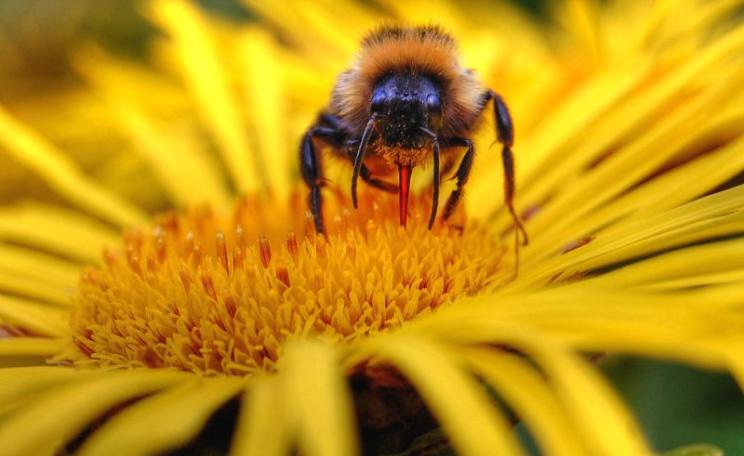
Previously suppressed documents show that Bayer and Syngenta, the makers of controversial 'neonic' insecticides subject to an EU ban, took part in and sought to influence a key meeting of pesticide experts to decide whether to lift a ban on their use in the UK.
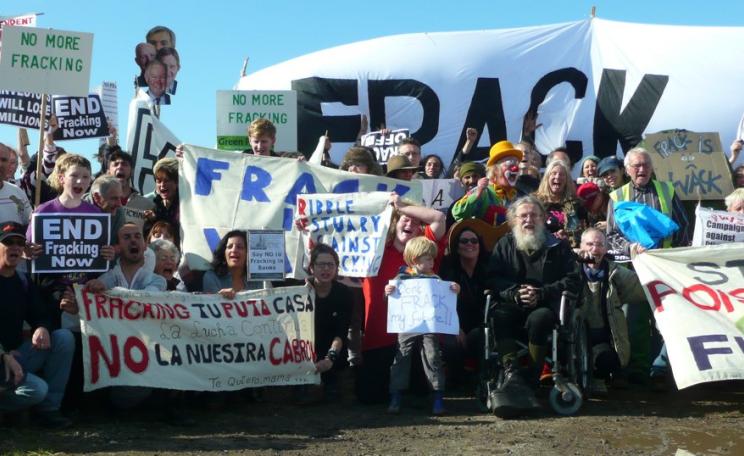
Shale gas company Cuadrilla will appeal Lancashire's decision to refuse permission to frack, write Kyla Mandel & Ben Lucas. The planning battle will last well into 2016, as campaigners prepare to fight all the way.
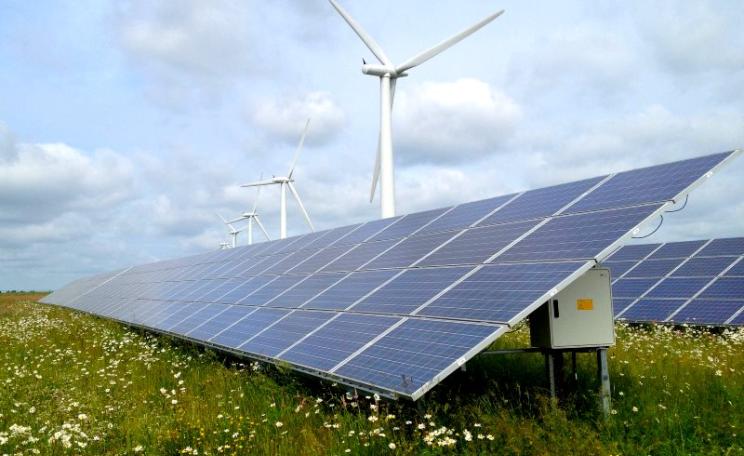
Perplexed by today's sharp cuts in solar power and other attacks on renewable energy in the UK? Don't be, writes Oliver Tickell. Really, it all makes perfect sense. You just have to understand their real purpose: to keep your energy bills high, along with power company profits. And never mind the 'green crap'!
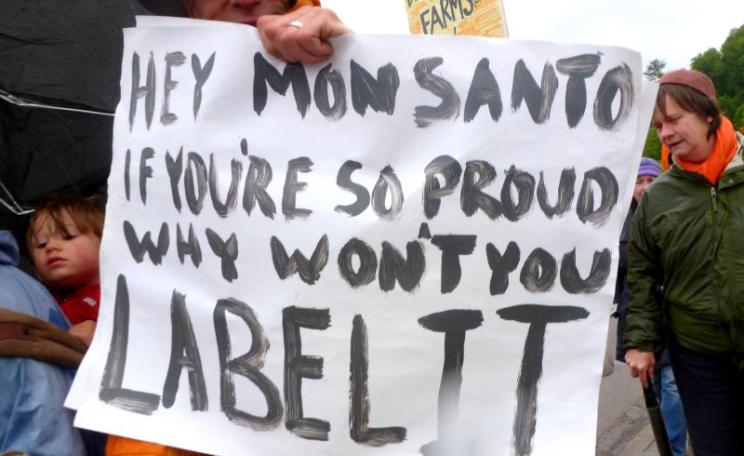
The US Congress votes this Thursday on the infamous 'DARK Act' that would abolish states' right to label GM foods, writes Katherine Paul. This 'Mother of all Monsanto Protection Acts' would also outlaw state GMO bans and even prevent the FDA from pre-market safety-testing GM ingredients. Send a clear message now to your member of Congress.
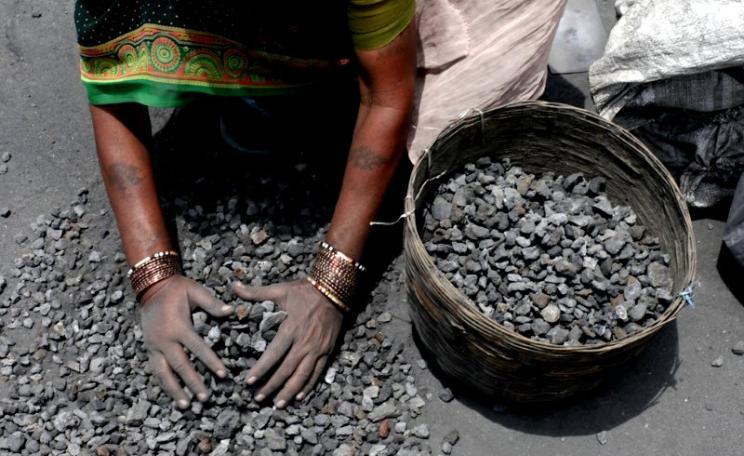
Coal companies and their 'sceptic' shills have almost given up on denying climate change, writes Brendan Montague. The new message is that coal is essential ... to end world poverty! And those who advocate climate action are 'harsh, cold-hearted' beasts. The one thing that hasn't changed? It's all lies.
A polite knock on the door of a Mr John Shaw of Hastings got Emily Johns a visit from the police. How so? He's the CEO of a secretive 'non-profit company' that's using tens of millions of pounds of public funds to build white elephant business parks and destroy valuable nature sites. And avoiding accountability looks like a major point of the exercise.
Just as the chemical industry and its shills once proclaimed the safety of DDT, they are doing the same today with the herbicide glyphosate which has penetrated throughout the food chain, writes Evaggelos Vallianatos. And once again it is a toxic lie that threatens species, ecosystems and people. It's time to demand a new kind of agriculture, and a future free of all pesticides.
After 20 years of oil spills, deforestation, waste dumping and ill health, farmers and indigenous people in the the Ecuadorian Amazon have been fighting the Chevron-Texaco corporation. But despite its three times conviction and a $9.5 billion damages award to the victims, the oil giant looks no closer to making good its damage.
Three in one: EFSA set to re-licence glyphosate based on secret industry studies; Monsanto moves against IARC verdict that glyphosate is a 'probable carcinogen'; and new science shows that FDA principle of GMO 'substantial equivalence' is bunk.
Last December Brazil's indigenous Peoples defeated the PEC 215 constitutional amendment that was meant to open up their territories for agribusiness, mining, power generation and industry, writes Chris Lang. But now, thanks to 'Chainsaw Queen' Kátia Abreu, minster of agriculture, it's back on the agenda ... and resistance is growing once again.
A new biosafety report for the Norwegian Environment Agency says GM foods cannot be declared safe due to major gaps in the science, writes Nafeez Ahmed. Indeed research clearly indicates harmful and adverse impacts to both health and environment. But Monsanto insists that GMOs are just as safe as, or even safer than, conventional crops.