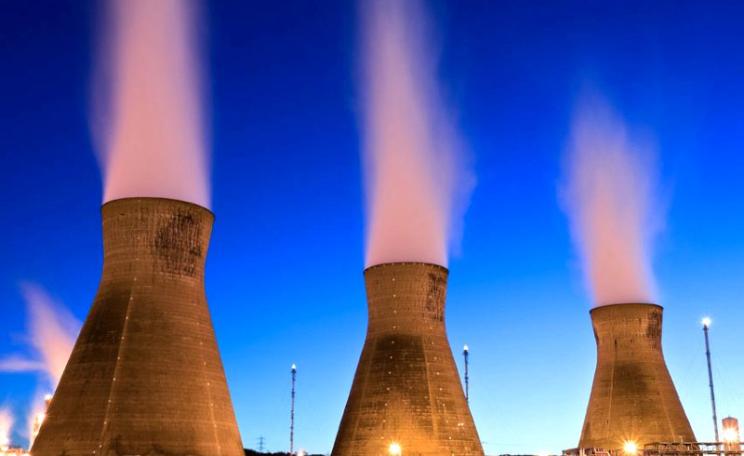
Boeing has just been granted a patent on a design for aircraft powered by nuclear fusion, writes Karl Grossman. What a great idea! Apart from the irradiation of plane and passengers with neutrons and gamma rays, the dangers of radioactive contamination ... and the fact that clean, green solar powered flight is taking off.
Shell's Arctic drilling expedition is literally on the rocks after its icebreaker MSV Fennica suffering a metre-long gash to its hull below the waterline, writes Zachary Davies Boren.
As the EU comes down for neoliberalism, austerity and capital against popular will, Greens and other 'progressives' must consider switching sides in the 'in or out' debate, writes Jenny Jones. A Union that stands for TTIP, corporate empowerment and the trampling of Greek democracy is one we are better off leaving.
Dissent over the massive USA-EU TTIP trade deal is focused on the 'corporate courts' allowing investors to sue national governments, But largely neglected has been the equally serious issue of 'Regulatory Cooperation' - which would impose a huge burden of 'red tape' on EU and US legislatures, while forcing down health, safety, social and environmental standards.
African governments, ignoring the protests of their farmers and civil society, this week agreed an oppressive 'plant variety protection protocol' that will open up their countries to commercial seed monopolists, while limiting farmers rights to save, use, exchange, replant, improve, distribute and sell the seeds they have developed over countless generations.
Research by GM-Free Cymru shows that studies carried out for Monsanto and submitted to the US's Environmental Protection Agency in 1981 provided ample evidence that glyphosate caused cancer and other health problems. But the key documents were classed as 'trade secrets' and never published.
Soon a artificial rhino horn may be on the market that's identical to the real thing down to its DNA, writes Diogo Veríssimo. A boon for rhinoceros conservation? Or an act of biopiracy that will enrich biotech corporations while perpetuating demand for rhino horn and confounding efforts to end its trade?
With the UK's business air travel falling, the Airport Commission says we need a new London runway to make us happy! But all their data really shows is that people who go on holiday lead happier lives than those who don't, writes Chris Goodall, and that people enjoy holidays: a flimsy basis on which to expand airport capacity, and blow the UK's emissions targets out of the water.
This month the UN is meeting to enact binding global rules on the conduct of business and transnational corporations, writes Sam Cossar-Gilbert, reversing the trend for increasing business empowerment in TTP, TTIP and TISA. The new UN Human Rights Treaty aims to provide justice for the victims of corporate criminality anywhere in the world.
California's drought is a harbinger of things to come around the world, writes Maude Barlow. Because of global warming, yes - but also because the Golden State is an exemplar of the 'water as property for corporate profit' neoliberal paradigm that's taking over the world. It's now essential to assert water as a Commons - to be both justly shared, and fiercely protected!
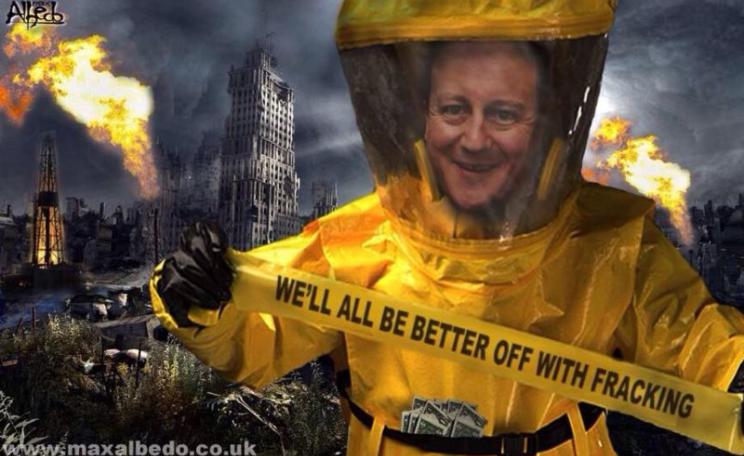
Independent legal advice shows that Lancashire councillors can refuse Cuadrilla's application for planning permission to frack at the Preston New Road site in Lancashire - contrary to advice from the Council's officers.
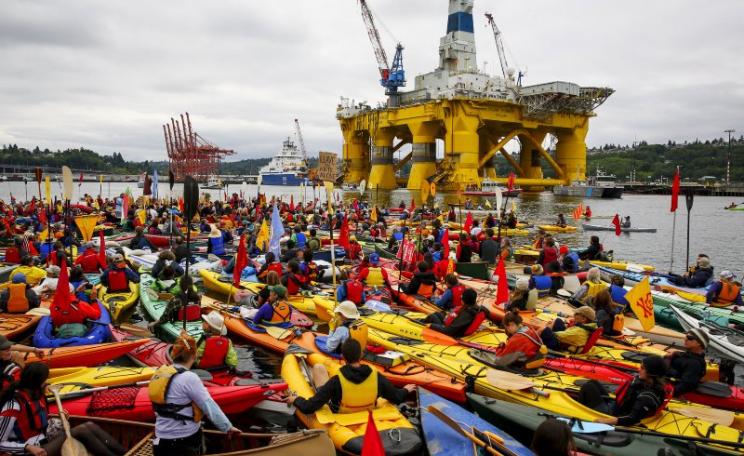
As Shell's Polar Pioneer drilling rig sails from Seattle into the north Pacific, Christine Ottery discovers that US federal regulators had serious concerns about the company's safety equipment designed to contain any oil spill.
A final vote to give President Obama 'fast track' authority to pursue the TTP and TTIP trade negotiations is will take place in the US House of Representatives today, writes Conor J. Lynch. This time, it's final. And yes, it really does matter. A 'yes' vote would represent the greatest corporate power grab of our times - and there's just hours in which to stop it.
A new Trade Secrets law to be voted on next week by the European Parliament threatens a massive clampdown on journalists and whistle-blowers, write Anne Friel & Anaïs Berthier, giving corporations the right to sue those who disclose private information even in the public interest to protect health, safety and environment.
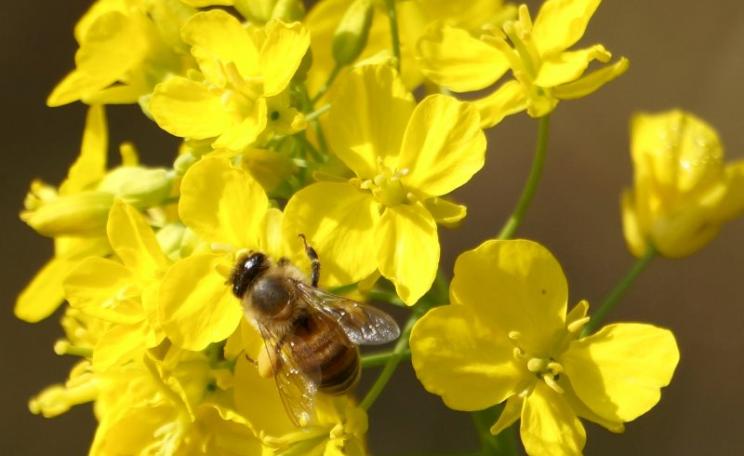
In 2013 the EU imposed a moratorium on three of the most toxic of the neonicotinoid pesticides in an attempt to save wild bee populations. Now farmers have applied to lift the ban, writes Nat Whalley. Time to call on environment secretary Liz Truss, who today receives a 300,000-signature 'save the bees' petition, to say 'No!'
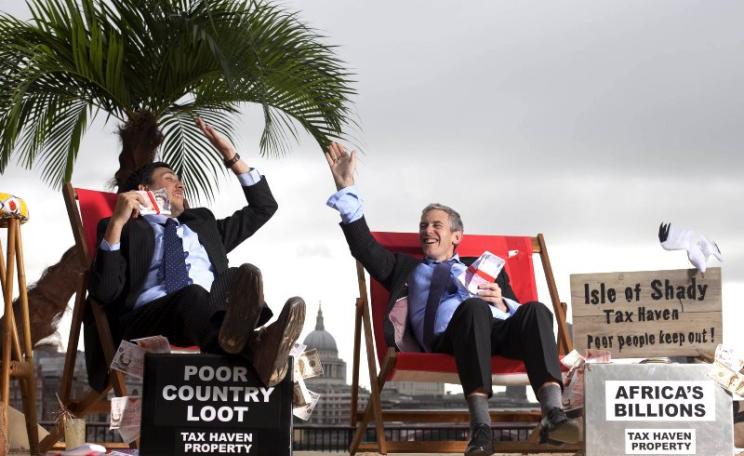
Coroprate tax dodging is costing developing countries $212 billion a year, writes Toby Quantrill, and promised action by the OECD has been a damp squib. Now independent experts have come up with their own answers to the problem - beginning with an end to the 'separate entity' fiction that allows profits to be siphoned to shell companies in zero-tax jurisdictions.
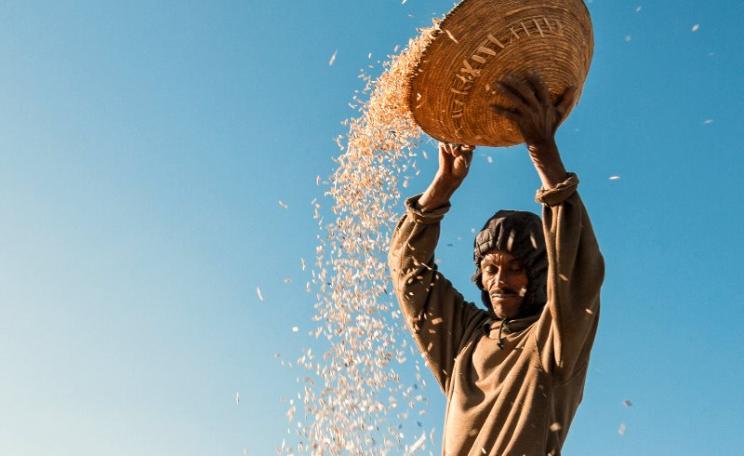
As the G7 leaders prepare to meet in Bavaria this weekend, small-scale farmers from around the world call on them to abandon their disastrous plan for the corporate takeover of global agriculture and the extirpation of small-scale farmers everywhere - those who produce most of the world's food. True food security must be rooted in local control over land, seeds and water.
The Apollo Programme proposed this week to make renewable energy cheaper than coal through technological advances is welcome, writes James Dyke. But the real problems are political, not technological. Unless we back the Apollo vision by challenging the power of fossil fuel companies, it can never succeed.
Lured by promises of aid and investment, African governments are rewriting laws to create lucrative opportunities for corporate agribusiness, writes Chris Walker - while consigning their own farmers to servitude and landlessness. But now farmers are rising up, as in Ghana where a new 'Monsanto law' threatens to end their right to grow, save and share their ancestral seeds.
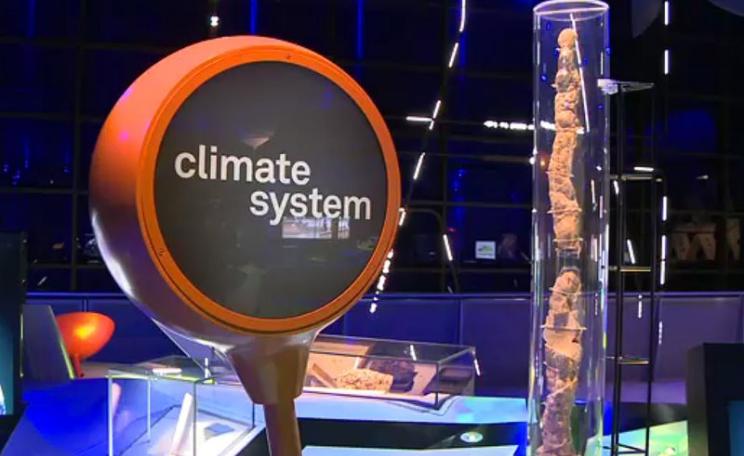
Emails released by the Science Museum show that Shell pressed its case to Museum staff to deny NGOs the opportunity to open up a debate on the company's operations in connection with an exhibition it had sponsored on waste and climate change, writes Terry Macalister.
Shell claims a third party audit into its plans to drill for Arctic oil and gas has found 'no issues of significance', writes Joe Sandler Clarke. But the audit remains under wraps, and may never be released in full. Now Obama pledges his support for the project - just as it turns out that Shell selected the 'independent' auditor.
Shell's senior management are treading an impossible path, writes Steffen Böhm. On the one hand they accept that climate change is real and serious, and that many of their fossil fuel assets may prove unburnable. On the other, they insist that business as usual will continue for decades to come. It's high time they smelt the coffee!
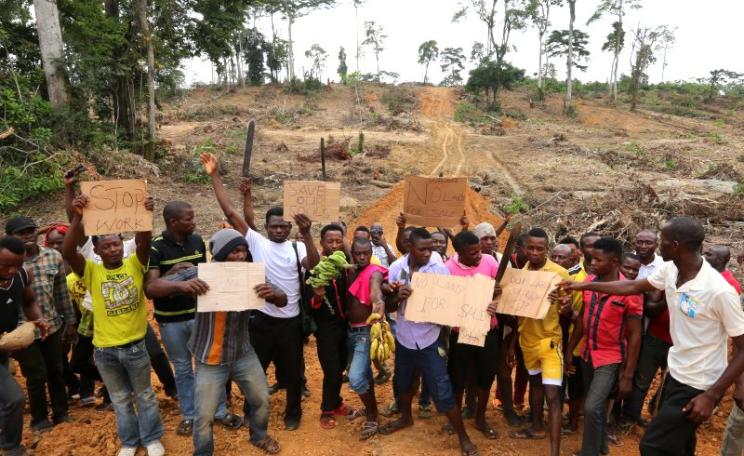
With the deadline due this year for the full implementation of Wilmar's 'No peat, no deforestation, no exploitation' promise, the oil palm giant is keen to push its green image in Europe. But for communities suffering its land grabs in Nigeria, nothing has changed. While Wilmar spins green rhetoric, its bulldozers are still destroying vast swathes of forest and farmland.
A new report from the IMF has quantified the prodigious subsidies doled out to the fossil fuel industries, writes Pete Dolack - an astonishing $5.6 trillion per year, over 7% of world product, including direct payments, tax breaks and unpaid environmental costs. The obscene scale of public largesse proves the need for a social movement to challenge global energy capitalism.