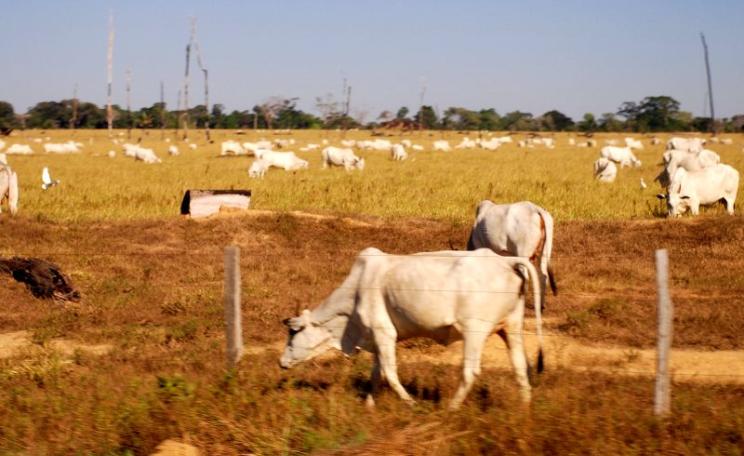
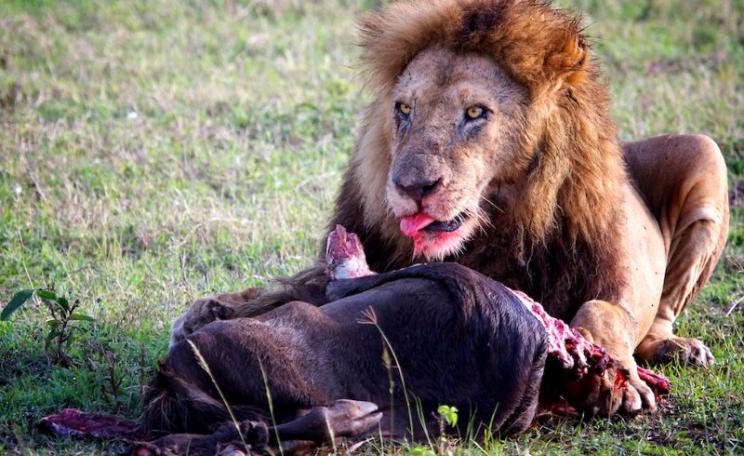
Meat is already a huge contributor to climate change, write Dora Marinova & Talia Raphaely, and as 'atmospheric space' for greenhouse gas emissions contracts, its importance will only increase. The good news? If rich countries were just to eat less of it, there's a huge climate win there for the taking!
The secretary general of the OECD group of the world's 34 richest nations has issued a dramatic plea to its members to act now to end 'unabated coal' burning, writes Alex Kirby, and invest in renewables around the world to prevent climate disaster.
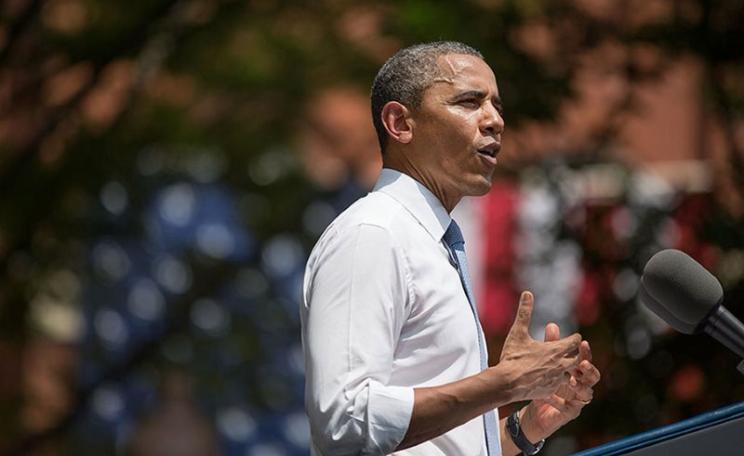
Obama has delighted climate campaigners with this 'clean Power Plan' that will force states to make deep cut in carbon emissions from power stations, writes Dan Roberts. But not everyone is happy, and legal challenges loom.
You might be forgiven for thinking that climate change is all about fossil fuels, writes Chris Lang. But with livestock farming causing around a sixth of global emissions, there's one quick, cheap way to cut our carbon footprints: go vegetarian, or better still, vegan. So what's taking us so long?
The world economy and energy use both grew in 2014 - but carbon emissions did not, writes Alex Kirby. The reason? The worldwide surge in renewables, especially in China, has reduced demand for coal in power generation.
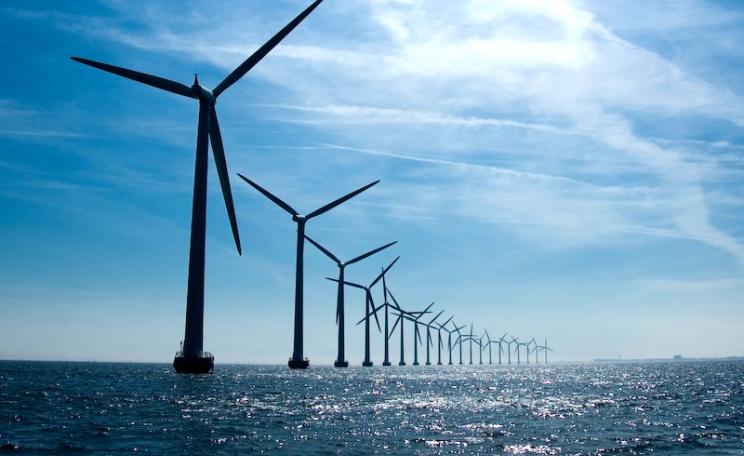
The renewable power boom is excellent news for people and planet, writes Pete Dolack. But let's not get carried away: much energy that claims to be 'renewable; like biomass and big hydro, is no such thing. And greening our energy is just one of many steps to a sustainable world. The greatest challenges - like tackling the monster of infinite 'growth' - all lie ahead.
Arctic warming is releasing ancient organic matter that's been deep-frozen for millennia, writes Tim Radford. And now scientists have discovered its fate: within weeks it's all digested by bacteria and released to the atmosphere as CO2 - with potentially catastrophic impacts on climate.
China has just recorded its first fall in emissions from burning fossil fuels in 15 years, writes Lauri Myllyvirta. The sharp decline has surprised analysts, and reflects the fast growing proportion of renewables in the country's power supply.
Germany cut emissions and boosted renewables to record levels last year, writes Henner Weithöner. Yet the country's coal burn remains the EU's highest - and ambitious emissions targets can only be met by closing coal-burning power stations.
How much of the mainstream media coverage given to COP21 and the Paris Agreement mentioned the mysterious exemption given to the US's massive military and security machine? None, writes Joyce Nelson. Not only are these emissions entirely outside the UNFCCC process, but a 'cone of sillence' somehow prevents them from even forming part of the climate change discourse.
If the world is to hit crucial climate change targets, emissions must reach 'net zero' much sooner than previously thought, by 2055-2070, writes Helle Abelvik-Lawson - and then go into reverse as we pull CO2 out of the atmosphere.
Sunday is Mother's Day, which for many of us, means flowers. But how green are your blooms and can you really get a bunch that doesn’t come with a price for the planet?
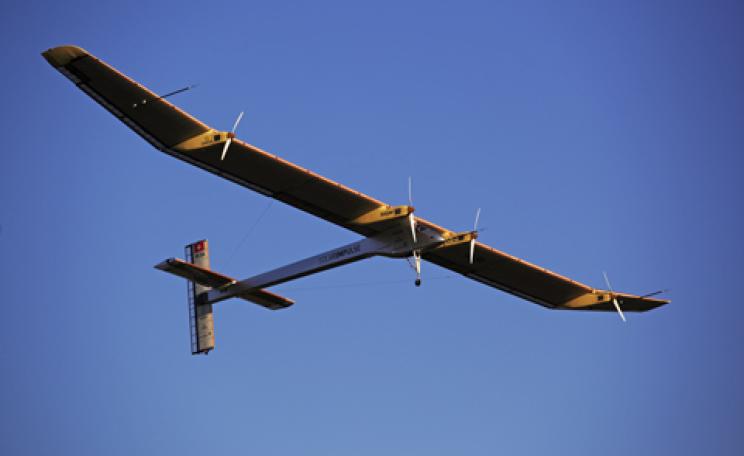
Last Friday saw the successful completion of the world’s first international solar-powered flight. But, asks Valentina Jovanovski, will this innovation really change the face of air travel or is it just another white elephant?
Carbon offsetting isn't perfect but Much Better Adventures’ partnership with environmental charity, the Converging World, has produced an initiative that just might work
The aviation industry has its climate change plans, car manufacturers are working on 'eco' alternatives, and rail is considered top of the class, but what has the transport mode that delivers 90 per cent of goods to the UK done to improve upon its environmental credentials?
Green leader Caroline Lucas will today use a Campaign to Protect Rural England lecture to call for urgent action to resolve conflicting land use issues
Gordon Brown called for an annual fund of £60 billion to help less industrialised countries adapt to climate change as part of a range of Government proposals in the run-up to UN talks in Copenhagen later this year
The Government has backtracked on radical plans for personal carbon trading schemes, reports Jamie Andrews – taking accountability for what we emit is the only way to go.
There is much talk of the possibility of a future ‘hydrogen economy’, which will power all our vehicles and homes. It is important to remember that hydrogen is not an energy source; it is an energy carrier. To obtain hydrogen it must be split from either natural gas or water molecules. The former, most widely used, method not only requires energy but also gives off carbon dioxide (CO2) in the process. Hydrogen produced in this way requires more energy to make than will eventually be returned when it is used. It makes more sense from a climate perspective to burn the natural gas itself than to convert and re-convert it to hydrogen in this way.