Advanced new catalysts are poised to stimulate a clean energy revolution, writes Tim Radford. An organic replacement for the precious metal platinum would allow surplus electricity to be cheaply converted into hydrogen fuel, then burnt in low cost fuel cells to propel 'green' vehicles and generate power on demand.
When Chancellor George Osborne delivers his Budget next month, we can be sure that climate and environment won't take a high priority, writes Alan Simpson. All the more reason for the Labour leadership to develop a new 'one planet' economics for the 21st century that delivers social justice and respects ecological limits.
How to reconcile the Paris Agreement's target to deliver a temperature rise 'well under 2C', with its wholly inadequate mechanisms? Easy, writes Myles Allen: Make fossil fuel producers 'take back' their carbon so as to fit within a global carbon budget. And for fossil fuel producers in the rich world, that means there is no time to lose - specially to meet a 1.5C target.
Campaigners at COP21 in Paris are calling for a new 'upstream' carbon tax to be levied on fossil fuel producers, writes Henner Weithoener, and so send a clear market signal and finance poor countries' compensation for 'loss and damage' caused by climate change.
Levels of CO2 are at their the highest in 800,000 years, writes Tim Radford, but news of a probable decline in emissions this year is providing welcome cheer at the COP21 climate summit: thanks to renewables, economic growth and falling emissions can go hand in hand.
Paris has been awash with hype about 'CO2 recycling' and 'carbon neutral' or even 'carbon negative' technologies based on burning millions of trees, writes Rachel Smolker. But the alchemical notion that waste carbon can be spun into corporate gold is hitting serious reality checks. It's time to ditch the fantasies and progress the real solutions: like caring for land, soils, forests and grasslands.
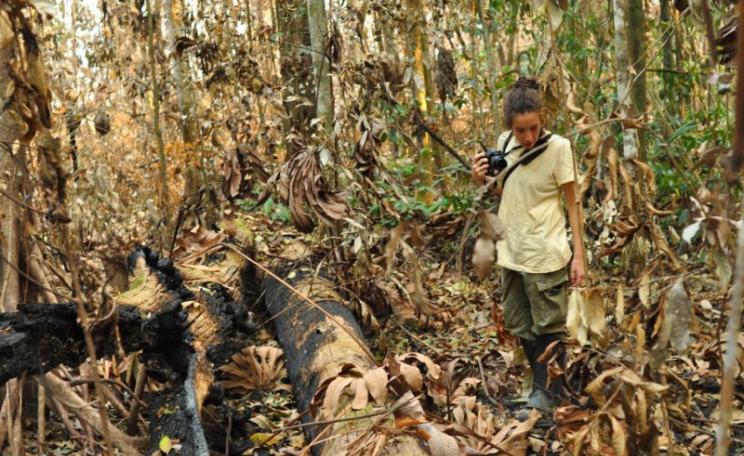
It's not just Indonesia's forests and peatlands that are burning - the Amazon is suffering almost as badly, with over 18,000 fires last month in Brazil alone, write Jos Barlow & Erika Berenguer. The future is looking hot and fiery.
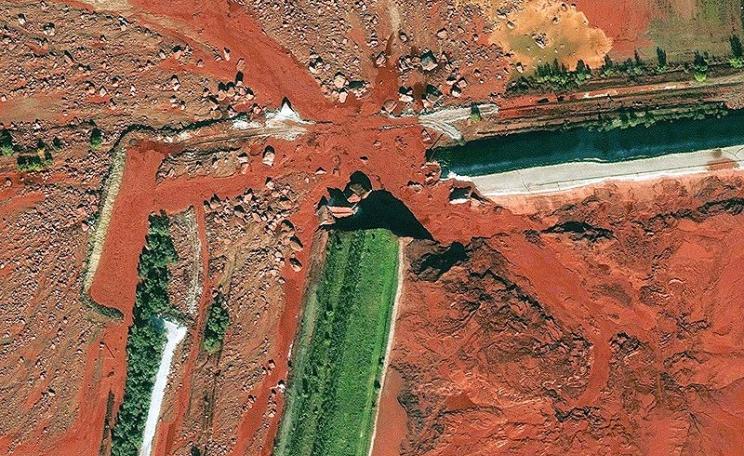
There's a quick climate win for COP21 negotiators to ponder, writes Wilf Lytton - one that could convert a billion tonnes a year of CO2 into mineral form while neutralising caustic wastes like coal ash and slag. But first, industries and regulators must adopt a 'recycling' mentality to these hazardous materials, rather than the 'dump and forget' model that prevails today.
‘Climate Smart Agriculture' can be applied to anything from industrial monocultures to agroecology, writes Helena Paul - and fertiliser, biotech and agribusiness corporations are seizing the chance to cash in. Now COP21 host France is proposing to use soils as a giant carbon sink - a fine idea in itself, but not if it's used to 'offset' continued fossil fuel emissions, and to greenwash industrial agriculture.
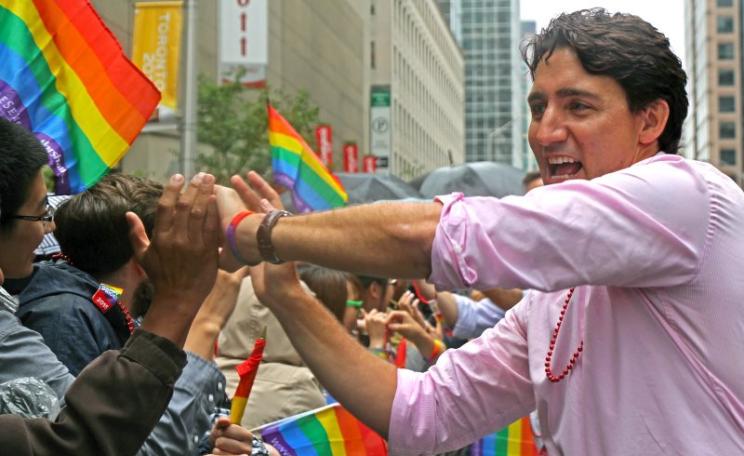
It's all change in Canada with the dramatic ousting of anti-environment Conservative Prime Minister Stephen Harper, writes Carol Linnitt. Under the new Liberal PM Justin Trudeau things are looking a lot better for climate, science, environment, transparency and First Nations. But Canada is still set to go into the Paris climate talks with the same weak level of commitment.
The demand for ever more air travel and new runways comes from a small minority of frequent flyers, writes Keith Taylor - the 15% who take 70% of flights. So we can reduce that demand with a frequent flyer tax - while making it cheaper for ordinary families to enjoy an annual holiday abroad.
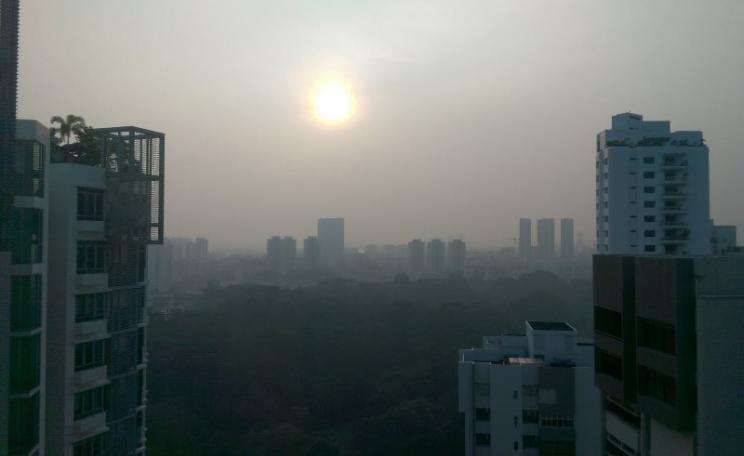
Thanks to massive forest clearance for palm oil plantations combined with drought conditions in this 'El Nino' year, writes Zachary Davies Boren, rainforest and peatland fires across Indonesia are set to emit more carbon than the UK, while covering millions of square kilometres with choking smoke.
VW's pollution cheating has caused thousands of premature deaths, write Mike Berners-Lee & Chris Goodall, creating costs that could destroy the company's entire shareholder equity. But this is no 'Black Swan' event. It is an early example of the existential threat to the fossil fuel economy.
Something scary is lurking in the melting Arctic permafrost, write Tim Radford & Oliver Tickell: 1,700 Gt of carbon. That's 53 years worth of current emissions, and if we let it melt the impact would cost the world $43 tn. Or act now, and we could preserve the Arctic ice for a seventh as much.
The burning forests and peatlands of Indonesia are once again casting a pall of choking smoke across the region, in the process releasing billions of tonnes of carbon. Promises to solve the problems stand betrayed - and COP21 commitments to tackle the problem are being weakened.
Scientists warn that burning up the planet's remaining fossil fuel would cause all Antarctic ice to melt and lead to 58m of sea level rise over 10,000 years, writes Tim Radford. But devastating impacts would strike much sooner, with oceans rising by 3m a century for the next millennium.
A new report on fracking and climate change from the Task Force on Shale gas presents a rosy picture of the fuel's role as a climate-friendly 'bridge' to a renewable energy future, writes Oliver Tickell. But the truth is the precise opposite - it's a climate disaster that will only delay the arrival of clean energy.
Labour's new candidate for London Mayor has taken a firm stand against Heathrow expansion, write Victor Anderson & Rupert Read. But he's all for it at Gatwick - never mind the climate change. For those who oppose new runways on principle, there's only one choice: The Greens' Sian Berry.
'Unbearably tardy' climate negotiations have ended in failure, writes Henner Weithöner. Without even a draft text at this late stage, the chances of a meaningful deal emerging from the crucial UN summit in Paris are looking paper-thin.
Promises made by governments to cut their greenhouse emissions come nowhere near stopping global warming rising above the 2C danger level, writes Alex Kirby. And in many cases the laws and policies needed to deliver them are absent.
Isn't three trillion trees enough to keep our planet healthy? It sounds like a lot, writes James Dyke, but they are under threat as never before, from deliberate deforestation and climate change. Many of the 1.5 billion trees we are losing a year are in the last great rainforests - key ecosystems under threat of drying out forever under our escalating double onslaught.
The loss of Indonesia's coastal mangrove forests for shrimp farming is a huge source of carbon emissions, writes Prodita Sabarini. But equally, a policy flip to preserve and recreate mangroves offers a major climate win.
The climate change discourse rarely looks beyond 2100, writes Pete Dolack. Maybe that's because even at current levels of CO2, we are committed to thousands of years of warming and polar ice melt that will raise sea levels by at least six meters. However the implacable imperatives of capitalism mean there's little prospect of change for a long time to come.
The UK Government has ditched the requirement for new homes to be 'zero carbon' from April 2016, writes Gordon Walker. With builders already geared up to meet the challenge, this needless reversal will raise energy bills and carbon emissions for a century or more to come, and send out all the wrong signals for the Paris climate talks.