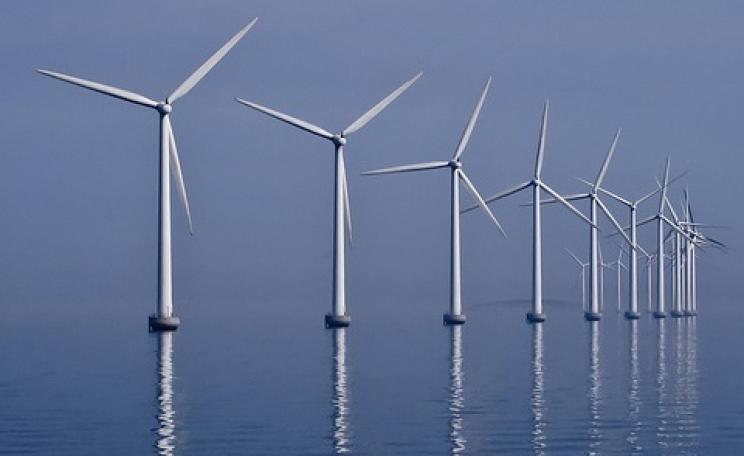
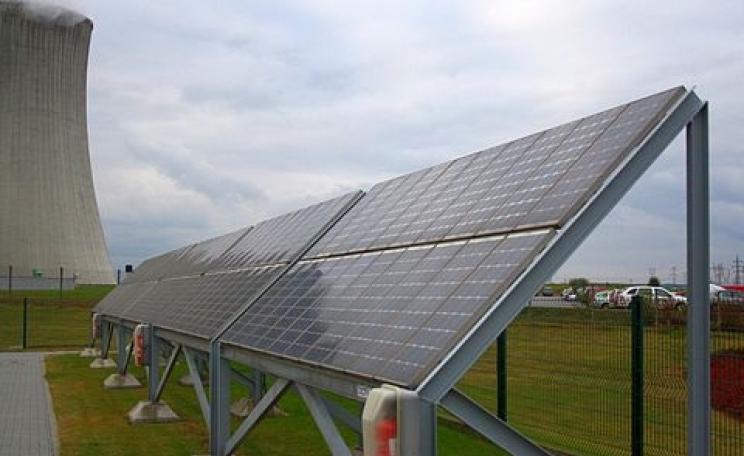
Consumers around the world want their electricity to come from renewable sources, writes Paul Brown. Yet governments from the UK to Australia are defying the popular will as they push for fossil fuels and nuclear power. The good news? Renewable energy is surging ahead regardless.
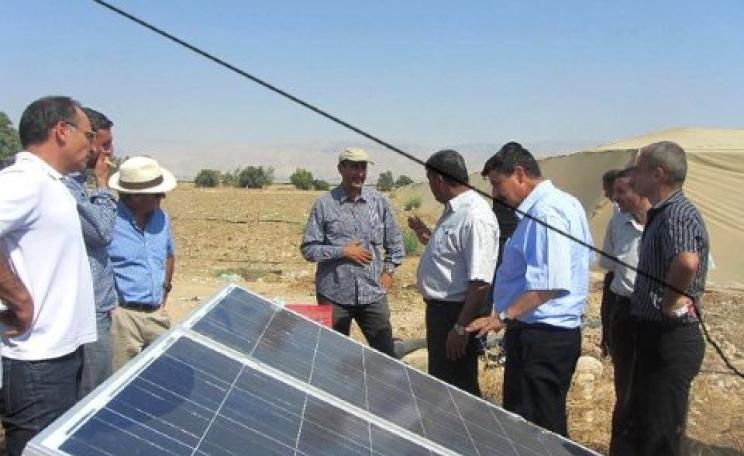
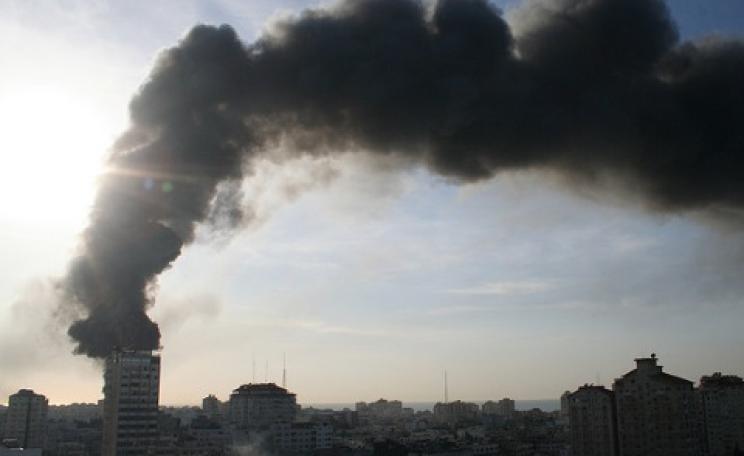
The war in Gaza is over - but with the territory in ruins, it's essential to build a just and durable peace, and restore essential public services: health, water, sewerage and above all electric power. Keith Barnham presents his plan for Gaza, based on a massive deployment of solar and wind power generation.
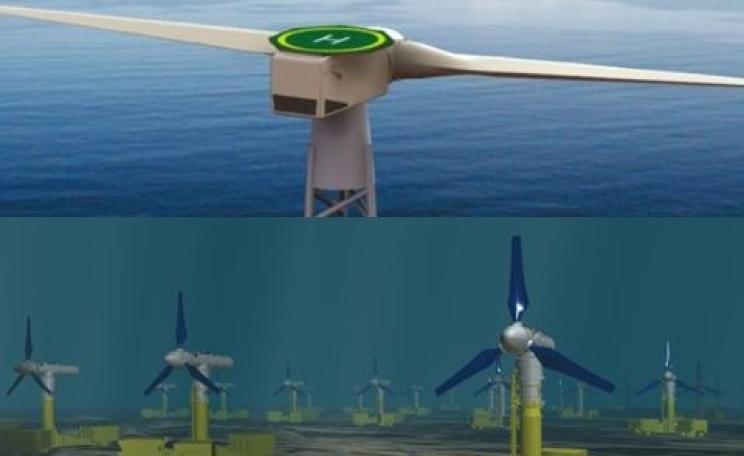
Two innovative renewable energy projects are moving forward in Scotland: Britain's first tidal power array, and the world's first deployment of two-bladed wind offshore turbines. The experimental technologies are hoped to achieve significant cost savings and unlock a huge offshore energy resource.
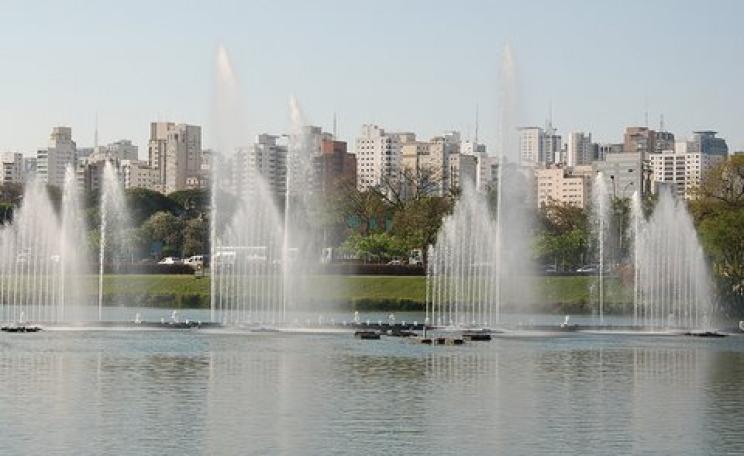
São Paulo, South America's biggest city, is suffering its worst drought in over a century, writes Jan Rocha, with rivers and reservoirs running dry. But the state's politicians are seeking re-election. And for them, it's as if nothing is happening - never mind that water and power cuts affecting millions are looking inevitable.
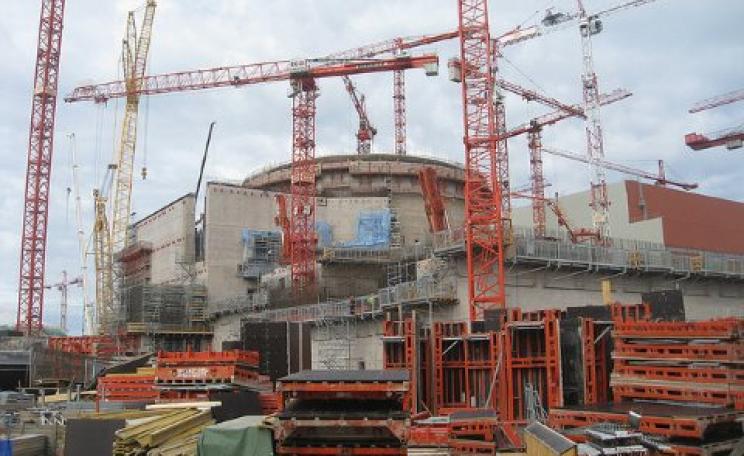
The World Nuclear Industry Status Report provides an account of an industry in decline, writes Jonathon Porritt - with rising operating costs and an ever-shrinking share of world energy production, while the sector loses the race for investment and new generating capacity to fast growing renewable energy technologies.
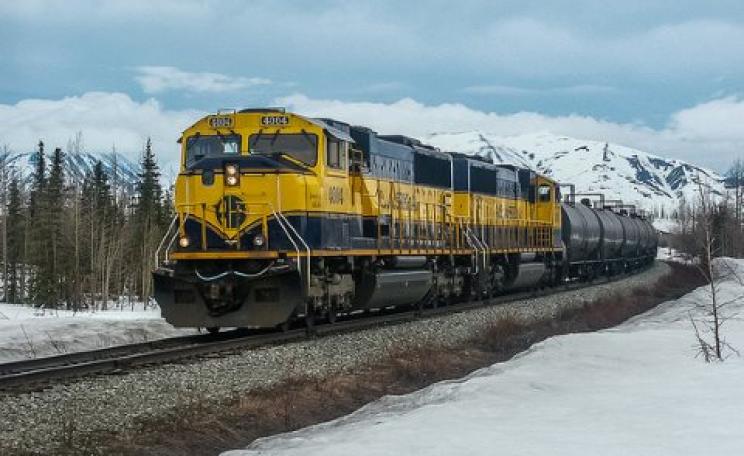
Climate change and tar sands activists opposing Keystone XL need to wake up to a new reality - the pipeline has already been eclipsed by rail transport which is both cheaper and more flexible, writes Justin Mikulka. The expanded production and export of tar sands oil just got a whole lot more likely.
Government energy policy is caught between apparently conflicting objectives, writes Mark Hackett. But there is a solution that is already working in the UK and abroad - to encourage the active participation of local authorities in delivering low carbon energy to the communities they serve.
Russia has announced that it will build the first thermal nuclear power station in Kazakhstan, the world's largest uranium producer, writes Komila Nabiyeva. But where in that vast country will it be located? Who will own and operate it? How many reactors are planned? Who will get the power? And will it ever actually happen?
There is no better time to put the 'green' into building than at the outset of the design phase, writes Ryan Kohn. And to get it there we need to raise awareness of sustainable technologies, and offer incentives, rather than loop-holes, for developers. Buyers too must learn to appreciate the long term value of green ... and demand the highest standards.
Campaigning has never been so easy - sign an Avaaz petition here, send an email there ... and the world is soon put to rights, no? No, writes Paul Mobbs. We must examine the impacts and implications of our e-life, from climate change to corporate dominance, and take control of the technologies we increasingly depend on.
How do we spur more microgrids powered by renewable energy? Deregulate, writes Bill Watkins, ending the monopolies enjoyed by centralized energy companies. The alternative is to keep consumers and micro-generators stuck with the energy equivalent of the 'Princess' phone.
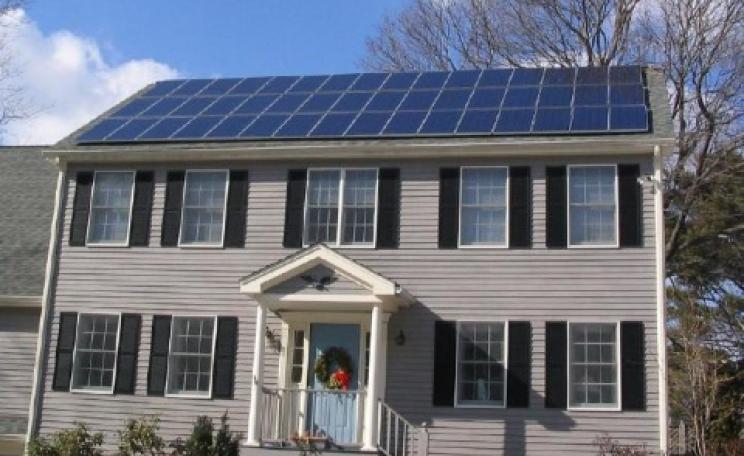
India's economy is hindered by the lack of sustainable and reliable electricity, writes Michael Jacob. But the new government has a plan to bring 24/7 power to every citizen, based on grid renewal, subsidy cuts, and a big rollout of ever-cheaper solar power generation.
Feed-in tariffs are a great way to kick start renewable technologies, writes Chris Goodall. But they suffer from a law of exponentially diminishing returns. It's time for governments to move to direct R&D funding to achieve the transformational changes the world needs.
What's the biggest threat to your life savings you've never heard of? Rebecca O'Connor shows how the world's exposure to unburnable carbon assets, and competition from clean energy technologies, could hammer your savings, pensions and investments.
Plans to crack down on endocrine disruptors and illegal timber were buried by the outgoing President of the European Commission, José Manuel Barroso and his secretary-general Catherine Day - while undermining action on climate, renewables and energy efficiency.
The nuclear industry remains remarkably optimistic about its future, wrties Paul Brown - despite evidence that it is a shrinking source of power as renewables, in particular solar and wind power, compete with increasing success to fill the energy gap.
As the UK's electricity supply margins drop to new lows, the government's punitive approach to renewables will only make matters worse, write Peter Strachan & Alex Russell. Likewise its threats to boycott Scotland's wind power is utterly irrational - we will need it to keep our lights on.
Donors, NGOs and investors want to help grassroots sustainable energy enterprises grow, so they can bring the myriad benefits of clean and affordable energy to many more people, writes Emily Haves. But just what kind of support is needed?
Israel's war on Gaza has seen the systematic and widespread destruction of civilian infrastructure essential for human survival, writes Luisa Gandolfo. This represents an apparently deliberate 'cutting off of life support' to those that survive the bombardment now under way.
The US, long the world's biggest oil consumer, has just surpassed Saudi Arabia to become the world's top oil producer, writes Don Lieber. Oil exports to Europe and Asia will begin shortly. Now what was that Obama said about climate change? Oh, forget it ...
Since the 1980s Cambodia has lost 84% of its primary forests, and the remote Cardamom mountains are the country's last great natural treasure, writes Rod Harbinson. Just the place for grandiose dam projects? 'No way!" say indigenous people and young eco-activists.
How did Germany do it? No, not its World Cup victory - how did Germany engineer Europe's highest penetration of renewable energy, plus fast-dropping electricity prices? Keith Barnham explains - and says the UK could do the same, and better!
Israel desperately covets Gaza's gas as a 'cheap stop-gap' yielding revenues of $6-7 billion a year, writes Nafeez Ahmed. The UK's BG and the US's Noble Energy are lined up to do the dirty work - but first Hamas must be 'uprooted' from Gaza, and Fatah bullied into cutting off its talks with Russia's Gazprom.
A new report names the 30 biggest sources of greenhouse gases in the EU, writes Kieran Cooke. Coal-fired power plants are undermining Europe's long-term targets on emissions reductions - and the UK and Germany lead the list of shame.