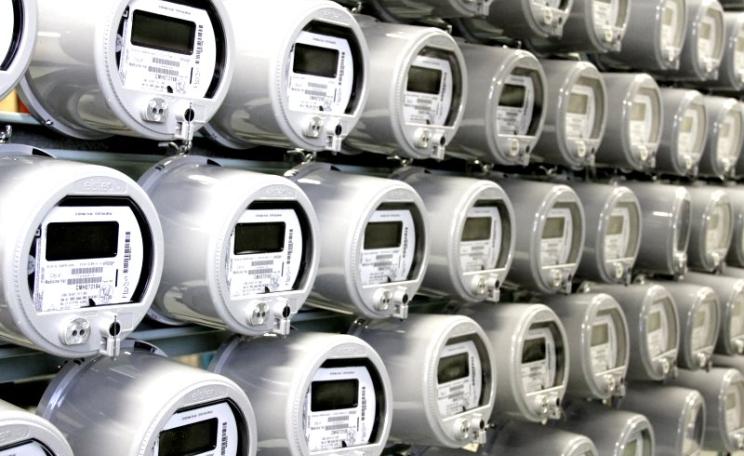
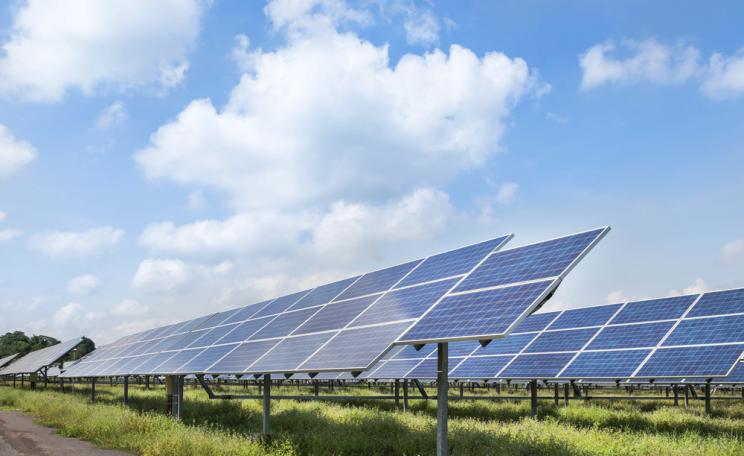
Dynamic power pricing that responds to supply and demand could transform the way we manage our electricity systems, writes Claire Maugham, opening the door to the mass integration of renewables like wind and solar. But smart meters are essential to making that happen.
The UK is placing energy storage at the heart of its new Modern Industrial Strategy, due to its potential to support smart energy systems and the automotive sector. As the energy industry moves away from carbon-heavy production, the twin-approach of renewable energy and storage will be critical for delivering on the demand while securing the future of UK energy, writes IAN LARIVE
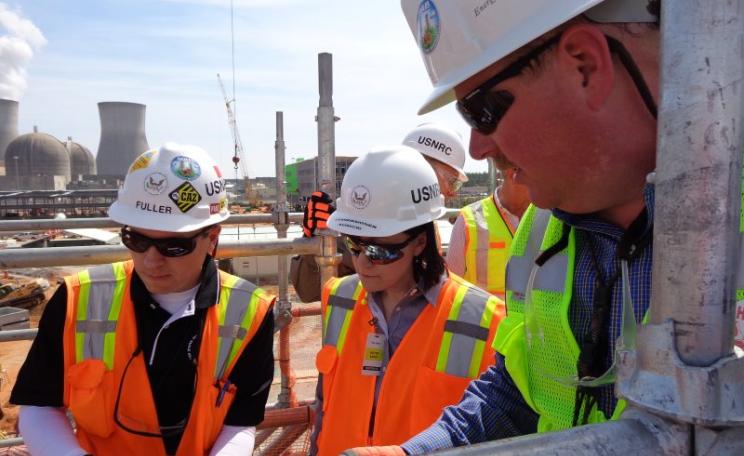
News that one of the world's biggest nuclear power constructors, Westinghouse, has filed for bankruptcy in with debts of over $10 billion has put the entire sector on notice and issued a dire warning to nuclear investors everywhere, writes Jim Green. Among the likely casualties: the UK's Moorside nuclear complex in Cumbria.
In a potentially devastating blow to the Earth's climate, President Trump's new executive order ends the Interior Department's moratorium on coal mining on public land and begins a repeal of the landmark Clean Power Plan, writes Trip Van Noppen. But this reckless move will not pass unchallenged - the Supreme Court has ruled that the EPA must tackle climate pollution, and clean energy policies can still be defended and advanced at state level.
Natural gas is meant to be a far lower carbon fuel than coal, writes Steve Horn. But a new study shows that methane leaks from gas power plants and oil refineries are 20-120 times higher than thought. And with methane a greenhouse gas almost 100 times stronger than CO2 over 20 years, the leaks are equivalent to about a tenth of the US's CO2 emissions.
So-called 'smart meters' are being rolled out across the UK, writes David Toke, but they don't support the dynamic pricing that's essential to expand renewable energy and decarbonise our electricity. It's time for green NGOs to get campaigning - and not leave vital decisions to a hostile government, a failing regulator and industry insiders.
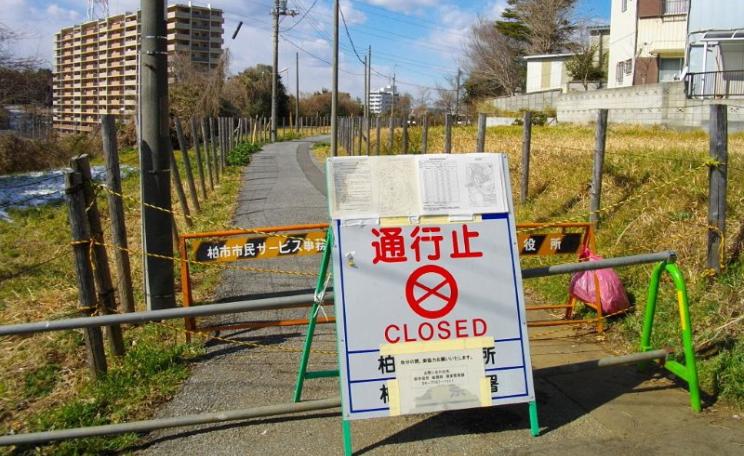
A Japanese court has found the government and Tepco culpable for the Fukushima nuclear disaster for failing to act on clear warnings of the dangers of seismic shocks, writes Shaun Burnie. The ruling is sending a shockwave through Japan's 'nuclear village' and may end all prospects of any mass restart of reactors.
The discovery of a tiny but deadly radioactive 'hot particle' in mud from the Esk estuary near Sellafield has highlighted the dangers the nuclear site poses to residents and visitors, writes Chris Busby. Independent measures of radiation show far higher levels that those of regulators, similar to readings in the Chernobyl and Fukushima exclusion zones. Local villages should be evacuated.
Soon EDF will have to start the biggest, most complex and costliest nuclear decommissioning and radioactive waste management programme on earth, writes Paul Dorfman. But whereas Germany has set aside €38 billion to decommission 17 nuclear reactors, France has set aside only €23 billion to decommission its 58 reactors. When the real costs come in, they could easily bankrupt the company.
With the sixth anniversary of the Fukushima disaster falling tomorrow, nuclear lobbyists are arguing over solutions to the existential crisis facing nuclear power, writes Jim Green. Some favour a multinational consolidation of large conventional reactor designs, while others back technological innovation and 'small modular reactors'. But in truth, both approaches are doomed to failure.
The 2011 Fukushima catastrophe is an ongoing disaster whose end only gets more remote as time passes. The government is desperate to get evacuees back into their homes for the 2020 Tokyo Olympics, but the problems on the ground, and in the breached reactor vessels, are only getting more serious and costly, as unbelievable volumes of radiation contaminate land, air and ocean.
The UK Government is planning a coal-free energy future by 2025, writes Deniz Kemal. But it has failed to take the first step to make it happen: give clear guidance to local planners to block new coal mines on climate change grounds - like one application going to public inquiry this summer for a huge opencast mine on the Northumberland coast.
We must not let President Trump's vocal support for the US fossil economy eclipse the dismal record of his predecessors, writes Radek Stefanski. Under Clinton, Bush and Obama fossil fuels subsidies reached $170 billion per year, pushing up US emissions by some 11% - and that's the real problem we have to solve.
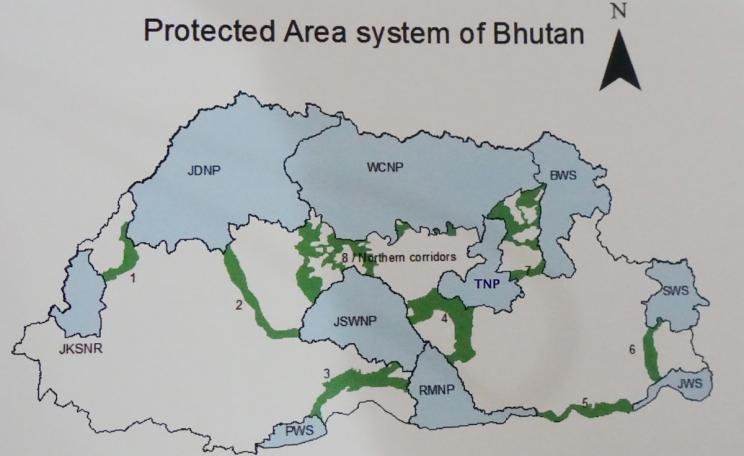
Bhutan is well on its way to becoming the greenest nation on the planet. In his Special Report for the Ecologist, photojournalist MICHAEL BUCKLEY explores the reasons why the country's ecosystems and dazzling biodiversity remain intact - and highlights the one thing that threatens this admirable integrity...
David Cameron's Conservative government did its best to kill off the UK's lowest-cost renewable energy technologies, onshore wind and solar. But in next week's budget, the Chancellor can put that right. Renewables are low carbon, quick to deploy, have low environmental impacts, and enjoy high public support, writes Ervin Bossanyi. It's time to give them a break!
With the world's leading nuclear corporations facing bankruptcy due to ever escalating costs, 'unconstructable' reactor designs and financing risks, there's an easy way to finance the UK's new nuclear power stations, writes David Toke: pin the cost onto taxpayers. As for schools, hospitals, pensions, housing, social care and other public services, who needs 'em?
The UK's inability to import radio-isotopes for cancer therapy is just the latest outcome of the UK's decision to leave EURATOM to hit the headlines, writes Pete Roche. It may also put a brake on the UK's plans to build new nuclear plants, and import and export nuclear fuel and wastes. The UK's exit from the treaty, as a strongly pro-nuclear state, could also mark an EU-wide anti-nuclear swing.
A unique and pristine coral reef in the mouth of the Amazon is threatened by oil drilling planned by oil giants Total and BP, say the scientists who recently explored it. But the oil companies are determined to press ahead despite the risks, writes Lawrence Carter, and Brazil's environment ministry is set to give its approval.
Believers in the possibility of a better civilization, one rooted in increasing co-operation and harmony, find ourselves in a world where demagogues are empowered to bring about the polar opposite, writes Jeremy Leggett. A new despotism rooted in isolationist nationalism and conflict is gaining strength. The battle is not lost: but first we must understand the dangers.
The coal power station at Aberthaw is not just polluting much of South Wales with its filthy emissions. It could also be seriously damaging the health of children in Colombia with coal dust from BHP Billiton's massive Cerrejón coal mine. In this open letter, Luz Ángela Uriana Epiayu implores RWE npower to shut down its stinking, obsolete and illegal power station.
The main company due to build UK's 'flagship' nuclear power project at Moorside in Cumbria is on the ropes, writes Doug Parr, thanks to its multi-billion dollar nuclear losses on in the US. The obvious solution, (almost) all our politicians insist, is to ignore cheaper, faster, cleaner renewables, and make the taxpayer pick up the cost of yet another nuclear white elephant.
A new carbon 'tax and dividend' climate strategy would strengthen our economy, reduce regulation, help working class Americans, shrink government, promote national security, and reduce emissions, write eight senior US conservative politicians, financiers and academics. Now Republican control of all branches of the US government makes it an opportunity not to miss!
Global nuclear power capacity grew slightly in 2016, writes Jim Green, but it was more a dead cat bounce than the promised 'nuclear renaissance'. The collapse of Toshiba, the direct result of its failing nuclear ventures, is indicative of the crisis faced by nuclear contractors and utilities worldwide. Another sign of the industry's poor outlook: no major commodity had a worse 2016 than uranium.
Renewable energy, without doubt, is both driving and shaping the clean global economy of the future, writes Jeremy Leggett. But don't forget its equally essential partner: closing the consumption loop to create a truly circular economy in which there is no longer any such thing as 'waste', only resources we are not yet smart enough to use.