When the UK joined the EU in 1973, it was dubbed the 'dirty man of Europe' thanks to its out of control pollution, writes Craig Bennett. Since then EU laws have forced us to clean up our act. But if we leave, all that may go into the reverse, with terrible impacts on our air, water, health, and wildlife.
A new report from leading physicians published today reveals the excess mortality caused by UK air pollution, writes Vanessa Amaral-Rogers. The Government has already been found in breach of the EU's Air Quality Directive, but its policies remain weak. Will it finally step up to prevent early deaths from this silent killer?
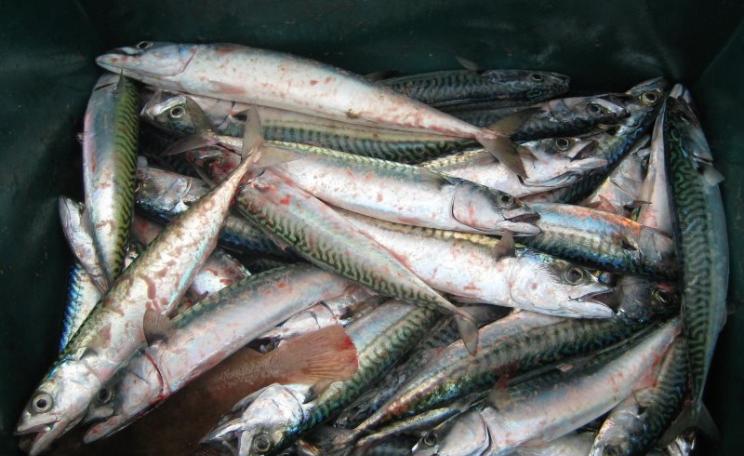
With the EU referendum on the horizon, the Common Fisheries Policy is likely to figure in the debate as an exemplar of EU policy failure, writes Griffin Carpenter. But the much maligned and misunderstood CFP is doing a good job: stocks are recovering, bycatch-dumping is banned, and it may even force the UK to give more quota to small-scale fishers.
The TTIP 'trade agreement between the US and the EU would devastate EU farms as it opens them up to competition from larger, less regulated US operations, writes Dario Sarmadi. This is the conclusion of a new study to be published tomorrow, which also finds that small-scale farmers would be the first to go - with the big winners the large agri-food corporations.
The EU is considering the exclusion of gene-edited plants and animals from GM regulations, write Janet Cotter & Ricarda Steinbrecher. However gene-edited organisms clearly fall within the definition of GMOs in both European and international law. They also present real risks to the environment and human health - and must be regulated like any other GMOs.
TransCanada has just made a big mistake by bringing its $15 billion lawsuit against the US government for refusing the Keystone XL pipeline, writes Sam Cossar-Gilbert. The move has exposed the real nature of 'trade deals' like TTIP and TPP - and why all democrats must rally to defeat them.
Bullfighting may cause suffering to animals, but that does not mean the EU should ban it or withdraw farm subsidies, writes Robin Irvine. Traditional bull-breeding estates are valuable reservoirs of biodiversity in intensively farmed landscapes, and without the bulls there would be nothing to sustain them.
The 'plasticiser' DEHP is known to leach out of plastics and cause fertility problems in male foetuses, writes Tess Crean. That's why it is banned under EU law. But now the Commission looks likely to grant a wide-ranging exemption for PVC recycling which would make the ban redundant. They must be stopped.
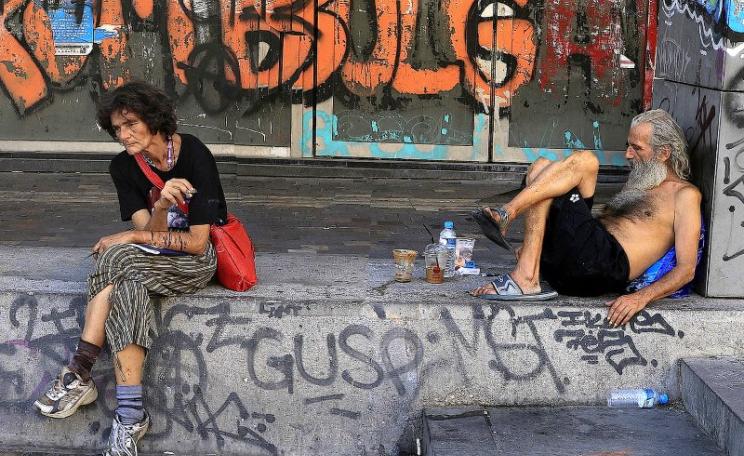
In this new age of austerity money is a perpetual struggle for the public sector and ordinary people, writes Pete Dolack. Yet central banks have squandered trillions to boost profits in the financial sector, reward speculation and push up real estate values. In fact, the world is awash with money as never before - our money. Just don't expect to get your hands on it any time soon.
The impact of the Paris Agreement on leading rating agency Moody's assessment of the world's fossil fuel companies is ... nothing at all. The one change is in Europe, where thermal generators have a worsening outlook, and renewables are 'credit positive'.
How can Green parties acquire real political power? A new book by Per Gahrton, founder of the Swedish Green Party, is much more than a useful reference text on the history of Green Parties around the world, write Bennet Francis and Rupert Read. It's also a valuable manual in realpolitik that resonates here and now in the UK.
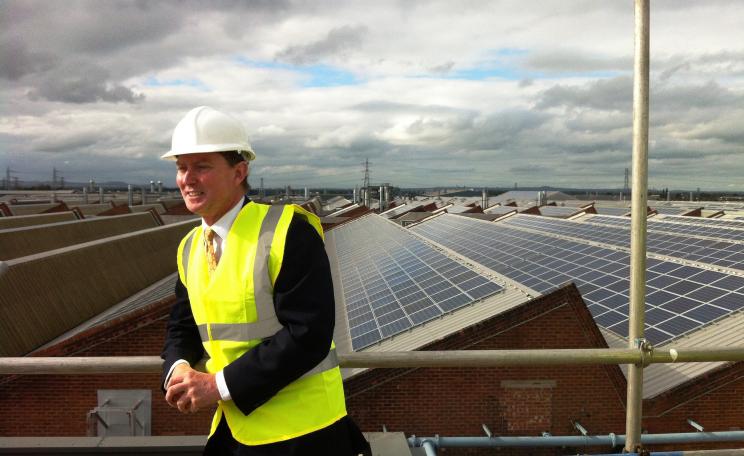
The EU's decision to renew 'punitive' tariffs on imports of PV modules and cells from China will cost the EU's solar installers an extra £700 million, writes Oliver Tickell - just as the UK industry is reeling from 87% government cuts.
The health of Europe's citizens is on trial as the EU's food safety regulator challenges the World Health Organisation over glyphosate and cancer, writes Corporate Europe Observatory. On the WHO side, published, peer reviewed science, real world epidemiology and open processes. While the EFSA conclusion is based on secret industry studies and opaque procedures. Will science or realpolitik win the day?
Little publicised government plans to 'reform' court costs are intended to foreclose access to environmental justice for all but the wealthiest individuals and communities, writes Paul Mobbs. Meanwhile cuts to agencies and regulators will make it ever harder for them to do their jobs - making public participation in environmental protection all the more important.
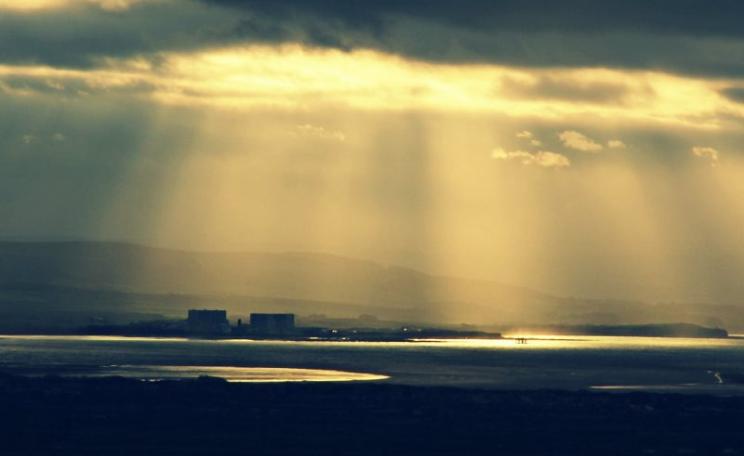
Luxembourg will join Austria's legal challenge to the UK's support package for the Hinkley C nuclear power station. Meanwhile EDF has laid off 65 engineers working on the project in Paris, and the EU Commission has initiated proceedings against Hungary over its Paks II nuclear project with Rosatom.
A new wave of ‘next generation' GM crops resistant to multiple herbicides, may be approved for import into the European Union, writes Helen Wallace, even though the health impact of the herbicide combinations is unknown. Regulators and retailers must refuse to authorise these GMOs or allow their use in any part of the food chain.
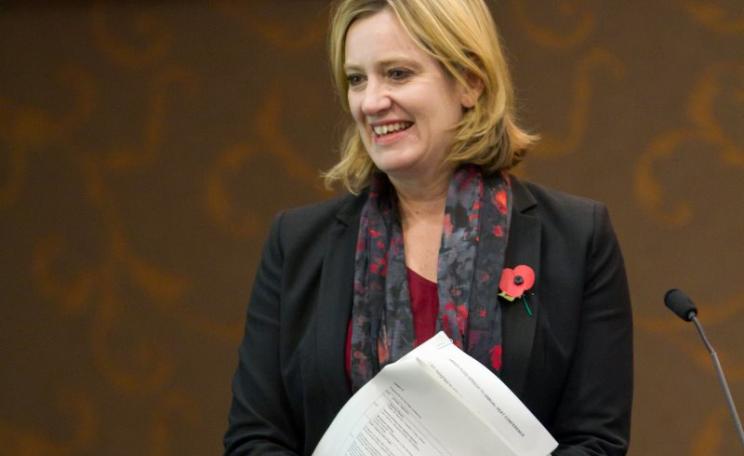
Amber Rudd's speech today exposes her total failure to assemble a coherent energy strategy, writes Oliver Tickell. It reveals the increasingly certain failure to meet EU renewable energy targets, proposes a new tax on wind and solar generation, and leaves the country facing the real prospect of lights going out in the next decade. The one hard policy? To maximise oil and gas recovery.
New reports show the huge potential of renewables in Southern Europe to rekindle prosperity, writes Helle Abelvik-Lawson, using clean, low cost energy from wind, solar and geothermal sources backed up with pumped storage hydro, displacing dirty lignite and oil fired generation.
Europe's top food safety regulator has ruled that the world's top selling herbicide, glyphosate, does not cause cancer - in defiance of the WHO and overwhelming scientific evidence. The decision opens the way for a 10-year EU re-approval next year, before its Chemicals Agency has released its own findings.
A letter from Energy Secretary Amber Rudd leaked to The Ecologist shows that she misled Parliament by promising the UK was 'on course' to deliver on its renewable energy targets - when in fact there is a delivery shortfall in 2020 of almost 25%. Her plan to fill the gap relies on more biofuels, buying in green power and 'credits' from abroad - everything but wind and solar.
The European Food Safety Authority is about to decide on a re-authorisation of glyphosate, a 'probable carcinogen', based on unpublished industry studies. In this Open Letter to the European Commissioner for Health and Food Safety, campaigners call on him to ensure an open, scientifically robust process - and to immediately restrict the herbicide.
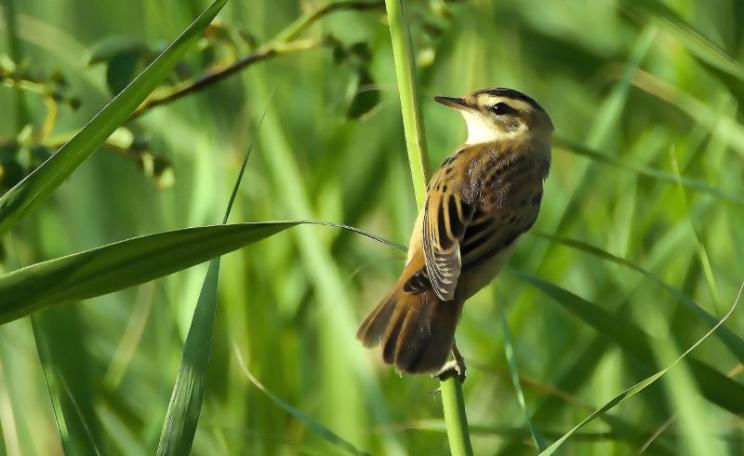
The EU's Nature Directives have been doing a great job of protecting Europe's most threatened species and habitats and building up wildlife numbers, writes Catherine Weller, and the UK knows it. But now it's the Directives themselves that are under threat. Other EU countries are standing up for them - but not the UK.
Greece is Europe's sandbox for the neoliberal free-for-all to follow if the EU and the US sign off on the TTIP trade and investment treaty, writes Pavlos Georgiadis. The termination of public services, the cut-price sell-off of public assets, the dismantling of environmental protection, the democratic closedown, the rule of corporations and finance capital ... all coming your way soon.
On the first anniversary of the UK's National Pollinator Strategy, writes Sandra Bell, the Bee Coalition warns that bees are still under threat from highly toxic pesticides, continuing loss of habitat, and an increasingly inhospitable countryside. The Government must do more to protect our bees.