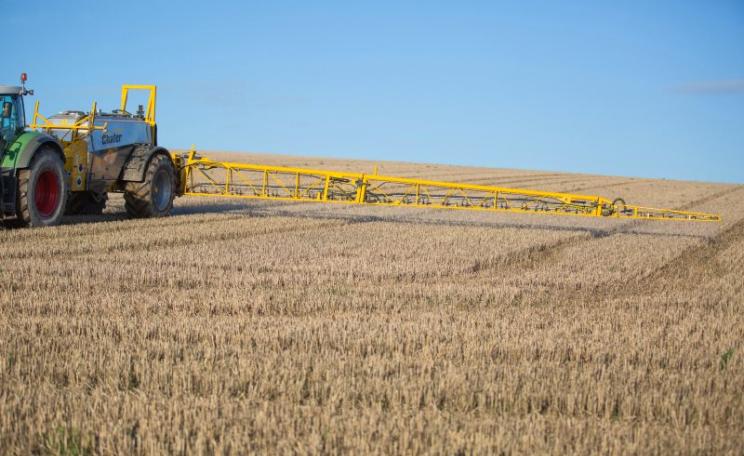
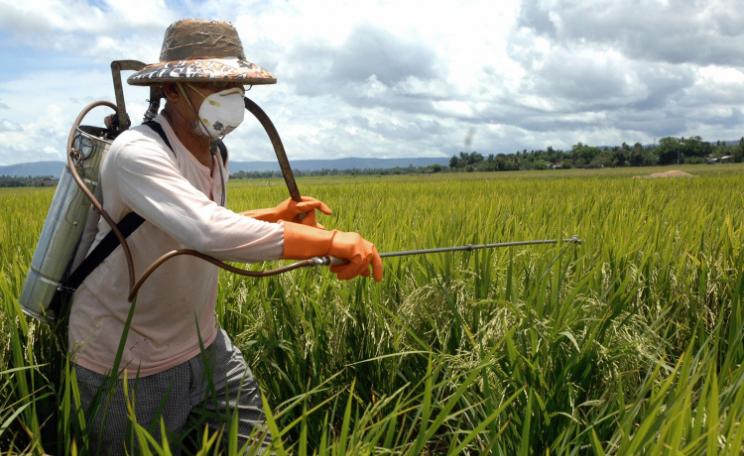
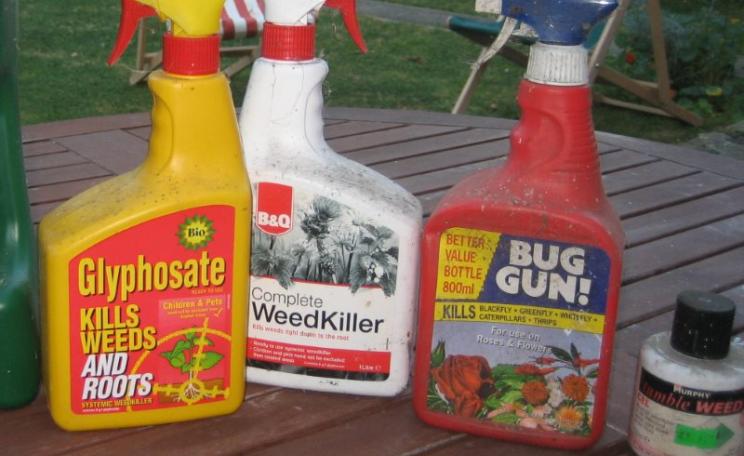
A new study shows that 99.6% of Germans are contaminated with the herbicide glyphosate, writes Nicole Sagener. The news comes as the EU puts off a crucial decision on whether to re-authorise the chemical, described by IARC as 'probably carcinogenic', until 2031.
After ten massive renewable energy cuts that are leaving the UK falling well short of EU renewable energy targets, an eleventh! The axe is now falling on solar heating, writes Oliver Tickell - even though it's meant to be at the core of the government's renewable energy strategy.
The small country of Denmark is making a big commitment to renewables, aiming to be fossil-fuel free by 2050, writes Laurie Guevara-Stone. A large expansion of mainly offshore wind power features large, along with moves to a 'smart grid', high vehicle taxes and energy conservation initiatives. Denmark is well on its way to becoming the energy leader of the EU.
Next week, EU governments will vote on whether to re-authorise the weedkiller glyphosate, judged by IARC to be a probable human carcinogen, writes Molly Scott Cato. The disgraceful shenanigans of the Commission and the European Food Safety Agency to date provide a clear example of the EU and member states conspiring with corporations, against citizens.
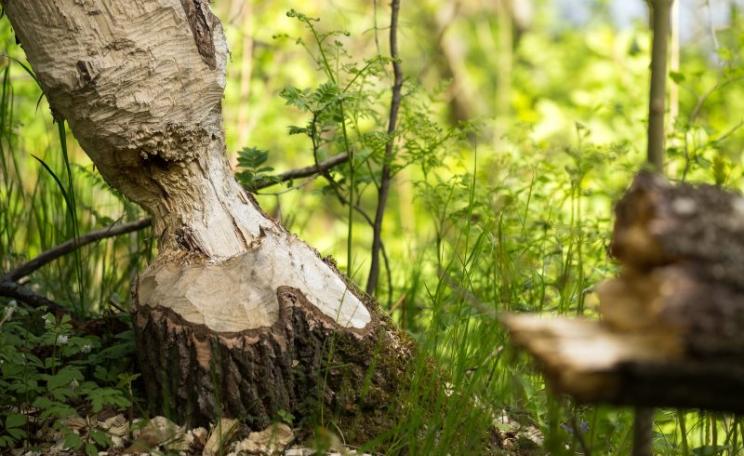
Beavers are Britain's native aquatic engineers and their return to sites in Scotland and England is doing wonders for the local environment, write Nigel Willby & Alan Law: restoring wetlands, recreating natural river dynamics and ecology, filtering farm pollutants from water, and improving habitat for trout and other fish.
The European Commission is poised to renew the licence for glyphosate - the herbicide last year deemed ‘probably carcinogenic' by the WHO - for another 15 years. The decision follows from EFSA's contrary finding, based on secret, non peer-reviewed, industry-funded studies.
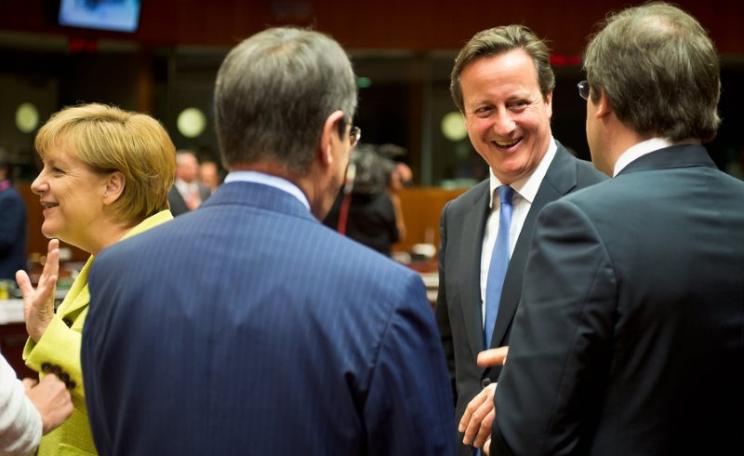
Europe's economic crisis has offered vast business opportunities to an all-powerful nexus of financial interests that have snapped up valuable state assets at bargain basement prices, defrauding the poorest countries of countless billions of euros, write Sol Trumbo & Nick Buxton. The EU's highest institutions are in the grip of a deep, systemic corruption that knows no boundaries.
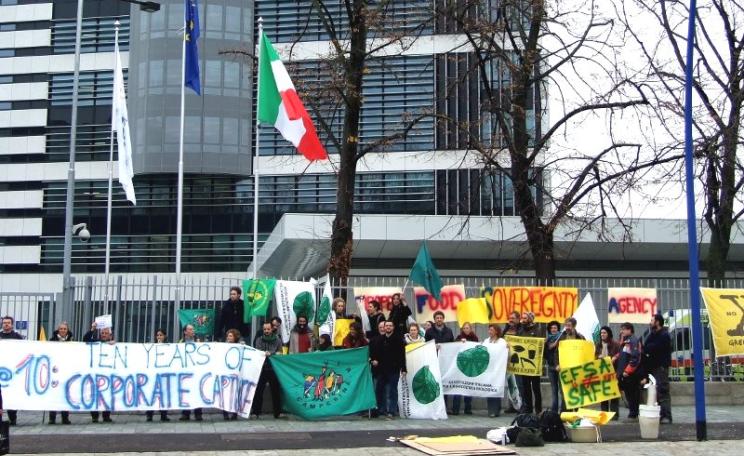
The chemical industry and the European Food Safety Authority are refusing to disclose key scientific evidence about glyphosate's risks, citing 'trade secrets' protection, writes Corporate Europe Observatory. They must be compelled to publish the 'mysterious three' scientific studies EFSA used to assess glyphosate as 'unlikely' to cause cancer to humans - contradicting the IARC's view.
The European Commission was guilty of maladministration and acted unlawfully in approving pesticides for which there was insufficient safety data, the EU Ombudsman has ruled. It must now reform its practices, writes Vanessa Amaral-Rogers, or face legal action.
As the twelfth round of negotiations over the EU-US TTIP mega-trade deal begins in Brussels today, the chances of a treaty being concluded are looking weaker than ever, writes Guy Taylor. Time is running out, complex legal issues are crowding in, and most important of all, public opinion on both sides of the Atlantic is turning against the massive 'bill of corporate rights' that TTIP represents.
EU and US resume their negotiations next week over the TTIP trade and investment deal. But deep rifts have emerged over the corporate courts in which investors can sue governments for any actions that reduce their profits. Meanwhile MPs are seething over their restricted access to draft texts and negotiating documents.
Poland's environment ministry has a plan for a huge increase in logging in Europe's last great primeval forest, writes Zachary Davies Boren. Officials claim it's to control bark beetles. But ecologists say the insects are regulated naturally within the forest ecosystem, while logging threatens huge damage to irreplaceable biodiversity.
The increasingly militant protests by dairy farmers against low prices forced on them by the corporate 'free market' represent serious and effective resistance against the 'free trade' agenda being forced on the world by neoliberal governments, writes David Miller. They are the first steps to building a new global food system that respects food, people, culture and environment.
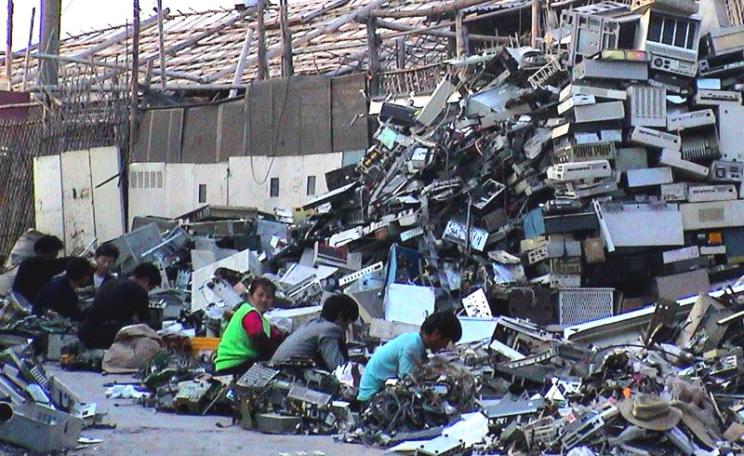
Our thirst for the latest gadgets has created a vast empire of electronic waste, writes Ian Williams. The EU alone produces some 9 million tonnes of it a year, of which some 70% is still working when disposed of, and over a third is disposed of illegally. With increasingly affordable electronic devices available to ever more people, it's high time for effective global regulation.
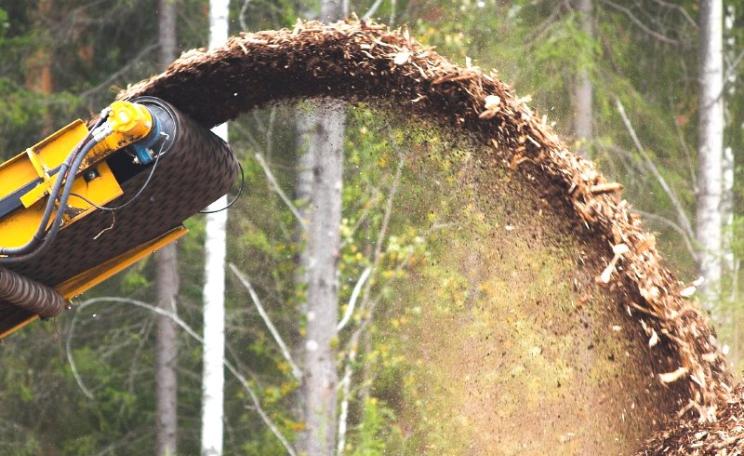
We, the signatories of this declaration, are calling on the European Union (EU) to exclude bioenergy from its next Renewable Energy Directive (RED), and thereby stop direct and indirect subsidies for renewable energy from biofuels and wood-burning.
A British exit from the EU wouldn't liberate us from the extreme neoliberalism epitomised by TTIP, writes Caroline Lucas. On the contrary, UK governments have been the strongest drivers of the EU's 'free trade', pro-corporate agenda. Despite all the EU's faults - and they are many - it is protecting us from much, much worse.
Agriculture is big business and with the EU pumping money at the sector, the corporate profiteers are holding all the aces, writes Chris Lang. The documentary ‘Land Grabbing’ investigates what happens when well-financed agro-investors take over rural communities' land and water.
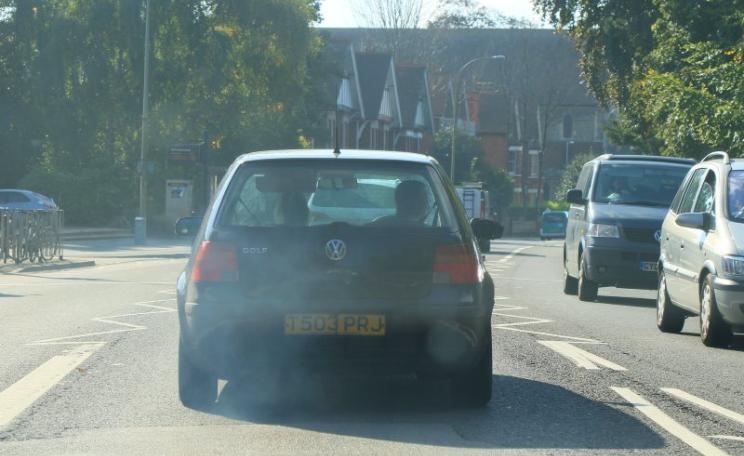
Right wing MEPs in the European Parliament including UK conservatives today voted car makers a 'get out of jail free' card over air pollution that's killing tens of thousands of citizens a year, allowing their vehicles to emit double the legal limit for nitrogen oxides.
Germany's association of judges and magistrates has condemned the EU's plan to create a special court for investors and corporations to sue national governments, writes Nick Dearden. The proposed new court would: have no legal basis; supplant the sovereignty of member states; and usurp the role of national courts. The chances of TTIP and CETA ever being agreed just took a big step back.
Air pollution from vehicles is killing tens of thousands of people every year in the UK alone, write Jean Lambert, Molly Scott Cato & Keith Taylor, an outrage set into stark focus by VW's 'test cheating'. The EU's response? To relax tests and allow cars to be more polluting - with the full support of the UK government.
Biotech corporations have invested billions in a range of new 'GM 2.0' technologies designed to redesign the world's germplasm and create new generations of super-GMOs, writes Nina Holland. And powerful investors have no intention of letting tedious EU regulations get in the way of the profits they are now poised to reap - no matter what the laws actually say.
The European Commission must not re-approve the 'probably carcinogenic' weedkiller glyphosate so long as its assessment is based on secret industry studies, actual products are not investigated, and in the absence of scientific criteria for endocrine disruption, write 66 MEPs in this Open Letter to Commissioner Andriukaitis, in charge of health and food safety.
The last 30 years of European summers have been the hottest in thousands of years, writes Alex Kirby, and we had better start getting used to it - most of all in the Mediterranean and the Arctic, where a 1.5C global temperature rise could be amplified to 3.4C and 6C respectively.
Anti-EU sentiment and climate change denialism go hand in hand, writes Kyla Mandel. But why? Partly it's down to a belief in unconstrained national sovereignty and economic freedom - threatened by the EU and climate change alike. But it's also because out of the EU, the UK could advance the anti-environment agenda the deniers so passionately believe in, with no one to get in the way.