Britain's bees are under threat from Brexit and moves to allow farmers to use banned bee-harming 'neonictinoid' pesticides, warns Dave Timms, Bees Campaigner with Friends of the Earth. With 20 species extinct since 1900 and a further 35 under threat, how much more can our bees take?
Over 300 major food companies used to buy palm oil from IOI, writes Annisa Rahmawati. But after the company was found to be destroying vast areas of Indonesia's rainforest and draining peatlands to make new palm oil plantations, it has been deserted by its customers. Now IOI must go beyond just sticking to the rules, and start actively repairing the damage it has caused.
The European Parliament has had a great week, writes Molly Scott Cato MEP - for those who oppose GMOs in food and farming. MEPs voted on five occasions to say no to GMOs, and gave their support to agroecology as the only sustainable way to feed the world.
The European Parliament today called on the Commission and member states like the UK to stop funding the 'New Alliance' plan to force export-oriented agribusiness onto Africa. Instead they want support for small-scale family farms and agroecology.
Britain's soils are in a bad way, writes John Quinton, and the government is doing little to help - indeed its policies are making the problems worse. So concludes yesterday's Environment Audit Committee report on soil health. But are ministers bothered?
Celebrities have a unique ability to engage people in environmental campaigns, writes Pat Thomas. Neil Young is a case in point: his latest album, The Monsanto Years, conveys an eloquent message of the dangers of GMOs and corporate power, and his upcoming European tour offers green campaigners a unique opportunity to engage a broader public in the fight for a green future.
The Royal Society has form on GM crops, writes the Soil Association - consistently Gung-ho! for the last 20 years, while refusing to engage with critics of the technology or even accept the existence of any problems. Its latest effort represents more of the same, while exposing this once August body to ridicule for its egregious scientific howlers.
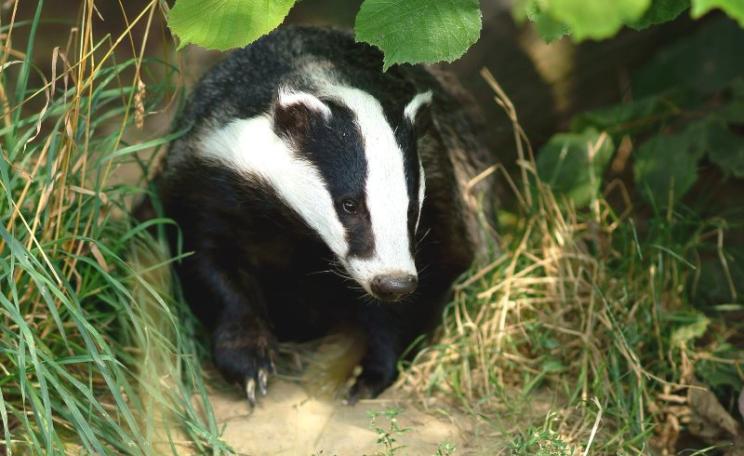
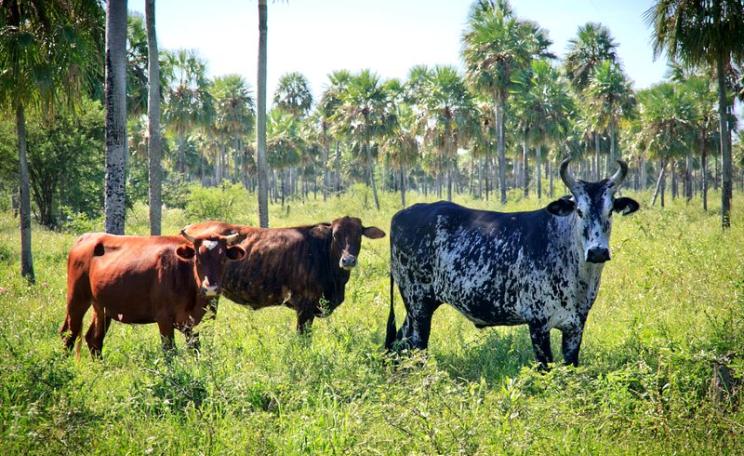
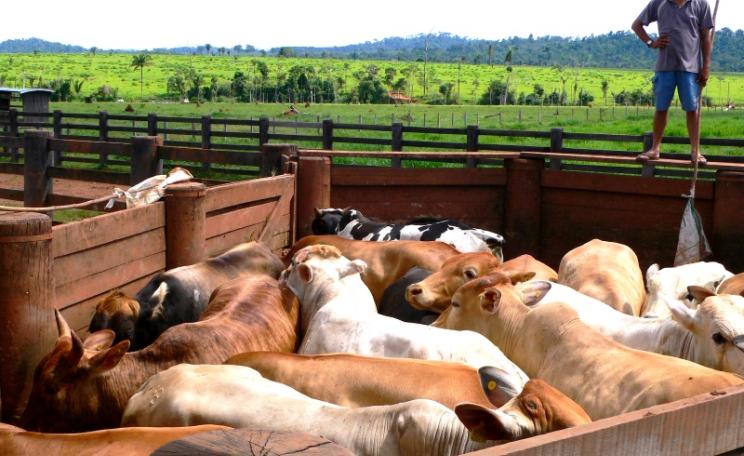
The lives of all the thousands of badgers slaughtered in the name of TB eradication have been lost in vain, writes Martin Hancox. The cryptic reservoir of bovine TB is the cattle themselves, and no amount of badger killing will make the slightest difference to the problem. Once we have grasped this reality the solution is astonishingly simple: improved TB testing that picks up all infected cattle.
The closing down of a community radio station in eastern Paraguay is the latest example of political repression in the country with the most unequal land distribution in Latin America, writes Toby Hill, and in which the media are dominated by a tiny elite of the super-rich. As small farmers begin to reclaim the land that is rightfully theirs, landowners and the state they control are striking back.
Those opposed to the mass release of GM crops and foods inadequately tested for health and ecological safety are routinely accused of being anti-science, writes Elizabeth Henderson. But it's the GM corporations and their academic allies that are suppressing scientific research, and organic farmers that are building alliances with independent scientists for a future of safe, healthy food.
Slavery is a terrible thing for the world's estimated 36 million slaves, writes Kevin Bales. But it's also an environmental disaster. Many slaves are forced to work in destructive activities like clearing forests for mines, farms and plantations - making slave labour the world's third biggest 'country' in terms of CO2 emissions. It really is time to end slavery!
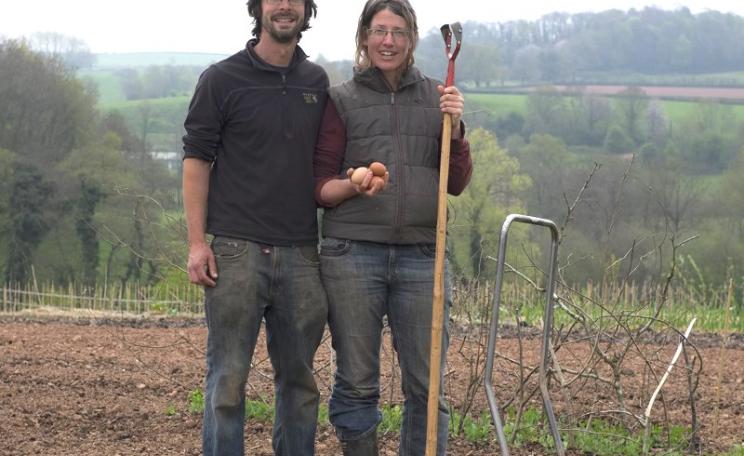
For most of 2015 Walter Lewis travelled around England and Wales meeting and photographing people producing food outside the confines of mainstream agriculture - working out of a passion for the earth and the Earth rather than for commercial gain. He completed his exploration inspired, and determined to spread word of quiet revolution under way across the fields of Britain.
The remarkable Leuser ecosystem in Aceh, Sumatra, has faced massive destruction over recent years with rice farms, palm oil, roads and mines, writes Bill Laurance. But that's all set to end with a moratorium on forest clearance that's supported at the highest levels of government, both state and national. This is definitely news to celebrate! But we must also maintain our vigilance.
The EPA's release of an internal memorandum last month showing the increasing use of the cancer-linked weedkiller glyphosate looked like a welcome opening up of information to the public, writes Carey Gillam. But then it was suddenly withdrawn, along with other related documents - though not before she grabbed her copy and reviewed the scale and scope of glyphosate usage.
The corporate war on traditional farming is nowhere fiercer than in India, writes Colin Todhunter. After decades of the 'Green Revolution' that have impoverished the nation's soils, water, biodiversity and cultivators alike, agribusiness is poised for its final strike. But now the small scale farmers who produce most of the country's food are rediscovering ancient agroecological alternatives.
The British establishment does nothing quite so well as lies, cover-ups and high-level corruption, writes Georgina Downs - whether it's the Hillsborough disaster or permitting polluters to poison us. Georgina won her own High Court legal victory protecting rural residents from pesticide exposure as long ago as 2008 - only to have it snatched away as Court of Appeal judges closed ranks.
Madagascar's unique Spiny Forest, a stronghold for the island's lemurs, is fast being felled for charcoal, writes Charlie Gardner - and it's a knock-on impact of the increasingly unpredictable climate and sparse rains that are forcing farmers from the land. To create a 'safety net' for the forest, first safety nets must be put in place to protect displaced farmers, fishers and pastoralists.
Since 1948 Jordan has taken in millions of refugees from Palestine, Iraq and most recently Syria, writes Doug Weir. Politically and economically the country has proved astonishingly resilient - but the population increase has caused huge damage to its fragile environment. Ecological degradation, pollution and resource scarcity may cause political instability unless more is done to tackle the problems.
How do you solve a problem like deforestation? By a change of diet, writes Laura Kehoe. Scientists have discovered that we can feed the world and stop destroying forests by eating less meat. If we all went vegetarian that would reduce deforestation by 94%. And if we went the whole way to veganism enough land would be freed up for a new forest the size of the Amazon, and allow a widespread shift to organic farming systems.
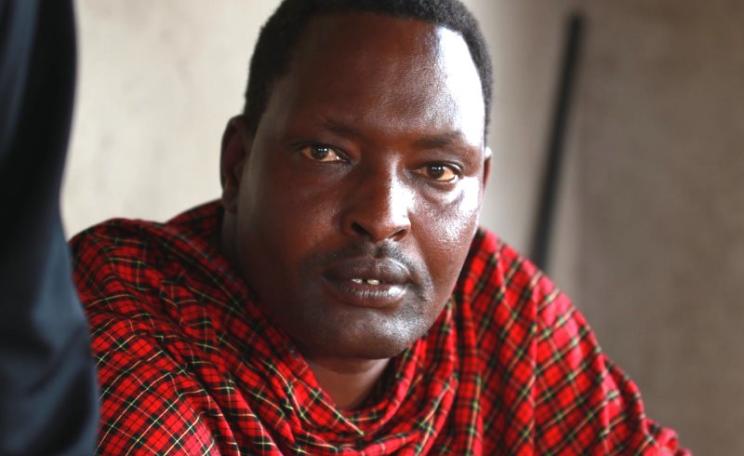
Commuting between land rights negotiations in the city and herding goats on the plains, Edward Loure is at once a traditional Maasai and a modern urbanite, writes Sophie Morlin-Yron. That ability to straddle the two very different worlds he inhabits has been key to his success at having 200,000 acres of land registered into village and community ownership - and his own 2016 Goldman Prize.
What's the point of farming? To produce an abundance of wholesome food, writes Colin Tudge, while supporting a flourishing rural economy and a sustainable, biodiverse countryside. Yet the powers that be, determined to advance industrial agriculture at all costs, are achieving the precise opposite. It's time for a revolution in our food and farming culture, led by the people at large.
The European Parliament just voted to re-authorise glyphosate, writes Peter Melchett - but with significant restrictions on its use. So what does the vote mean for the world's biggest selling herbicide? And how come the UK's National Farmers' Union welcomed the decision as an unqualified victory?
The 'cancer industry', including charities with close links to chemicals corporations, is always keen to blame cancer victims for their morally deficient lifestyles, writes Colin Todhunter. But the real fault lies with the commercial interests touting bad food, nutritionally unbalanced and laced with toxic agrochemicals - like the ubiquitous glyphosate - and their residues.
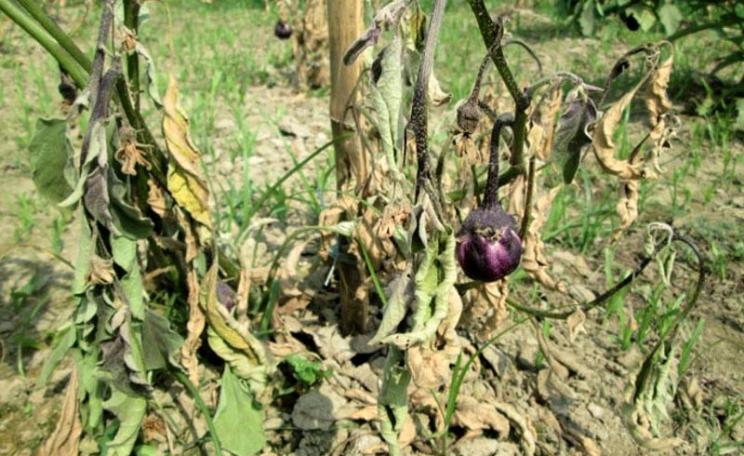
There's absolutely no evidence for BBC Panorama's claim of 90% success for Bt brinjal in Bangladesh, writes Claire Robinson. But that has not stopped the BBC Trust from dismissing all complaints against its monstrously dishonest report. Nor has it diminished the jubilation of GMO cheerleaders.