Australian educator, author and co-inventor of Permaculture, Bruce Charles 'Bill' Mollison, died on the 24 September 2016 in Sisters Creek, Tasmania. He has been praised across the world for his visionary work, and left behind a global network of 'peaceful warriors' in over 100 countries working tirelessly to fulfill his ambition to build harmony between humanity and Mother Earth.
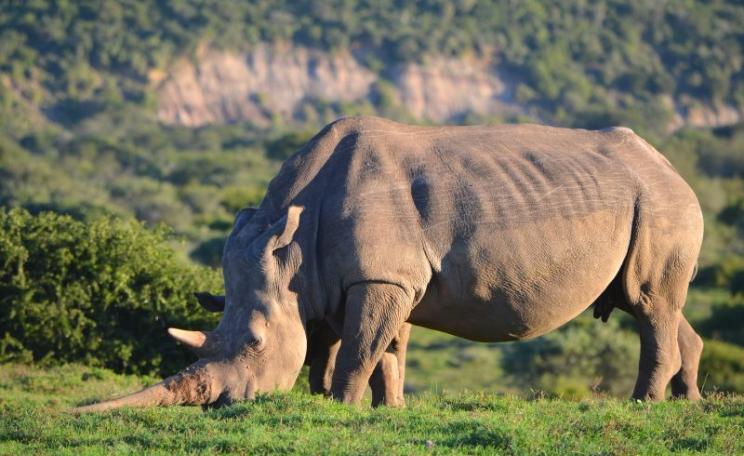
The trade ban on rhino horn is not working, writes Keith Somerville. But non-lethally and sustainably harvested rhino horn can earn income to encourage breeders, pay rangers and anti-poaching teams, provide surveillance and supply wider benefits that will gain the support of people around parks, reserves and ranches.
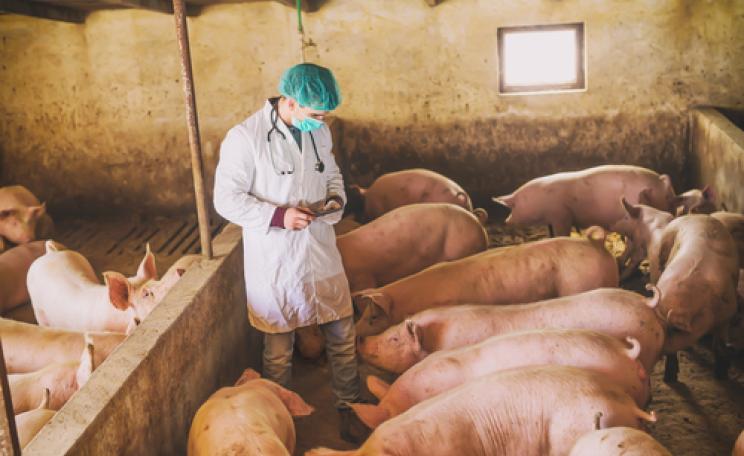
All 193 UN states will sign a declaration today to fight the spread of drug-resistant 'superbugs', writes Alastair Kenneil. The problem is often blamed on over­prescription of antibiotics by doctors. But that's to ignore the massive use of antibiotics on animals in factory farms, both to prevent infection and to assist weight gain - turning farms into superbug breeding centres.
With the Wall Street Journal warning that the GMO crop boom may be over in the face of superweeds, higher seed prices, falling yields and farmer antipathy, writes Pat Thomas, the Monsanto-Bayer merger is a sign of weakness as both companies struggle to deliver growth and profits to match shareholder expectations. We had better be ready to press home our advantage!
It's not that Dilma Rousseff, Brazil's ousted President, was wonderful for the environment, writes Ed Atkins. It's that Michel Temer's new regime is certain to be far worse. Plans are afoot to weaken environmental assessments for large projects like mines, roads and dams. And the new Minister of Agriculture is a notorious campaigner for hugely increased deforestation.
Bayer's $66 billion takeover of Monsanto represents another big click on the ratchet of corporate power over farming and food, writes Colin Todhunter. With the 'big six' of global agribusiness now set to turn into the 'even bigger three', farmers and consumers are facing more GMOs and pesticides, less choice, and deeper price gouging. Agroecology has never looked more attractive.
The 2016 'State of Nature' report, published today, offers many small victories to celebrate, writes SUSAN CLARK, but overall it's not good news: 15% of our native species are under threat of extinction, while 53% are in decline. With intensive farming the main cause of the damage, and climate change a serious long term problem, turning the tide of wildlife attrition will be a long and challenging task.
The EU's food and farming safety regulator is trying to create a 'back door' system to licence the use of herbicides that have been banned for their toxic impacts on people and wildlife - under a clearly inapplicable 'plant health' exemption.
There's no such thing as 'healthy food' if it's not produced by sustainable farming systems on living soils, Patrick Holden told the recent 'Food: The Forgotten Medicine' conference. But after 70 years of industrial farming, there's a huge job to be done to restore our depleted soils and the impoverished genetic diversity of our seeds and crops.
With Brexit the UK will have to chose between two visions of our farming future, writes Keith Tyrell. Will it be heavily subsidised corporate agribusiness that ravages both nature and small, high quality farmers. Or will we seize the chance to build a sustainable food and farming system that supports wildlife, landscape, family farms, organic production and diverse rural economies?
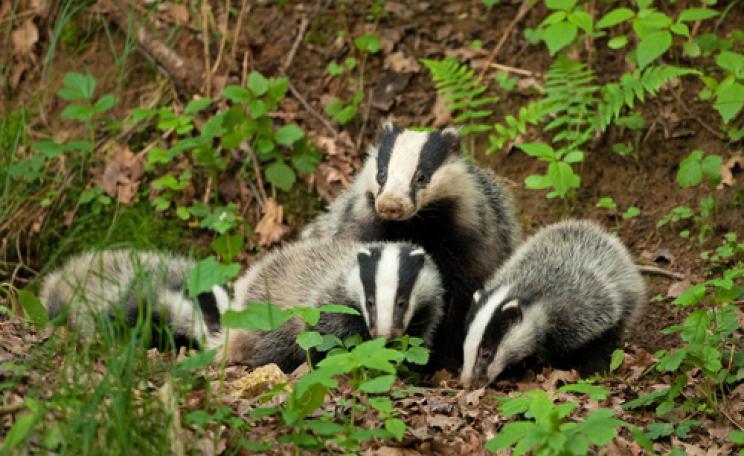
England is about to extend its badger cull policy to five new areas of the country, proving that only that science is a dead letter to May's conservative government as it was to Cameron's. While bovine TB infections in cattle rise in the existing cull areas, Wales has just achieved a cull-free 14% reduction.
With today's news that badger culling will continue in Gloucester, Somerset and Dorset, and take place in three other counties, writes LESLEY DOCKSEY, there could be no more opportune moment for Dominic Dyer's new book 'Badgered to Death' to appear - expertly exposing the total absence of scientific evidence that badgers transmit bovine TB to cattle.
The very first GE product, a dietary supplement, poisoned thousands of people of which dozens died, writes Steven M. Druker. The first GE food, the 'Flavr Savr' tomato, caused stomach lesions. But a long campaign of concealment and deception by regulators and corporate scientists re-engineered the truth to present GMOs as so safe they did not even need to be tested for safety.
For decades Israel has been driving Palestinian farmers off their land by imposing restrictions on agriculture, writes JONATHAN COOK. But one company, Canaan Fair Trade, has found an innovative way to resist peacefully, increasing resilience and prosperity in rural West Bank communities, and forging international alliances in the global movement for good food and farming.
The National Farmers Union has been issuing dire warnings that if UK taxpayers do not keep on paying landowners billions of pounds of annual subsidies after Brexit, many will simply give up farming altogether. So, asks CHRISTOPHER SANDOM, how would our countryside change if they followed through on that threat? (Or was it a promise?)
India celebrates its Independence Day today, writes Colin Todhunter. But the highly visible system of British colonial dominance has been replaced by a new imperial hegemony: the invisible, systemic rule of transnational capital, enforced by global institutions like the World Bank, while US-based global agribusiness corporations have stepped into the boots of the former East India Company.
The real reason why 'golden rice' remains uncultivated after a 20 year effort is its poor agronomic performance, write Angelika Hilbeck & Hans Herren. But beyond that, the very idea of golden rice as a 'solution' to Vitamin A deficiency fails to recognise the real causes of malnutrition - poverty, hunger and poor diet. How will golden rice reach poor children in the first place? And will they ever get the rich, oily diet they need to assimilate its fat-soluble nutrients?
Brexit gives the UK the chance to reform the system of agricultural subsidies that rewards wealthy landowners at the expense of taxpayers, the global south, the environment, and small scale sustainable farmers, writes Alex Scrivener. But strong, effective campaigning will be needed to bring about the changes we desperately need.
With the publication today of a new report that admits badgers tend to avoid direct contact with cattle, LESLEY DOCKSEY asks why are badgers still being blamed for bovine TB?
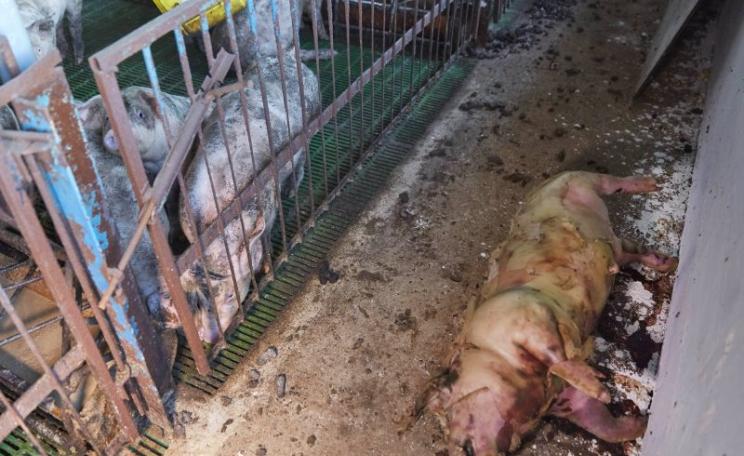
Free range pig campaigner Tracy Worcester had a surprise encounter after filming horrific conditions in an intensive UK pig farm. She met the elderly farmer who was cutting corners to stay in business under cut-throat pressure from supermarkets and global agribusiness - only to find he shared all her concerns. The answer is for shoppers to buy only high-welfare meat.
The government may want to press ahead with the English badger cull, writes Lesley Docksey. But after the Brexit vote it may just cost too much - for taxpayers and for the farmers who bear part an increasing share of the expense, now facing the loss of the 55% of their income that currently comes from Brussels.
A once quiet voice, hard to distinguish against the grinding machine of intensive food production is now shouting above the noise. LAURA BRIGGS reports on the growing interest in grass as a feeding option
The Royal Society purports to provide unbiased information on scientific issues, writes Steven Druker. But its new guide on GMOs is grossly misleading - glossing over the many dangers inherent to the technology with bland, unsupported re-assurances. The Society must end its partisan promotion of GMOs or risk its reputation as Britain's premier scientific body.
Today (Friday, 8th July) the charity Viva! will debut its new short thriller/documentary, film SWINE which exposes the dirty secrets of factory farming in UK - including the growing health risks to humans from MRSA Superbugs