A Senate vote yesterday to deny President Obama 'fast track' authority in negotiating TPP and TTIP looks like the beginning of the end for these trade deals and their secret corporate courts, writes Nick Dearden. Now it's up to Europeans to make sure the EU Parliament votes against TTIP in a crucial vote next month.
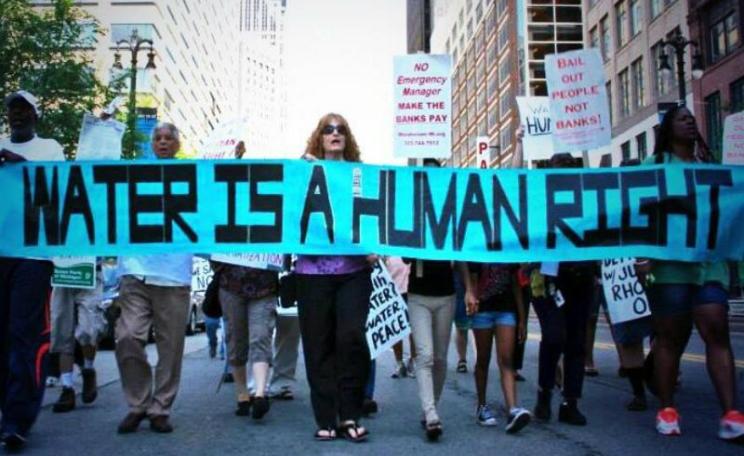
Ignoring cries of protest from impoverished communities and fierce international criticism, Detroit will begin to serve water shut-off notices on some 25,000 households tomorrow as it prepares to privatise its water department.
Tired of politicians' platitudes, defensive pledges and blinkered vision? As the General Election approaches, we desperately need to expand our discussion of 'the economy' beyond its usual narrow confines, writes David Powell. And if they won't get the ball rolling, he will ...
Prime Minister Modi's government has frozen the bank accounts of Greenpeace India, writes Praful Bidwai - provoking widespread protest from the environment and civil rights community. It's all part of a wider campaign against 'anti-national' movements that challenge India's development policies based on the aggressive exploitation of coal, minerals, big hydro and nuclear power.
We are alive in a pivotal year, writes the Earth League. 2015 offers the opportunity to build a sustainable and prosperous future for people and planet. But if we fail to act on climate change, safeguard crucial ecosystems and biodiversity, and secure a just and equitable world order for all, grave and irreversible perils await Earth and all who dwell on her.
All the 'main' political parties are backing nuclear power in bold defiance of all the evidence that it's expensive, dangerous and not even low-carbon, writes David Lowry. Even George Osborne just admitted that Hinkley C is 'unaffordable' - but supports it anyway. For a rational nuclear policy, the way is Green.
The GMO industry has legitimised itself via a vast network of lobbyists and the assiduous capture of the politicians, regulators and scientists that should be holding it to account, writes Colin Todhunter. But as the failure of the GM revolution and its disastrous impacts become ever more evident, the industry's legitimacy is fast eroding away.
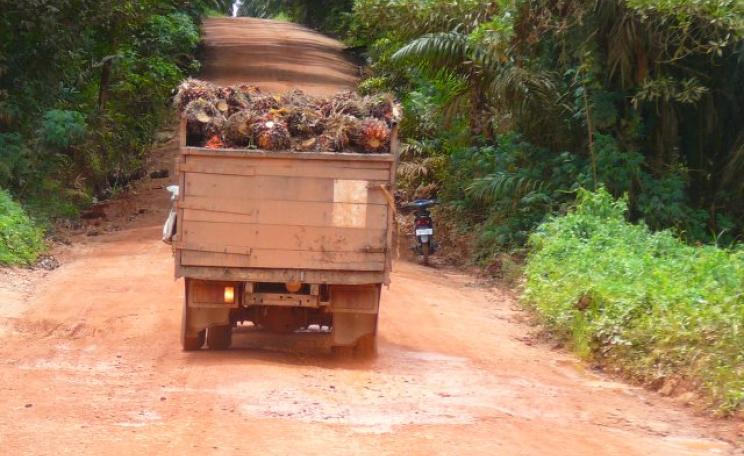
Banks preparing to launch a $400m bond issue for a global palm oil giant with a history of legal violations and broken standards have been warned of their 'high risk client' and the 'extreme and outstanding' social and environmental conflicts in the palm oil agribusiness sector.
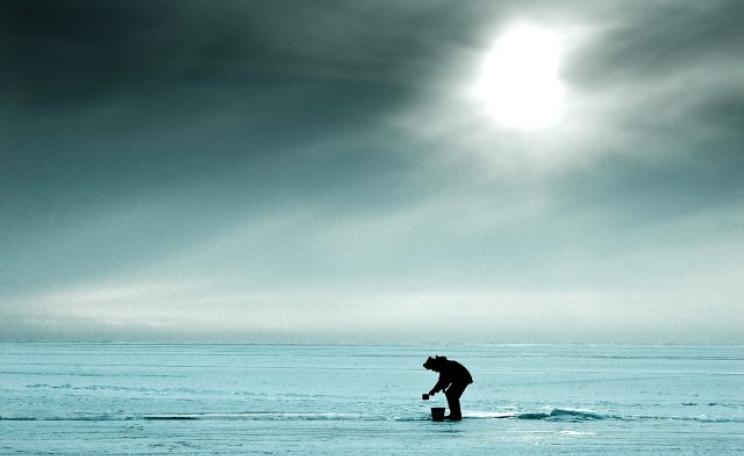
Russia's Lake Baikal is under threat by a massive dam and pipeline on the main river that feeds into it, that would supply mines with power and water, writes Anson Mackay. In line to fund the project? The World Bank.
The World Bank exists to fight poverty. So why does it promote a profit-driven model of agriculture that enriches corporations at the expense of the small farmers who provide most of the world's food, creating poverty by stealing their land and water, depleting resources and undermining sustainable livelihoods?
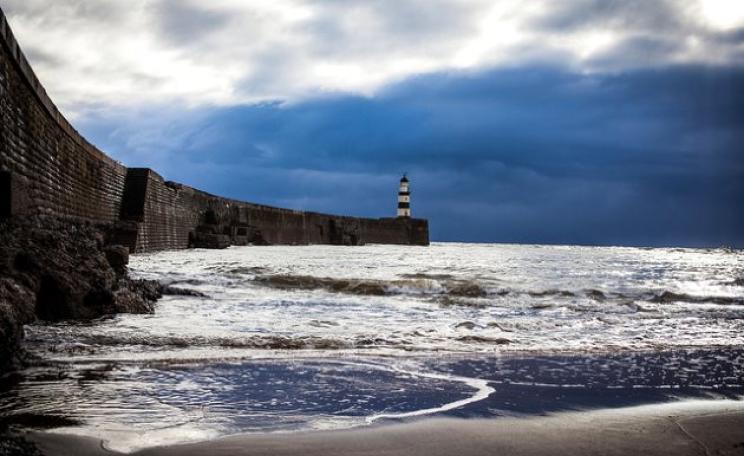
After over a century of coal ash and colliery waste dumping, the Tyne and Wear coastline is no stranger to industrial pollution. But soon a horrific new technology - underground coal gasification (UCG) - will endanger human health and the environment, backed by unflinching Government support and generous lashings of taxpayers' money.
The Guardian Media Group is to divest its £800m fund from fossil fuels over five years. The terms of its promise appeared to leave the door open to natural gas and fracking, But GMG now insists that it aims to ditch all fossil fuels within five years.
On Monday the World Bank's Conference on Land and Poverty begins in the US. But farmer organizations, indigenous groups, trade unions and others denounce the whole exercise as a sham that, in tandem with other Bank initiatives, is all about accelerating corporate land grabs and robbing the poor that the Bank was founded to assist.
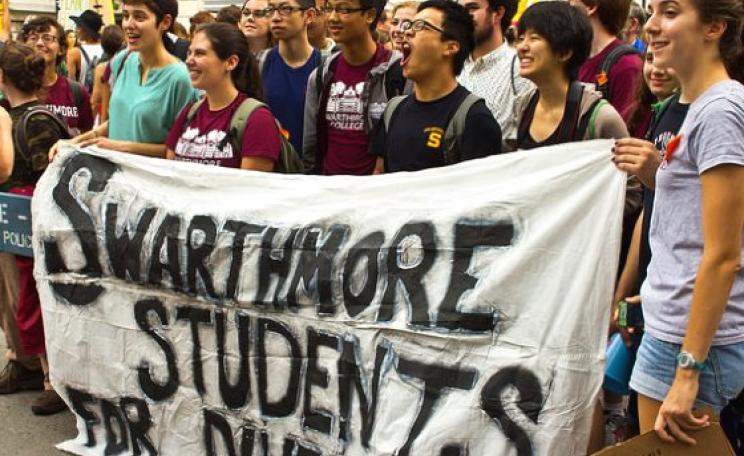
Univerisities' core mission is one of civilization and enlightenment, and that's incompatible with investing in fossil fuels that pose an existential threat to humanity and the planet, writes Cutler J Cleveland. It's is also financially prudent for for them to avoid sinking capital into future 'stranded assets' of unburnable carbon.
Piketty's 'Capital in the 21st Century' has taken the intellectual world by storm, writes Rupert Read. His analysis of wealth inequality is timely and powerful, but there's one crucial thing he hasn't 'got': that growth must run up against ecological limits - indeed it already has.
Indian coal firm Adani is struggling to finance its proposed mega coal mine in Australia's Galilee Basin, write Marina Lou & Christine Ottery, as promised government support evaporates and a major investor looks set to pull out.
India's renewable power capacity is set to reach 170GW by 2022, write Areeba Hamid & Oliver Tickell - reducing power shortages and bringing electricity to off-grid of rural communities for the first time. But it may also have an unintended consequence - cutting off investment in India's troubled coal sector as prospects for future profitability evaporate..
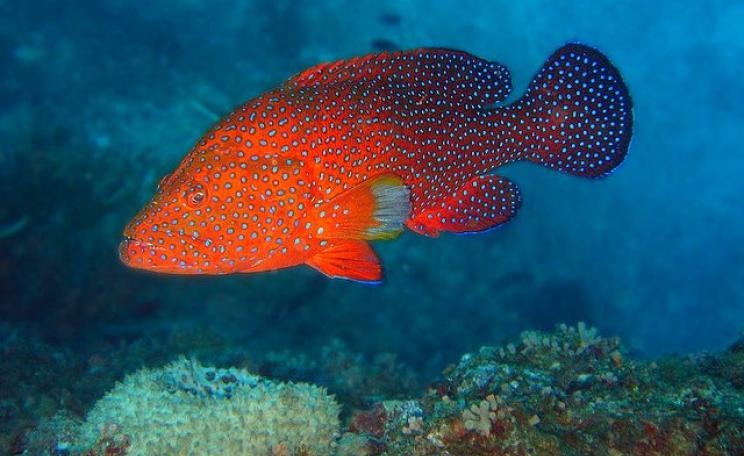
A powerful call has gone out the the US Export-Import Bank not to finance a massive coal mine, railway, port terminal and dredged 'canal' through Australia's Great Barrier Reef with $1 billion in loans and guarantees.
While mainstream media promulgate a fictitious message of Russian threats in the Baltic, Vladimir Putin's next big play lies far to the south, writes Oliver Tickell. The gross intransigence of the EU, the IMF, the European Central Bank and Germany are forcing Greece into a powerful new economic and energy alliance with Russia that will reshape Europe - and for the better.
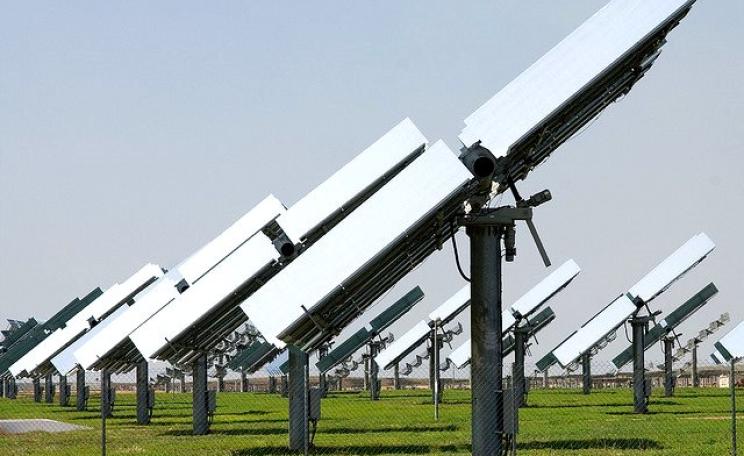
Launched at Davos this week, a WEF report on electricity generation predicts that solar power will cost twice as much in 2030, as the lowest cost sources today, writes Chris Goodall. It's sources? WEF isn't telling. But if 'facts' like these are driving the decisions of big energy CEOs, heaven help their companies in years to come.
When 97% percent of respondents to a European Commission 'consultation' on the TTIP EU-US trade deal opposed it outright the Commission accused them of 'hijacking' the process, writes Nick Dearden - and pressed ahead with negotiations. Whose Europe is it anyway?
UK politicians and officials are studiously ignoring the growing evidence that fracking is an economic and environmental disaster, writes Paul Mobbs. As the circle of 'acceptable' view spins ever smaller, industry PR is dominating a phoney debate that's increasingly remote from reality, public opinion and core democratic principles.
With 80% of the world's fossil fuel reserves 'unburnable' if the world is to meet its climate targets, writes Melanie Mattauch, the divestment movement is moving from strength to strength. As investor confidence in fossil energy ebbs away, 2015 is where the endgame for a dying industry begins.
Tolkien's Universe is one that reflects our own, writes Richard Gunderman - and has come to resemble it all the more as industrialism, militarism and an unjust economic order have come to dominate the world and enslave its peoples. It's time to follow the Way of the Hobbit.