There is a simple solution to the problems of rampant consumerism, debt and a lifetime of servitude, writes Samuel Alexander - radical down-sizing to a truly tiny house. For a start, it's only big enough for the things you really need. And it's so cheap to build, that it's paid for from a month or two's salary. Just one question - what will you do with your freedom?
The UK's financing of fossil fuels abroad increased tenfold in two years to exceed £1 billion in 2013 / 2014, writes Christine Ottery. Incredibly, the fossil fuel funding increase came after a government promise to use the money to support 'innovative and green technologies'.
For the world to meet its climate goals, a third of the world's oil, half its gas and 80% of its coal must stay underground, writes Alex Kirby. And it's not us saying it - but scientists writing in the journal Nature.
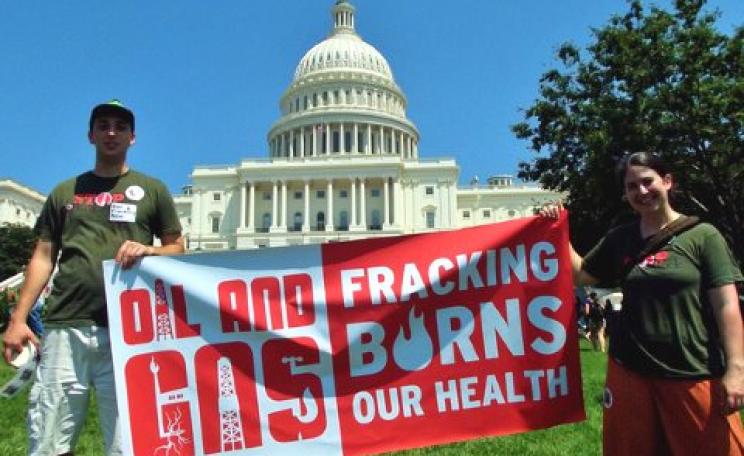
Increased production from US fracking operations is a major reason for the drop in oil prices, writes Kieran Cooke. But there are warnings that the industry now faces an existential crisis from which it may never recover, as the financial sector faces the prospect of worthless shares and $100s of billions of defaulted debt.
Higher oil production and falling demand are creating big problems for the fossil fuel industry, writes Kieran Cooke. Risk-averse investors, spooked by drastic oil price falls, are turning away from the sector in search of more secure returns.
Under the TTIP US-EU trade agreement, the world's largest chemical corporations would be able to attack US states' attempts to regulate for chemical safety, writes Patrick Gleeson. In both the US and the EU, corporate rights - asserted in secret courts - would trump democracy and attempts to raise health, safety and welfare standards.
The nuclear industry and its supporters have contrived a variety of narratives to justify and explain away nuclear catastrophes, writes John Downer. None of them actually hold water, yet they serve their purpose - to command political and media heights, and reassure public sentiment on 'safety'. But if it's so safe, why the low limits on nuclear liabilities?
A new financial crisis is threatening to dwarf the 'subprime' mortgage debacle, writes Paul Mobbs. Cheap money from central banks has fuelled some $1.3 trillion of risky investments in high-cost 'unconventional' oil and gas. Now, with oil sinking below $60, all that paper is turning to junk - and that's putting the entire economic system at risk.
COP20 has just laid the foundations for a non-agreement in Paris in 2015, writes Assaad Razzouk - thanks to the pernicious influence of fossil fuels, poisoning debate and subverting serious climate action. Now there's only one earthly power big enough to fight back.
The EU faces a choice: a green, democratic future of clean prosperity and social justice? Or a dirty future of corporate domination with resurgent nuclear power, expanding fossil fuels, GMO agriculture and weak human and environmental protection? Junckers' Commission represents the latter. We must assert our own vision - or there will be little worth staying in for.
Campaigners today today delivered Commission President Juncker a 'birthday card' with 1.1 million signatures from EU citizens. Yes, it really is his birthday today - but the real message was calling on him to back off from negotiations over the TTIP and CETA trade deals with the USA and Canada.
Financed by the World Bank, the Kenya Forest Service has intensified its illegal campaign of evictions, arson, beatings and arrests of the Sengwer forest people of the Embobut forest, Dean Puckett reports from the Cherangani Hills. And behind the violence lies the lure of hard cash - from the prospect of selling the forest's carbon to international financiers.
The UK Government plans to lock consumers into a 2.5bn a year, 15-year spend to support peak-time fossil power generation - while undermining energy demand savings capable of achieving the same purpose more cleanly and cheaply. But today the 'unlawful' system has been hit by an ECJ lawsuit.
Australia is betting the farm on huge increases in coal exports, writes Stephen Bygrave - just as key markets in China, India, Korea and Japan are drying up, with rising tariffs and huge renewable energy and efficiency programs. The policy is totally out of touch with reality - and will lead to revenue shortfalls in the AU$100 billions.
The exploitation of Canada's tar sands is more than just an environmental catastrophe, writes Gregory McGann. It's also an turning into an economic disaster, with massive investments at risk as falling oil prices leave the tar sands stranded.
The UK's community energy sector was badly hit by the financial regulator's sudden decision this summer to disallow renewable energy co-operatives, writes Tammy Calvert. A consultation on the topic ends tomorrow, Friday - so get your views in quickly while you can!
The president of the World Bank has promised to back out of financing coal developments, and instead target its finance at 'every dimension of renewable energy' under a new climate-friendly strategy.
EDF has already moved heavy earth moving gear onto the Hinkley C nuclear power station construction site, writes Doug Parr - but that doesn't mean it's a done deal. On the contrary, a host of intractable problems are coming home to roost, and the increasingly troubled project is looking shakier than ever.
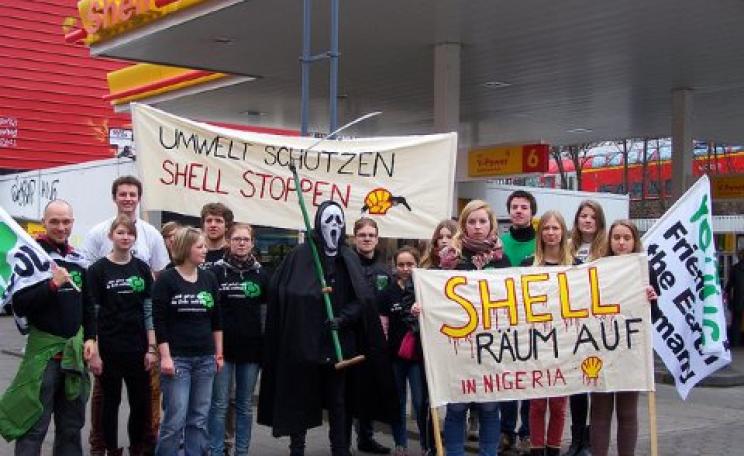
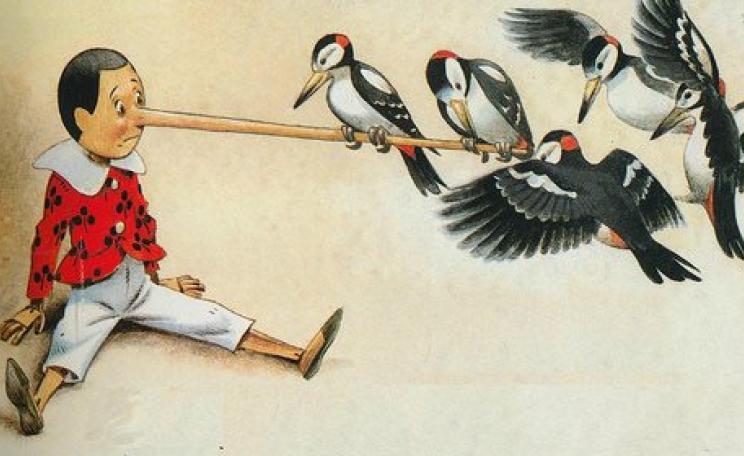
Who has the longest nose of them all? Worthy winners of France's fiercely contested 'Prix Pinocchio' 2014 were selected last night, recognising corporate greed, hypocrisy and malfeasance, based on a record vote since the awards began.
The UK and 13 other EU trade ministers have written to the European Commission's new head imploring him to include secret, much criticised investor protections in the controversial TTIP, the EU-US trade and investment deal, writes Jurgen Maier. Is this a democratic snub too far?
Fossil fuel companies are a risky investment thanks to the 2.8 trillion tonnes of 'unburnable' carbon in their reserves, writes Franklin Ginn. But there's an even stronger reason to support fossil fuel divestment: to erode their political power, which they use to block progress to a sustainable, low carbon future.
Hinkley C's subsidy package may have won European Commission approval - but now it faces a National Audit Office 'value for money' investigation, following a demand from a powerful Parliamentary committee.
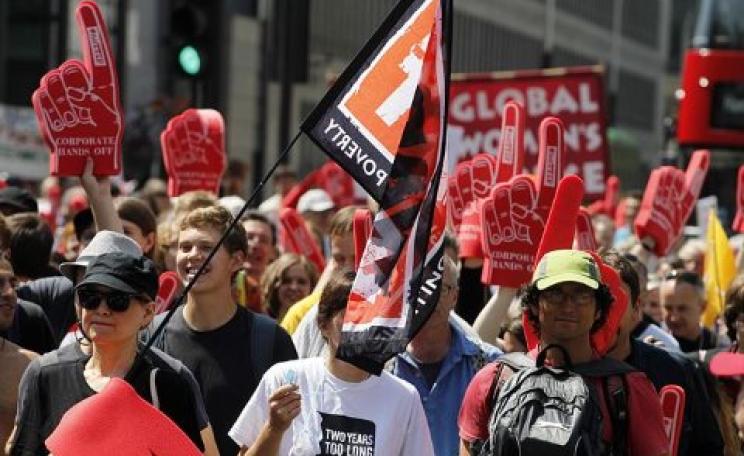
The TTIP - a massive trade and investment deal under negotiation between the US and the EU - could be the end of democracy as we know it, writes Morton Thaysen, as corporate rights will supplant those of ciizens and elected governments. Join a global day of action today!
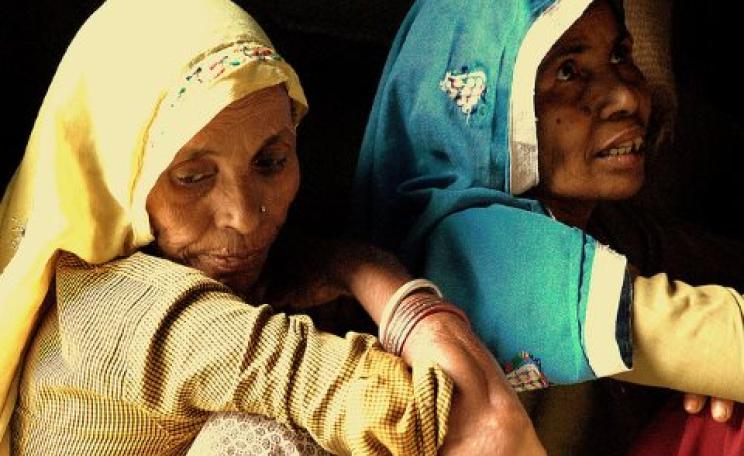
Microfinance - lending poor people small sums to capitalise sustainable, profitable livelihoods and businesses - is widely lauded as a 'good thing'. And at its best, so it is. But some micro-lenders in south Asia operate with the methods, and ethics, of loan sharks, write David Hulme & Mathilde Maitrot. Can microfinance save its soul?