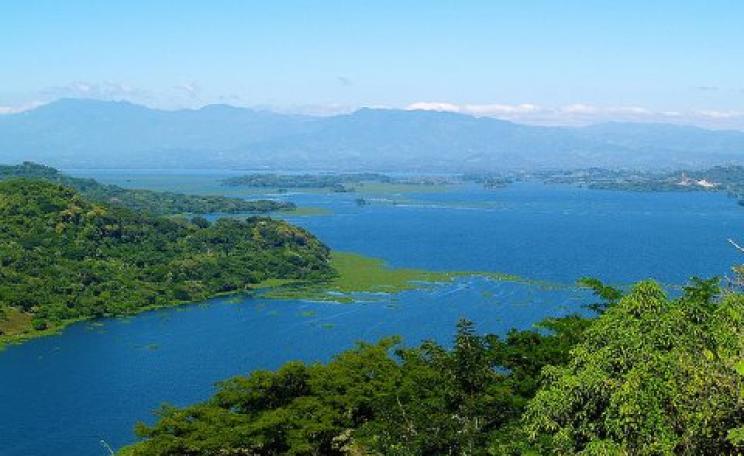
OceanaGold is demanding $300 million in compensation from impoverished El Salvador after a mining permit was refused to safeguard a clean drinking water source that millions of people depend on, writes Pete Dolack. The sum does not even represent losses - but profits the company claims it would have made.
When Shell decided to quit its Arctic oil exploration it cited 'insufficient quantities' of oil and gas, writes Louise Rouse. But that was not the whole story: what tipped the balance was a combination of investor discontent, reputational damage and public opposition on an unprecedented scale.
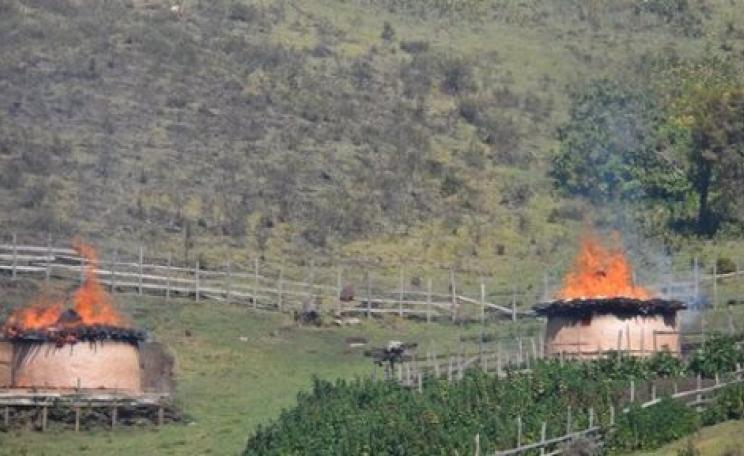
The eviction of Kenya's Sengwer forest people in a World Bank financed project was a failure of the Bank's duty to protect indigenous people, according to an internal report. The Bank's directors are to decide on how to respond today - but if they follow their own management's advice, the evictions will continue.
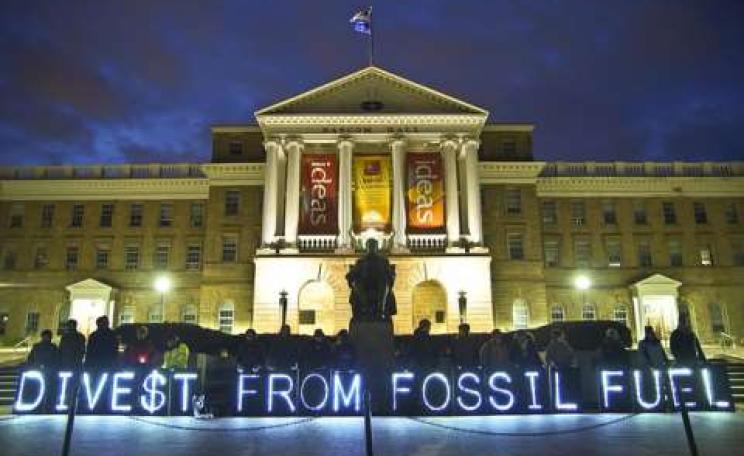
The movement to divest from fossil fuels is gaining strength, writes Ruth Lumley, with $50 billion of institutional investment behind it. This week's news that almost $1 billion of Rockefeller money is moving from fossil fuels to clean energy shows that the world is changing faster than most ever imagined.
At the UN climate summit in New York today, institutional investors managing $24 trillion of assets are demanding stronger, more ambitious policies on climate change, writes Kieran Cooke. These include an effective carbon price and an end to fossil fuel subsidies.
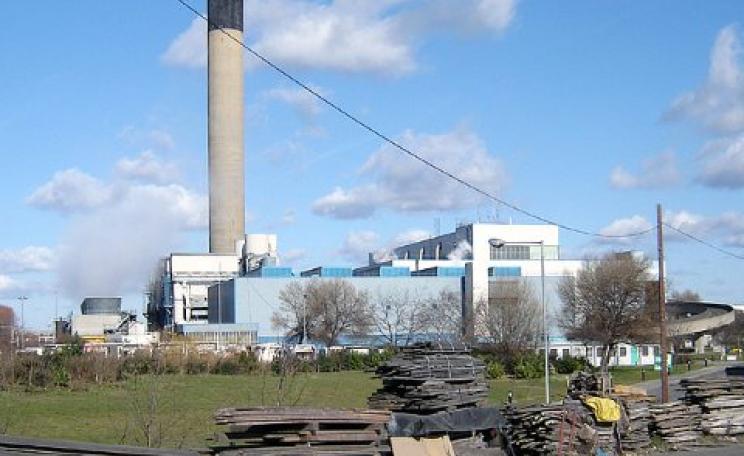
A Parliamentary report reveals that £200 million has been wasted on failed 'public-private' PFI projects for waste management, writes David Hall. The obvious solution: to allow local authorities to build and operate their own, which is cheaper and more flexible. The only problem: under UK government rules, it's PFI or nothing.
Sanctions against Russian natural resource tycoons could be good for the environment, writes eco-campaigner Konstantin Rubakhin - if only they would target the right people. But so far, the EU has been turning a blind eye to powerful Kremlin insiders with an open licence to pollute and destroy.
The World Bank is considering 'reforms' to its policies to protect indigenous peoples from the impacts of projects it finances that would devolve key decisions to national governments - such as whether an ethnic group is 'indigenous' at all. If passed by the Bank's Board, the changes would strip away a raft of essential human rights protections..
Plans to create a market in nature itself are fraught with danger, writes Alex Scrivener. Biodiversity offsetting could allow the fate of our forests, rivers, meadows and wildlife species, and the people who depend on them, to be determined by the whims of multinational corporations and speculative investors.
Hunter Lovins is on a mission, writes Sophie Morlin-Yron: to put the transformational technologies we already have to work for the benefit of people and business - and to re-create the economy so it's no longer a machine for polluting the planet and devouring natural resources, but a mechanism for building and sustaining natural and human capital.
Prospects for a global climate deal under the UN are receding fast, writes Assaad Razzouk, as the Green Climate Fund is short-changed by donor nations. But there's still plenty to hope for with a private sector that's stepping up to the mark, and fast-growing decentralised climate action.
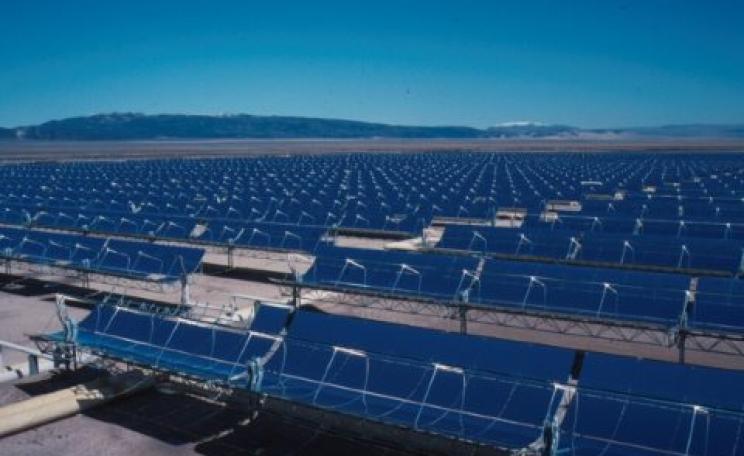
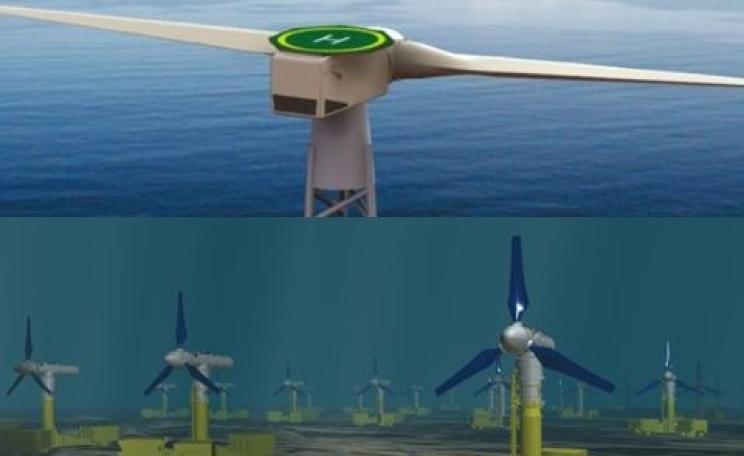
Two innovative renewable energy projects are moving forward in Scotland: Britain's first tidal power array, and the world's first deployment of two-bladed wind offshore turbines. The experimental technologies are hoped to achieve significant cost savings and unlock a huge offshore energy resource.
The plight of Kenya's Sengwer people shows that carbon offsets generated by 'sustainable' forest management are empowering a corporate recolonisation of the South backed by the World Bank against its own guidelines, writes Nafeez Ahmed. Indigenous forest peoples are at risk of genocide while corporations let rip.
What's the biggest threat to your life savings you've never heard of? Rebecca O'Connor shows how the world's exposure to unburnable carbon assets, and competition from clean energy technologies, could hammer your savings, pensions and investments.
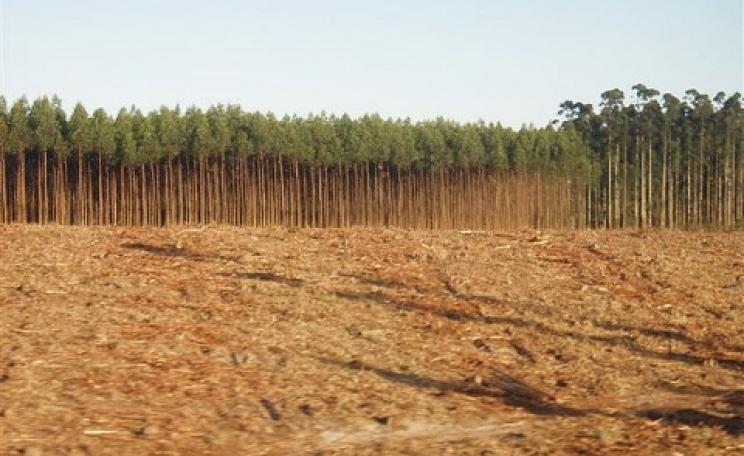
The World Bank's 'Tropical Forest Action Plan' was an abject failure, writes Chris Lang. Now the same mistakes are being repeated under a new acronym. TFAP is out, REDD is in - but it's still all about corporate control of forests, and blaming deforestation on its victims.
The UK's conservative Daily Telegraph warns: investors in fossil fuels are 'throwing good money after bad', reports Nathan Wood, as renewable energy takes off leaving a potential $19 trillion of oil assets 'stranded'.
A partnership between an Oxford-based social enterprise and the local Council provides a blueprint for financing community energy projects, writes Wendy Twist. And with £2.3 million in the bank, things are really starting to move ...
In Ken Silverstein's 'The Secret World of Oil', Louis Proyect investigates the uber-wealthy middlemen of oil, inhabiting a pampered universe of moral squalor and depravity - one in which Tony Blair found himself completely at home.
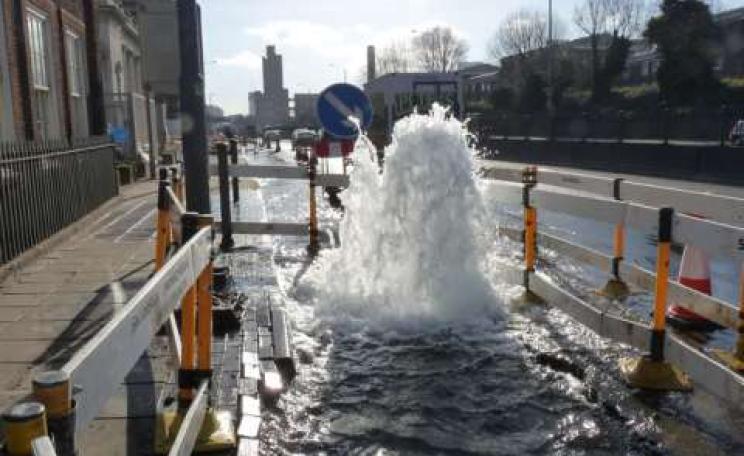
Using sophisticated financial engineering, Thames Water is making its customers pay almost the whole cost of its £4.2 billion London sewage tunnel. Is it time England ditched corporate ownership of its utilities and adopted Wales's 'non-profit' model?
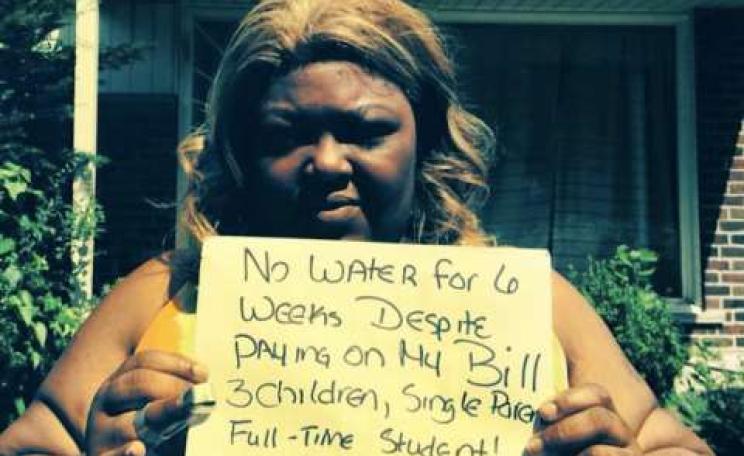
Detroit is shutting off water to 40% of residents to prepare the water system for a corporate buyout, writes Justin Wedes. Residents are organizing to resist the water shuttoffs, anti-democratic rule and the demands of Wall Street - but they need our help!
The World Bank is still deciding how to respond to Kosovo's request for funds to build a new 600MW power station burning filthy 'brown coal', writes Michael Brune. It's time for the World Bank, with strong US backing, to give the project a firm 'no way'!
Tackling global warming with better public transport, increased energy efficiency, renewable energy, clean cookstoves, better waste management could increase global GDP by $2.6 trillion. The alternative is growing risk from harshening climates ...
Britain's doctors have voted for their representative body, the British Medical Association, to divest from fossil fuels, writes Tierney Smith - adding valuable momentum to the fast growing global divestment campaign.
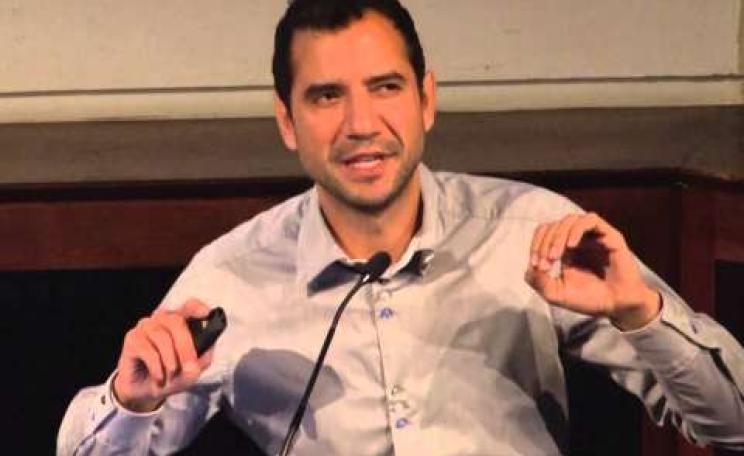
Repowering London is an energising force - not just making renewable energy projects happen, but engaging communities to finance them, training young people to install them, and ensuring the benefits stay local. Lucy Anna Scott meets the dynamic Agamemnon Otero ...