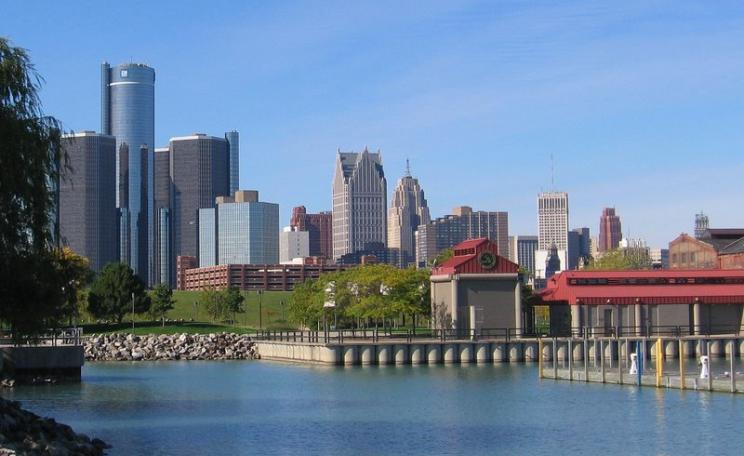
Detroit is the site of a neoliberal experiment that's already being repeated elsewhere, writes Chris Grove, with unpayable debt used to force the privatization of public services and the terminate democratic power and accountability. But as the city's poor find themselves cur off from water, a new, wider conception of human rights is emerging from the wreckage.
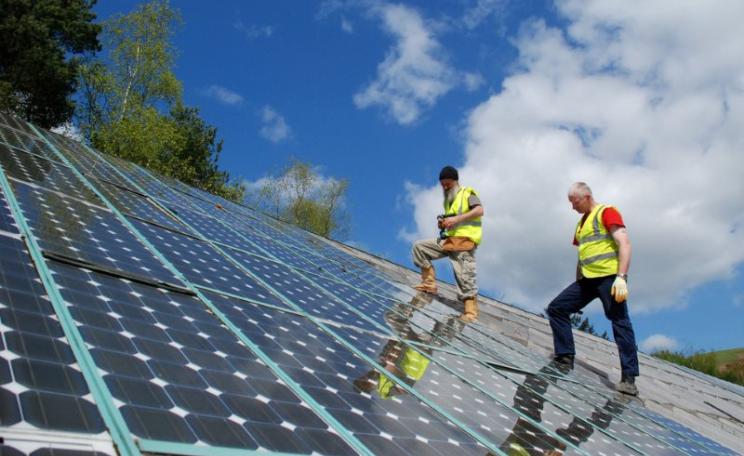
Never mind government inaction (or worse) on climate change, writes Assaad W Razzouk. Solar power costs just keep on falling, and it's already providing the lowest cost electricity across much of the world. With $7 trillion of investment piling into the sector, the momentum is now unstoppable.
Forget tariffs, forget Obama's promises. The whole point of modern 'trade agreements' is to whack pesky labor, environment and health laws, writes David Morris, and so empower capital and corporate power against regulators, governments and democracy itself. Unconvinced? Just imagine what these deals would look like if they were there to empower people.
Before the election David Cameron promised to increase funding for cycling to £10 a head across the UK, up from its current £2 outside London, writes Matthew Ford. But with the national cycling and walking strategy coming into force this week, that promise is looking ever less likely to be delivered.
The UK government has announced massive cuts in support for solar roofs and farms that appear designed to undermine investor confidence just as the technology is on track to be subsidy-free by 2020.
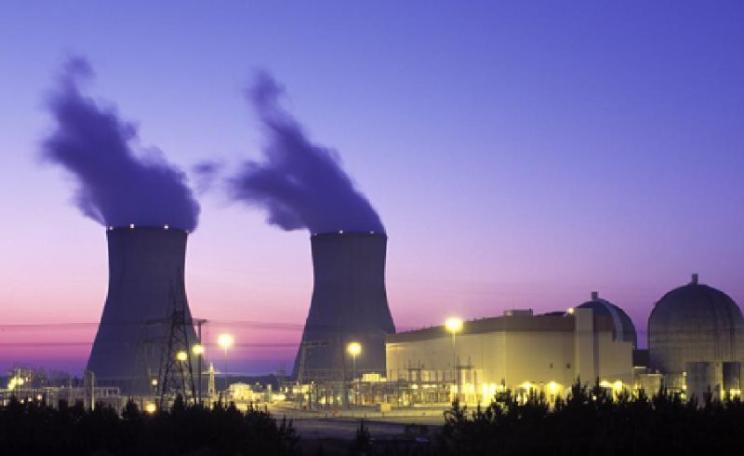
As nuclear projects using the EPR design run into long delays and huge costs overruns, industry hopes are pinned on the Westinghouse AP1000 reactor, writes Chris Goodall. But with eight AP1000 projects around the world going the way of the EPR, is it really a wise choice for the UK's Moorside nuclear site?
A second legal challenge to the UK's proposed Hinkley C nuclear power plant in Somerset was launched this morning by ten renewable and municipal power suppliers in Germany and Austria, citing grave distortions to European energy markets.
Supporters of Greece's fight for sovereignty are unanimous in blaming the evil troika for its humiliating defeat, writes Oliver Tickell. But the real fault is with Syriza for their needless, shameful surrender. Now, as the real battle begins, we must hold firm with the Greek people against neoliberal occupation.
The UK government kicked away one of the main financial supports for renewable energy in yesterday's budget. The surprise move will cost the sector £3.9 billion over the next five years and undermines any prospect of the country meeting its EU renewable energy targets.
Greece's economic woes will never be solved by merely moving money around the banking system, writes Oliver Tickell. The lasting solution is to restore native forests to her barren hills and mountains, invest in large-scale solar power to energise Europe, and create an examplar of sustainable development for our global future.
Greece's refusal to accept a century of debt servitude to illegitimate creditors is a decisive moment for Greece, Europe and indebted nations everywhere, writes Yanis Varoufakis. With even the IMF agreeing with SYRIZA's economic analysis, the troika's insistence on endless austerity was only meant to ruin Greece and humiliate its government. But now everything has changed.
Britain's renewable energy surge will hit the buffers as funding dries up, writes David Toke - while cuts to the energy department's budget will wipe out its ability to guide the UK's low carbon energy transition.
As Greece prepares for its referendum, Takis Grigoriou takes Greece to task for its highly polluting lignite power sector, its ditching of a successful solar program in favour of more coal, the minimal insulation in its buildings that locks in high fuel bills, and Syriza's failure to tackle these issues. The good news? Greece's latest €1.4bn coal project looks like going unfunded.
This month the UN is meeting to enact binding global rules on the conduct of business and transnational corporations, writes Sam Cossar-Gilbert, reversing the trend for increasing business empowerment in TTP, TTIP and TISA. The new UN Human Rights Treaty aims to provide justice for the victims of corporate criminality anywhere in the world.
Residents of Ecuador's Galápagos islands are mounting angry protests against government plans to open the World Heritage Site to foreign investment in luxury tourism and hotels, writes Jane Shaw. They fear for the fragile ecology of the islands, for water shortages caused by golf courses and swimming pools, and for their livelihoods which depend on current 'low intensity' tourism.
The UK has the best wind power resource in Europe, yet it costs far more than in less windy countries like Germany, writes Andrew ZP Smith. That's because of government policies that undermine investor confidence, and fail to recognise that wind power, despite 'subsidies', lower the price consumers pay for electricity.
Despite the PR spin the truth about nuclear power is clear, says Paul Flynn. Current projects are plagued with technical failures, cost escalations and long delays - while renewables power ahead. As tin-eared ministers refuse to get the message, it's time for civil servants to speak out direct to the public.
It's not just western corporations that are moving into large-scale agribusiness in Ethiopia, writes Mohammad Amir Anwar. Indian investors have acquired rights to some 6,000 sq.km of land much of it in the ecologically sensitive Gambela region, where unconsulted Nuer and Anuak peoples are suffering from forest clearance.
A long scheduled vote on the TTIP was suddenly postponed in the European Parliament today, writes Nick Dearden. Officially, this was because there were 'too many amendments'. But in reality TTIP backers smelt defeat and ducked the democratic test.
Norway's sovereign wealth fund, worth over $900 billion, has today announced that it will divest from coal, a move expected to force the sale of investments worth $13.3 billion. Campaigners say that other funds have now 'run out of excuses' not to follow suit.
The Apollo Programme proposed this week to make renewable energy cheaper than coal through technological advances is welcome, writes James Dyke. But the real problems are political, not technological. Unless we back the Apollo vision by challenging the power of fossil fuel companies, it can never succeed.
Lured by promises of aid and investment, African governments are rewriting laws to create lucrative opportunities for corporate agribusiness, writes Chris Walker - while consigning their own farmers to servitude and landlessness. But now farmers are rising up, as in Ghana where a new 'Monsanto law' threatens to end their right to grow, save and share their ancestral seeds.
As part of a global week of action campaigners from Divest London have gathered to ‘Raise the Heat' on the Commonwealth Bank of Australia, writes Hal Rhoades - protesting its plan to invest in a ‘carbon bomb' coal project that endangers global climate and threatens to finish off the Great Barrier Reef.
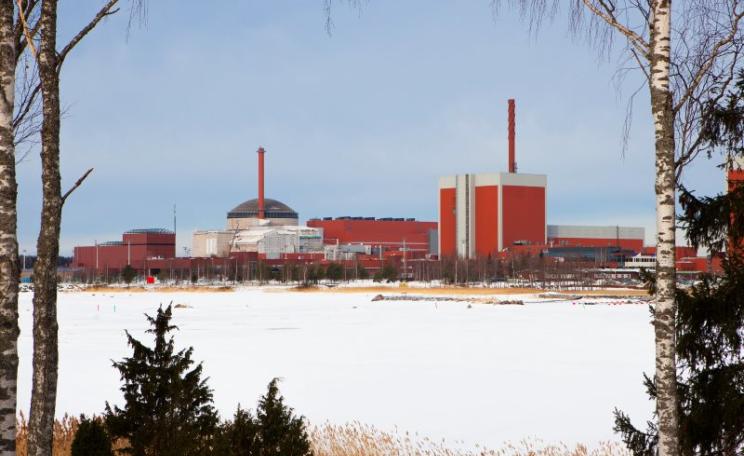
This week Finland cancelled its option for a second European Pressurised Reactor as the existing EPR project sinks into a abyss of cost over-runs, delays and litigation, writes Jim Green. It now looks like the EPR is a failed technology and its owner, French nuclear giant Areva, is fast running out of both money and orders as its 'hot prospects' evaporate.