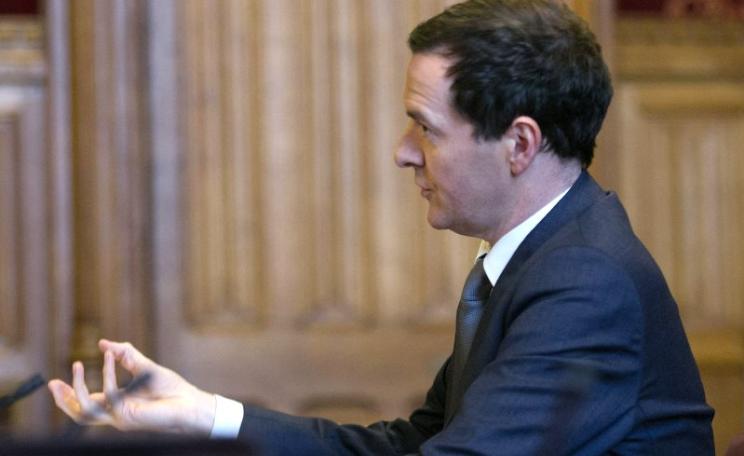
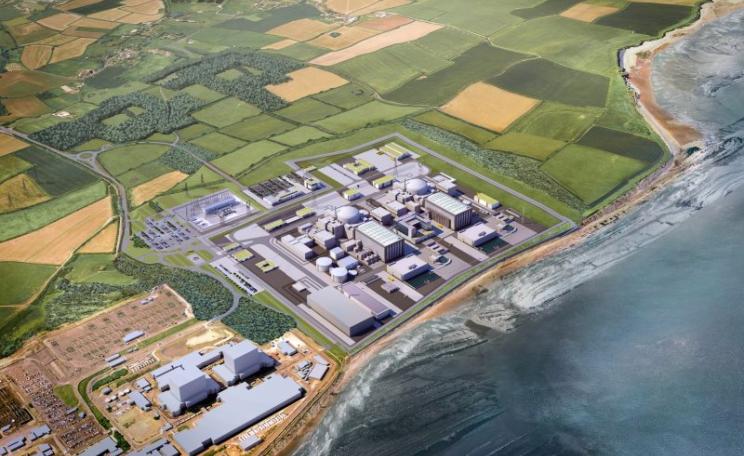
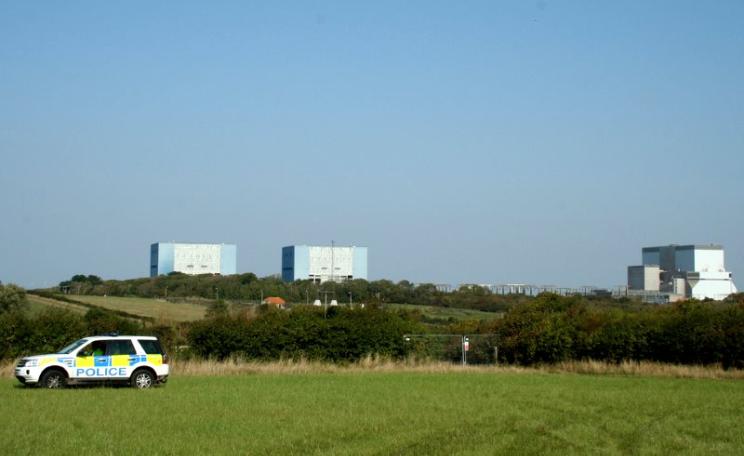
To explain their desperation to commit an estimated £76 billion of public money to the Hinkley C nuclear project, writes Paul Dorfman, the Treasury and its Chancellor, George Osborne, claim there are other benefits that justify this vast expenditure. So what exactly are they? And do the claims survive critical examination?
The finance industry faces a 'wicked' problem, says Mark Carney, Governor of the Bank of England. Climate change creates risks that threaten the financial system to its foundations - but on a timescale beyond the usual horizon for investment decisions. The only way to reduce those risks is to act with unusual foresight - and avoid abrupt and destabilising transitions.
Just as George Osborne is hoping to get China to invest billions in EDF's Hinkley C nuclear plant in Somerset, news from EDF's Flamanville nuclear site threatens to sink the project. French regulators are to demand another lengthy round of tests on its flawed reactor vessel. And if Flamanville isn't working by 2020, £17 billion of UK finance guarantees for Hinkley C will collapse.
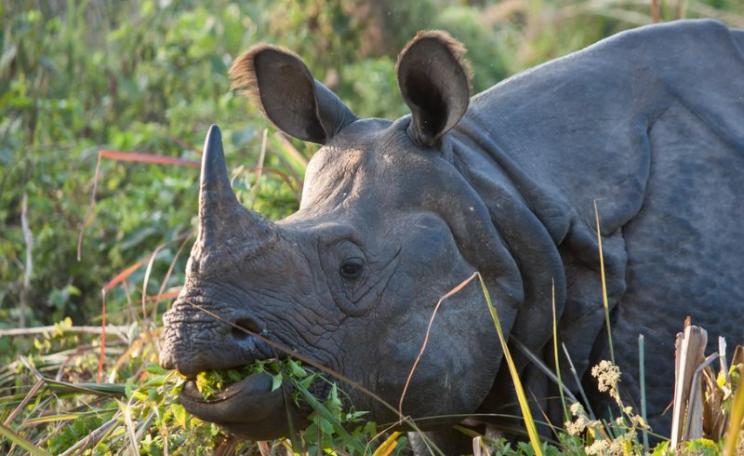
Two of Asia's three rhino species are 'critically endangered', writes David Tosh, yet the lion's share of rhino conservation resources is lavished on Africa. The reason is simple: Africa's rhinos generate more cash from tourism. But should this really be the point?
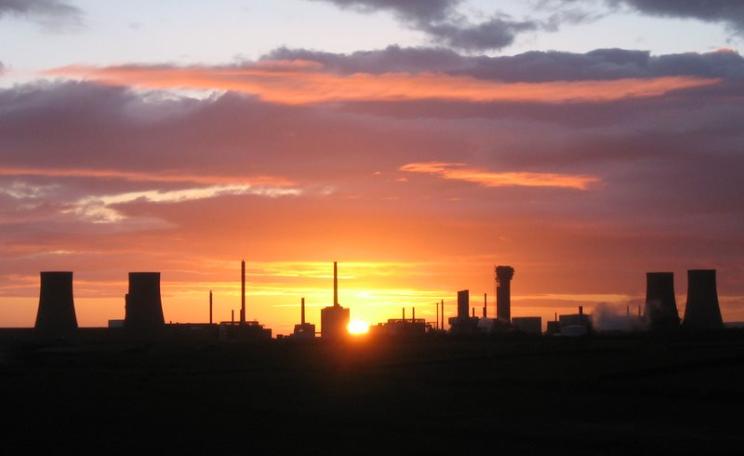
There are two rules about the end costs of nuclear power, writes Ian Fairlie. It's far more than you ever knew. And whatever sum of money was ever set aside, it's nowhere near enough. Germany understands this. That's why it refused to let E.ON spin off its nuclear liabilities into a hands-off company. But the UK, it seems, has lost the ability to learn from its nuclear mistakes.
VW's pollution cheating has caused thousands of premature deaths, write Mike Berners-Lee & Chris Goodall, creating costs that could destroy the company's entire shareholder equity. But this is no 'Black Swan' event. It is an early example of the existential threat to the fossil fuel economy.
UK local authorities have £14 billion invested in fossil fuels, campaigners revealed today. Now they should re-invest it in solar energy, new housing and other areas that generate local and global benefits - as well as providing better security for pension holders.
The UK government and its Chancellor George Osborne are grossly misleading the public over the relative costs of renewable energy and nuclear power, writes Oliver Tickell. Osborne's claim that nuclear is the 'cheapest low carbon technology' is the very reverse of the truth. He and his nuclear plans must be stopped.
As ever more companies and governments pledge to 'go green' and protect forests, the world's tribal peoples should be among the main beneficiaries, writes Amy Dickens. Yet the reverse is the case. All too often the promises are purest greenwash, used to conceal the human and environmental tragedy of land-grabbing for plantations, mines, logging and even 'conservation'.
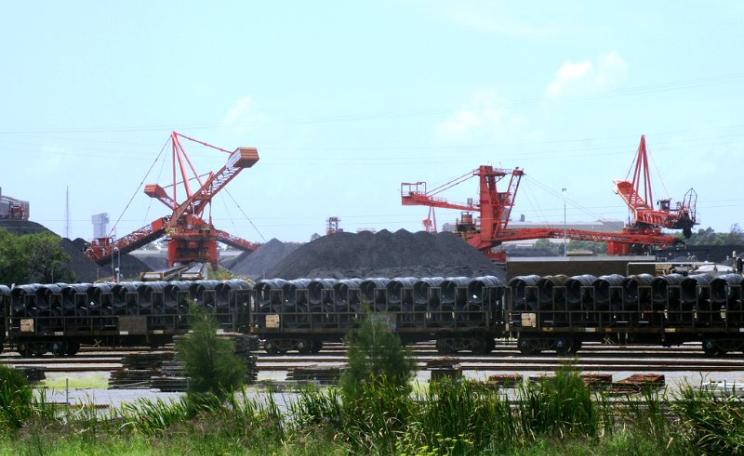
Pledges by investors to divest from fossil fuels have soared to $2.6 trillion - 50 times more than a year ago. 'Now is the time to divest', says Leonardo di Caprio, one of the latest to join the movement, which even includes Newcastle, Australia, home to the world's biggest coal port.
The UK's decision to 'green light' £2 billion in guarantees for the Hinkley C nuclear power station indicates the government's increasing desperation, writes David Toke. Bar the shouting, has anything actually happened? The guarantees have not been issued, and the announcement of Chinese participation in a new reactor at at Bradwell remains ... an announcement.
Taxpayer-financed development banks have lent €500 million to Ukraine's biggest agribusiness company so it can undercut EU chicken producers, writes Fidanka Bacheva McGrath - while polluting the environment and grabbing land from local farmers.
A new report by accountancy giant EY says the UK's Conservative government has sentenced renewable energy sector to 'death by a thousand cuts', writes Emma Howard, and left investors puzzled at inexplicable policy changes.
The respected Russian campaign group Sakhalin Environment Watch is being forced to choose between registering as a 'foreign agent' label and closing down, writes Oliver Tickell. Environmental campaigning, it seems, is now a 'political activity'.
Jeremy's Corbyn's appointment of John McDonnell as shadow Chancellor was bold, provocative and absolutely correct, writes Donnachadh McCarthy. As well as being Corbyn's firm political ally, McDonnell understands the nature and scale of the challenge that he faces as he confronts the corrupt nexus of political and economic power in modern Britain.
The fight against TTIP is being picked up by local authorities across the UK and other EU countries, writes Kevin Smith. Even Brussels - where the European Commission has been negotiating the deal with its US counterparts - has joined the movement. And now, with the election of the anti-TTIP MP Jeremy Corbyn's as Labour Leader, it's time to drive the message all the way home.
The magnitude of Corbyn's victory today represents an irreversible seismic shift in British politics, writes Oliver Tickell. Finally the Tories face serious, principled opposition that will reveal them as the far-right ideologues they truly are. The reverberations will echo far, wide, long and deep, including to the US where the socialist Bernie Sanders is well on his way to winning the Democratic nomination.
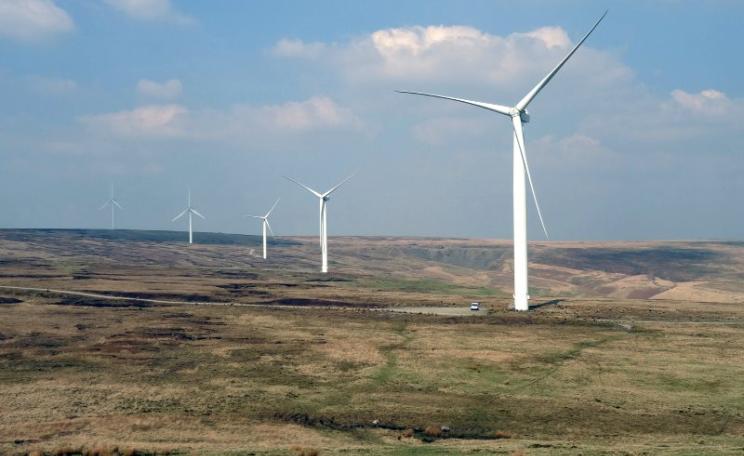
This week Chancellor George Osborne told Parliament that the power from the planned Hinkley C nuclear plant would be cheaper than onshore wind, writes Doug Parr. That could be true on Planet Zog - but here on Earth the reverse is the case. Exactly what are Osborne and his Treasury mandarins smoking?
The notion that nuclear is cheaper outside the UK is a myth, writes David Toke. Yes, it looks more expensive here - but only because new stations like Hinkley C have to compete in an electricity marketplace, making it harder to conceal the true costs like we used to.
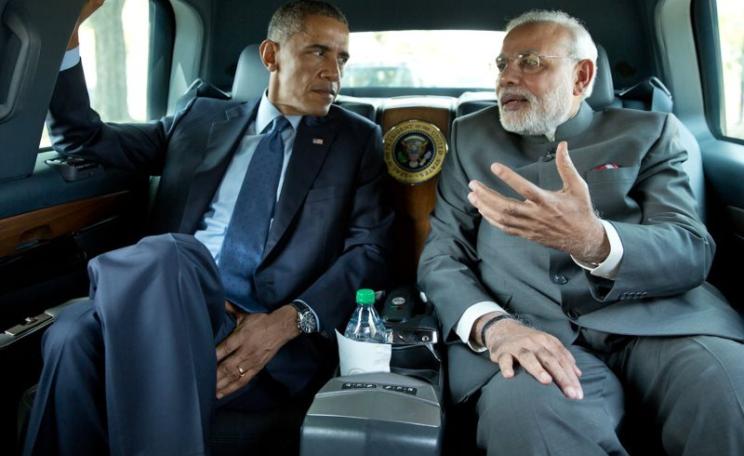
President Obama and India's Prime Minister Modi are best of friends - aren't they? So how come the US took India to the WTO's trade court - and just won a resounding victory? And why isn't India challenging the US's own discriminatory solar subsidies? It's because of the money, writes Charles Pierson. And poor India has no choice but to play by Washington's rules.
EDF has indefinitely postponed its Hinkley C nuclear plant in Somerset, England, as a new IEA analysis shows that its power will cost UK energy users three times more than it should, writes Oliver Tickell. A similar reactor in France is running six years late and three times over budget - and may never be completed.
Ukraine's state-owned nuclear generator is suing anti-nuclear activists in its latest attempt to stifle public debate over the country's ageing fleet of 15 nuclear reactors, while refusing to release information in breach of international obligations.
Following high-level criticisms of the Hinkley C nuclear plant from HSBC and the Chancellor's father in law, EDF, the company in line to build the power station, is fighting back hard, writes Oliver Tickell. But it could all be too late to rescue the doomed project.
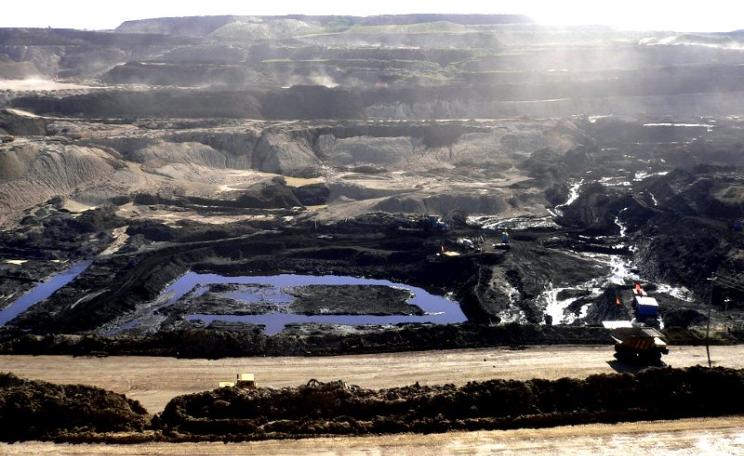
There's one big thing that Britain's biggest banks could do to reclaim their grievously impaired reputations, writes Greig Aitken: commit to stop investing in coal projects. As well as reducing climate change and local environmental impacts, it would also 'de-risk' their balance sheets as the global tide, from the US to China, turns against the dirty, carbon-heavy fuel.