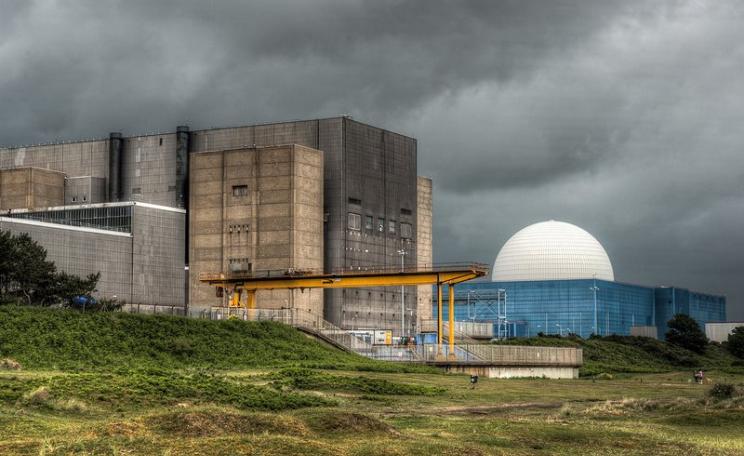
Luxembourg will join Austria's legal challenge to the UK's support package for the Hinkley C nuclear power station. Meanwhile EDF has laid off 65 engineers working on the project in Paris, and the EU Commission has initiated proceedings against Hungary over its Paks II nuclear project with Rosatom.
In the run-up to the COP21 climate summit in Paris the G20's Antalya Communiqué is weaker on climate, fossil fuel subsidies and support for renewable energy than the G20's 2009 Pittsburgh Statement made shortly before the failed COP15 in Copenhagen six years ago.
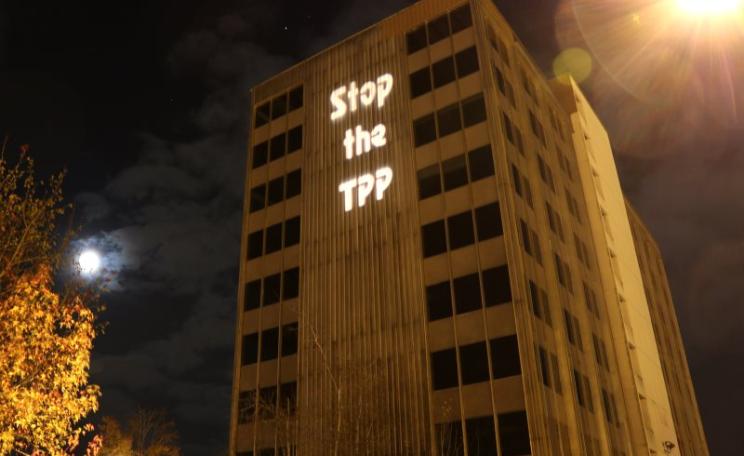
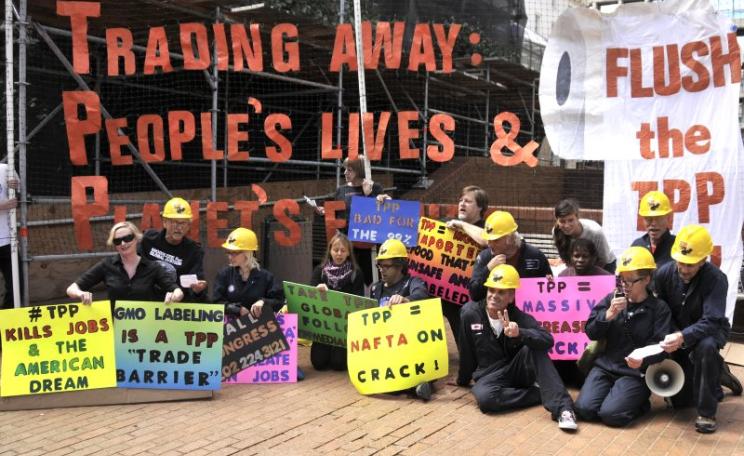
Thanks to New Zealand, the full text of the Trans Pacific Partnership has been made public. And as Pete Dolack writes, it's a disaster for health, environment, workers and democracy - one that will unfold over years and decades to come, as investors and corporations consolidate their power over elected governments and cement in the global rule of unaccountable capital.
In 2009 G20 nations pledged to eliminate fossil fuel subsidies. But they are still supporting them with $452 billion a year. Worst offenders include the UK, the only G7 country that's ramping up its fossil fuel spending; and Turkey, host of tomorrow's G20 summit, which plans to double its CO2 emissions with a huge new fleet of coal power plants.
Surprise changes to the Finance Bill in its third reading have withdrawn tax benefits for investors in community renewable energy projects, writes Georgina Matthews. While some societies are rushing to complete their fund-raising by the end of the month, others have been forced to close. If these measures are not withdrawn, a small but flourishing sector will be at risk.
A letter from Energy Secretary Amber Rudd leaked to The Ecologist shows that she misled Parliament by promising the UK was 'on course' to deliver on its renewable energy targets - when in fact there is a delivery shortfall in 2020 of almost 25%. Her plan to fill the gap relies on more biofuels, buying in green power and 'credits' from abroad - everything but wind and solar.
The UK's nuclear deal with China makes no sense, writes Jeffrey Henderson - unless you factor in the simultaneous agreement to forge lucrative links between UK and Chinese financial markets. Lucrative, that is, for the City institutions whose interests the British government so assiduously represents. As for the rest of us, our task is simple: to bear the ever-growing cost.
Greece is Europe's sandbox for the neoliberal free-for-all to follow if the EU and the US sign off on the TTIP trade and investment treaty, writes Pavlos Georgiadis. The termination of public services, the cut-price sell-off of public assets, the dismantling of environmental protection, the democratic closedown, the rule of corporations and finance capital ... all coming your way soon.
Since the last big climate conference in 2009 the world's biggest private sector banks have provided more than nine more money to fossil fuels than to renewable energy - showing up their oft-repeated 'green finance' promises as little more than PR puff.
A new paradigm of forest conservation is gaining ground, writes Isaac Rojas: 'financialising' them and the climate and ecological services they provide to global investors. But this is a false solution - and one that excludes the local and indigenous forest communities who can truly be relied upon to sustain their sylvan heritage.
Another week, another renewable energy cut. This time George Osborne is swinging the axe at tax breaks for community renewable energy schemes, writes Aisha Gani - even though previous cuts have already made 90% of projects unviable.
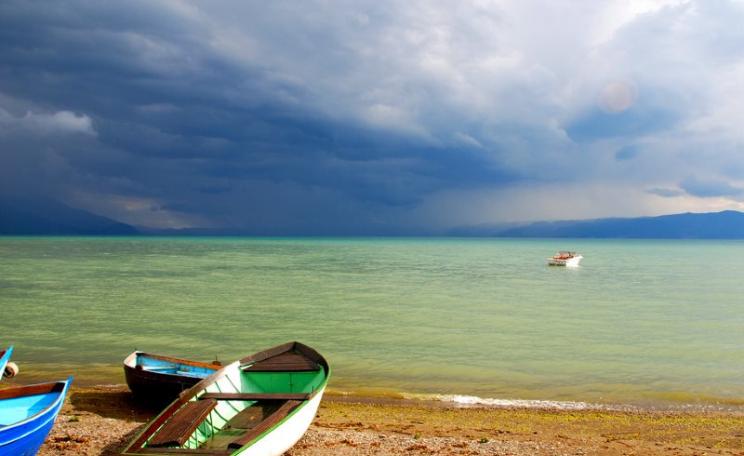
UNESCO's Lake Ohrid-Prespa Biosphere Reserve at Mount Galicica, Macedonia, is at risk from a raft of aggressive developments, write Elena Nikolovska & Daniel Scarry: tourism complexes, a new expressway and ski resort all threaten its tranquility and stunning diversity of wildlife, backed by loans from the EU's taxpayer-funded Bank, the EBRD.
The investor protections in the US-EU TTIP treaty would privilege US corporations over the EU's own citizens and businesses, writes Laurens Ankersmit & Oliver Tickell. That would sideline EU courts and undermine the completion of the internal market. It is therefore essential that the EU Court be asked to rule whether they are legal.
The high oil prices that turned North Dakota into a boom state have turned, writes Joshua Frank. Now high-cost oil and gas are in the doldrums everywhere, production is falling - and even if prices do pick up one day, risk aversion and the relentless advance of renewables will leave lakes of oil and caverns of gas underground where they belong. Folks, the oil party really is over!
China's nuclear investment into the UK raises more questions than it answers, writes Oliver Tickell. The £6bn committed is nowhere near enough to see Hinkley C to completion, and EDF has few options for raising the rest elsewhere. The only answer is more Chinese money, and it won't come cheap - not for Britain, nor indeed for France's vulnerable nuclear corporations.
As indigenous activists opposing hydropower dams on their territories gather this weekend in the rainforests of Sarawak, Malaysia, they have good news to celebrate, writes Rod Harbinson: a giant dam on the Baram river has been put on hold. But the forests are still being logged, local people have been stripped of land rights, and a programme of 12 giant dams is still official policy.
The UK's plan to get China to build and finance new nuclear power stations is based on a wish and a prayer, writes Oliver Tickell. There is no reactor design, including new Chinese ones, that we can depend on to fill our impending power generation gap. This time, the last one out won't even have to turn out the lights.
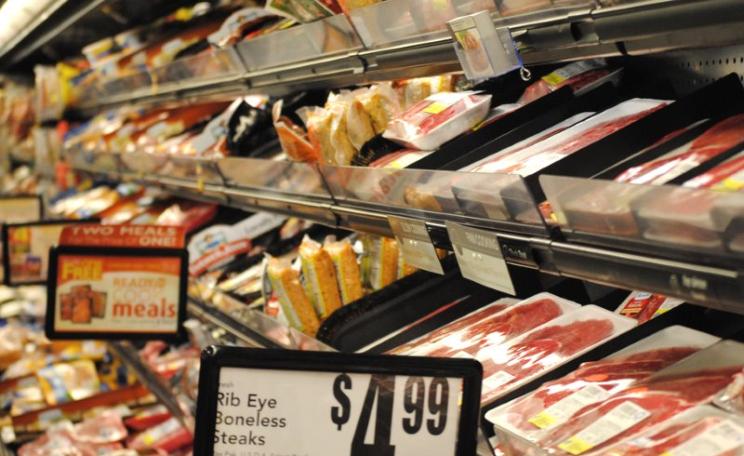
The 'regulatory cooperation' clauses in TTIP threaten to strip away vital EU protections on food, health and environment, writes Alex Scrivener. Indeed it has already begun: the mere prospect of TTIP has persuaded the EU to back off on plans to ban lactic acid-treated beef and 31 toxic pesticides. We must reject the entire package!
The UK is embarking on a reckless endeavour in its attempted nuclear union with China, write David Lowry & Oliver Tickell. China's investments will come at a high price, one that transcends mere money and the undoubted security risk inherent in its control of key elements of our energy infrastructure. At risk is the UK's very future as a sovereign, independent nation.
Fewer than half the UK's inhabitants even have a driving licence, writes Chris Church. So how come the UK's transport policies are all about meeting the needs of drivers? After all, even drivers are pedestrians the moment they step out of their cars. Now a new campaign group is forming to give a voice to non-drivers - and demand a better deal.
However much you think nature is worth, it's a lot more, writes Neil Nightingale. According to the BBC's 'Earth Index', published today in the world's financial press, water alone is worth as much as the entire global economy, and a single beaver's landscape and wetland management clocks in at $120,000 a year.
Just how bad is the TPP? Incredibly, we don't know its full horror because even now, the agreement is a state secret, writes Pete Dolack. But the text will have to be released soon so that Congress and other parliaments can vote on it. And only then we will know the full scale of the corporate sellout it represents. The choice facing legislators is clear: democracy, or corporate dictatorship?
The successful conclusion of the TPP talks is a huge blow for social and economic justice, writes Nick Dearden in his twelve point summary. But it's not over yet: the long secret text must now be made public. And there's every chance it can be defeated in an increasingly skeptical Congress.
George Osborne's silence over nuclear power in his conference speech yesterday speaks volumes, writes Jeffrey Henderson. Fresh from his trip to China to put together deals worth tens of billions with state-owned Chinese corporations to get Hinkley C and Bradwell nuclear plants built, he had nothing to say on the matter. Is it because too many serious questions remain unanswered?