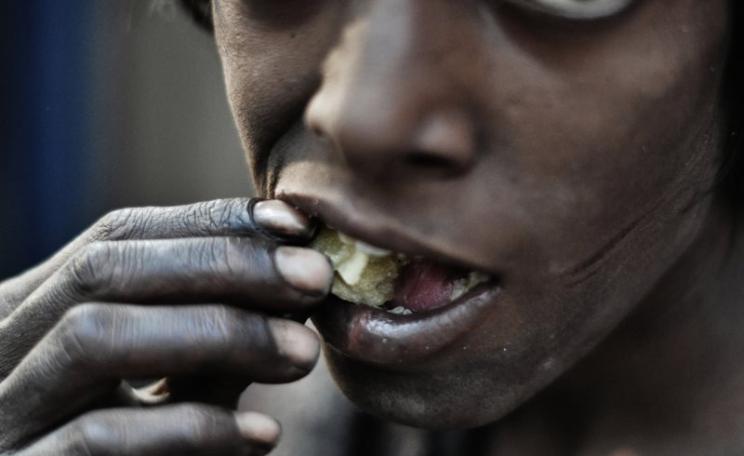
After two decades of neoliberalism, India's magnates and corporations are profiting as never before, writes Colin Todhunter. But the entire economic edifice is built on the dispossession of the poor, locked into debt servitude, and ever rising income inequality. Prime Minister Modi's latest move, 'demonetization', is yet another example of the state stealing from the poor to give to the obscenely rich.
With Trump denying climate change and threatening to reject the Paris Agreement, it's more important than ever for society to hold a firm ethical line, writes Chris Garrard. The last thing we need is our most revered museums and galleries muddying the water by courting the sponsorship of leading climate criminals.
Both Trump and Brexit can be explained by the failure of mainstream political elites to address the pain inflicted on ordinary citizens in the neoliberal era, write Helena Norberg-Hodge & Rupert Read. In the US and the UK, working class voters rightly rejected the corporate globalisation that has created so much poverty and insecurity. But the real solutions lie not in hatred, but relocalisation.
The organizers of tomorrow's International Monsanto Tribunal describe it as a 'moral trial', while the company dismisses it as a 'mock trial' and 'stunt'. The truth, writes Pete Dolack, is that it's about much more than this one company. On trial is the entire neoliberal system of 'free market' finance and monopoly capitalism.
International investors worth a collective $24 trillion have warned car manufacturers that they must 'get with the beat' on climate change, writes Terry Macalister. If car makers fail to shift to low emission models, they will face a large-scale sell-off of their shares.
The purported mission of the Cornell Alliance for Science is to explain the science underlying biotechnology and GMOs, writes Jonathan Latham. So with a debate on the issue taking place tomorrow, 5th October, on the Cornell campus, how come CAS can't find a single speaker prepared to defend their zealously pro-GM stance?
Off-grid renewable energy is key to achieving the global goal of 100% electricity access by 2030, writes Adnan Z. Amin, and to achieving the emissions reductions enshrined in the Paris Agreement. Thankfully, a confluence of factors - including rapid cost declines and impressive technology innovations - are making this goal more achievable than ever, and investment in the sector is taking off.
With the Wall Street Journal warning that the GMO crop boom may be over in the face of superweeds, higher seed prices, falling yields and farmer antipathy, writes Pat Thomas, the Monsanto-Bayer merger is a sign of weakness as both companies struggle to deliver growth and profits to match shareholder expectations. We had better be ready to press home our advantage!
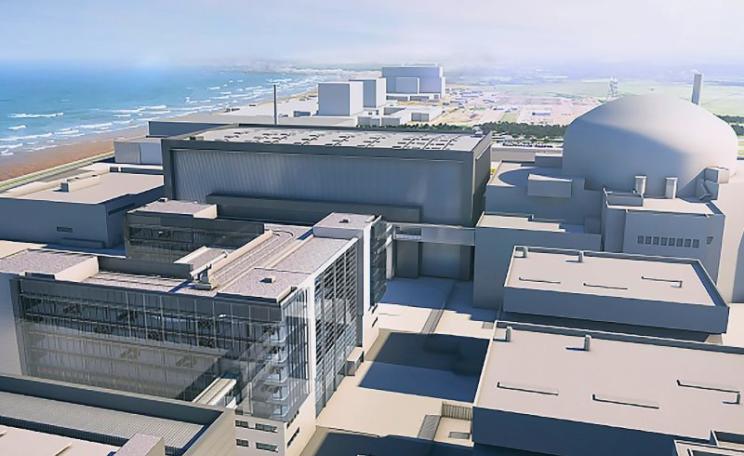
The French and the Chinese may be celebrating the UK's decision to press ahead with the Hinkley C 'nuclear white elephant', writes Oliver Tickell. But the deal is a disaster for the UK, committing us to overpriced power for decades to come, and to a dirty, dangerous, insecure dead end technology. Just one silver lining: major economic, legal and technical hurdles mean it still may never be built.
Theresa May's first big decision as PM was to duck out of a signing ceremony and review the Hinkley C nuclear project. But she will soon have to reach her decision. In this open letter Scientists for Global Responsibility set out six compelling reasons for her to let the whole monstrous white elephant go.
Judicial review is often the only way to challenge unlawful government acts and policies on the environment, writes Gillian Lobo. But proposals to double cost caps, or even remove them altogether, threaten the ability of both individuals and NGOs to hold government to account. Theresa May's new administration must urgently rethink!
As the G20 meet in China this weekend, it's time for governments to finally get tough on the world's tax dodgers, write Dipti Bhatnagar & Sam Cossar-Gilbert. The missing tax revenues would be able to finance a 100% renewable electricity system covering half the planet by 2030 - a major step in raising living standards and tackling climate change.
New York state recently set a terrible example by approving a $7.6 billion bailout of failing nuclear power plants, writes PETER BRADFORD. But other states aren't following. including California and Nebraska, where a host of highly competitive clean energy technologies are filling in the power shortfall left by nuclear closures, at much lower cost. It's time to let old nuclear reactors die.
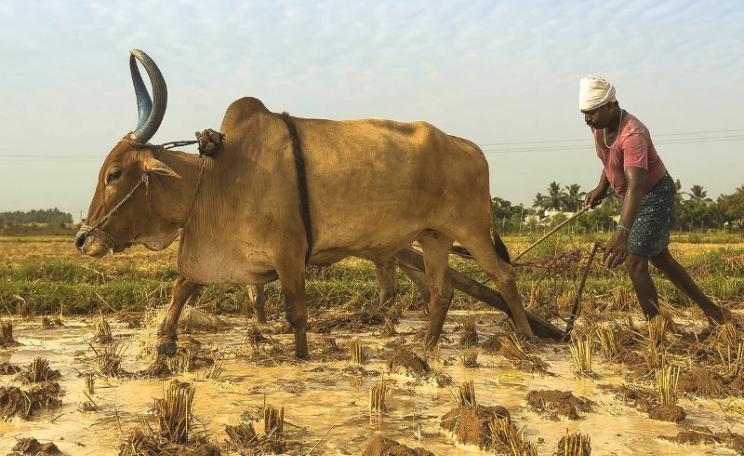
India celebrates its Independence Day today, writes Colin Todhunter. But the highly visible system of British colonial dominance has been replaced by a new imperial hegemony: the invisible, systemic rule of transnational capital, enforced by global institutions like the World Bank, while US-based global agribusiness corporations have stepped into the boots of the former East India Company.
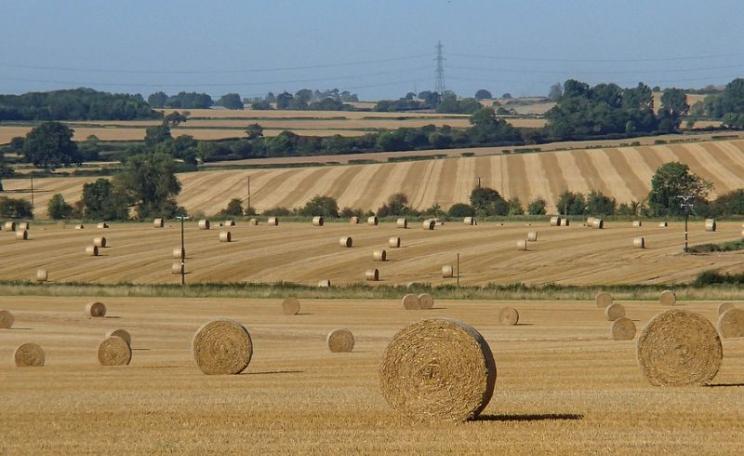
Brexit gives the UK the chance to reform the system of agricultural subsidies that rewards wealthy landowners at the expense of taxpayers, the global south, the environment, and small scale sustainable farmers, writes Alex Scrivener. But strong, effective campaigning will be needed to bring about the changes we desperately need.
French energy giant EDF will today give the formal go-ahead for the Hinkley C nuclear power station in Somerset, writes Chris Goodall. But that's no reason for the UK to sign up to a disastrous deal that will cost us over £1 billion per year for 35 years - money that should be used to support the green technologies of the future.
The government may want to press ahead with the English badger cull, writes Lesley Docksey. But after the Brexit vote it may just cost too much - for taxpayers and for the farmers who bear part an increasing share of the expense, now facing the loss of the 55% of their income that currently comes from Brussels.
EDF's 'final investment decision' on the Hinkley C nuclear power station next week will be pure theatre, writes David Toke. The truth is that no concrete is to be poured until 2019 at the earliest. Meanwhile post-Brexit UK is running out of money to pay for it, and EDF is under investigation by the Financial Markets Authority for concealing information on Hinkley from investors.
Campaigners have forced the biggest shareholder in a titanium mining project on south Africa's 'Wild Coast' to withdraw, reports Rachel Lees. But they now fear the project itself will continue under the auspices of local 'front' companies, while the big profits enrich the British and Australian investors that are the real masters of Africa's neo-colonial minerals boom.
Following the vote to leave the EU, the UK's energy and climate change policy faces major challenges, writes Paul Brown, with new nuclear power and a third London runway at Heathrow runway looking like the first casualties.
A leaked text from the 'Trade In Services Agreement' negotiations shows that TISA is set to unleash a massive wave of deregulation affecting social, environmental and financial standards, and force the privatisation of state-run enterprises, writes Pete Dolack. So it's not just TTIP, CETA and TPP we have to fight - TISA could be the biggest corporate power grab of them all.
The renewable energy revolution is in full swing, writes Jeremy Leggett, with costs falling to new lows, deployment of wind and solar surging to unprecedented highs, and confidence ebbing away from fossil fuels. But global warming is also accelerating, with global temperature records broken every month for a year. Will the energy transition happen in time to avert catastrophe?
The UK's 'Green Deal' energy efficiency scheme was a massive failure, writes Sue Roberts. But few knew just how bad until the NAO's report - which reveals that its main effect was to line the pockets of the Big Six energy companies, load the public with expensive loans, create a tangle of red tape, and engineer the collapse of the UK's nascent energy efficiency sector.
Another week, another series of disasters for EDF and it's Hinkley C nuclear power project, writes Oliver Tickell, with the company's credit rating downgraded partly due to its exposure to the project, and its Chinese partner CGN ruling out a takeover of the site. How much longer can the tragicomedy continue before the curtain falls?