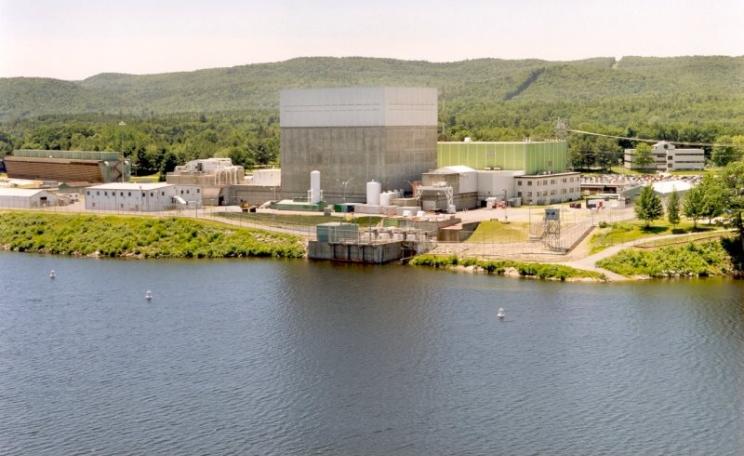
With five reactors closed in the last three years, the US nuclear industry is in shutdown mode, writes Linda Pentz Gunter - and that means big spending on decommissioning. But now the nuclear regulator is set to exempt owners from safety and emergency costs at their closed plants - allowing them to walk away from the costs and liabilities, and palm them onto taxpayers.
The pristine landscape of South Africa's Wild Coast is under threat from mining, writes Hal Rhoades, and the communities standing up to defend the land are facing deadly consequences: harassment, threats, physical assault and murder. Attacks on mine opponents have taken four lives so far and many others have been injured. But the opposition is growing and gaining international support.
The corporate war on traditional farming is nowhere fiercer than in India, writes Colin Todhunter. After decades of the 'Green Revolution' that have impoverished the nation's soils, water, biodiversity and cultivators alike, agribusiness is poised for its final strike. But now the small scale farmers who produce most of the country's food are rediscovering ancient agroecological alternatives.
A small fishing community in Mexico's Baja California is playing involuntary host to a gigantic tourism and real estate development, writes Viviane Mahieux. And while the branding of the Tres Santos resort is all about mindfulness, ecology and sustainability, the reality is one of big money, high level politics, and the unaccountable deployment of state violence against those who dare oppose it.
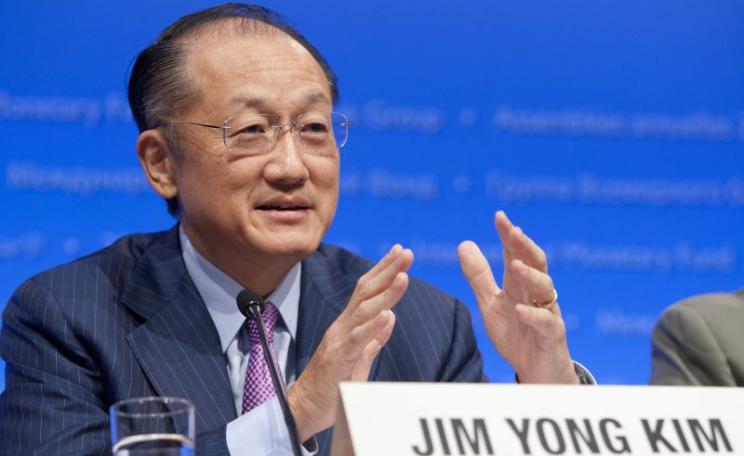
World Bank President Jim Kim talks a good talk on cutting support to fossil fuels. But what the bank does, writes Victoria Seabrook, is a whole other story. Not only is the WB Group still pouring money into the sector, but its funding doubled between 2011 and 2015.
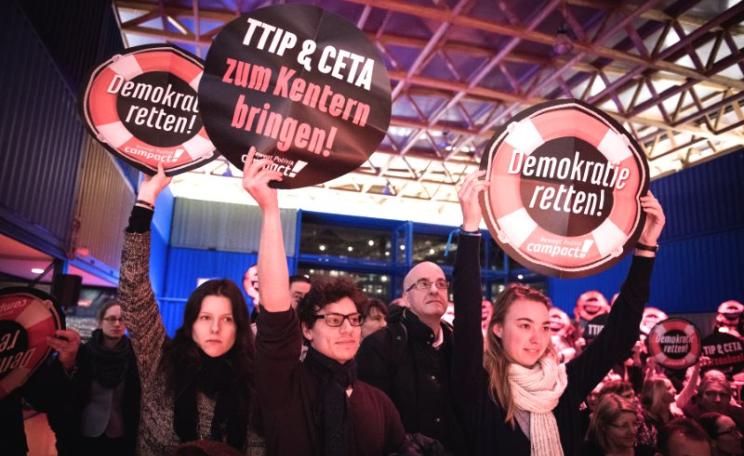
The Stop TTIP coalition is warning that under a 'stealth clause' in CETA the trade deal could come into force without a single parliamentary vote - including its ISDS provisions allowing investors to sue governments in secret courts. US corporations would then be able to sue EU nations - even if TTIP fails.
Disregarding revelations of systemic political corruption in Brazil's hydropower sector, President Dilma Rousseff is ploughing ahead with a cascade of giant dams on the mighty Tapajos river. Among the companies touting to win huge construction contracts are France's EDF and Engie, and Germany's Voith and Siemens - in a consortium led by Brazil's Electrobras, which stands accused of high-level corruption over four other dam projects.
The nuclear industry is forever reinventing itself with one brilliant 'new' idea after another, Amory Lovins wrote in this classic 2009 essay. But whether it's touting the wonders of future SMRs, IFRs or LFTRs, the reality never changes: the reactors they are building right now are over time, over budget and beset by serious, entirely unforeseen technical problems.
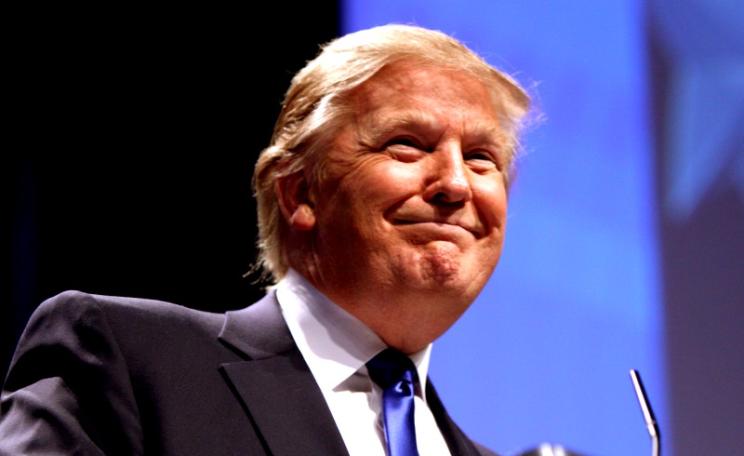
There are many good reasons to criticise Donald Trump, writes John McMurtry. But none of these matter to the US media, political and corporate powers determined to keep him out of the White House. With his radical talk of halving military spending, controlling Big Pharma and exiting 'free trade' agreements, Trump is a direct threat to the parasite capitalism that's destroying America.
How to dissent peacefully from the corruption, waste and destruction of the world? By a mindful disengagement from evil, writes Julian Rose: from fossil fuel energy to propagandist media, from sweatshop clothing to the predatory financial system. Some of the steps we can take are easy, others very difficult - but what ultimately matters is the direction of travel.
New development financiers like China's Asian Infrastructure Investment Bank are driving a global attack on the environment, writes Bill Laurance. With their fast track 'no questions asked' procedures, they are financing a wave of destructive mega-projects, giving the World Bank and other lenders the excuse to lower their already weak safeguards.
Perhaps all the 'do gooders' busy forcing industrial models of agriculture onto poor but independent African farmers really do think they are helping them, writes Colin Todhunter. But if so they are deeply deluded. All they will achieve is the takeover of export-oriented agribusiness and GMOs, the destruction of agroecological farming systems, and a future of debt and landlessness.
Never mind Cameron's mealy mouthed denials that he or his family benefit from tax havens, writes Donnachadh McCarthy. The real problem is systemic: Britain's entire political establishment has long been owned by tax haven wealth. Finally a senior politician, Jeremy Corbyn, has the courage to stand up to the unaccountable super-rich.
Italian prosecutors have raided Shell's offices to investigate the suspicious acquisition of a huge offshore oil field in Nigeria, writes Vanessa Amaral-Rogers. The oil block, sold by the Government for $20 million to a shell company owned by the oil minister, was later acquired for $1.1 billion by Shell and Eni.
EDF in the UK may be propelled by its disastrous nuclear ambitions, writes Chris Goodall. But across the Atlantic it's another story: the company is the US's biggest wind developer, and selling its power, profitably, for under 40% of the price it has been promised for Hinkley C, including federal tax credits.
JP Morgan's announcement that it's pulling out of coal is purest doublespeak, writes Assaad Razzouk. But it's not the only financier to engage in climate hypocrisy, as banks prepare to lend $5 trillion to build 2,440 new coal power stations. To deliver the Paris Agreement they - and the loans that would finance them - must be cancelled.
The Government of Honduras is intent on framing the only witness to the murder of Berta Cáceres as the one guilty of the crime, writes Beverly Bell. Gustavo Castro Soto, an eco-defender from Mexico, is now in effective detention in his country's embassy in Tegucigalpa in fear of his life, having himself been injured in the attack and seen the real assassin. The US Government must break its resounding silence.
Backed up the Information Commissioner, DECC refuses to release the documents it sent to the European Commission to support its massive subsidy package for the Hinkley C nuclear plant, writes Terry McAlister. But now the case will go before a tribunal which could order their release.
Our insatiable appetite for expensive coffee is causing a global trail of waste and destruction, writes Donnachadh McCarthy. Following the successful campaign for a 5p plastic bag levy, it's time to move on to a much larger 25p levy on disposable coffee cups - making those that profit from the waste carry the cost of its disposal.
Less than two weeks after the murder of Honduran eco defender Berta Caceres, another indigenous leader has been shot dead during the violent police and military eviction of 150 families from the settled community of Rio Chiquito. International funders of the controversial Agua Zarca hydro project are now backing out..
Climate change is perhaps our generation's greatest challenge, and few people are better placed to know it than academics in our top universities, writes James Dyke. But they are still accepting huge sums of fossil fuel money, in the process helping donors in their quest to extract and burn ever more coal, oil and gas. This must stop.
Oil giant BP is the UK's single biggest EU lobbyist, spending over £2 million reaching out to European policy makers in 2014, new figures show. But citing hard times, the company has dropped its controversial sponsorship of the London's Tate Galleries - and more such branding deals may bite the dust.
What was NATO's violent intervention in Libya really all about? Now we know, writes Ellen Brown, thanks to Hillary Clinton's recently published emails. It was to prevent the creation of an independent hard currency in Africa that would free the continent from economic bondage under the dollar, the IMF and the French African franc, shaking off the last heavy chains of colonial exploitation.
Low Emissions Zones have their place in cleaning up the UK's worst air pollution hotspots, writes Richard Howard. But we also need to adopt fiscal measures to encourage a shift away from diesel vehicles, at once delivering cleaner air, increased tax revenues, and lower carbon emissions.