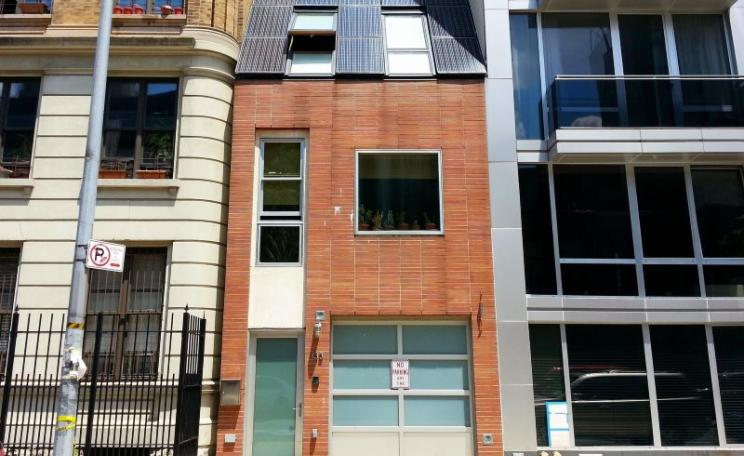
The lead poisoning crisis in Flint, Michigan is just the tip of a vast iceberg of lead contamination afflicting mainly urban black communities, writes Leif Fredrickson. A rigid 'race bar' on postwar suburban housing and mortgages left black families in inner cities, exposed to flaking lead paint in run down housing, leaded gasoline residues and lead pipework. Now is the time to correct this shocking historic injustice.
After ten massive renewable energy cuts that are leaving the UK falling well short of EU renewable energy targets, an eleventh! The axe is now falling on solar heating, writes Oliver Tickell - even though it's meant to be at the core of the government's renewable energy strategy.
State action on solar power can make a big difference, writes Aaron Viles. Driven by ambitious renewable energy targets and the need to generate local growth industries of the future, five states stand out for their trend-setting policies that are accelerating the US's clean energy transition.
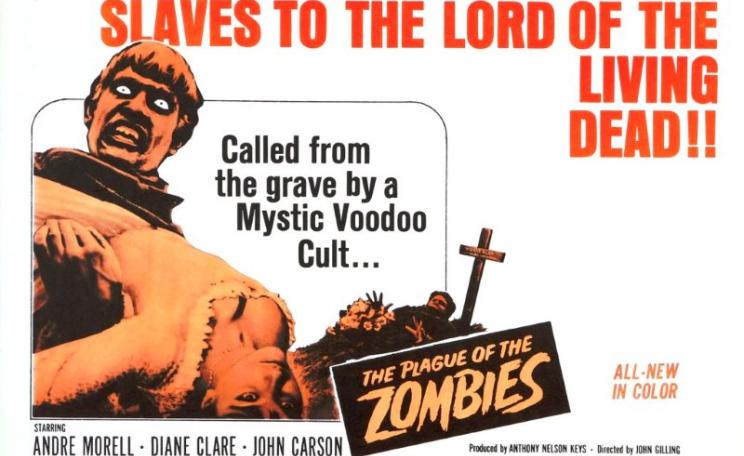
French nuclear parastatal EDF is facing problem after problem - zombie nuclear projects in the UK, Finland, China and France, a fleet of 'beyond the grave' reactors, a dropping share price and its drooping credit rating. But is it really as bad as all that? Jonathon Porritt has exclusive access to the leaked Agenda of its latest board meeting. And the answer is - no. It's even worse.
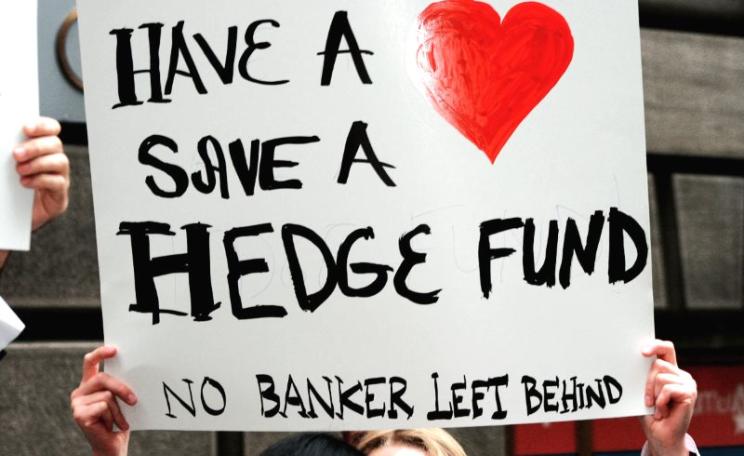
From banks that are too big to fail, to food banks for the too small to matter, the global econom systematically pumps money from the social economy and the poor up into the hands of a tiny minority of wealthy beneficiaries, writes Colin Tudge. Farmers, trapped between mountains of debt and low food prices, are among the main victims. It's time for a big rethink, starting from first principles.
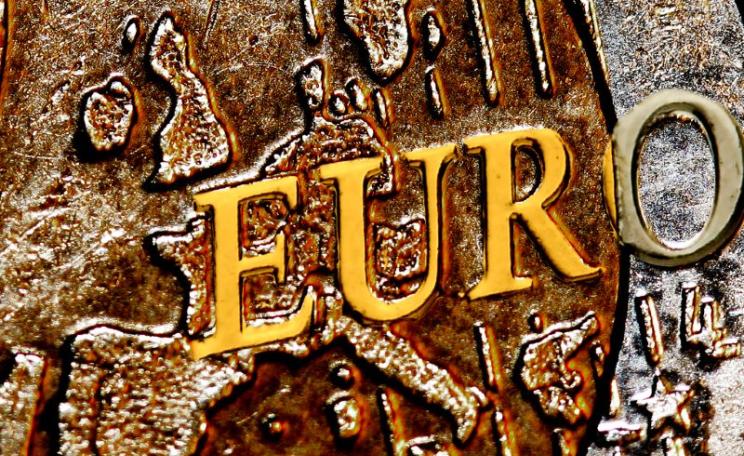
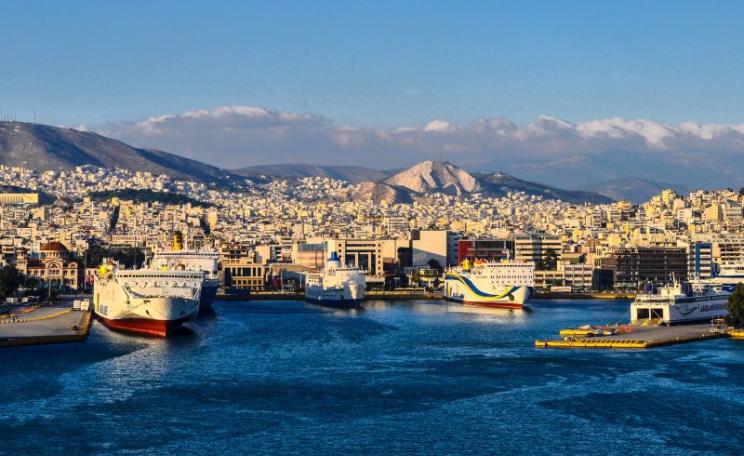
Europe's economic crisis has offered vast business opportunities to an all-powerful nexus of financial interests that have snapped up valuable state assets at bargain basement prices, defrauding the poorest countries of countless billions of euros, write Sol Trumbo & Nick Buxton. The EU's highest institutions are in the grip of a deep, systemic corruption that knows no boundaries.
Nuclear giant EDF can't afford to write off the £2 billion sunk into the Hinkley C nuclear plant, write Paul Brown & Oliver Tickell. So its cunning plan is to turn it into a 'nuclear zombie' - officially a live project, but actually stone cold dead - until EDF can find a way out of the hole it has dug itself into.
EU and US resume their negotiations next week over the TTIP trade and investment deal. But deep rifts have emerged over the corporate courts in which investors can sue governments for any actions that reduce their profits. Meanwhile MPs are seething over their restricted access to draft texts and negotiating documents.
The private banking system that dominates North America and Europe works very well indeed, writes Ellen Brown - for the bankers. As for us, it's a disaster, as the banks use their monopoly over the creation of money itself, at interest, as a tool to extract ever more value from us and the entire economy. But there is another way!
If the UK really wants 3.2GW of 'baseload' power in Somerset, then the Hinkley C nuclear power station is not the only way, write Marie-Louise Heddrich, Thorsten Lenck and Carlos Perez Linkenheil. Wind power with 'wind to gas' plant and CCGT gas power stations could do the same - faster, cheaper, more flexibily, and at much lower technical and financial risk.
Despite Cameron's promise to lead the 'greenest Government ever', the environment has taken a heavy bashing since the 2015 election, writes David Clubb - whether on oil, fracking, renewable energy or planning policy. But Wales is doing its best to follow a sustainable path, and demonstrating badly needed environmental leadership that the whole UK would do well to follow.
The government is set to ban local authorities and their £14 billion pension funds divesting from companies they deem unethical, writes J W Bode. The law will specifically forbid divestment from fossil fuels - and that could put the pensions of future public sector retirees at risk.
An occupation of EDF's site office for Hinkley C turned into a celebration today as the EDF Board postponed its 'final investment decision' for the tenth time. With strong opposition among French unions and the project afflicted by severe technical and financial problems, it's not just Hinkley that's going down, but the UK's entire nuclear programme.
The world is in the grip of a structural war against people, land, economies and ecosystems, writes Colin Todhunter. It is being waged by a quartet of organised criminal interests bent on monopolizing energy, money, food and violence across the globe. But a deep-rooted resistance against their 'neoliberal' doctrine of death and destruction is fighting back.
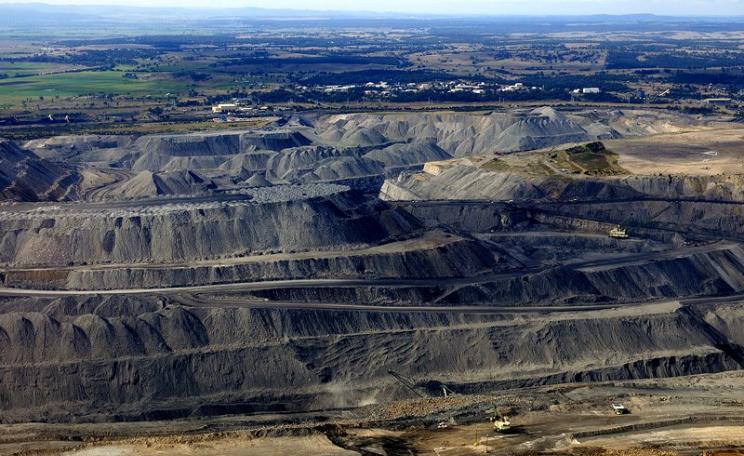
According to oil company executives, oil is going to be a major energy source to 2100 and beyond. So after hearing an oil man make his case, Chris Goodall went home and crunched some numbers. Money invested in solar power already produces more energy than if it's put into oil exploration and production, and the gap is only going to widen from here. Is this the new 'peak oil'?
The main engine of economic exploitation is the financial system's ever increasing extraction of value through interest payments, according to economist Michael Hudson. Paul Craig Roberts finds his analysis all too accurate, as the over-financialized economies of western countries head down a spiral of poverty, decline, injustice and despair.
Fund managers who neglect their 'duty of care' to clients by failing to put pressure on the companies they invest in to reduce their carbon emissions and prepare for a fossil-free future could be sued for their negligence, say respected experts in law, environment and finance.
As Cuadrilla's application to frack in Lancashire goes to public inquiry today, protestors from Greenpeace have installed a full-size 'fracking rig' in Parliament Square, London, complete with flare and deafening sound effects, to let MP's know just how great it is to have a fracking well on your doorstep.
Agriculture is big business and with the EU pumping money at the sector, the corporate profiteers are holding all the aces, writes Chris Lang. The documentary ‘Land Grabbing’ investigates what happens when well-financed agro-investors take over rural communities' land and water.
Why are we so surprised at the Google tax heist? It's not because there's anything new about it, writes Donnachadh McCarthy. It's because our own political class have long their noses in the trough, and the tax-dodging billionaires that own our mainstream media are anxious to hide the swindle that's keeping them rich, and us poor.
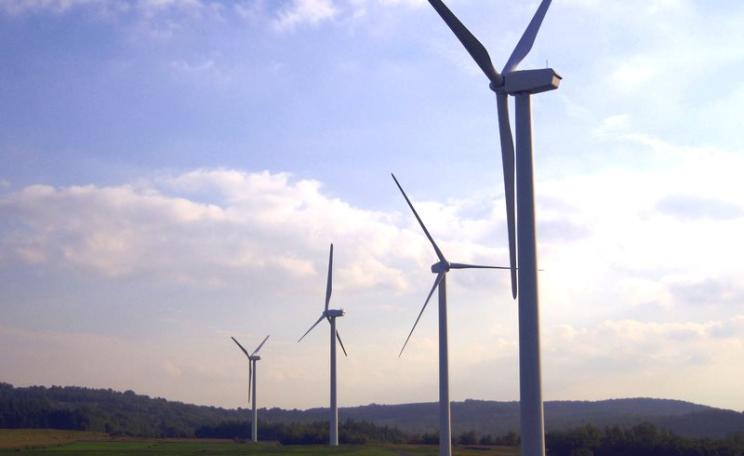
As presidential contenders gather in Iowa for the beginning of the party selection season, they may have noticed a lot of wind turbines, writes Zachary Davies Boren. And if they have any sense, they will find only nice things to say about them. Wind supplies 30% of the state's power, more than any other US state, and Iowans are all for it. Ted Cruz, mind your words!
EDF's unfolding fiasco over the Hinkley C nuclear power station proves that nuclear power can come only at enormous financial cost to consumers and taxpayers, writes Caroline Lucas - and even then, investors are scared off by the risks. The government must get over its nuclear obsession and seize our renewable future.
Monsanto has acquired a commanding role in the biotech, seed and agro-chemical industries, writes Carmelo Ruiz. So why is the company desperate to merge with its rival Syngenta? The truth is the company is in deep trouble, as its top-selling Roundup herbicide runs out of steam, and its rivals combine to challenge its dominance.
Just as EDF was due to make its 'final investment decision' on Hinkley C, writes Oliver Tickell, another delay. In spite of incredibly generous subsidies, the company is unable to finance it. Its last hope is to persuade the French state to take a 10% stake in the doomed project.