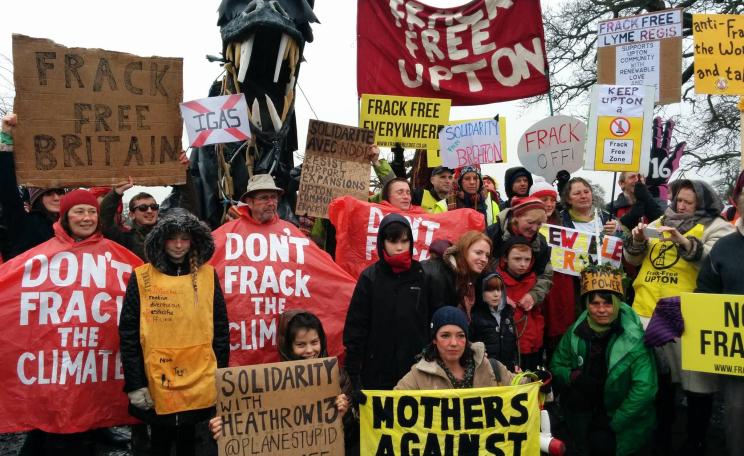
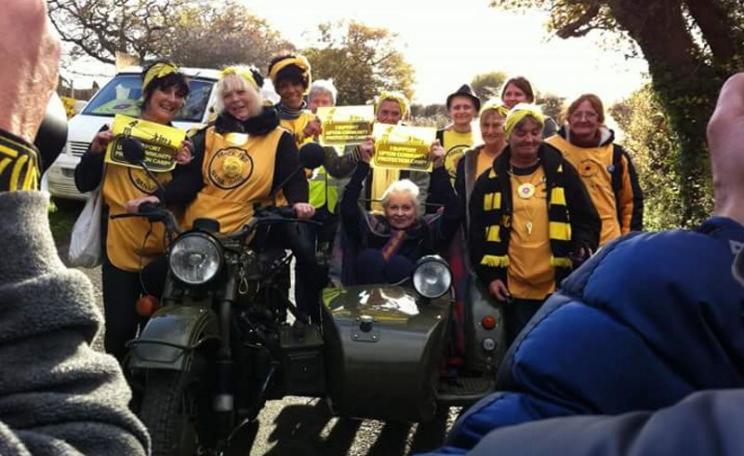
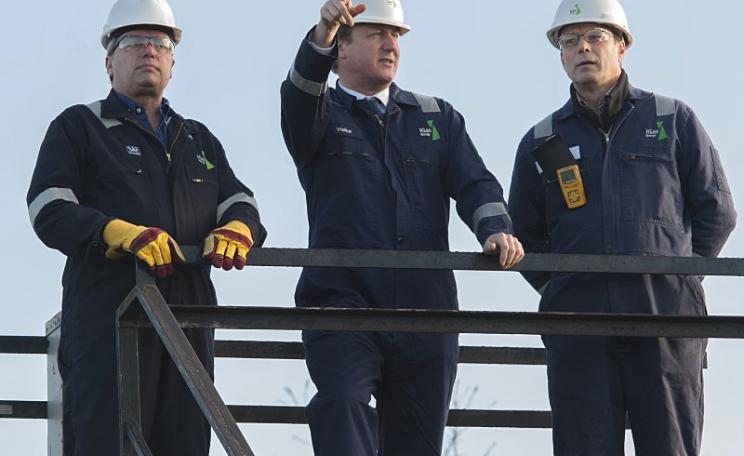
Is the UK sinking into authoritarian rule? That's how it looks, writes Jonathon Porritt, as the government joins with right wing media and fossil fuel companies to attack local democracy and environmental campaigners. Is this 'merger of state and corporate power' a sign of more, and worse, to come?
Barring a miracle Marco Rubio is set to be Trumped in the Republican primary tomorrow in Florida, his home state, putting an effective end to his campaign. But it's not for want of support from one of the US's biggest frackers, Devon energy, and its politically active CEO Larry Nichols. And with or without Rubio, Nichols's influence on the red states' energy policy is only going to get bigger.
Whether you're fighting fracking, coal mines, new roads or a third Heathrow runway, next weekend's Earth First! Winter Moot is for you, writes Louise Somerville Williams. Campaigners and activists from across the UK and beyond will gather in Stroud to build common strength in our struggle against ecological destruction, and to work for a world of social and environmental justice.
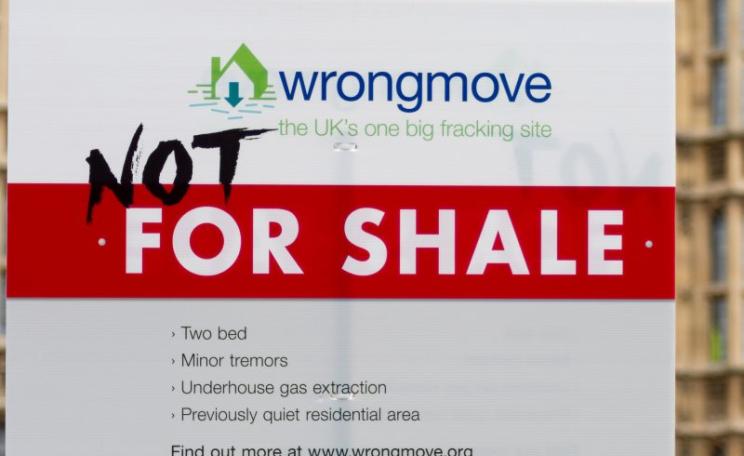
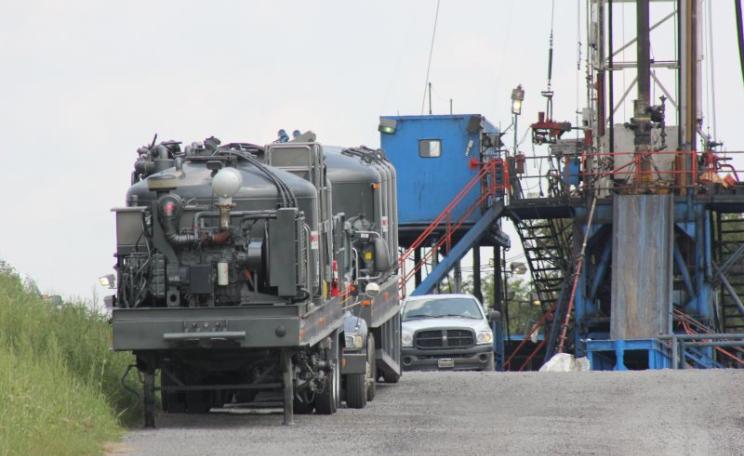
As Cuadrilla's application to frack in Lancashire goes to public inquiry today, protestors from Greenpeace have installed a full-size 'fracking rig' in Parliament Square, London, complete with flare and deafening sound effects, to let MP's know just how great it is to have a fracking well on your doorstep.
The UK's insistence on opening up the UK to fracking is symptomatic of a deeper malaise, writes Paul Mobbs. Of course we need a change of government, but more than that, we need a deeper, enduring change of the nation's governance if we are ever to effect the transition to sustainable policies on energy and environment. It's time for the UK to become truly democratic.
New regulations that will allow fracking under national parks, water sources and nature sites won the approval of MPs today in a Commons vote, write Kyla Mandel & Oliver Tickell, even though four Tory MP's rebelled against the party whip. But the new rules won't apply in Wales and Scotland.
On Monday Cameron was waxing lyrical on climate change at COP21 in Paris, writes Natalie Bennett. But his true colours will be revealed tomorrow as a long established anti-fracking camp in Cheshire is set for eviction: all part of the plan for a new generation of gas-fired power stations that will blow the UK's emissions targets.
The theme at COP21 today has been the urgent need to cut fossil fuel subsidies that favour dirty energy over renewables, writes Tony Juniper. Sadly the UK is setting all the wrong examples - ramping up its spending on fossil fuels, while slashing its much smaller renewable energy budgets.
A new study in the US's 'fracking capital' Pennsylvania has found that pregnant women who live near gas fracking wells are far more likely to give birth prematurely or develop problems during their pregnancies.
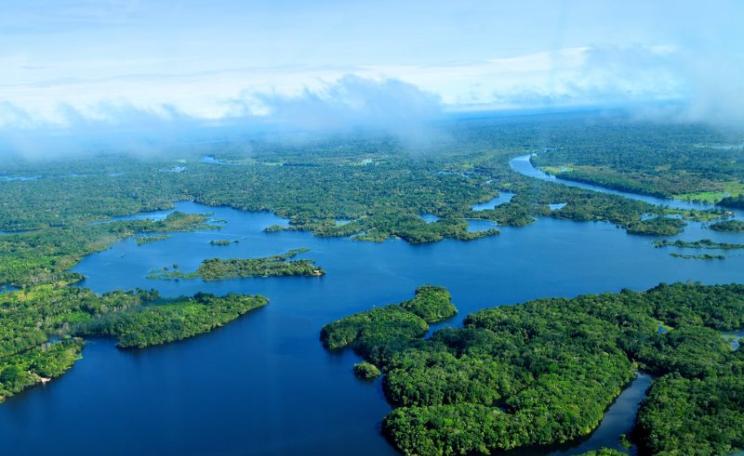
Brazil is about to auction hundreds of fracking blocks across the country - extending deep into the Amazon forest including the territories of remote and vulnerable indigenous peoples. Registered bidders include BP, Shell and ExxonMobil.
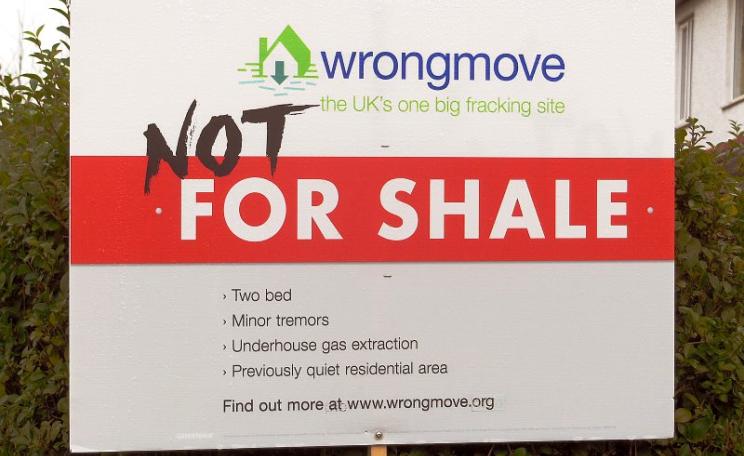
The 14th Onshore Round of oil and gas licencing entirely avoided the Prime Minister's Witney constituency for reasons that clearly have nothing to do with geology, writes David Smythe. Is the little-known Frack-Free Witney the UK's most successful - and covert - anti-fracking organisation? Or are darker forces at work?
A new report on fracking and climate change from the Task Force on Shale gas presents a rosy picture of the fuel's role as a climate-friendly 'bridge' to a renewable energy future, writes Oliver Tickell. But the truth is the precise opposite - it's a climate disaster that will only delay the arrival of clean energy.
For anyone who believes in the ineffable wisdom of 'free' markets, the current sinkaway oil price takes some explaining, writes James Meadway. Saudi Arabia's big gamble that it could put US shale oil out of business by over-pumping has now collided with China's falling demand for energy. Result: oil producers everywhere are swimming in red ink. Where will it all end?
They tried to influence government - but that's not working any more, writes John Vidal. So Friends of the Earth's new boss is taking a more radical approach rooted in community activism. And as he prepares for a storm of protest over fracking and cuts to wind and solar, he's ready to take on George Osborne in an 'ideological war' for the future of Britain.
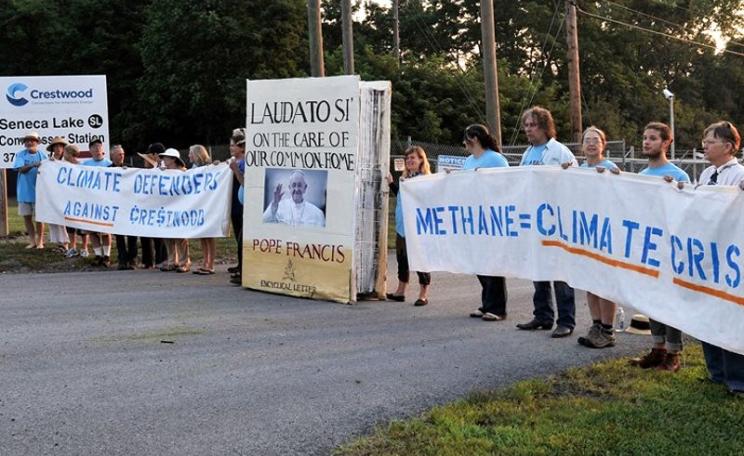
Protests against plans to make an enormous storage site for fracked gas at Seneca Lake in New York state seven times bigger are gathering pace, writes Ashoka Jegroo, with 13 arrests at a gate blockade last week. But is the company, Crestwood, getting the message?
New measures to compel local councils to speed up frackers' planning applications have a clear intention, writes Oliver Tickell - to make it ever harder for planners to refuse permission.
Shale gas company Cuadrilla will appeal Lancashire's decision to refuse permission to frack, write Kyla Mandel & Ben Lucas. The planning battle will last well into 2016, as campaigners prepare to fight all the way.
The damage caused by fracking to people, communities and the wider environment will be put under the legal spotlight in public hearings in the US and the UK, write Damien Short & Tom Kerns. While the 'ruling' that emerges will be non-binding, it will provide an authoritative, expert dossier of fact and argument for real legal actions to follow.
The anti-fracking movement scored a great victory when Lancashire councillors refused planning permission for two fracking wells, writes Damien Short. But dig deeper and the triumph was all the greater, as it overcame not just Cuadrilla, but a morass of pro-fracking bias and legal and scientific misrepresentation from those meant to be providing impartial advice.
Breaking a clear pre-election promise, the government will allow fracking to take place in the UK's most precious wildlife sites and in vital groundwater source areas, writes Adam Vaughan.
Next month is the time for green activists to get together in the glorious Peak District, coordinate future actions on everything from fracking to road-building and climate change ... and of course, share the love, writes Indra donFrancesco, Yes, it's the Earth First! summer gathering, and there's never been stronger reasons to go.
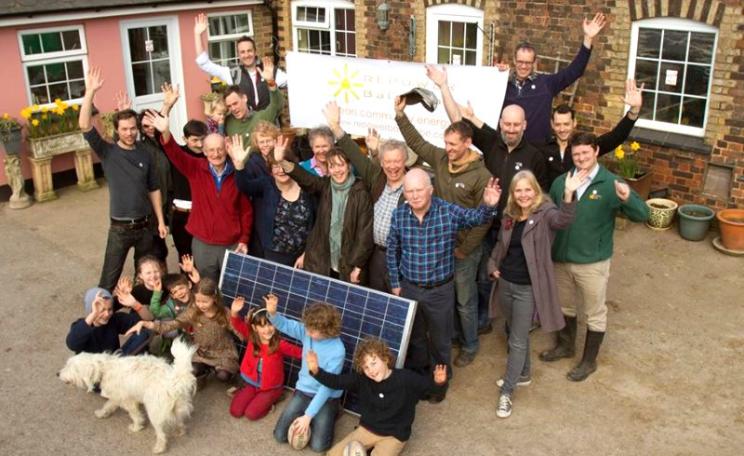
When fracking came to Balcombe in West Sussex in 2013, it divided village opinion, writes Joe Nixon. But the community is now united in its commitment to locally owned renewable energy, with solar projects on schools and farm buildings, and plans just in for a new 5MW solar farm.
In its haste to get fracking, the UK Government is neglecting safe, clean alternatives that could be providing low-carbon gas and heat energy, writes Keith Barnham. The technologies are already well established in other European countries and are picking up fast here too - so why the insistence that only fossil fuels can deliver the UK's energy needs?
Caerphilly councillors yesterday refused permission for a huge open cast coal mine in South Wales that's fiercely opposed by local people furious at its impacts on air, landscape, tranquillity and climate, writes Guy Shrubsole. Coming so soon after the rejection of fracking in Lancashire, the message is clear: fossil fuels are best left safely underground.